 Bắc Ninh


Over 100 ethnic minorities gather for Vietnam’s 2026 New Year celebrations
December’s centerpiece is a showcase of Co Tu heritage from the central city of Da Nang, featuring immersive cultural experiences. At the Co Tu village space, artisans will stage the Pro ngooch brotherhood ritual, a centuries-old ceremony for settling disputes and reinforcing inter-village solidarity, alongside ceremonial toasts, folk singing, and festive displays of folklore and performing arts.
Vietnam on December 1 kicked off a month-long series of New Year 2026 celebrations at the National Village for Ethnic Culture and Tourism in Hanoi’s suburban Doai Phuong commune, drawing more than 100 ethnic minorities nationwide.
 |
|
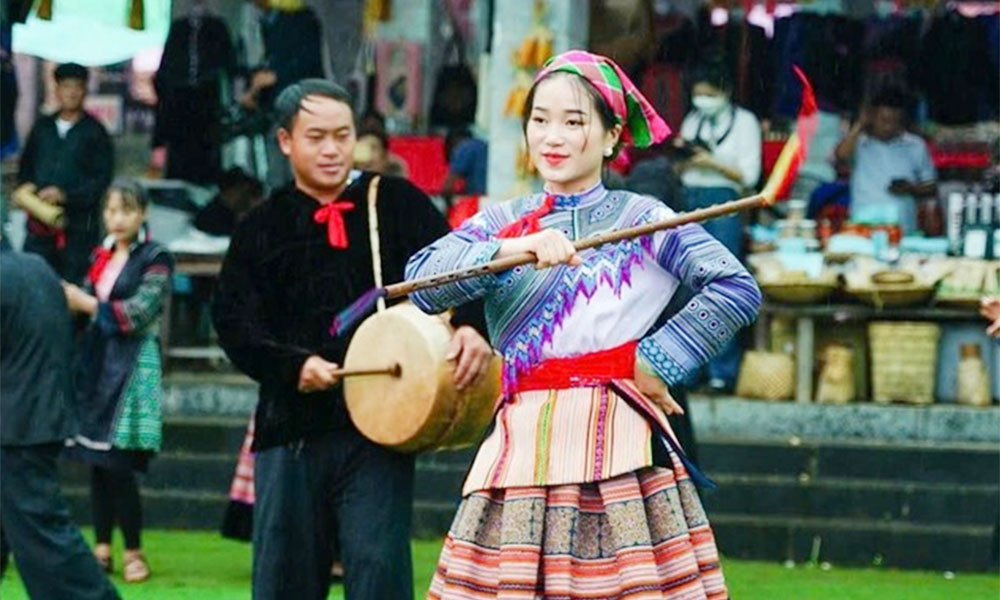
A Mong woman performs traditional dance. |
The celebrations will run through January 4, 2026, according to the Department of Ethnic Culture under the Ministry of Culture, Sports and Tourism.
December’s centerpiece is a showcase of Co Tu heritage from the central city of Da Nang, featuring immersive cultural experiences.
At the Co Tu village space, artisans will stage the Pro ngooch brotherhood ritual, a centuries-old ceremony for settling disputes and reinforcing inter-village solidarity, alongside ceremonial toasts, folk singing, and festive displays of folklore and performing arts.
A cultural exchange will spotlight Co Tu folk songs, musical instrument performances, and the iconic “Tan tung da da” dance. Xo Dang, Ta Oi, Ba Na, and Gia Rai communities now living in the village will join in, fostering intercultural connection and showcasing their respective traditions.
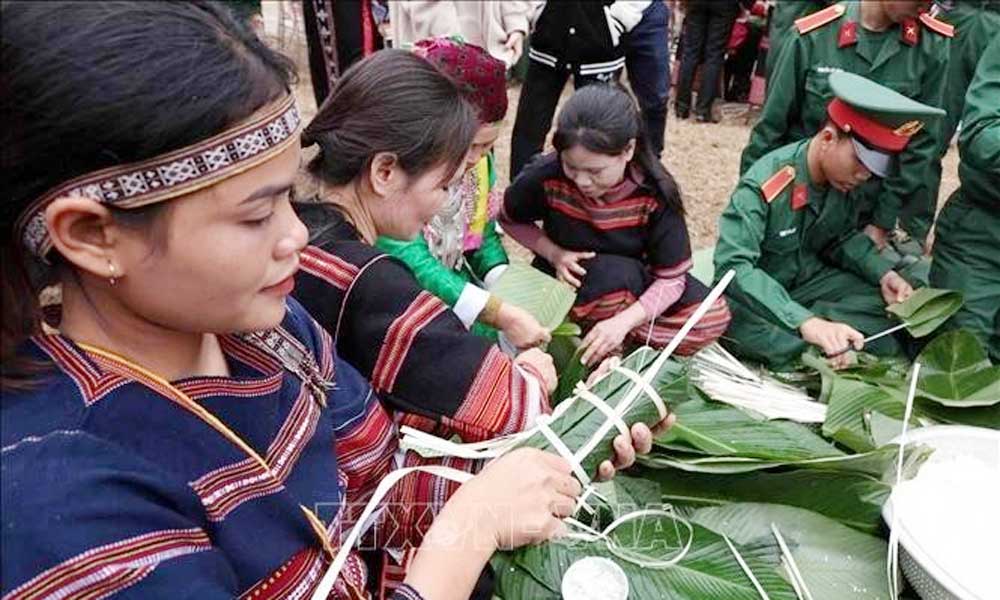
Visitors can taste Co Tu cuisine and explore traditional stilt-house architecture while artisans demonstrate signature dishes and drinks. Hands-on activities include preparing bamboo-tube rice (com lam), grilled meats, buffalo-horn cakes, and learning to play gongs and drums, as well as joining folk dances led by local practitioners.
A flagship event is the 2026 New Year Market Fair, which recreates the vibrant atmosphere of a northern highland bazaar. Running from January 1-4, the market will feature 40 stalls selling regional specialties, handicrafts, and experiential activities that capture the communal excitement of ethnic groups preparing for Tet.
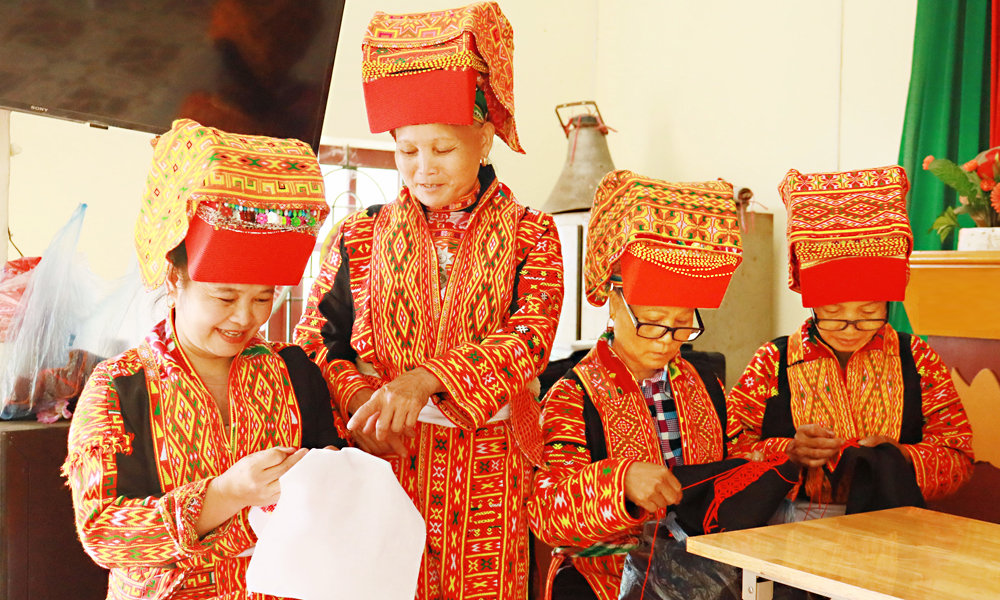
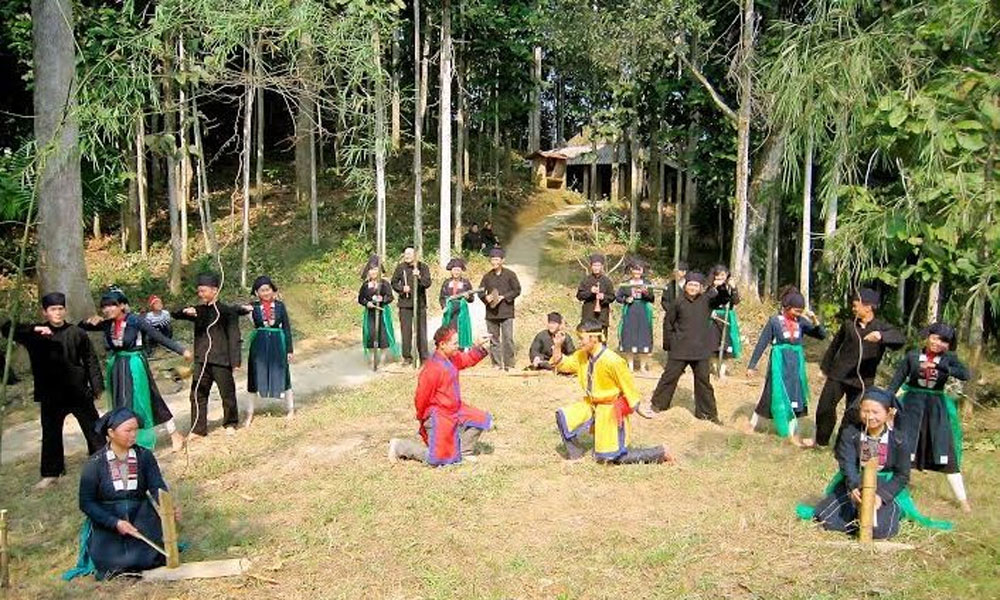
Standouts include northwestern staples such as thang co horse meat stew, multicoloured sticky rice, corn wine, and grilled dishes, plus the “Colours of the Highland Market” exhibition, live brocade weaving, basketry demonstrations, and traditional games like bamboo dancing, con throwing, stilt walking, and shuttlecock kicking.
Adding new flavour are Kho Mu and Mong groups from Huoi Mot commune in the northern province of Son La, who will perform Mong “khen” leaf instrument music, folk songs, and dances.
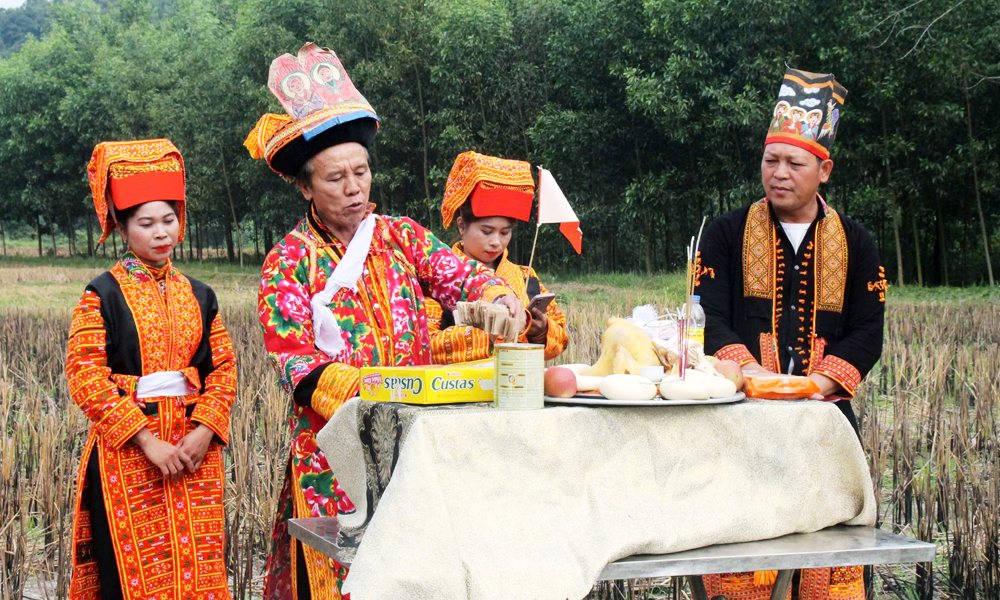
On January 3, the Kho Mu will reenact their harvest prayer ritual, a key spiritual ceremony expressing gratitude to the heaven and prayers for prosperity.
Early-year activities will also feature cooking demonstrations of five-colour sticky rice (xoi ngu sac), a symbolic New Year dish whose natural hues represent the five elements and cosmic harmony, with visitors invited to help prepare and taste it.
In the northern ethnic village zone, Tay and Nung artists will play the “tinh” lute and perform “then” singing, while Mong groups present khen dances and Muong ensembles strike gongs. Visitors can join folk games, including nem pao throwing and stilt walking competitions, and sample smoked buffalo and pork.
The Central Highlands area will host gong and lithophone ensembles, T’rung bamboo xylophone performances, and displays of weaving and basketry.
Music-and-dance shows titled “Joy of the New Year” and “Highland New Year Festivities” are scheduled, alongside a full reenactment of a traditional Central Highlands wedding, complete with betrothal rites and ceremonial gifts of bronze bracelets, straw liquor, and livestock.










Reader's comments (0)