 Bắc Ninh

Vietnam-EU relations entering new phase of challenges, promising prospects
Vietnam-EU trade has nearly tripled within a decade, reaching 67 billion EUR in 2024, despite a turbulent geopolitical environment. Vietnam is now the EU’s largest trading partner in ASEAN, while the EU remains a benchmark market with the highest but most stable standards for Vietnamese exports.
Looking back on 35 years of Vietnam-European Union (EU) relations, one can observe a profound shift in both the scale and quality of engagement between the two sides. The relationship is entering a new phase, marked by challenges and promising prospects for deeper collaboration.
 |
|
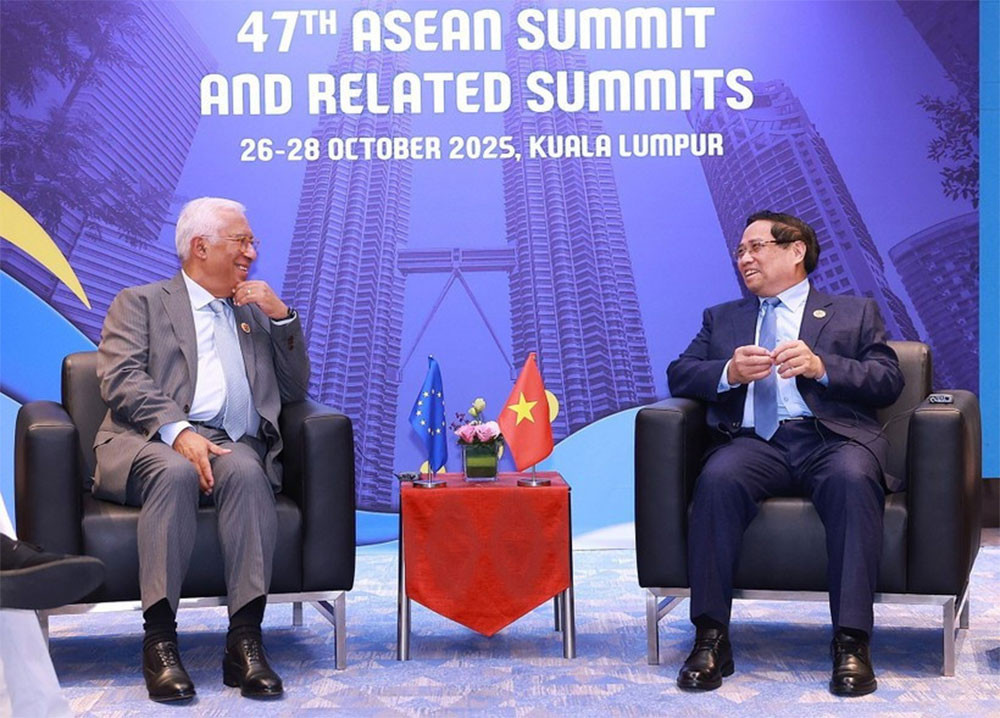
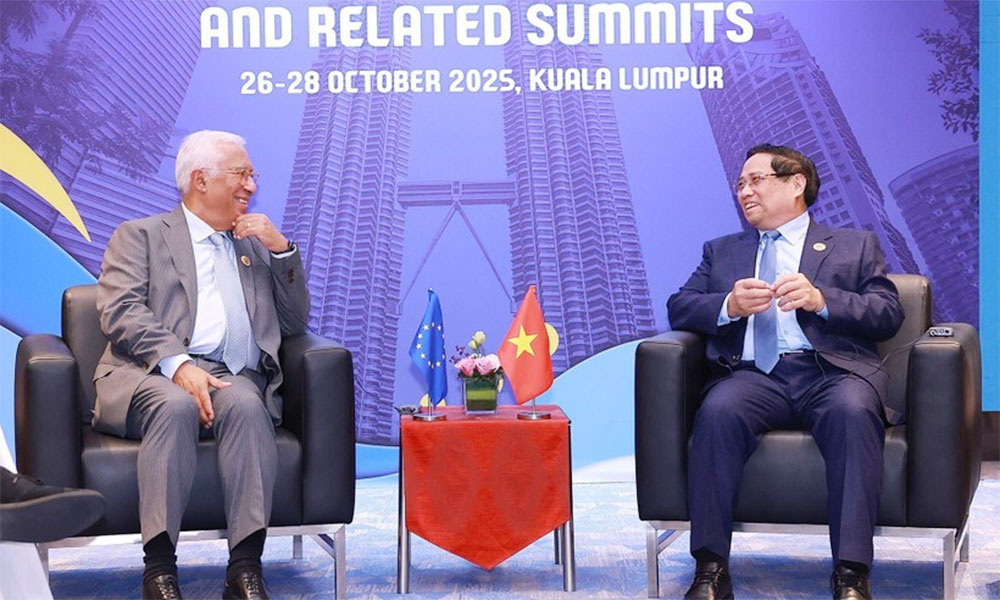
Prime Minister Pham Minh Chinh (R) meets President of the European Council Antonio Costa on the sidelines of the 47th ASEAN Summit in Malaysia. |
From a partnership initially centred on development aid and assistance in the early years of Vietnam’s Doi moi (Renewal) process, they have today become comprehensive partners across trade, investment, education, science and technology, and notably green transition.
In the early period of economic opening, the bloc was among Vietnam’s largest providers of official development assistance (ODA), supporting institutional reform, poverty reduction, infrastructure upgrades and human resource training. This laid a crucial foundation for building trust and paving the way for a long-term bilateral relationship.
Three major components have shaped the pillars of Vietnam-EU relations over the past 35 years, namely the Framework Cooperation Agreement (1995); the Partnership and Cooperation Agreement (PCA, 2012); and the EU–Vietnam Free Trade Agreement (EVFTA, 2020).
The PCA established the frameworks for dialogue on politics, the rule of law, the environment and non-traditional security, while the EVFTA marked a significant step forward, making Vietnam the first developing country in Asia to sign a new-generation FTA with the EU.
Thanks to these agreements, bilateral trade has nearly tripled within a decade, reaching 67 billion EUR in 2024, despite a turbulent geopolitical environment.
Vietnam is now the EU’s largest trading partner in ASEAN, while the EU remains a benchmark market with the highest but most stable standards for Vietnamese exports.
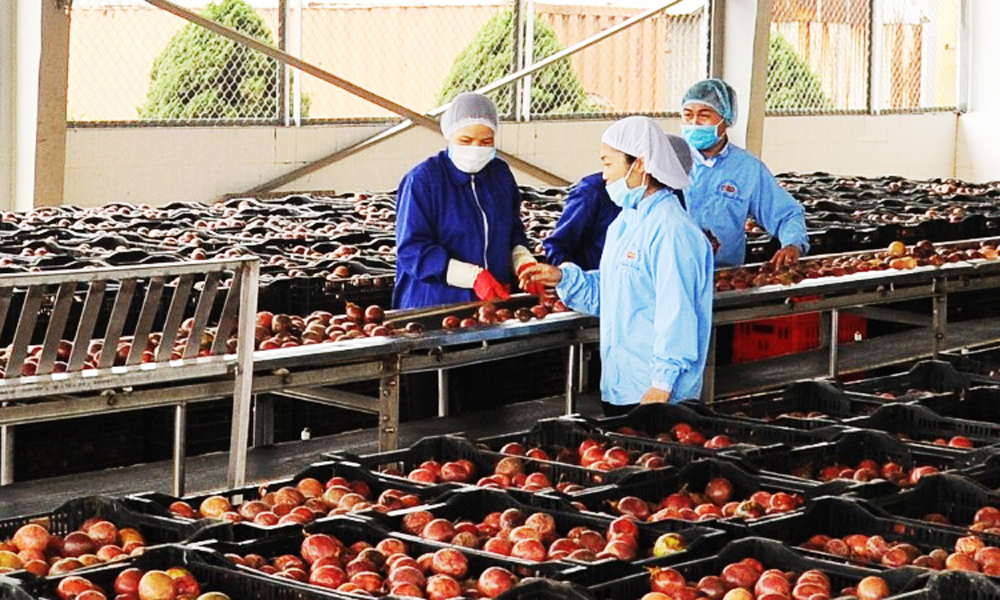
Trade continues to serve as the strongest driver of bilateral ties. The EVFTA eliminated more than 70% of tariff lines upon entry into force, giving Vietnam significant advantages in textiles, footwear, electronics and agro-fishery products.
In return, EU businesses gained wider market access in processed industries, pharmaceuticals and financial services.
Beyond economy, education and people-to-people exchanges form a softer but enduring pillar of the relationship.
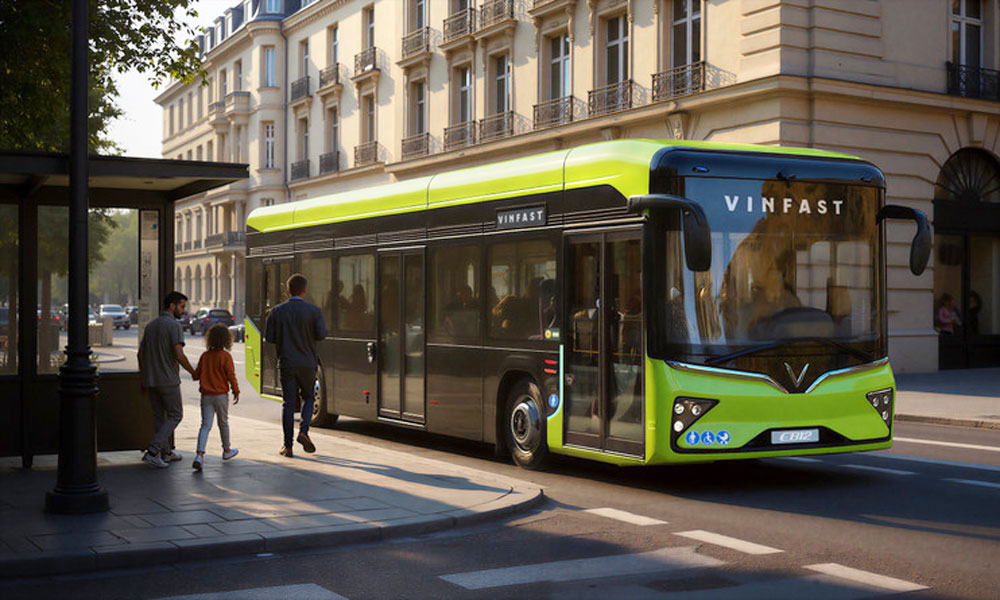
Green transition is emerging as a new engine of cooperation. As the EU positions itself as a global hub for low-carbon transition and Vietnam faces severe impacts of climate change, the two sides share strongly complementary interests.
Through green cooperation programmes and the 15.5-billion-USD Just Energy Transition Partnership (JETP), the bloc supports the country in offshore wind development, grid-infrastructure upgrades, the circular economy, green finance and the adoption of environmental, social and governance (ESG) standards.
The future of Vietnam-EU trade will hinge on Vietnamese businesses’ ability to meet new EU regulations such as the Carbon Border Adjustment Mechanism (CBAM), the EU Deforestation Regulation (EUDR) and the EU Taxonomy. These pose challenges but also open opportunities for Vietnam to upgrade its national value chains.
Science, technology and innovation also become new pillars. The EU’s Horizon Europe research and innovation programme, Erasmus+ education-training-youth-sports programme, and university-industry partnerships are creating new avenues for cooperation in artificial intelligence, cybersecurity, smart agriculture, energy technologies and data governance.
For Vietnam, these areas offer vital opportunities to step into advanced technological fields where the bloc holds strong capabilities.
Despite notable achievements, the relations still face hurdles. Vietnam’s consistent trade surplus with the EU generates pressure at a time when Europe is emphasising fair trade and higher supply-chain standards.
Meanwhile, EU investment in Vietnam remains below potential. Regulatory complexity, differing standards, and constraints relating to infrastructure, the business climate and innovation capacity have all limited a stronger surge in EU capital flows.
New EU green standards such as CBAM, EUDR and the EU Taxonomy are significant barriers for Vietnamese firms, but they also act as catalysts for the nation’s broader shift towards a greener, higher-tech economy.
Experts forecast three major trends likely to shape Vietnam-EU relations in the coming decade. First, green cooperation will become a strategic pillar, focusing on renewable energy, emissions reduction, the circular economy and environmental technologies.
Second, technology and innovation will form a dominant sphere of collaboration – an area with high demand in Vietnam, strong advantages for the EU, and relatively limited exposure to geopolitical fluctuations.
Finally, the EVFTA and the EU–Vietnam Investment Protection Agreement (EVIPA) will remain the backbone of economic ties. Once fully ratified, the EVIPA is expected to unlock a new wave of high-quality European FDI into Vietnam.

Reader's comments (0)