 Bắc Ninh


Vietnam’s export sector urged to shift from low-cost production to value creation
The Ministry of Industry and Trade is developing the “International Market Expansion Programme 2026–2035” to help businesses grow sustainably, maximise the benefits of new-generation FTAs, strengthen green standards and promote digital trade.
Despite impressive growth, Vietnam’s export sector continues to grapple with low added value, an imbalanced market structure and limited utilisation of free trade agreements (FTAs).
 |
|
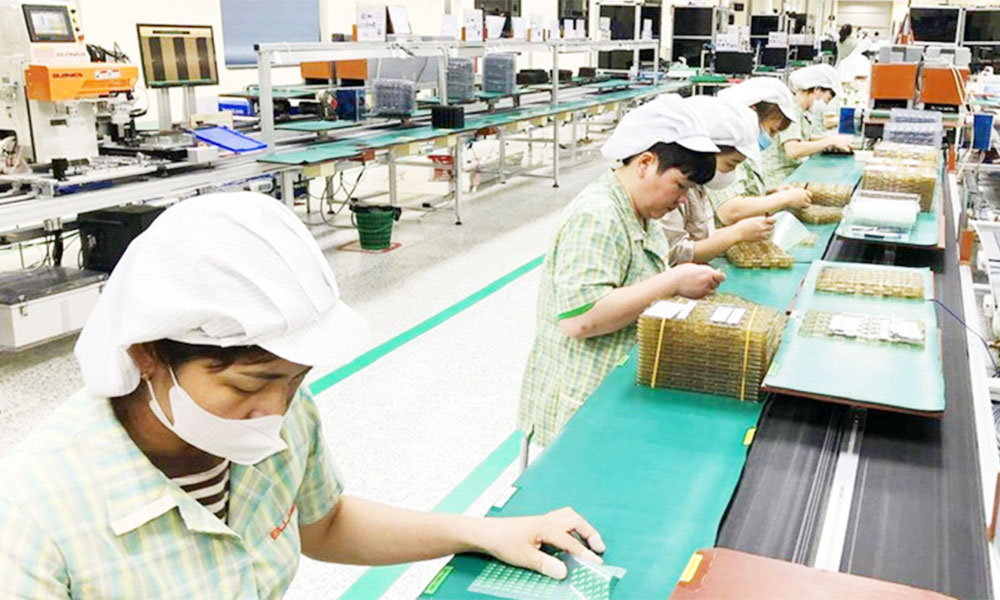
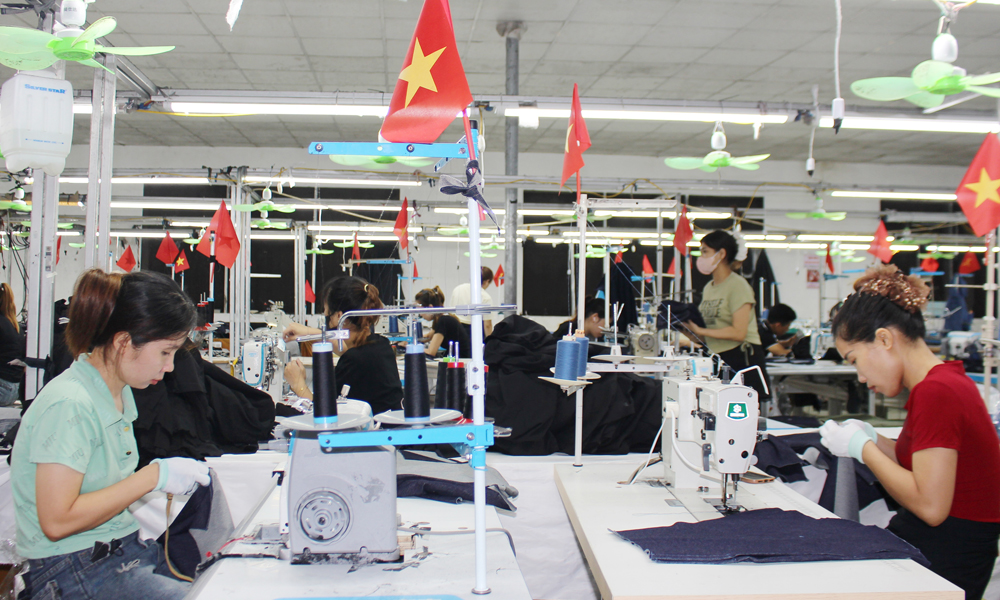
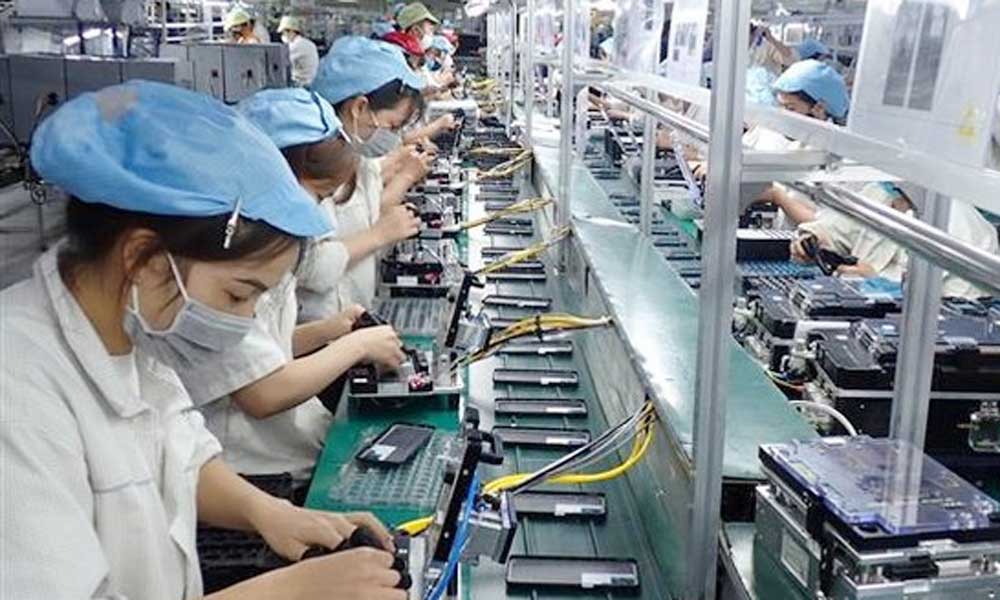
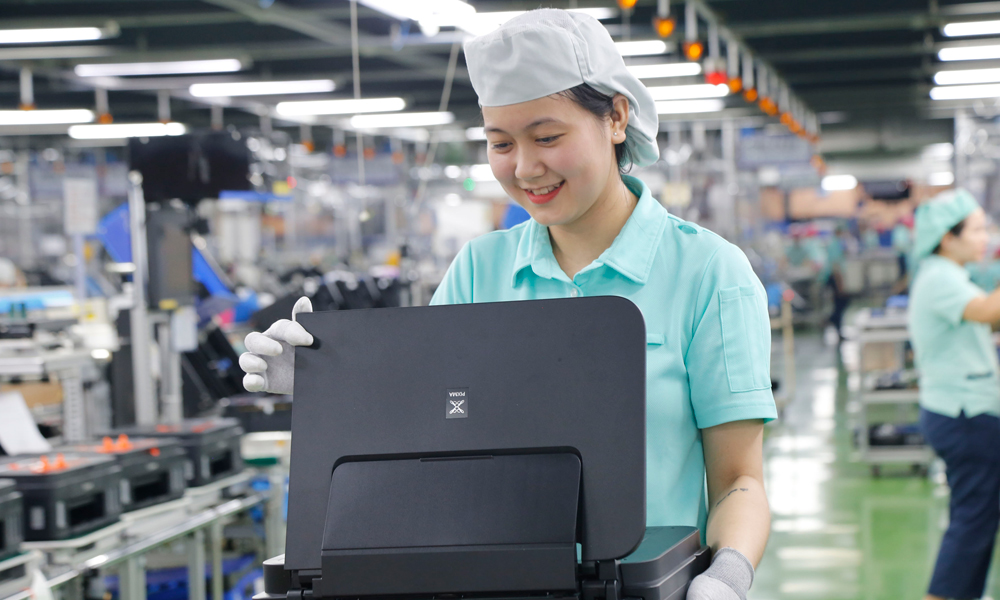
Garment workers in Nam Dinh province. |
Experts say the current “turning-point phase” requires a decisive shift from low-cost production to value creation, supply-chain innovation and building strong national brands.
According to the Ministry of Industry and Trade (MoIT), Vietnam’s total trade value reached 800 billion USD by mid-November 2025. With current momentum, international trade is expected to set a new record of over 900 billion USD this year, reaffirming exports as a key growth driver.
However, significant challenges persist.
Dr Vo Tri Thanh, Director of the Institute for Brand and Competitiveness Strategy, noted that although trade volume has grown rapidly, domestic value added remains low and the bulk of profit in export chains continues to accrue to foreign-invested enterprises. This reflects limited participation by domestic firms in high-value stages such as design, technology, logistics and distribution.
Linkages between foreign-invested enterprises and local enterprises also remain weak, resulting in modest spillovers in technology and management. Market concentration is another concern, with the US and China accounting for up to nearly 45% of Vietnam’s total export revenue. Such dependence heightens vulnerability to policy shifts or changes in consumer preferences in these major markets.
Vietnam has signed more than 17 FTAs, yet the rate of preferential certificate of origin (C/O) utilisation remains relatively low at around 32–33%, according to the Ministry.
Barriers include limited access to market information, fragmented production capacity, outdated technology and high compliance costs, especially for small and medium-sized enterprises.
Challenges are becoming more complex as the global economy accelerates its green and digital transformation. Major markets such as the EU, US and Japan are tightening requirements on environment, labour and traceability, placing considerable pressure on Vietnamese exporters.
Vu Ba Phu, Director of the Trade Promotion Agency, said global trade is undergoing major shifts, including supply-chain restructuring, rising technical barriers, low-carbon logistics and the rapid expansion of cross-border e-commerce. These dynamics present both pressure and opportunity for Vietnamese firms seeking deeper entry into high-value markets.
In reality, many local firms continue to struggle with rules of origin, quality testing and supply-chain transparency. Some have even had to decline export orders because they could not meet importers’ technical requirements.
To create a new momentum for exports, experts highlight the need for stronger policy support and enhanced business capability.
Deputy Director of the Import-Export Department under the MoIT Tran Thanh Hai stressed the importance of raising quality standards and building brands to sustain traditional markets and access new ones.
Meanwhile, Thanh added that global development is shifting toward a model built on sustainability, inclusiveness and innovation. Vietnam, therefore, must move beyond low-cost production and toward value creation and national branding.
Phu informed that the MoIT is developing the “International Market Expansion Programme 2026–2035” to help businesses grow sustainably, maximise the benefits of new-generation FTAs, strengthen green standards and promote digital trade.
If implemented effectively, these measures are expected to provide a solid foundation for Vietnamese goods to elevate their global position and advance into higher-value market segments in the coming decade.



















Reader's comments (0)