 Bắc Ninh


Energy efficiency programmes set to drive green growth
For businesses, every unit of energy saved helps lower production costs and improve operational efficiency. At the economy-wide level, efficient energy use reduces pressure on the supply system and the need for new investment.
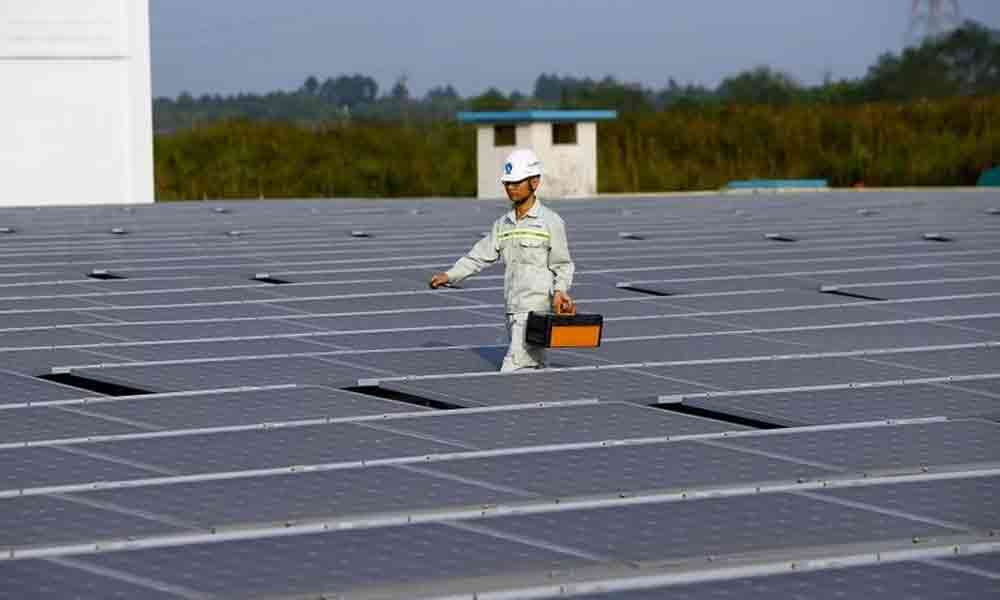
Energy efficiency is increasingly recognised not only as a means of reducing costs but also as a vital driver of competitiveness and green growth.
 |
|
Energy efficiency is increasingly recognised not only as a means of reducing costs but also as a vital driver of competitiveness and green growth. |
This shift calls on Vietnam to move beyond simply encouraging energy conservation toward adopting modern energy management practices, fostering technological innovation, advancing digital transformation, and investing in high-impact efficiency projects.
Significant untapped potential for energy saving
Speaking at the 2026 Conference on Energy Efficiency and Conservation held by the Ministry of Industry and Trade’s Department of Innovation, Green Transformation and Industrial Promotion on August 14, its Deputy Director Dang Hai Dung stressed that efficient energy use is crucial to ensuring energy security, improving competitiveness, reducing greenhouse gas emissions and promoting sustainable development.
For businesses, every unit of energy saved helps lower production costs and improve operational efficiency. At the economy-wide level, efficient energy use reduces pressure on the supply system and the need for new investment.
The National Energy Efficiency Programme for 2019-2030 (VNEEP3), approved by the Prime Minister in Decision No. 280/QD-TTg on March 13, 2019, targets savings of 8-10% of total national energy consumption over the period.
The programme has helped raise awareness, strengthen management capacity, and promote energy-saving solutions. However, progress remains uneven among sectors, localities, and businesses.
Huge potential remains in industry, while many enterprises face difficulties related to capital, technology, and investment payback periods.
From energy saving to modern management
A major shift is taking place in 2026 with the enforcement of Law No. 77/2025/QH15 and the Government's Decree No. 30/2026/ND-CP.
Together with the Prime Minister's Directive No. 09/CT-TTg, the new legal framework increases responsibilities for management agencies, local authorities, and energy-consuming establishments.
According to Dung, energy-saving solutions should be implemented in a coordinated, practical, and measurable manner, with greater emphasis on energy audits, energy management systems, technological innovation, and mobilisation of social resources.
Access to finance remains a major challenge. Many potentially viable energy-efficiency projects have yet to be implemented because of high upfront costs or limited access to credit.
The proposed establishment of an energy efficiency promotion fund is expected to provide an additional tool to support projects facing financial and technological constraints.
The mechanism should feature transparent governance and involve banks, financial institutions, and investment funds.
Nguyen Thanh Quang, Deputy Director of the Da Nang Department of Industry and Trade, said the issue is no longer how much energy can be saved, but how energy efficiency can become a component of competitiveness, labour productivity, and growth quality.
According to him, this requires moving from awareness campaigns to modern energy management, from isolated measures to coordinated investment programmes, and from behavioural changes to technological innovation. Energy optimisation should also expand from individual facilities to sectors, cities and the wider economy.
Experts said digital transformation is opening new opportunities for energy efficiency. The Internet of Things (IoT), artificial intelligence, smart energy management systems and real-time data analytics can help businesses monitor consumption, detect anomalies, forecast demand and optimise operations.
Quang noted that such tools would become increasingly important, but technology adoption must respond to actual needs, match business scale and ensure investment efficiency rather than follow trends.


















Reader's comments (0)