 Bắc Ninh


Huge victory in the cause of protecting national independence
Seventy years ago, after eight plenary sessions, 23 retreat sessions and a series of bilateral and multilateral contacts, the Geneva Agreement on the cessation of hostilities in Indochina was signed, with three separate agreements on the cessation of hostilities in Vietnam, Laos, and Cambodia. The participating parties agreed to issue the final declaration of the Geneva Conference on July 21, 1954.
The three agreements on the cessation of hostilities in Vietnam, Laos, and Cambodia and the final declaration on the conference are Vietnam’s first multilateral international legal documents.
|
|
|
A view of the 1954 Geneva Conference. |
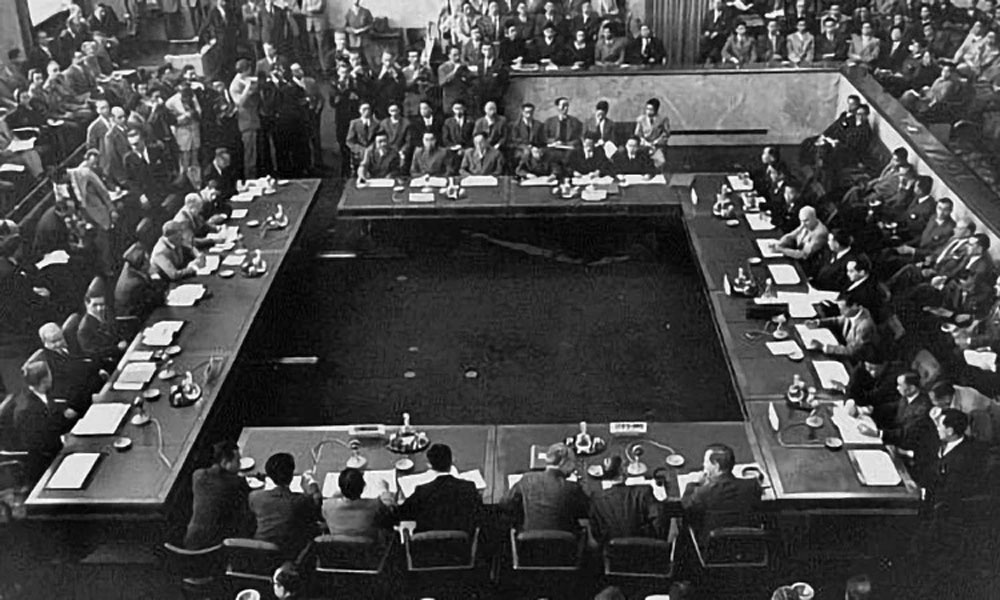
With the Geneva Agreement on cessation of hostilities in the country, Vietnam’s basic rights of independence, sovereignty, unity, and territorial integrity were officially affirmed in an international treaty for the first time in the nation’s history, recognised by the countries participating in the Geneva Conference.
Accordingly, the French government and countries participating in the Geneva Conference must commit to respect the independence, sovereignty, and territorial integrity of Vietnam, and absolutely not interfere in Vietnam’s internal affairs, while the French army had to withdraw from Vietnam. Northern Vietnam was completely liberated, entering the process of building socialism, becoming a large and solid support for the people in the South to continue in the struggle for national liberation and unification.
Along with the Dien Bien Phu Victory, the signing of the Geneva Accords successfully ended the resistance war against French colonialism, as well as completely ending the domination of the old colonialism that lasted nearly 100 years in Vietnam. The Agreement is an important milestone, a great victory in the struggle for national liberation of the Vietnamese people, opening a new phase for the Vietnamese revolution to complete the cause of national liberation and unification.
The agreement is also a common victory for the three Indochina countries. This is also a historical event that created great resonance and brought strong encouragement to the national liberation movement of colonial and dependent countries. Between 1954 and 1964, 17 of France’s 22 colonies gained independence. In 1960 alone, 17 countries in the African region declared independence.
Seven decades have passed since the Geneva Agreement was signed, but the valuable lessons from the process of negotiating, signing, and implementing the agreement are still valid in the current context. First of all is the lesson about putting national interests first, considering this as both a goal and the highest principle in foreign affairs.
These are also lessons about independence and autonomy in diplomacy and international negotiations; the combination of national strength with the strength of the times in new conditions to create synergy for rapid and sustainable national development; and the synergising of military, political, and diplomatic sectors to create synergy for the final victory.
They are also lessons about step-by-step victories to reach complete victory amid differences in force correlation, the combination of the diplomatic struggle with the public opinion struggle, and the enlistment of the support of the world’s people and peace-loving and justice-loving communities in the cause of building and protecting the Fatherland. Above all, the overarching lesson is the Party’s unified and absolute leadership over the revolutionary cause of the people and the diplomatic sector.
The valuable lessons from the Geneva Agreements have been flexibly and creatively applied in the negotiation and signing of the Paris Agreement on ending the war and restoring peace in Vietnam in 1973, as well as in implementing diplomacy work today. Implementing the Party’s innovative policy on foreign affairs, Vietnam has reaped many proud achievements in foreign affairs and diplomacy.
To date, Vietnam has established diplomatic relations with 193 United Nations member countries, has strategic partnerships and comprehensive strategic partnerships with five countries that are permanent members of the United Nations Security Council, and has a network of strategic partnerships and comprehensive partnerships with 30 countries.
Vietnam is also an active and responsible member of more than 70 major regional and international organisations and forums and has built an open economic connection network with about 60 economies around the world. Vietnam’s position and prestige in the region and the world are increasingly enhanced, contributing to maintaining peace, development, cooperation, and progress in the world.
With the Geneva Agreement, Vietnamese diplomacy has affirmed the mentality, bravery, and strength of a nation with a strong will to protect its independence, imbued with the quintessence of national culture and Ho Chi Minh’s ideology and diplomatic art. The process of negotiating, signing and implementing the Geneva Agreement is a handbook containing valuable and timeless lessons for future generations to inherit, creatively apply in and promote the cause of national protection, building, and development.




Source: NDO












Reader's comments (0)