 Bắc Ninh


Paving the way for SMEs to join core value chains
Moving beyond low-value processing and assembly will require a shift from attracting FDI through isolated projects towards developing industrial clusters, strengthening corporate governance, digitalising operations through enterprise resource planning (ERP) systems and investing more deeply in precision components to help domestic SMEs enter core value chains.
Amid the restructuring of global supply chains, Vietnam has a major opportunity to strengthen its industrial position, but moving beyond low-value processing and assembly will require a shift from attracting FDI through isolated projects towards developing industrial clusters, strengthening corporate governance, digitalising operations through enterprise resource planning (ERP) systems and investing more deeply in precision components to help domestic SMEs enter core value chains.
 |
|
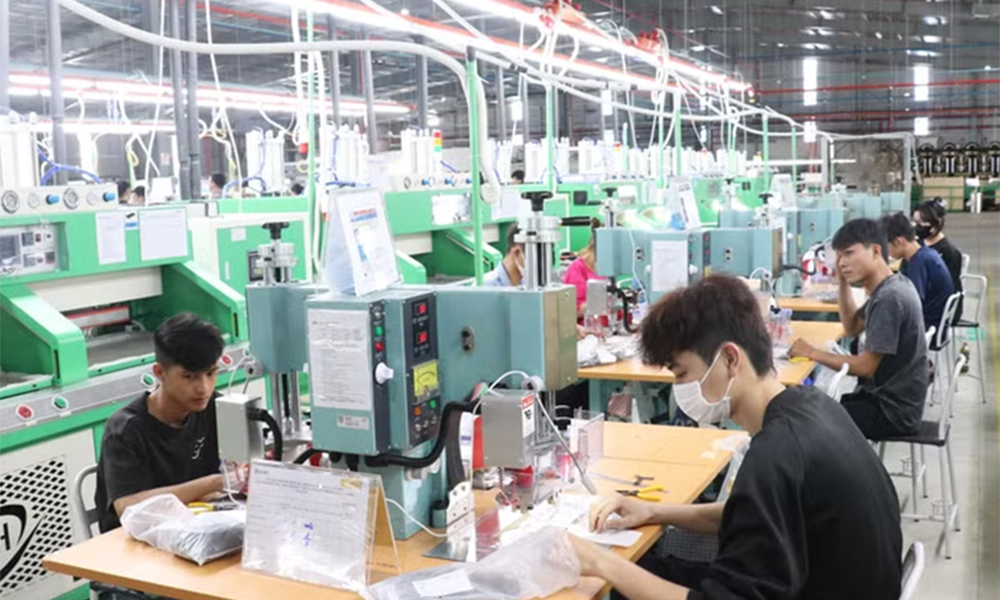
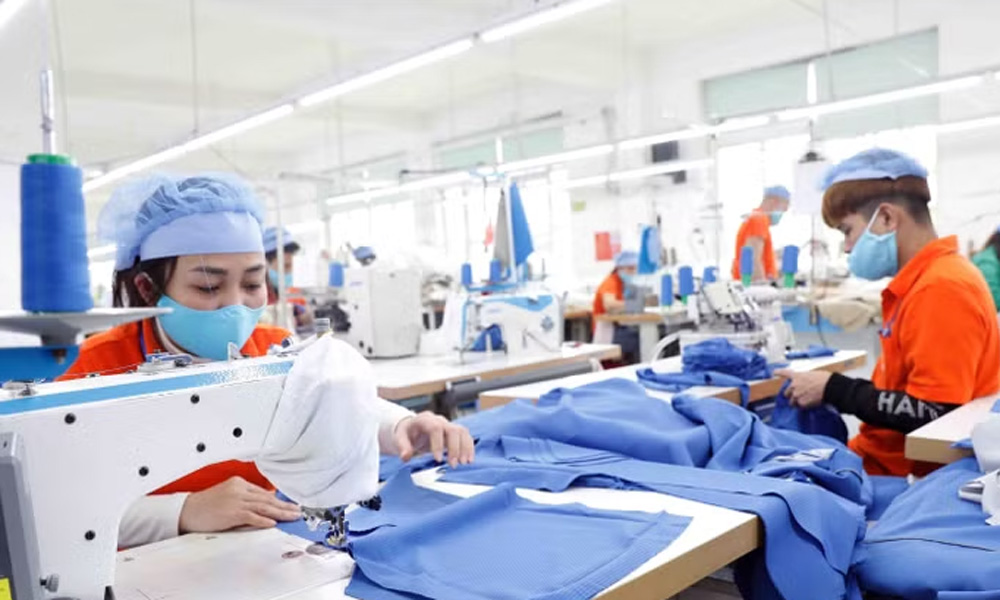
Currently, the participation of Vietnamese enterprises in the electronics and mechanical manufacturing supply chains remains largely concentrated in basic, low-complexity stages. (Photo: VNA) |
Breaking out of isolation through industrial clusters
For years, the FDI sector has accounted for a large share of Vietnam’s export turnover, but its spillover effects on domestic businesses have fallen short of expectations.
One of the root causes is an approach to investment attraction that has been too fragmented, with disconnected projects lacking spatial and sectoral linkages.
As a result, multinational corporations often bring their own networks of satellite suppliers, leaving domestic firms facing significant barriers to becoming Tier 1 or Tier 2 suppliers.
To address this situation, industrial clusters are increasingly seen as a structural solution.
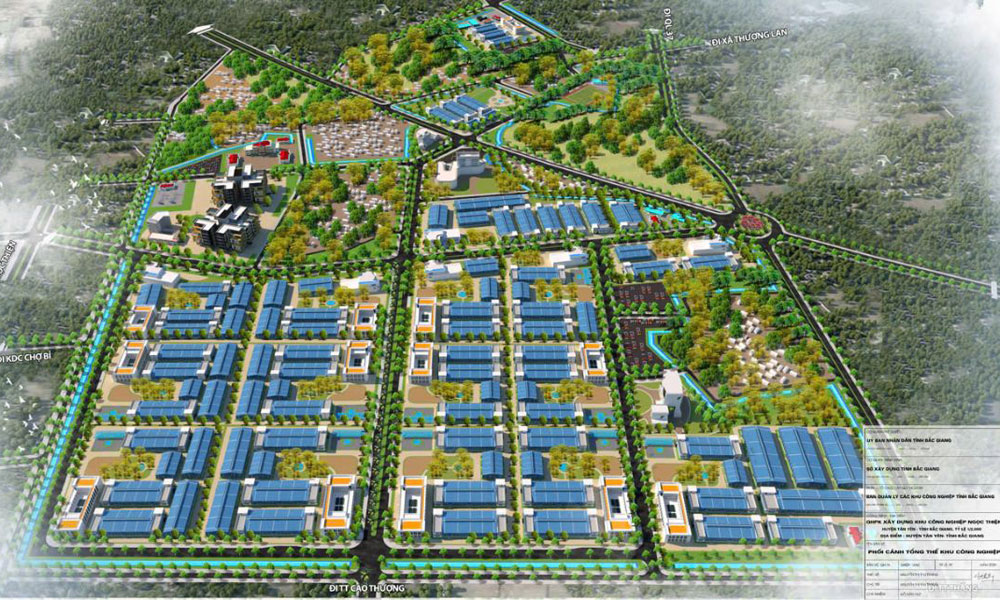
Rather than approving isolated investment projects, localities need to plan production zones around integrated value chains, bringing anchor enterprises into close proximity with supporting-industry firms, logistics providers and testing and certification centres.
Such geographical concentration can significantly reduce transport and warehousing costs for SMEs and shorten delivery times. It also creates opportunities for engineers from different companies to interact regularly, accelerating technology transfer.
More importantly, industrial clusters enable small businesses to share infrastructure, including environmental treatment facilities and internationally accredited laboratories for measurement and quality testing, which they would struggle to finance individually.
Commenting on the role of these interconnected production zones, Phan Dang Tuat, Chairman of the Vietnam Association for Supporting Industries (VASI), said Vietnamese businesses are generally small in scale and will find it difficult to meet the requirements of multinational corporations for large volume and consistency if they operated separately.
Well-planned industrial clusters led by anchor enterprises are therefore fundamental to helping domestic firms reduce transaction costs and gradually integrate into global manufacturing ecosystems rather than remain on the sidelines, he said.
Improving governance, digitalising operations through ERP
However, while industrial clusters provide the physical infrastructure for connections, the ability to secure and retain orders depends largely on the internal capabilities of individual factories.
 |
|
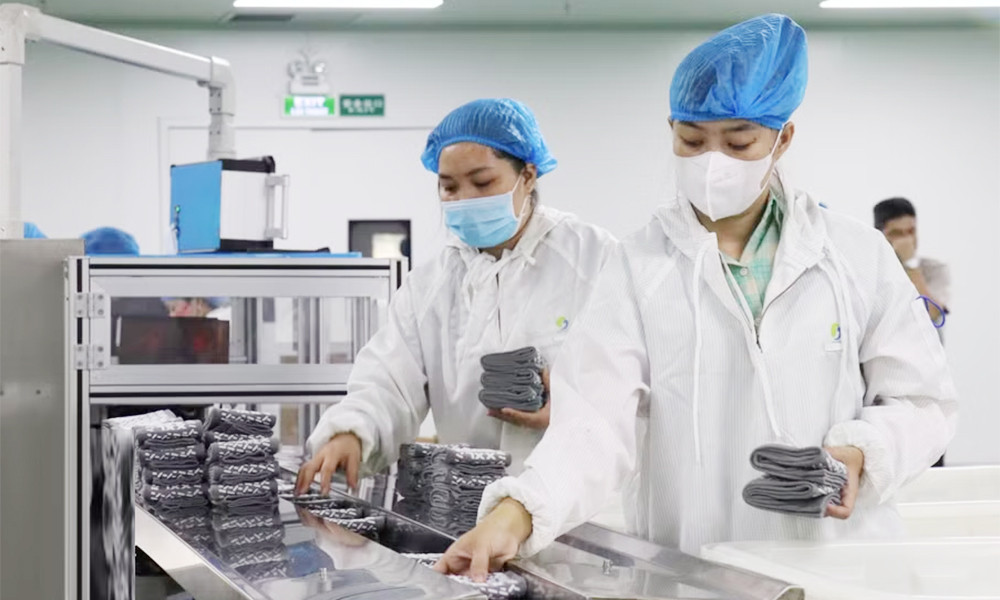
To enter core value chains, the business community must make in-depth investments. (Photo: VNA) |
Assessments by global manufacturers show that they examine not only product samples but also the management systems behind production lines.
Most Vietnamese SMEs still rely heavily on individual experience and manage fragmented data through manual tools.
This can lead to inconsistent product quality and make it difficult to trace the source of technical defects immediately when they arise.
For this reason, adopting ERP systems is no longer an issue exclusively for large corporations but has become a prerequisite for businesses in the supporting industries.
By digitalising the entire process, from raw material intake to finished product dispatch, companies can closely monitor material consumption, defect rates and the progress of each production stage in real time.
Transparent data also makes it easier for factories to integrate and comply with stringent standards such as ISO and IATF in the automotive industry, as well as carbon emissions traceability requirements under environmental, social and governance (ESG) criteria set by partners in Europe, the US and Japan.
Meanwhile, accurate digital inventory management can directly improve cash flow, reduce working capital tied up in stock and enhance capital efficiency.
Analysing the pressure to transform, Nguyen Van, Vice Chairman of the Hanoi Supporting Industries Business Association (HANSIBA), stressed that FDI partners now impose very high requirements on data transparency and smart production management.
Without proactively investing in digital transformation and standardising their operational processes in line with international practices, Vietnamese supporting-industry firms will find it difficult to pass supplier assessments by major supply chains, even if they have advantages in geographical location or labour costs, he said.









Reader's comments (0)