 Bắc Ninh


PM urges substantive education reform in 2026–2027 school year
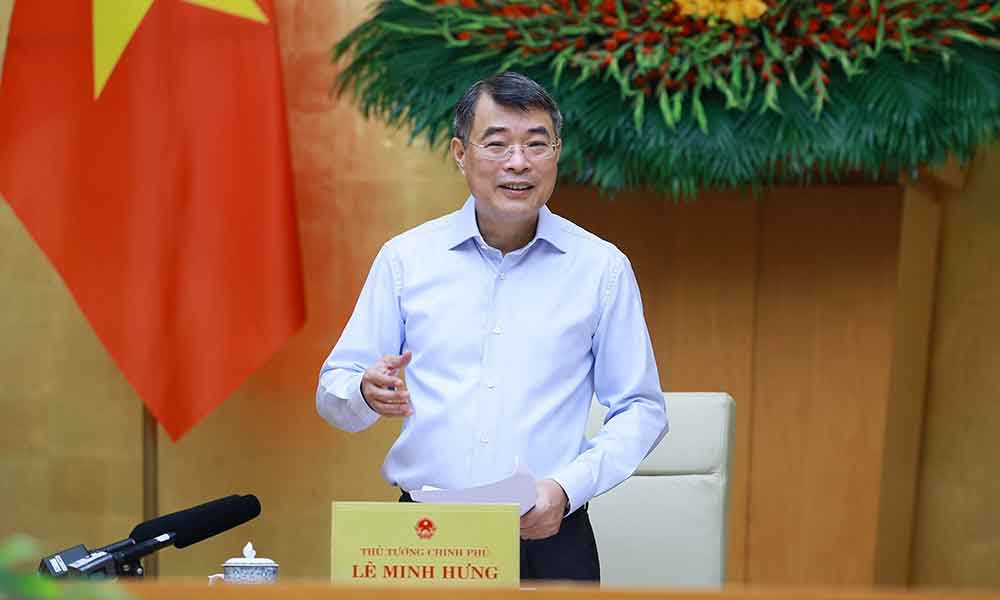
PM Le Minh Hung called on the education sector to continue making strong changes in management mindset and teaching methods, putting learners at the centre, and viewing schools as the foundation, teachers as the driving force, families as a source of support and society as a resource accompanying education development.
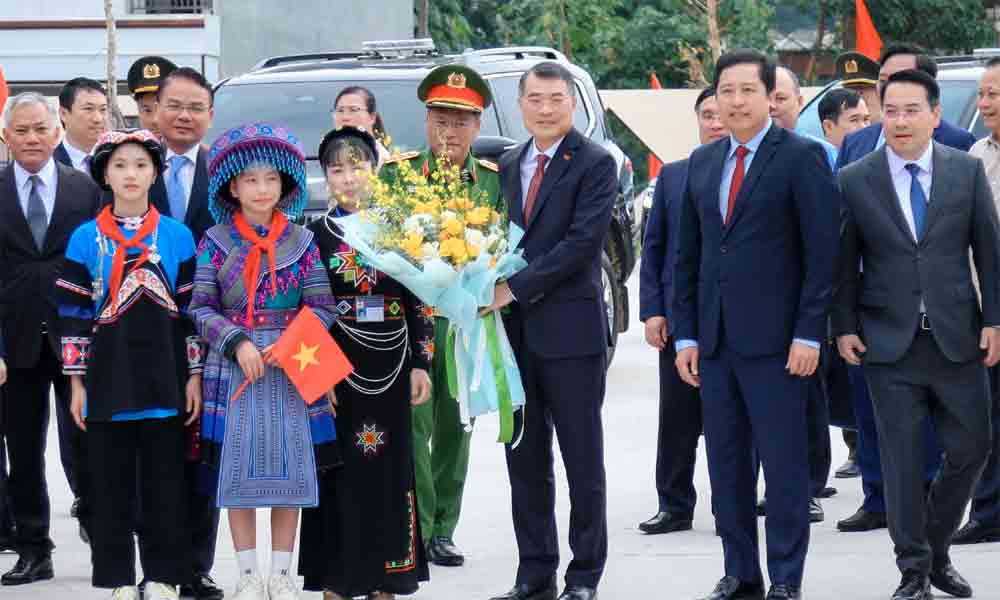
The 2026–2027 academic year must generate substantive reform from within every school and classroom, involving every teacher, student and the entire education sector, Prime Minister Le Minh Hung said on September 5 at the opening ceremony for the new school year at the Muong Khuong Inter-level Boarding School in Muong Khuong commune, the northern mountainous province of Lao Cai.
 |
|
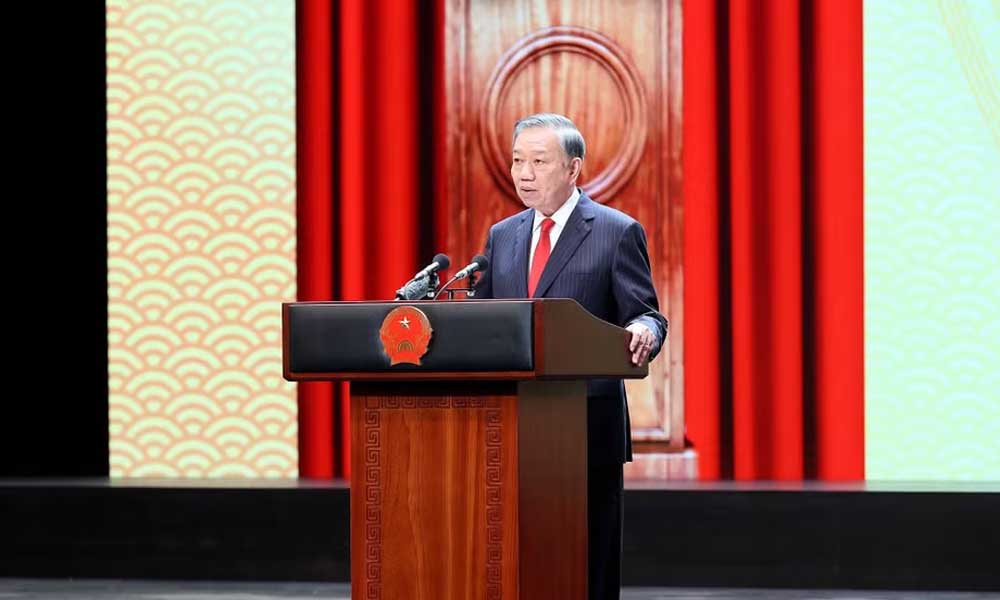
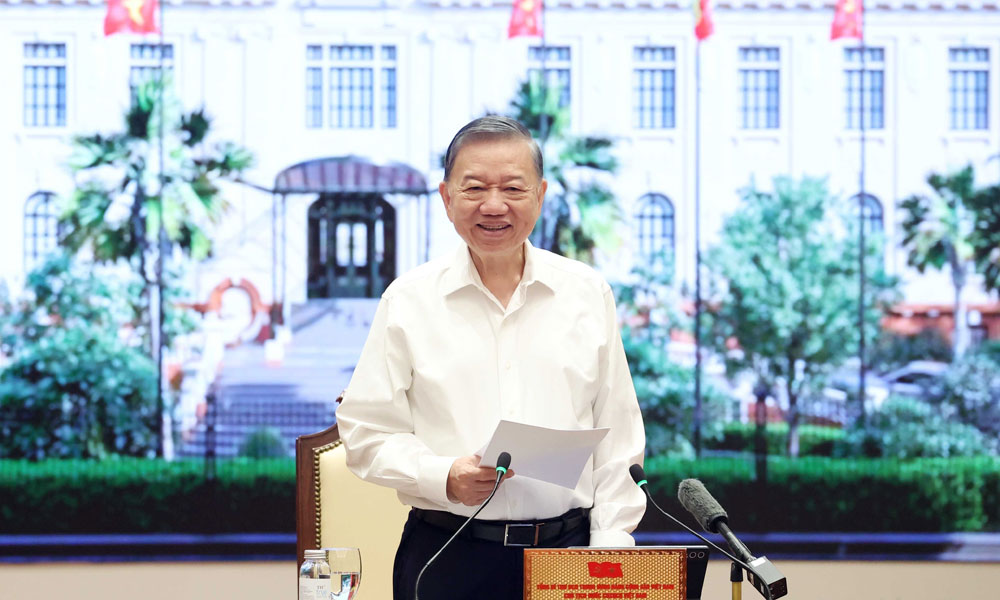
Prime Minister Le Minh Hung join students and teachers of the Muong Khuong Inter-level Primary and Secondary Boarding School, Lao Cai province, in the opening ceremony of the 2026–2027 academic year on September 5. |
The event in Muong Khuong took place at the same time with the ceremonies held in all 34 provinces and cities nationwide, which also marked the inauguration of inter-level boarding schools in mainland border communes.
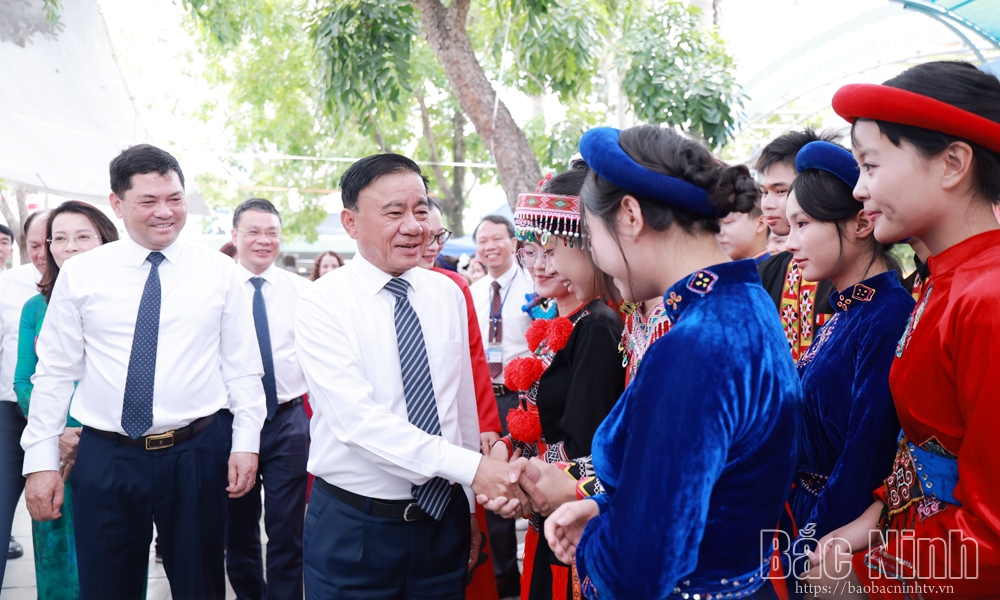
President of the National Assembly Tran Thanh Man attended the ceremony at Le Quy Don High School in Hung Yen province. Meanwhile, Standing Member of the Party Central Committee's Secretariat Tran Cam Tu was present at the event of the Boarding School for Ethnic Minority Students in Bac Ninh province.
In his speech, PM Hung called on the education sector to continue making strong changes in management mindset and teaching methods, putting learners at the centre, and viewing schools as the foundation, teachers as the driving force, families as a source of support and society as a resource accompanying education development.
Schools must become friendly, safe, healthy and humane environments where students are respected, encouraged to be creative and supported in pursuing their aspirations, the PM said.
He urged the sector to resolutely tackle the mere pursuit of achievements, reduce unnecessary pressure, identify, nurture and fully promote each student's potential, and pay particular attention to those with disabilities and disadvantaged circumstances.
As nearly 27 million students nationwide begin the new academic year, the simultaneous inauguration of inter-level boarding schools in mainland border communes is particularly significant, he went on, noting that modern facilities will provide better learning and living conditions for students in remote border areas.
Recalling President Ho Chi Minh's teaching that “An ignorant nation is a weak nation” and that “For the benefit of ten years, plant trees. For the benefit of a hundred years, cultivate people,” the PM stressed that a strong country requires talented people while talented people require quality education.
Education should equip students not only with knowledge, thinking capacity and the ability to work, be creative, and adapt, but also with balanced development in morality, intellect, physical fitness and aesthetics, together with an appreciation of national history and culture and a desire to contribute to society, he said.
The 2026–2027 academic year is especially important as the first school year of implementing the 14th National Party Congress's Resolution, marking a new approach to educational mindset, methods and quality, with the goal of creating breakthroughs in education and training to support fast and sustainable national development.
Describing the newly inaugurated boarding schools in mainland border communes as more than construction projects, the Government leader said they represent a foundation of trust and the future and help ensure that geographical distance or family circumstances do not prevent students from accessing education.
As the country enters a new development phase, education must stay one step ahead and become a truly key foundation and driving force, he said, calling for a decisive shift from teaching what schools have to teaching what learners and the country need; from simply transmitting knowledge to comprehensively developing qualities and capabilities; and from focusing on scores to assessing students' genuine progress.
He cited Politburo Resolution No. 71 on breakthroughs in education and training development, which stresses combining learning with practice, theory with reality and schools with society, while beginning breakthroughs with renewed mindset, awareness and institutional frameworks.
The PM also urged schools to preserve and promote the cultural identities of ethnic groups, underlining that modern education must remain rooted in national traditions, history and culture.
He called on teachers to maintain their passion, master new technologies and innovate teaching methods; parents to serve as a solid "family anchor" and work closely with schools; and students to cultivate independent thinking, distinguish right from wrong, work in teams, master technology and continuously improve themselves.
Vietnamese students should aspire to become global citizens while remaining patriotic citizens who uphold a high sense of responsibility toward their families and society, he said.
PM Hung expressed confidence that the new academic year will create a breakthrough in educational quality and open a new chapter for Vietnamese education, contributing to the building of a knowledgeable nation as well as fast and sustainable national development in the new era.
At the ceremonies nationwide, Party and State leaders and delegates simultaneously cut ribbons to inaugurate inter-level boarding schools in mainland border communes.
The projects are expected to benefit more than 600,000 students, contributing to education improvement, human resources development, sustainable poverty reduction and stronger national solidarity.
School principals across the country then beat drums to mark the start of the new academic year.
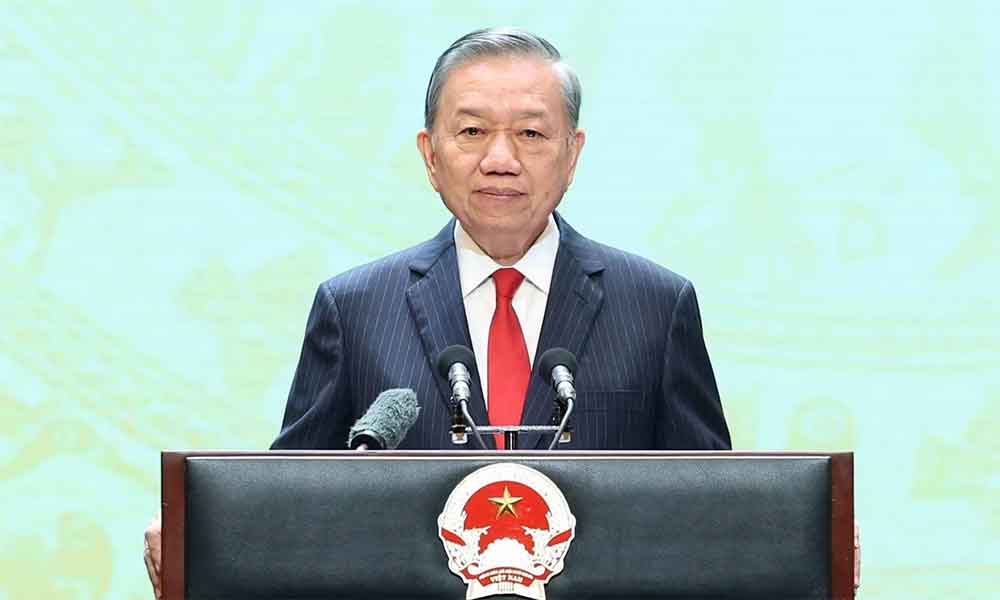
On the occasion, General Secretary of the Communist Party of Vietnam Central Committee and President To Lam sent footballs as gifts to the boarding schools.




Reader's comments (0)