 Bắc Ninh


Tax incentives encourage businesses to master technology
Tax incentives are particularly important for technology businesses, as R&D involves not only researching new technologies but also continuously improving products, enhancing features, optimising processes and increasing productivity. Such activities require sustained investment, while commercial returns often take considerable time to materialise.
The policy allowing businesses to deduct up to 200% of research and development (R&D) expenses when calculating taxable income is expected to provide additional resources for innovation, encourage investment in technology, and help enterprises develop new products and gradually strengthen their technological capabilities.
 |
|
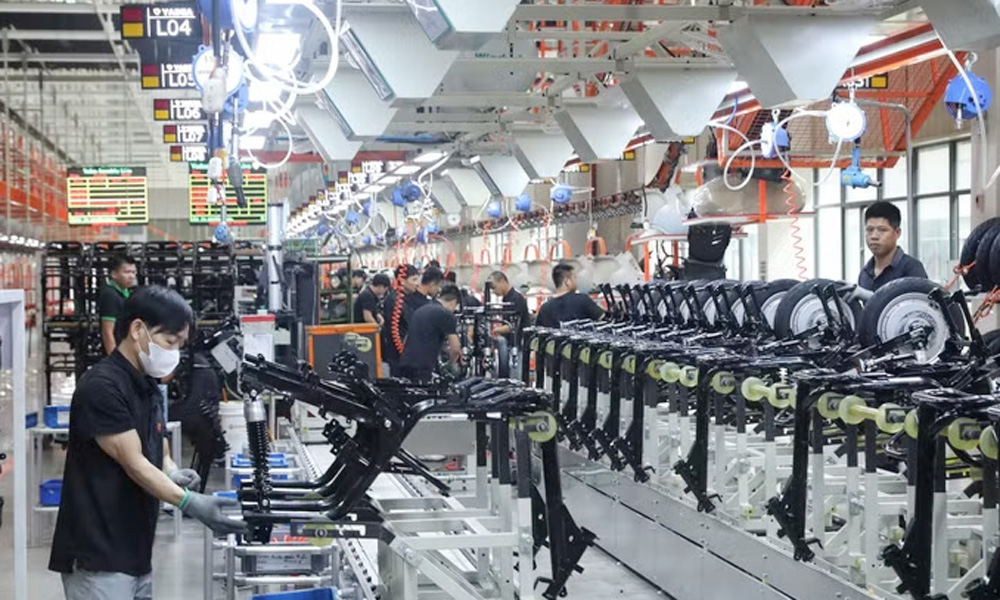
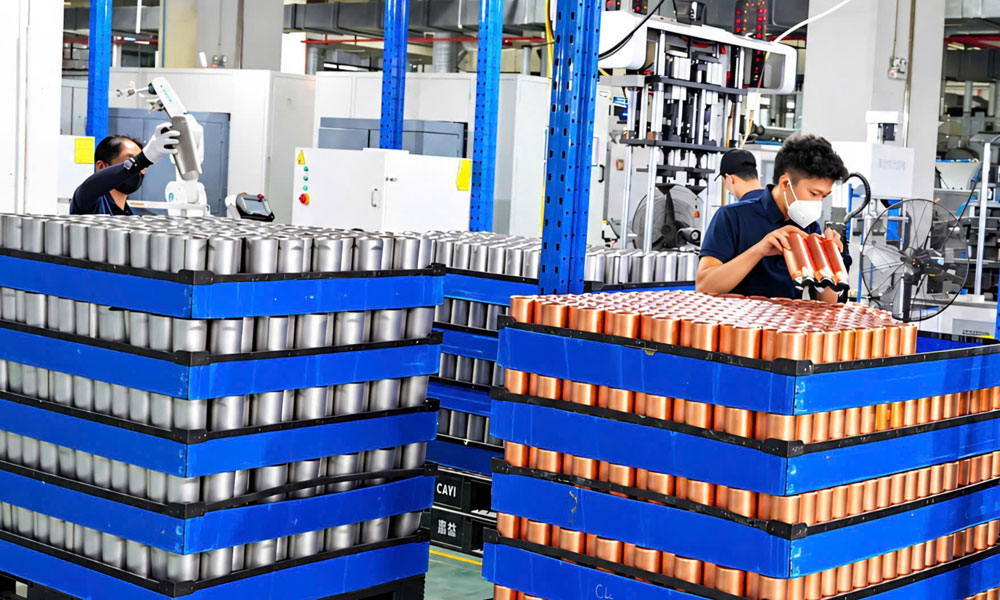
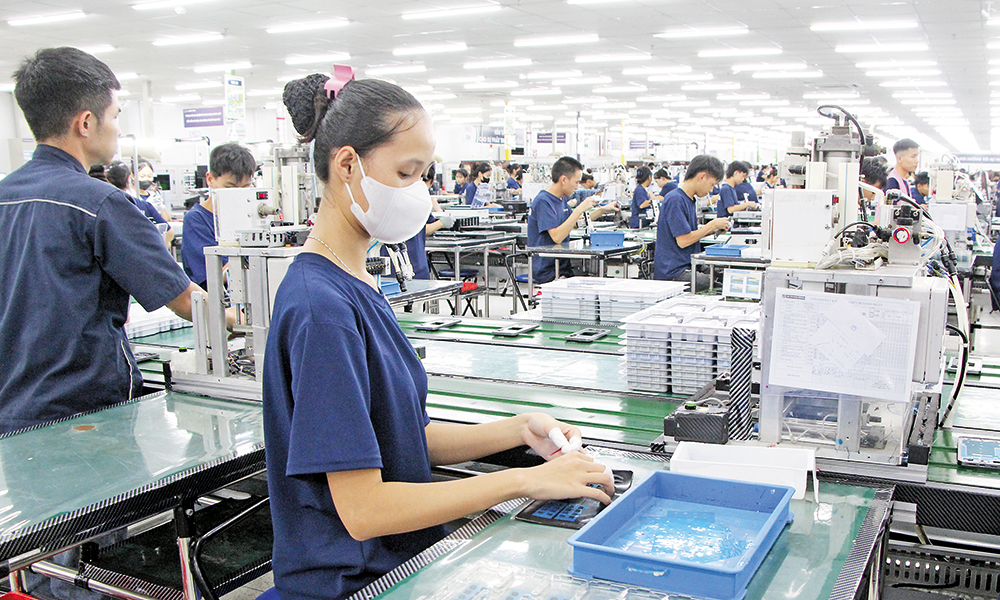
The policy allowing businesses to deduct up to 200% of research and development (R&D) expenses helps ease financial pressure and free up additional resources for technology investment. (Illustrative photo: VNA) |
Tax incentives are particularly important for technology businesses, as R&D involves not only researching new technologies but also continuously improving products, enhancing features, optimising processes and increasing productivity.
Such activities require sustained investment, while commercial returns often take considerable time to materialise.
Quach Ngoc Long, CEO of Workit JSC, said that R&D tax incentives should be viewed not merely as a reduction in tax obligations but as an investment policy encouraging businesses to develop technologies, products and competitiveness in the future.
For software companies, R&D is an integral part of product development.
In addition to infrastructure investment, eligible expenses include salaries for research personnel, expert consultancy, technology research, product testing, testing environments, and the purchase or leasing of research tools, technology licences and copyrights.
Le Viet Khanh Vu, Deputy Director of Leadsmax Group JSC, said the company’s R&D activities focus mainly on applying technology to improve business operations and optimise management.
These include developing internal management tools, processing and analysing data, automating manual tasks and integrating artificial intelligence (AI) into business activities.
Such investments primarily involve technology personnel, development time, platforms, infrastructure and tools. With limited financial and human resources, small- and medium-sized enterprises often prioritise projects with clear practical applications.
Many have yet to establish independent R&D departments, with technology staff also undertaking product development, operations and improvements.
Vu said the 200% deduction mechanism is a positive signal, helping reduce tax liabilities and improve the financial efficiency of technology investments. It can also encourage businesses to launch projects that might otherwise be postponed due to high upfront costs.
Meanwhile, Ho Van Tam, CEO of InApps Technology JSC, said that the largest R&D investment for software companies is not necessarily equipment or infrastructure, but high-quality human resources and opportunity costs.
Assigning skilled engineers to research AI, build platforms or develop proprietary products for six to 12 months means foregoing potential revenue from customer projects before commercial results emerge.
InApps is pursuing an AI-native engineering model, promoting automation, developing reusable technology platforms and building proprietary products such as InCard.
The approach aims to accumulate technological capabilities and intellectual property rather than relying solely on project-based services.
Tam said the tax incentive will help reduce actual after-tax investment costs, creating more room for projects involving AI agents, process automation, platform architecture and solutions with international commercial potential.
He added that R&D expenses should be assessed based on actual research activities, not solely on final results.
Electronic records, technical documents, testing results and expense vouchers can serve as evidence. Even research that does not immediately produce a commercial product can contribute to knowledge accumulation and technological development.









Reader's comments (0)