 Bắc Ninh


Vietnam builds initial semiconductor foundation
Experts said the first step is not another broad strategy but a hard-headed audit of what Vietnam can actually do and a clear-eyed map of its advantages, technology gaps and opportunities in the global value chain.
Vietnam has laid only the first foundation of a semiconductor industry, including a circuit-design engineering corps, research and training establishments, a handful of companies and several flagship investment projects.
 |
|
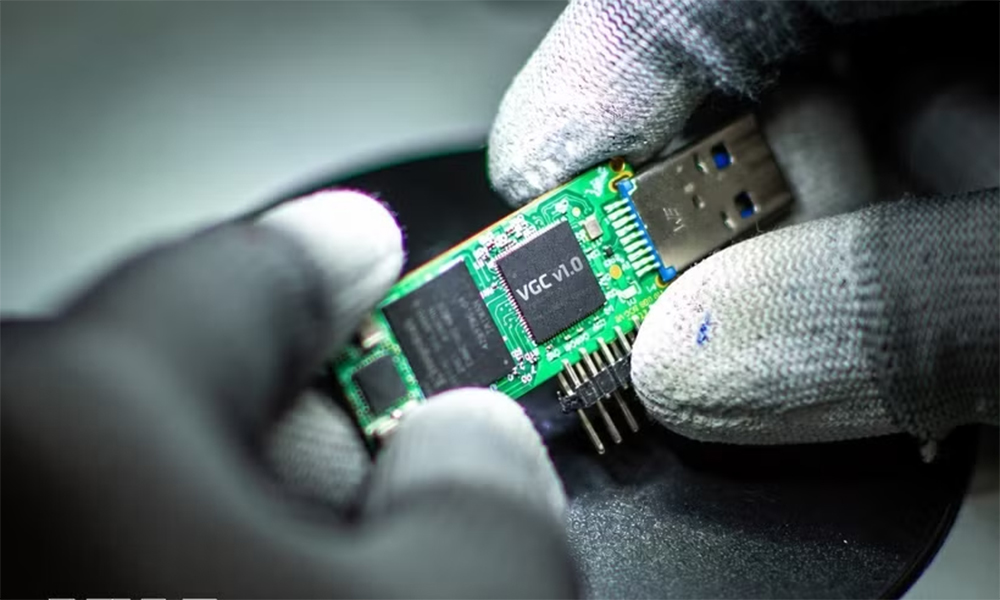
The VGC v1.0 security chip, designed and developed by Vietnam (Photo: VNA) |
The country, however, still lacks R&D depth, product development capability, domestic corporate scale and meaningful presence in the high-value stages where semiconductor profits are concentrated.
Experts said the first step is not another broad strategy but a hard-headed audit of what Vietnam can actually do and a clear-eyed map of its advantages, technology gaps and opportunities in the global value chain.
Mastering manufacturing process
Deputy Minister of Science and Technology Le Xuan Dinh calls semiconductors the “physical core” underpinning national strategic technologies such as AI, cloud computing, the Internet of Things (IoT), quantum technology, optical chips and cybersecurity.
Without a domestic semiconductor industry, Vietnam risks full dependence on imported hardware as it builds strategic infrastructure.
Vietnamese engineers have designed some chips, but manufacturing still goes overseas because Vietnam has no domestic fab.
That is a control risk. National technology security is not real until Vietnam masters the full chain from design to domestic production.
Assoc. Prof. Dr Nguyen Tran Thuat, Director of the Institute of Semiconductors and Advanced Materials at Vietnam National University, Hanoi, said policy levers, including the Politburo's Resolution No. 57-NQ/TW and the Prime Minister's Decision No. 1018/QD-TTg and Decision No. 1017/QD-TTg, are producing tangible gains.
Domestic digital tech firms are moving into circuit design. Viettel, working with the Government Cipher Committee, developed the VGC security chip Version 01 on a 28nm CMOS process with 300 million transistors, which encrypts and decrypts about 15 times faster than a pure software solution for the same task, Thuat noted.
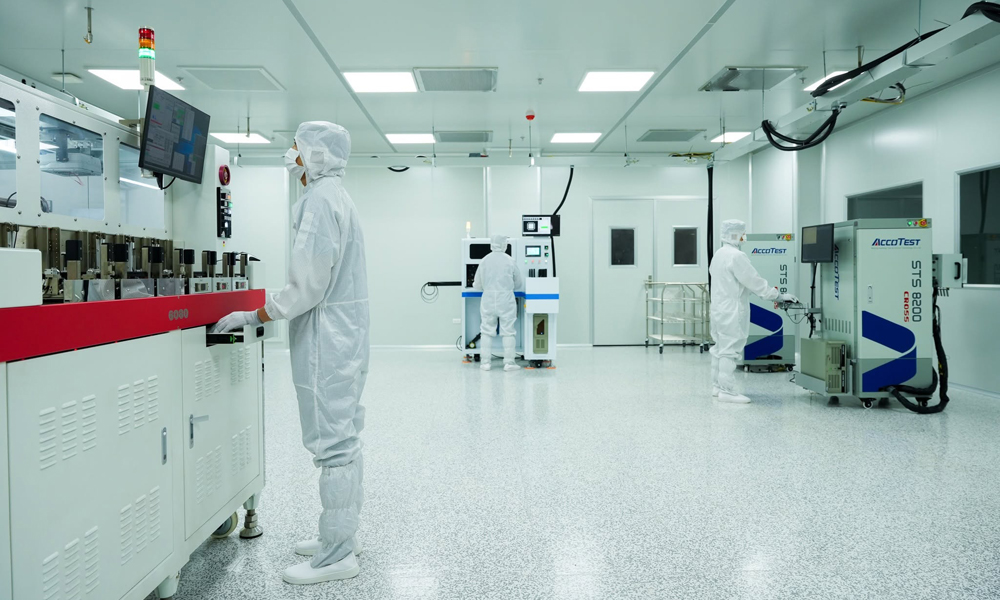
However, R&D still has three hard bottlenecks. Clean rooms, test-and-measurement equipment and pilot manufacturing are too expensive for any single institute, university or startup, so the State must act as financial “midwife” to push ideas past academic simulation.
Vietnam also lacks chief architects and engineers with real experience at international corporations to lead complex designs.
And financial management, specialised equipment procurement and project acceptance rules need a “controlled risk-acceptance space” because chip commercialisation has a very high test-failure rate.
Leveraging existing advantages
Dinh said the Ministry of Science and Technology has set three priorities. Vietnam will not fight head-on in general-purpose chips, where capital requirements run into tens of billions of USD.
It will concentrate on specialised lines, including Edge AI, IoT and 5G/6G devices, where it can use strengths in optimisation algorithms, intelligent design architecture and customisation for domestic needs.
The policy shift is from grants to commissioning science tasks around real corporate problems, with commercialisation as the test.
The State will push co-funding from science and venture capital funds, apply lump-sum contracting through to the final product and accept risk.
Besides, training will be tied to real-process practice, and Vietnam will create a mechanism to attract chief architects and overseas Vietnamese experts to lead domestic R&D teams.
Dr Richard L. Thurston, Chairman and CEO of Great Lakes Semiconductor, who has decades of experience in leading ecosystems, supply chains and semiconductor intellectual property management at large corporations, said Vietnam needs one unified national semiconductor strategy.
It should connect ministries, research institutes, universities, domestic companies, foreign investors and supply chain partners through a disciplined industrial policy with common priorities and measurable milestones, instead of isolated labs, disconnected incentives or scattered, overlapping projects.
Vietnam should not build a large-scale chip fab now as it will too easily become a burden.
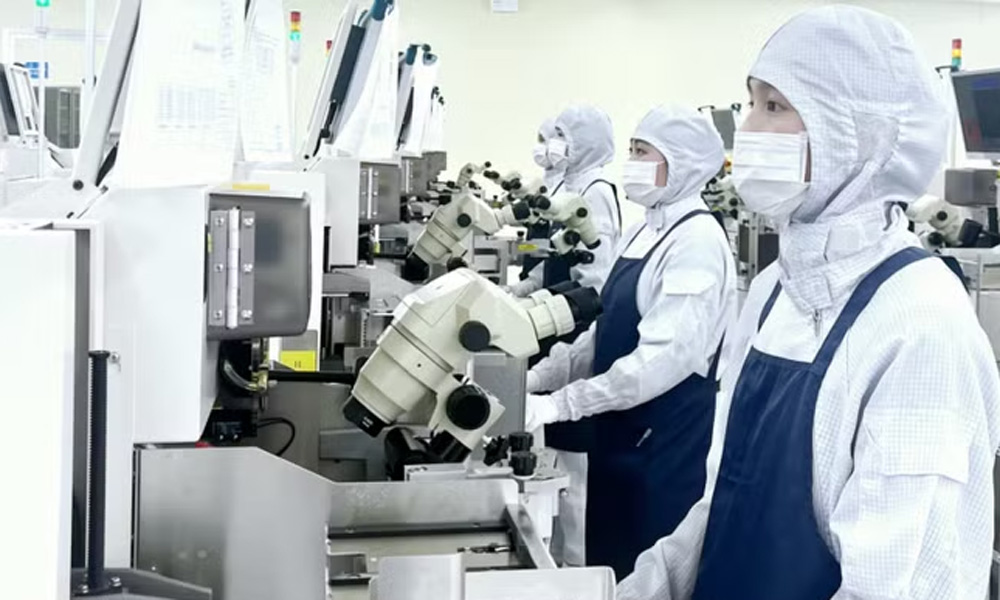
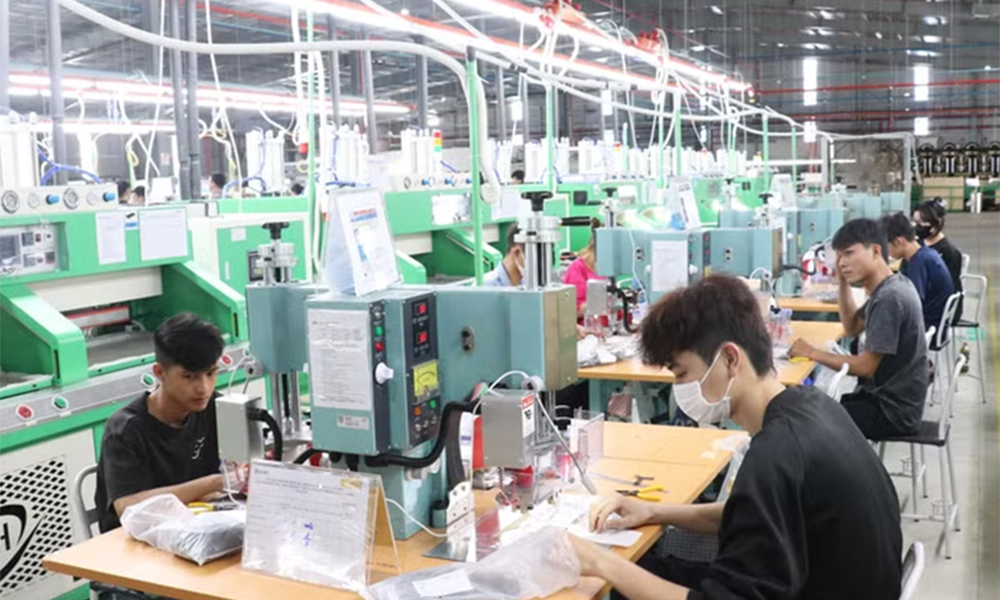
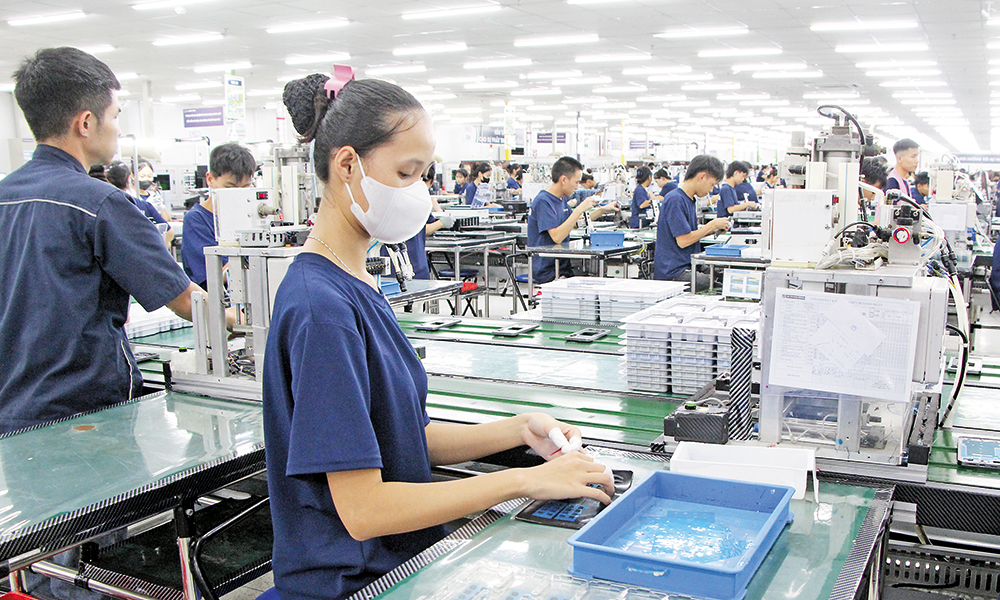
The better play is to use existing strengths in electronics assembly, packaging and testing, talented engineers, industrial clusters and trade networks as a launchpad into higher-value work such as design, materials, specialised components and commercialisation.
According to Thurston, Vietnam should also build complementary partnerships with semiconductor powers like the US, Japan, Germany, Ireland and others in equipment and design to access production capacity, materials testing, training, investment and customers.
The partnership should be mutually beneficial, not a substitute for Vietnam’s own capabilities.


















Reader's comments (0)