 Bắc Ninh


16th NA’s first extraordinary session seeks to create new development space
The first phase ended with a five-day break from August 14-18, during which relevant agencies will urgently review, explain, and revise draft laws and resolutions. The NA is scheduled to resume the second phase from August 19-24 to vote on the legislation, with the aim of removing bottlenecks, unlocking resources and creating fresh momentum for national development.
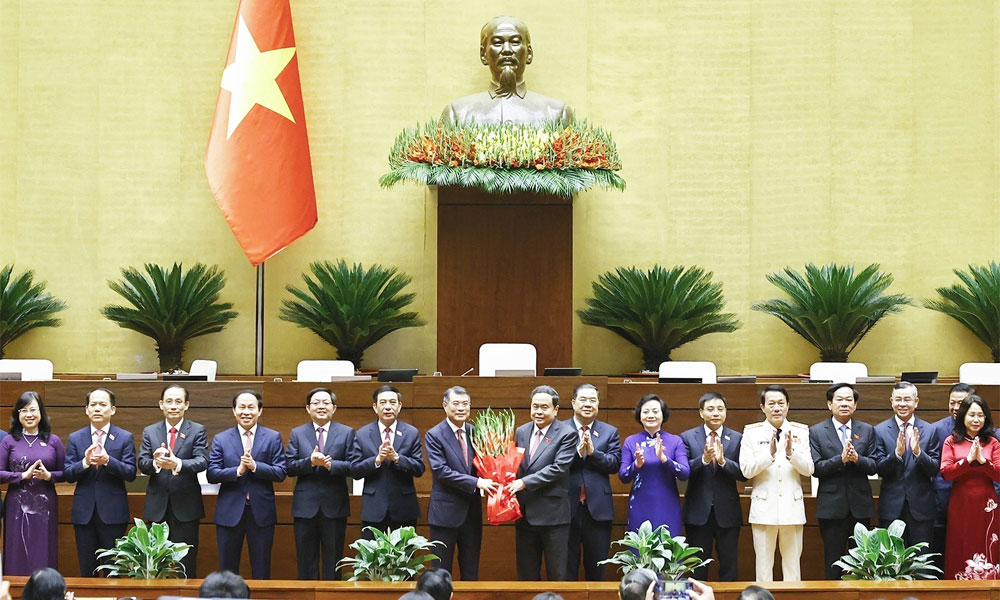
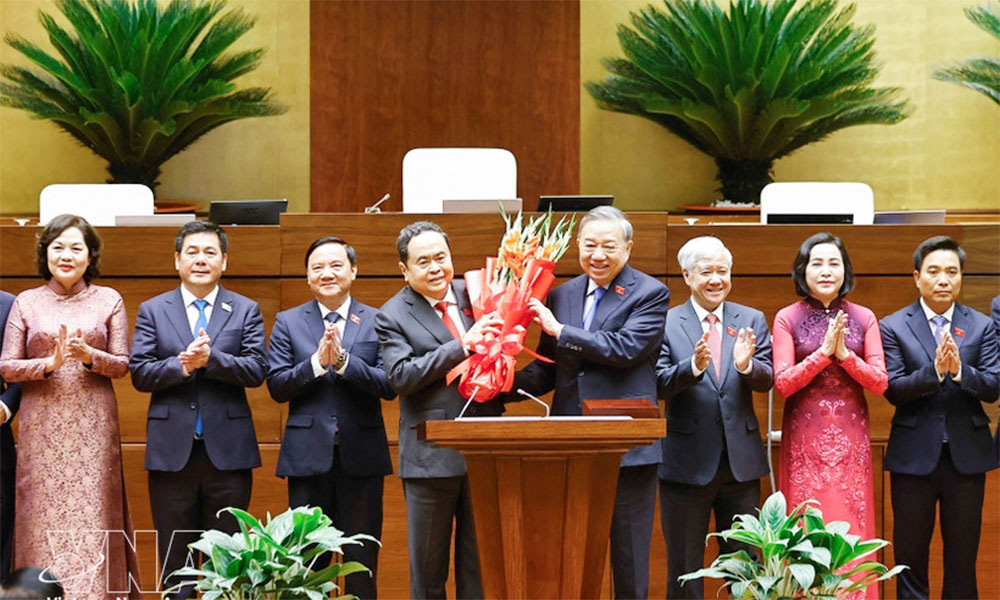
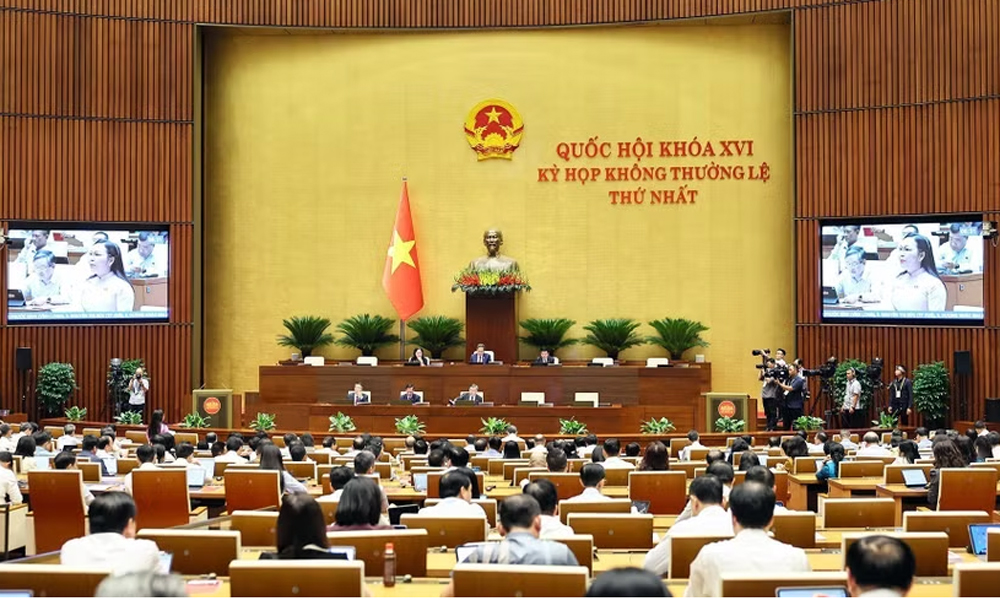
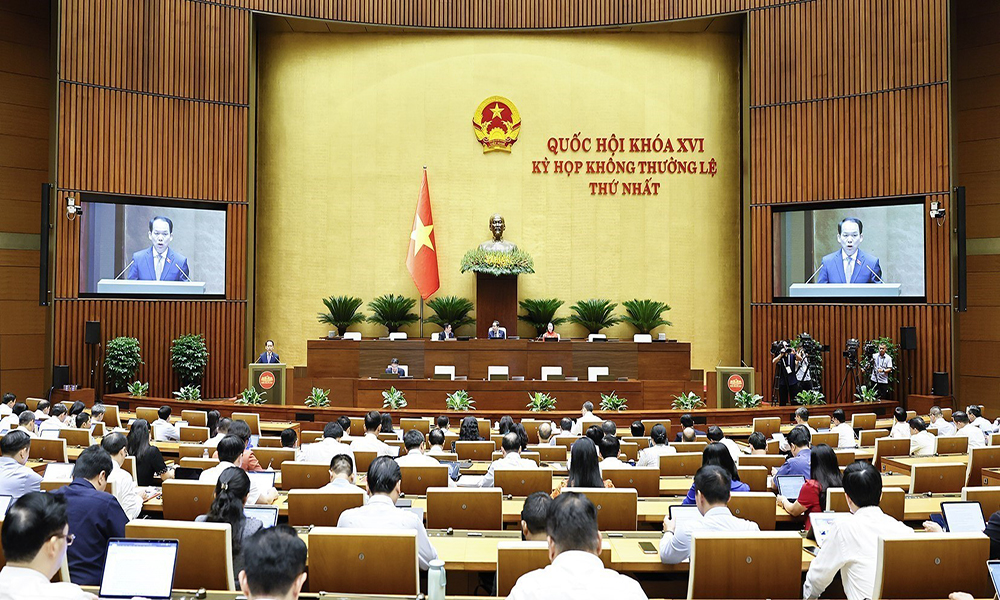
The first extraordinary session of the 16th National Assembly, which wrapped up its first phase on August 13, highlighted the legislature’s efforts to swiftly institutionalise major Party policies, remove legal bottlenecks and open up new development space.
 |
|
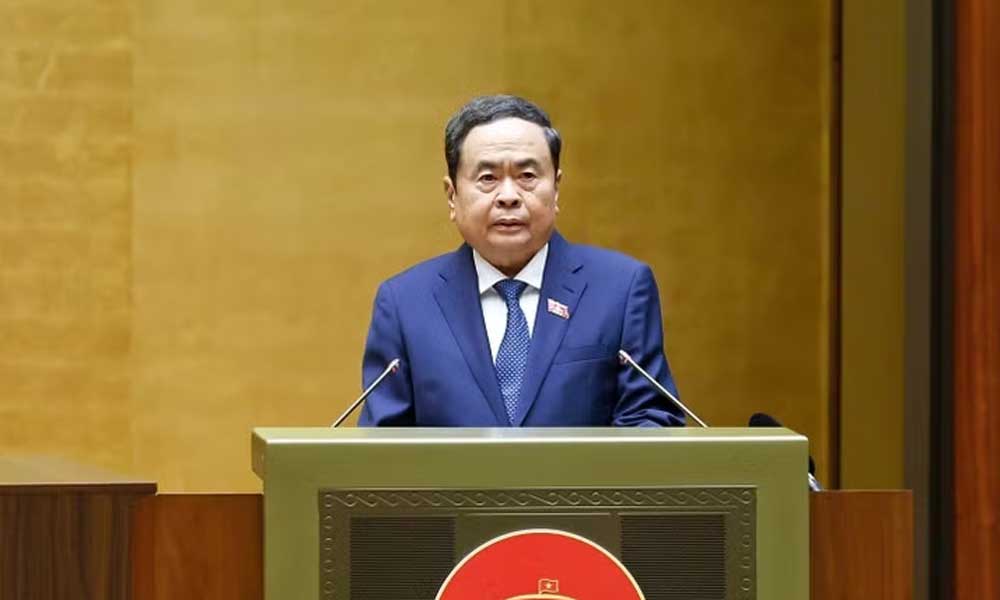
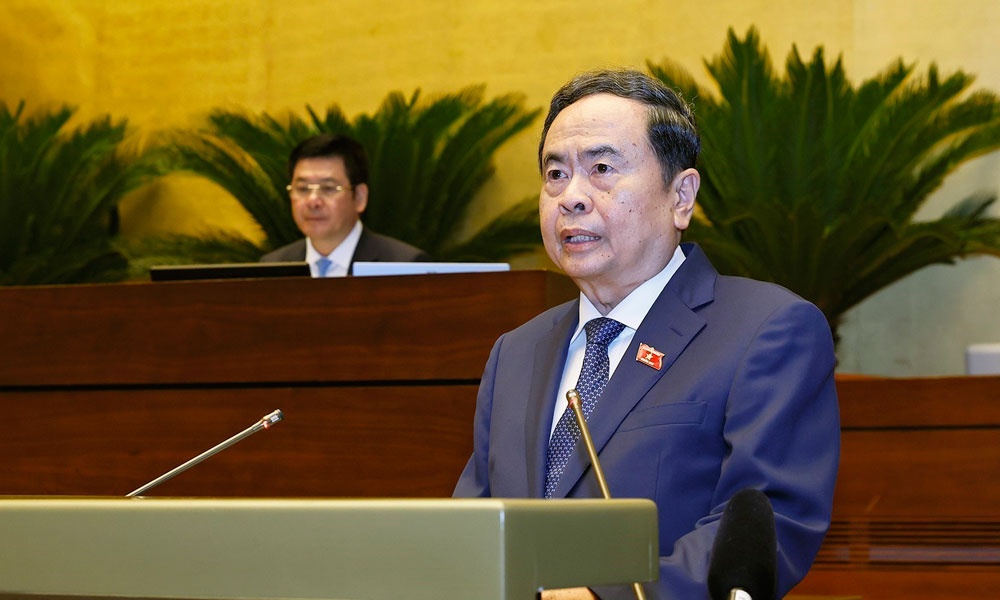
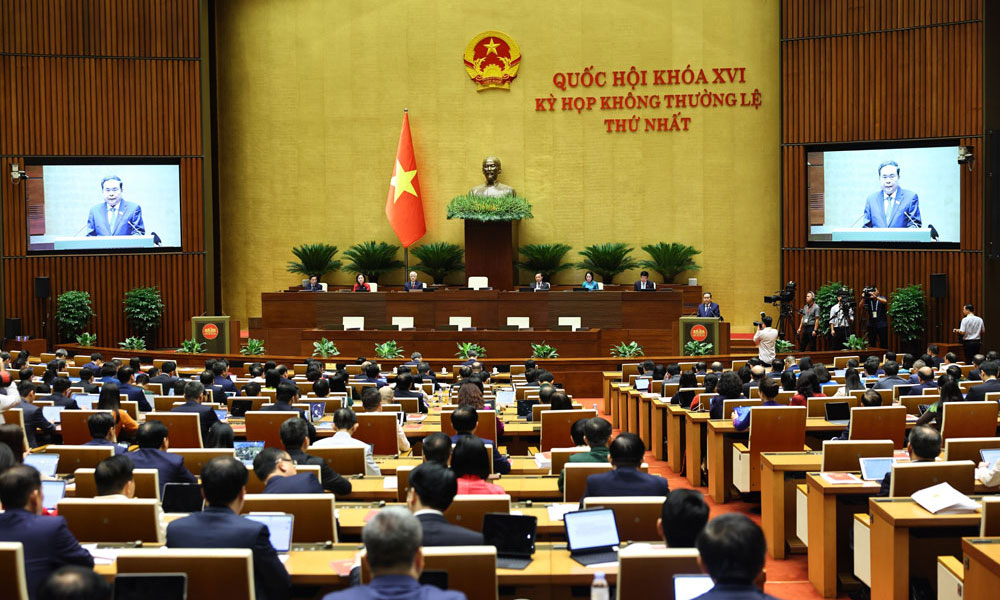
NA President Tran Thanh Man speaks at the opening session of the 16th NA's first extraordinary session. |
The session opened on August 3, shortly after the 14th Party Central Committee successfully concluded its third plenum, where major strategic orientations for national development were adopted.
Party General Secretary and President To Lam emphasised the requirement that the Party Central Committee's policy decisions must bring about a substantive shift.
At the opening session, NA President Tran Thanh Man affirmed the determination to make institutions a driving force for development and prevent legal barriers and overlapping mechanisms from becoming bottlenecks.
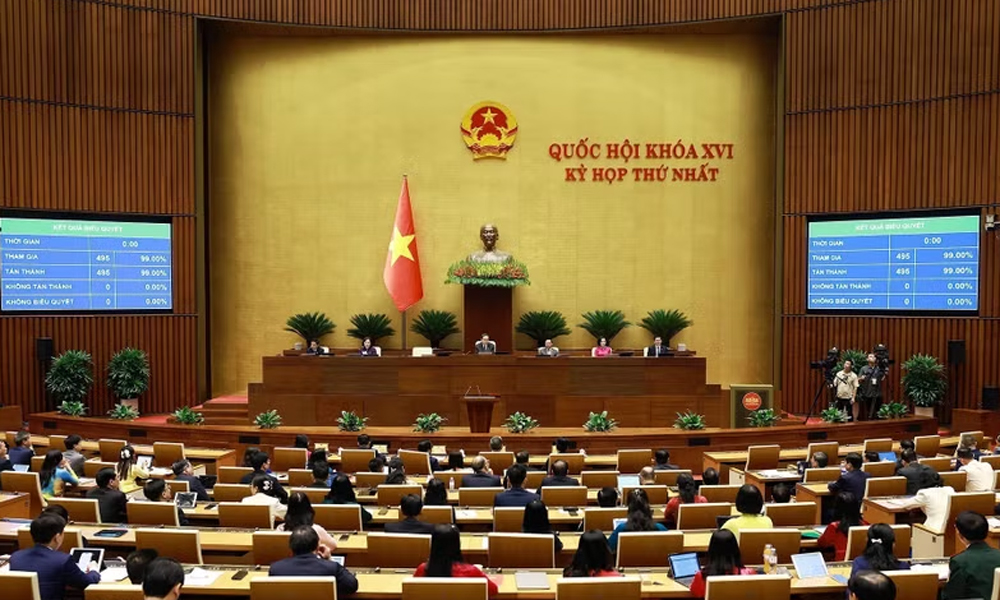
Under the agenda, the NA will consider and adopt 15 laws and four normative resolutions; give initial opinions on seven draft laws for consideration at its second session; and decide on seven issues within its authority, particularly those related to strategic transport infrastructure and the national urban system.
During the first phase, lawmakers engaged in detailed discussions in plenary and group sessions, scrutinising draft provisions, assessing their practical impacts and clarifying issues that remained subject to differing views.
The discussions reflected a stronger legislative mindset closely aligned with practical requirements. Digital tools and information-support systems also helped lawmakers access documents and cross-check legal texts more efficiently.
NA deputy Bui Hoai Son, permanent member of the NA’s Committee on Culture and Education, described the first extraordinary sitting as clear evidence of the legislature’s close coordination with the Government and people.
He expressed hope that major Party policies and decisions would be rapidly translated into practice, helping remove institutional bottlenecks and create a more favourable legal framework for national development.
Sharing Son’s view, deputy Nguyen Thi Viet Nga from Hai Phong city said the decisions considered during the first phase focused on three major tasks - promptly institutionalising the Party’s policies, addressing practical obstacles and creating new development space for key economic regions.
Despite the heavy workload, discussions were conducted in a candid and substantive manner, focusing on core socio-economic issues.
Notably, for key laws with far-reaching impacts, such as the revised Land Law, Law on Real Estate Business and Housing Law, the NA has adopted a comprehensive approach, considering their close interconnections rather than making isolated amendments. This was aimed at resolving interconnected legal problems in practice.
Decentralisation and delegation of powers, accompanied by tighter power control, were another major focus.
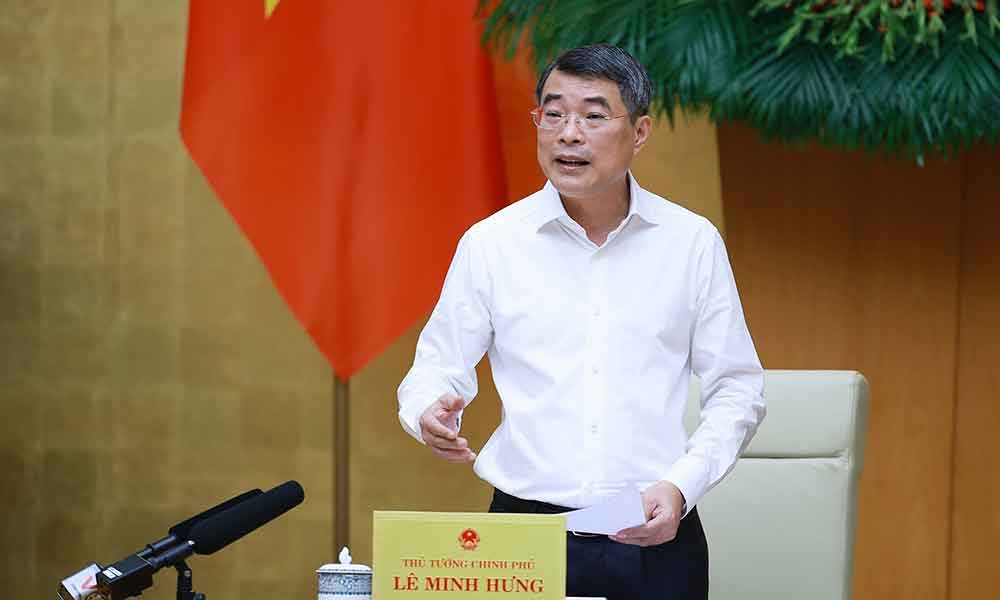
Discussing the draft Law on Urban Development, lawmakers welcomed provisions strengthening local governments’ autonomy while stressing that greater delegation must go hand in hand with stronger oversight.
Regarding adjustments to the investment policy for the Ring Road No. 5 – Hanoi Capital Region, lawmakers emphasised balancing funding sources, operational efficiency and infrastructure connectivity, while suggesting greater use of technology, higher localisation and revenues from adjacent land funds and carbon credit mechanisms.
For the Lao Cai-Hanoi-Hai Phong railway project, they called for comprehensive calculations of resources throughout its lifecycle, from investment and operation to maintenance and debt repayment, while closely controlling total investment and expanding options for advanced technologies.
The session also discussed proposals to establish Quang Ninh and Bac Ninh as centrally-run cities.
The first phase ended with a five-day break from August 14-18, during which relevant agencies will urgently review, explain, and revise draft laws and resolutions.
The NA is scheduled to resume the second phase from August 19-24 to vote on the legislation, with the aim of removing bottlenecks, unlocking resources and creating fresh momentum for national development.




Reader's comments (0)