 Bắc Ninh


Bac Ninh agrees in principle with investment in fly ash treatment plant
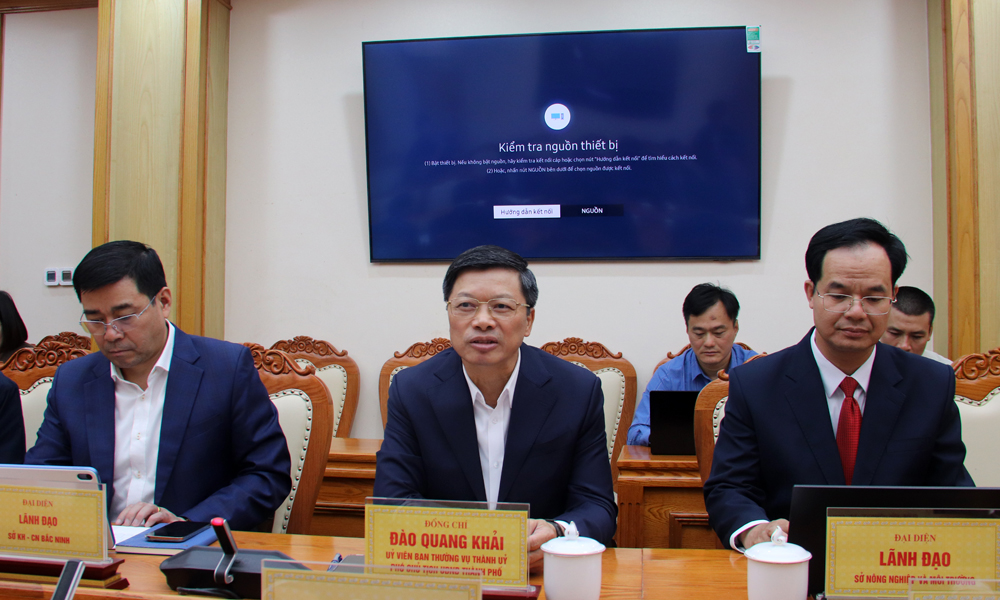
BAC NINH - Dao Quang Khai, member of the municipal Party Committee’s Standing Board and Vice Chairman of the municipal People’s Committee, on November 26 met with representatives of INA JSC and a Japanese expert delegation to discuss technology for treating fly ash generated by waste-to-energy plants.
At the meeting, Khai said the city has planned six waste-to-energy plants, four of which are already operational and two under construction, with the latter expected to begin operations by mid-2028.
 |
|
Vice Chairman of the municipal People’s Committee Dao Quang Khai highly values Japan's fly ash treatment technology. |
The plants have a combined waste treatment capacity of around 3,000 tonnes per day.
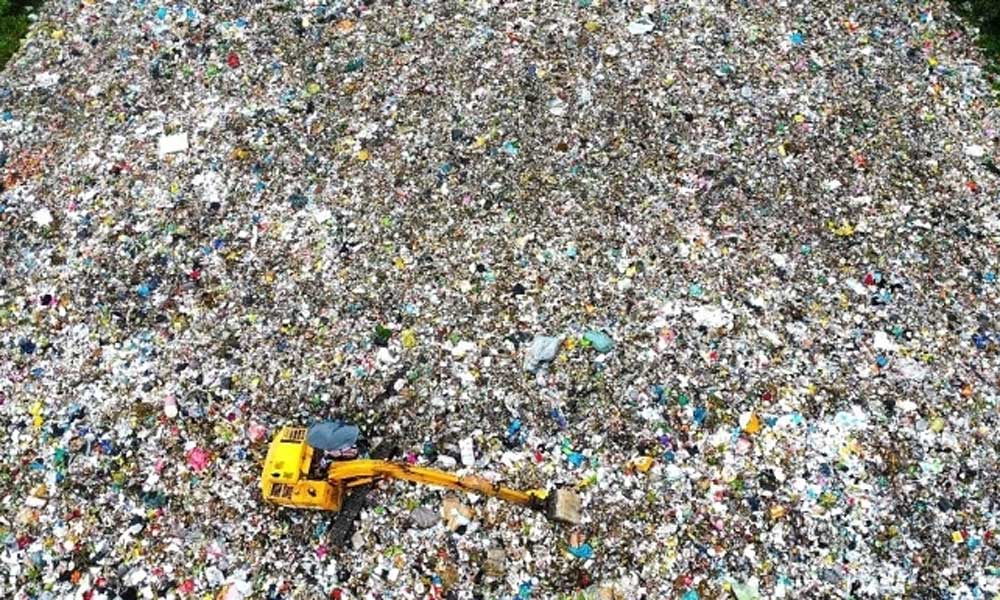
Waste-to-energy operations generate bottom ash and fly ash. While a circular reuse solution has been developed for bottom ash, a suitable treatment method for fly ash remains under study.
Businesses currently generate around 60-70 tonnes of fly ash daily, most of which is packaged and stored in warehouses.
 |
|
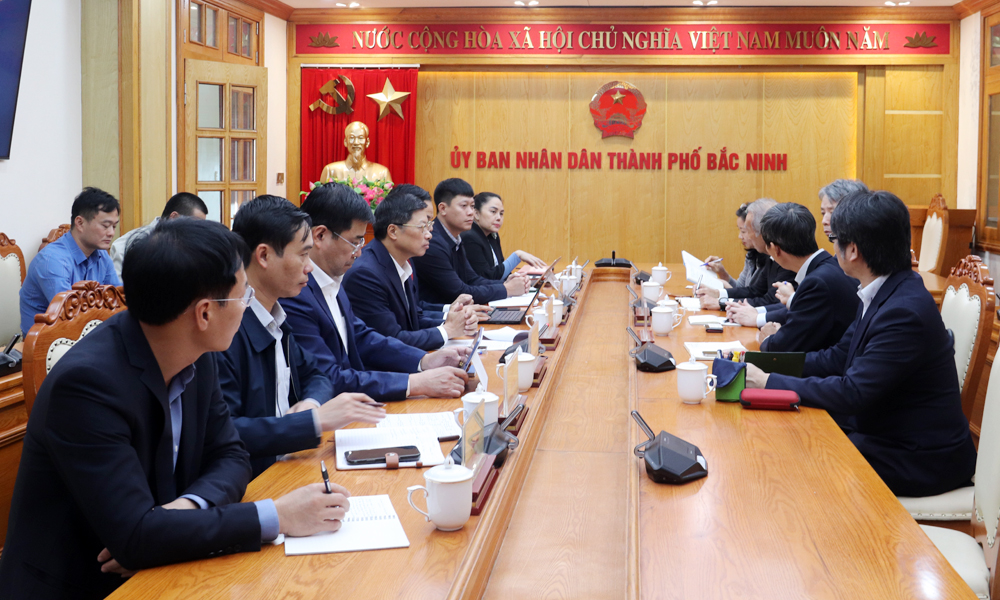
An overview of the meeting. |
Against this backdrop, the city is seeking a technology solution that meets environmental standards and enables the reuse of treated materials.
At the meeting, INA JSC introduced a fly ash treatment technology developed by Japan's Abe Iron Workds Co., Ltd.
The technology uses Vibro Explorer (VE) equipment to integrate three processes – grinding, mixing and pelletising – into a single unit to produce post-treatment material pellets.
According to the company, the technology supports automated, continuous operation and features a compact, robust design that facilitates maintenance.
Its enclosed system helps minimise dust emissions, while the equipment can self-clean and automatically discharge residual materials when operations stop.
Water used in the mixing process can be sourced from wastewater or sludge, helping conserve resources. Integrating multiple processes into one system also reduces the required footprint and the volume of treated materials, making storage easier.
Technical agencies and businesses discussed the technology's applicability, investment options and requirements for establishing a fly ash treatment plant in the city.
In his concluding remarks, Khai welcomed the proposed technology, describing it as a promising research direction aligned with the city's development priorities.
 |
|
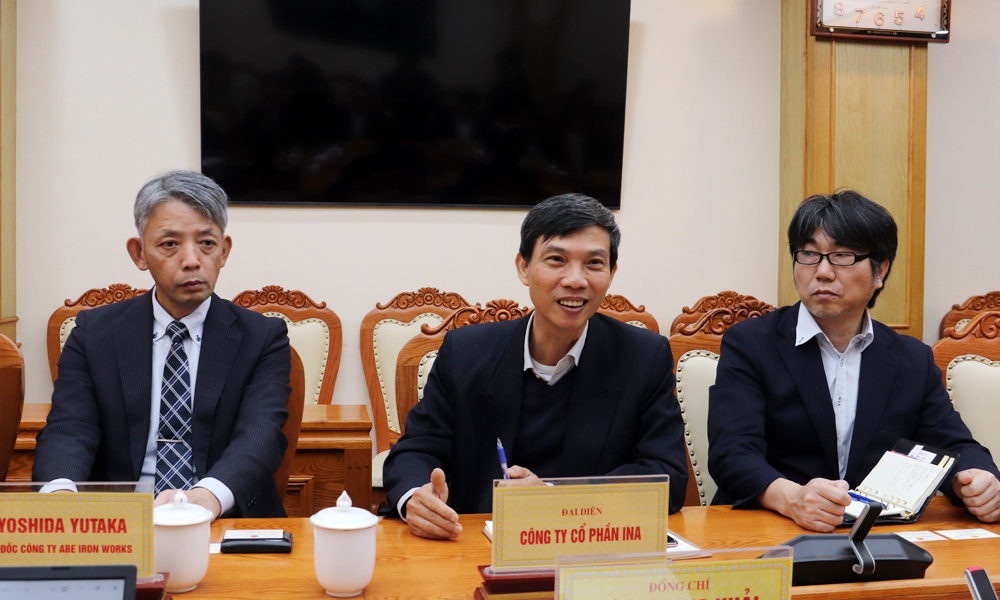
A company representative introduces fly ash treatment technology. |
He agreed in principle to identifying a site for the company to study the establishment of a fly ash treatment plant and instructed relevant departments and agencies to coordinate with the firm and guide it through the necessary documentation and administrative procedures.
He also urged the company to promptly mobilise resources, work with relevant parties on science and technology research, and accelerate the project's implementation.
The city pledges to support and facilitate investment cooperation, contributing to the development of a circular economy, environmental protection and more efficient resource utilisation.
.jpg)


Reader's comments (0)