 Bắc Ninh


Bac Ninh expands rooftop solar power model across industrial enterprises
BAC NINH - In response to the province’s push to expand rooftop solar power, companies in industrial parks are stepping up installations with increasingly large capacities. The move is helping businesses cut electricity costs and improve operational efficiency while contributing to the development of greener, more modern industrial parks.
Cutting electricity costs
Srithai Co., Ltd., based in the Vietnam-Singapore Industrial Park (VSIP) Bac Ninh, is a Thai-invested company specialising in packaging for the beverage industry, with products exported to markets around the world.
 |
|
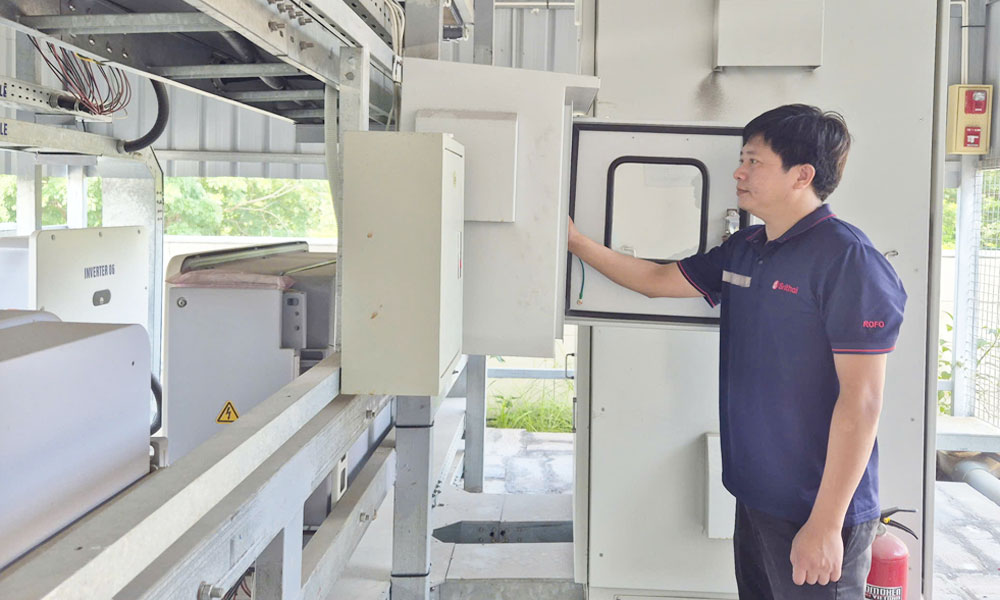
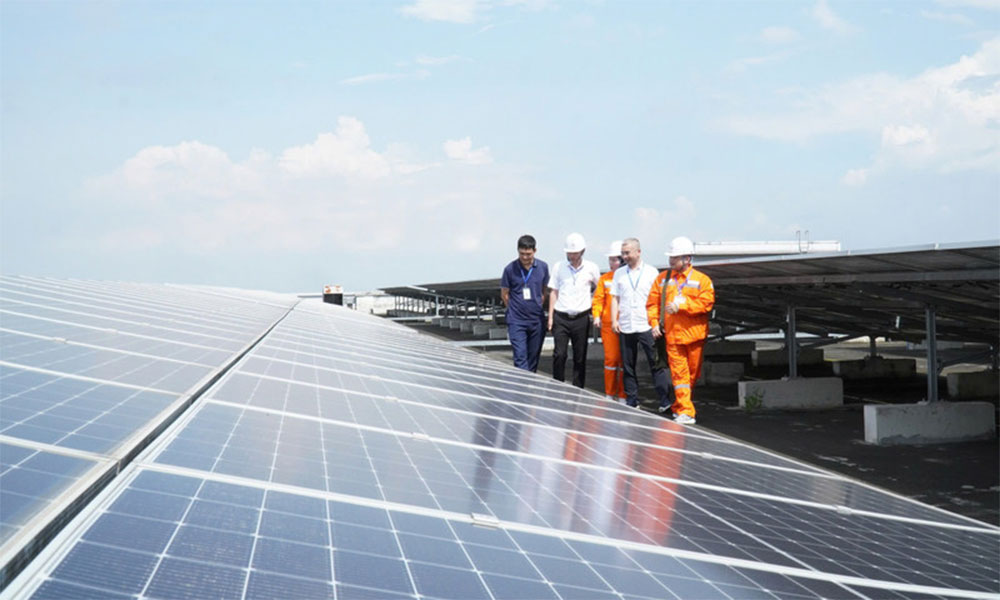
The solar power operations centre at Srithai Co., Ltd. |
As one of the province’s major electricity consumers, Srithai operates production lines around the clock, with average electricity consumption of approximately 1.7 million kWh per month.
In response to the province’s recommendations, the company began investing in a rooftop solar power system in September 2025, covering more than 8,500 square metres.
Nguyen Van Suc, head of the company’s Maintenance Department, said Srithai has now put a 1.3MW rooftop solar system into operation.
With monthly electricity bills of around 4 billion VND (152,642 USD), the system enables the company to save 300 million VND each month.
Srithai is among a growing number of foreign direct investment (FDI) enterprises in Bac Ninh’s industrial parks that have embraced the province’s rooftop solar initiative. Others include Foxconn, Goertek and Luxshare.
Bac Ninh has a large industrial base and has attracted numerous multinational corporations, which make significant contributions to the province’s industrial output.
Ensuring a safe, stable and uninterrupted power supply, while meeting growing demand for green energy and lower emissions, is therefore seen as critical to maintaining the province’s competitiveness and attracting further investment.
Against this backdrop, Bac Ninh has identified rooftop solar power, particularly self-generation and self-consumption systems, as a priority for development.
The approach is expected to provide additional clean power at source, reduce energy costs and increase the use of renewable energy throughout global supply chains.
By 2030, Bac Ninh aims to develop around 2,118MW of rooftop solar power capacity, including about 1,823MW in industrial areas.
Encouraging companies to invest in rooftop solar power systems
 |
|
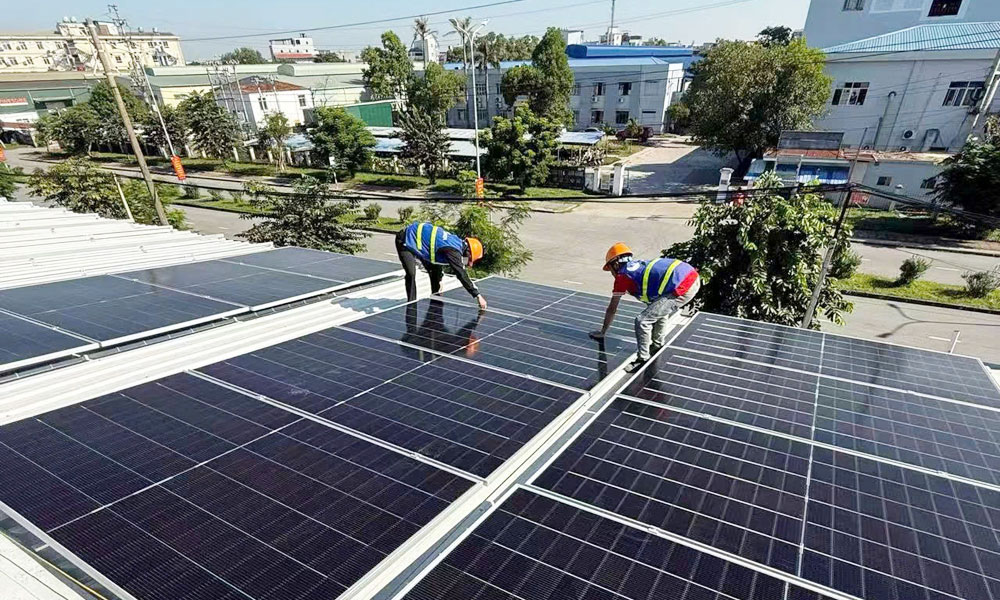
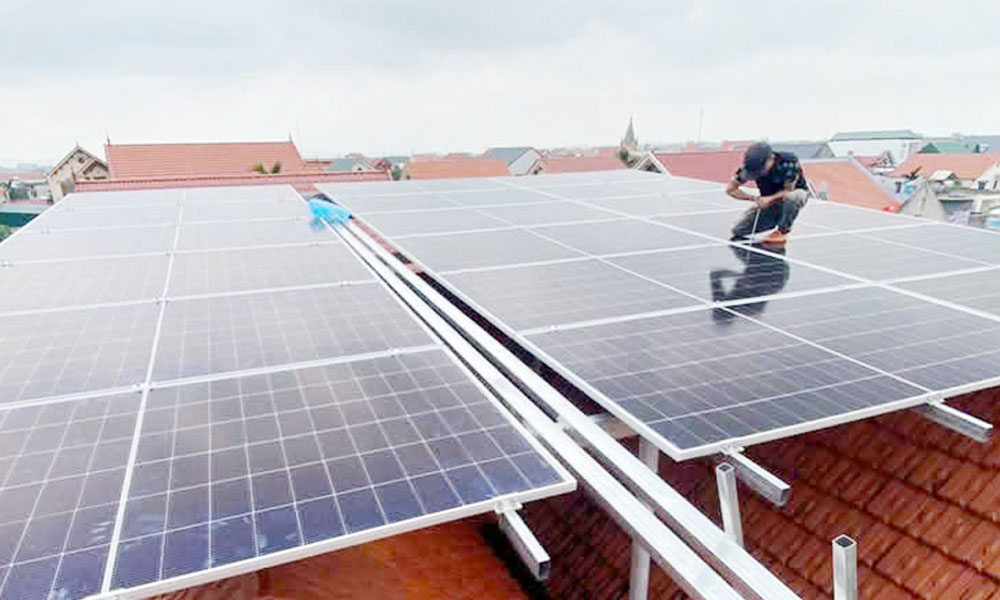
Rooftop solar panels installed at Cayi Technology Vietnam Co., Ltd. in Yen Phong II-C Industrial Park. |
The provincial Department of Industry and Trade said there remains substantial room for rooftop solar power expansion, with industrial parks expected to remain the main driver of capacity growth.
Going forward, the department will continue working with businesses to resolve difficulties and streamline administrative procedures, while maintaining parallel processing of electricity connection procedures.
Between now and the year-end, provincial authorities will focus on supporting more than 200 enterprises in the first phase of the programme to develop a combined targeted capacity of at least 515MW.
Priority will be given to companies that have already registered and meet the requirements for investment, grid connection and immediate implementation.
In 2027, the province plans to accelerate deployment among another 200 enterprises, with a targeted combined capacity of at least 296.5MW, while reviewing businesses with suitable electricity loads and rooftop potential for subsequent phases.
Nguyen Duc Long, deputy head of the Bac Ninh Industrial Zones Authority, said the authority and the Department of Industry and Trade regularly coordinate to review and urge industrial-park businesses to expand rooftop solar installations.
They are encouraging companies to proactively invest in self-generation and self-consumption rooftop solar systems to meet on-site electricity demand and reduce pressure on the national grid.
At the same time, businesses are being encouraged to use energy more efficiently and economically and to replace outdated equipment and machinery with higher-efficiency alternatives.
Authorities are also advising companies to explore and proactively implement direct power purchase mechanisms between renewable energy generators and major electricity consumers.






Reader's comments (0)