 Bắc Ninh


Bac Ninh moves to build smart logistics system
BAC NINH - As a major industrial hub in the Hanoi Capital Region and Vietnam, Bac Ninh faces an urgent need to upgrade its logistics and warehousing network. The province has identified the development of a smart logistics ecosystem linked to digital data and cross-border e-commerce as a key solution to cut costs and improve the competitiveness of the local economy in the digital era.
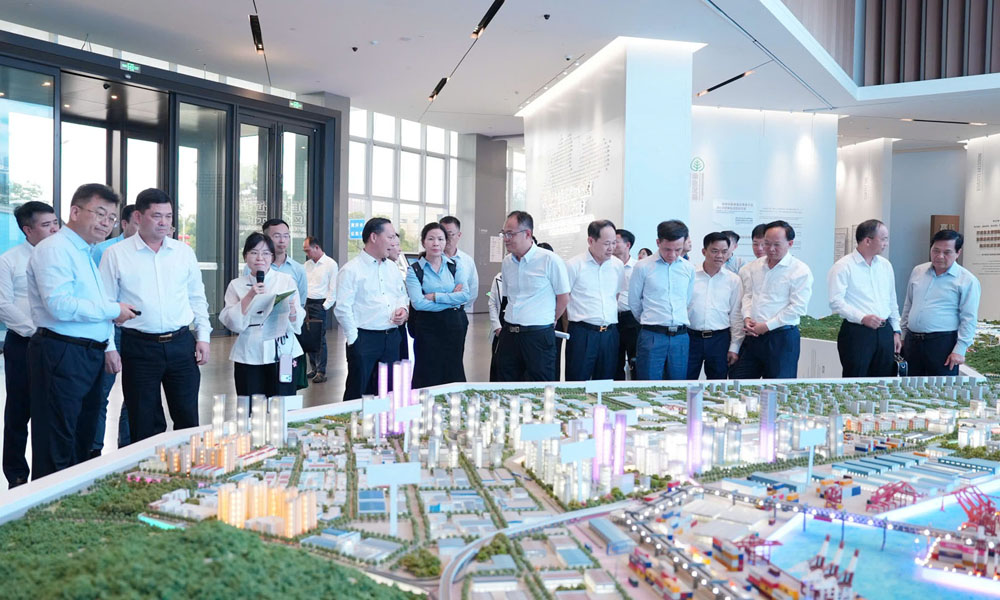
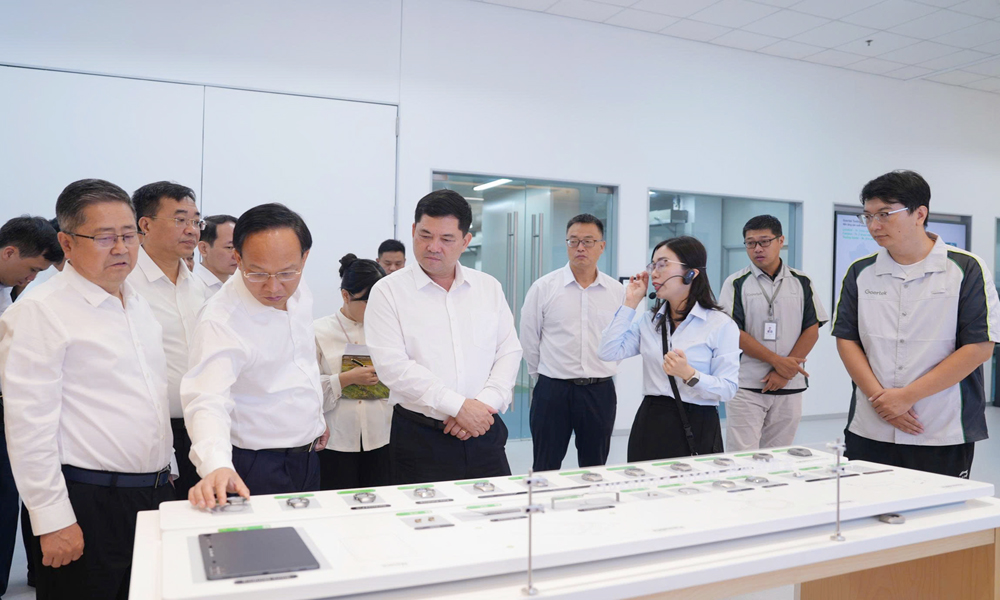
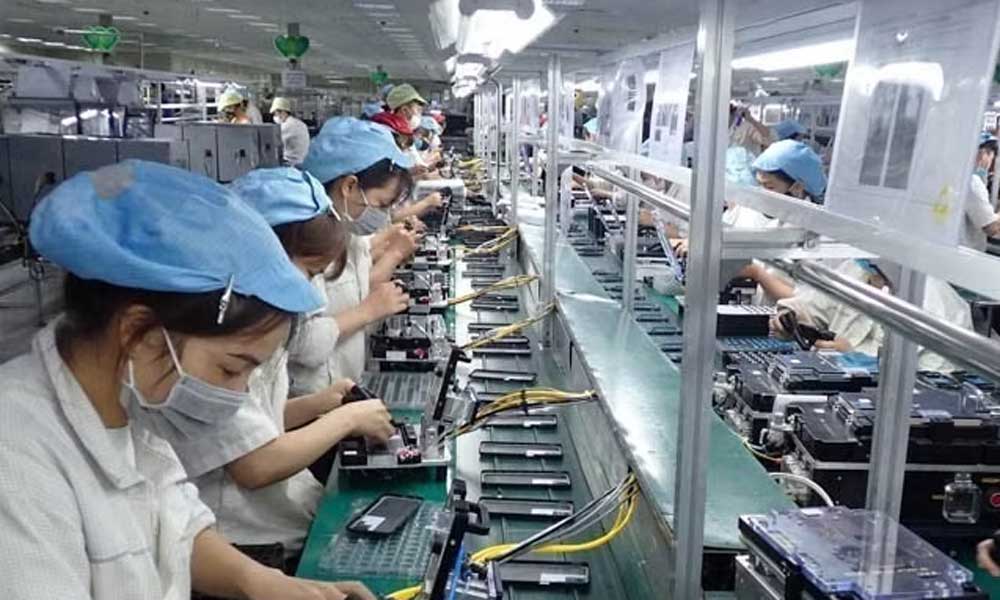
Following the expansion of its development space, Bac Ninh has further strengthened its position as a high-tech manufacturing hub, home to major groups including Samsung, Foxconn and Amkor, as well as a supporting industrial network.
 |
|
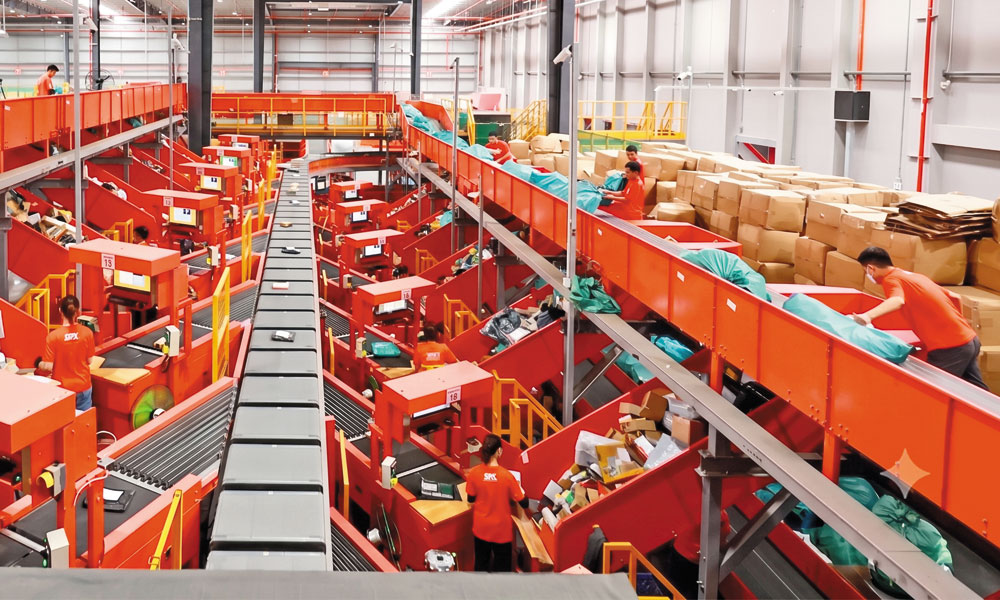
The large-scale SPX sorting centre at VSIP Bac Ninh Industrial Park supports digital logistics operations linked to e-commerce. |
In the first six months of 2026, the province's industrial production value reached about 1.6 quadrillion VND (61.4 billion USD), up 16.17% from a year earlier. The rapid growth in production is creating an urgent need for modern and flexible logistics infrastructure.
Taking advantage of its central location in the northern key economic region, the province has begun developing a relatively comprehensive transport network.
It currently has 11 inland container depots (ICDs), dozens of bonded warehouses and less-than-container-load (LCL) consolidation warehouses serving nearly 40 industrial parks and 67 industrial clusters.
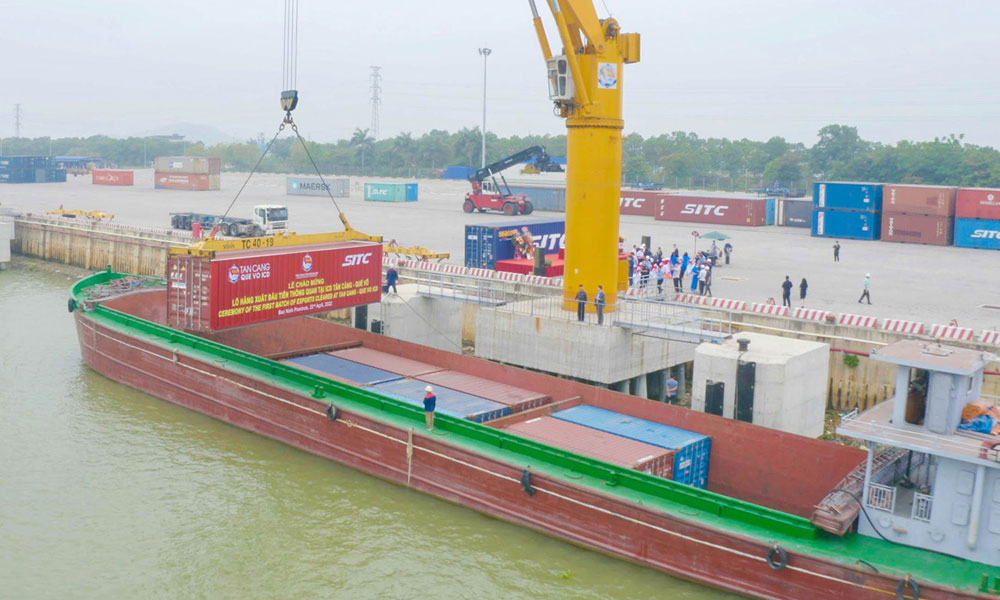
To support industrial development, Bac Ninh has gradually built an inter-regional logistics service chain comprising logistics centres, ICDs, inland waterways ports, bonded warehouses and modern storage facilities.
Key facilities include the Bac Giang International Logistics Centre and logistics centres in Tien Son, Que Vo and Dong Son. Large-scale logistics hubs in Sen Ho, Phong Khe and Kep are also being developed, providing an important foundation for imports, exports and the movement of goods.
To meet growing demand, many logistics firms in the province have proactively adopted digital technologies for management and operations, including smart warehouse management systems, GPS tracking and electronic payments, while gradually applying artificial intelligence to optimise operations.
| Bac Ninh sets a target for logistics to contribute about 4-5% of the province's gross regional domestic product (GRDP) by 2030, with average annual revenue growth of 12-15%. It also aims to gradually reduce logistics costs to 16-18% of the province's GRDP. |
The new spatial planning and Bac Ninh's status as a centrally governed city present opportunities for a breakthrough in development.
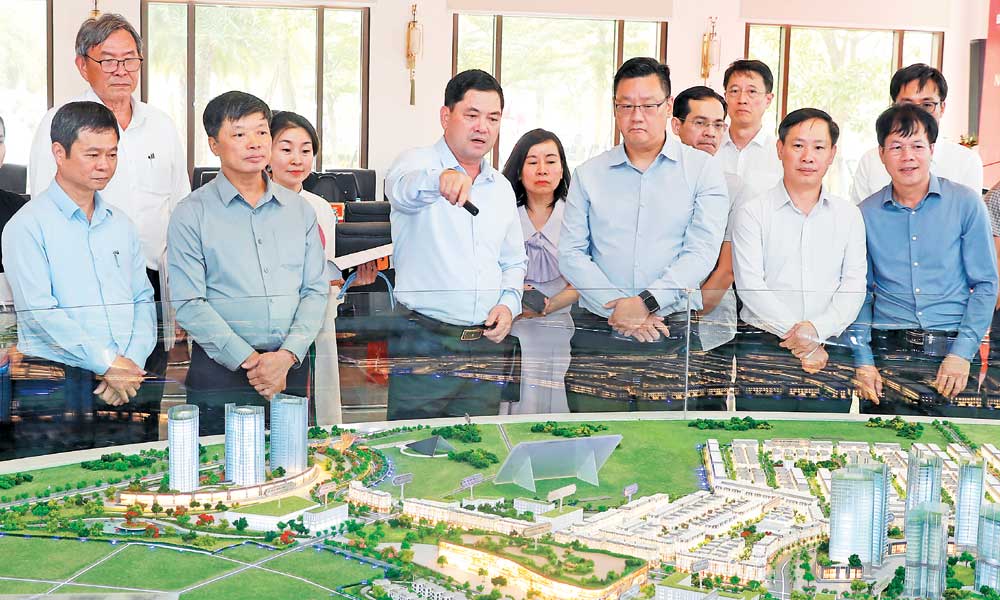
Alongside efforts to promote a proposal to establish a free trade zone linked to Gia Binh International Airport, the province has proposed planning two international logistics-ICD centres, Gia Binh 1 and 2, each covering 100 hectares, with the aim of creating an integrated, end-to-end multimodal transport chain.
In the northern economic corridor, the province plans to develop a specialised economic zone of about 10,000 hectares in Kep, Lang Giang and surrounding areas.
The corridor will be anchored by Kep International Intermodal Station, Sen Ho ICD and the Hanoi-Bac Ninh-Dong Dang railway, providing a direct link to international markets.
Alongside transport infrastructure, a key breakthrough will be the development of a digital platform to connect data across the supply chain.
Nguyen Duy Ha, Chairman of the Bac Ninh Transport and Logistics Association, said digital transformation should go beyond standalone warehouse management software or tracking systems and connect information from factories, transport operators, warehouses and customs through a unified data platform.
"When cargo and document data are updated simultaneously, businesses can proactively coordinate vehicles, reduce empty return trips and shorten customs clearance times," Ha said.
To create a new growth driver for the sector, the provincial People's Committee has issued a plan for developing logistics services in 2026-2030.
The plan sets a target for logistics to contribute about 4-5% of the province's gross regional domestic product (GRDP) by 2030, with average annual revenue growth of 12-15%. It also aims to gradually reduce logistics costs to 16-18% of the province's GRDP.
Bac Ninh also aims to have 60% of local e-commerce businesses using digital logistics solutions and gradually develop a network of integrated supply-chain logistics providers offering 3PL, 4PL and 5PL services.









Reader's comments (0)