 Bắc Ninh


FDI flows fuel growth of Vietnam’s industrial property market
As ring roads, metro lines and airport connectivity infrastructure are gradually completed in the coming years, demand for housing, industrial property, retail space and hotels is expected to expand beyond traditional urban centres.
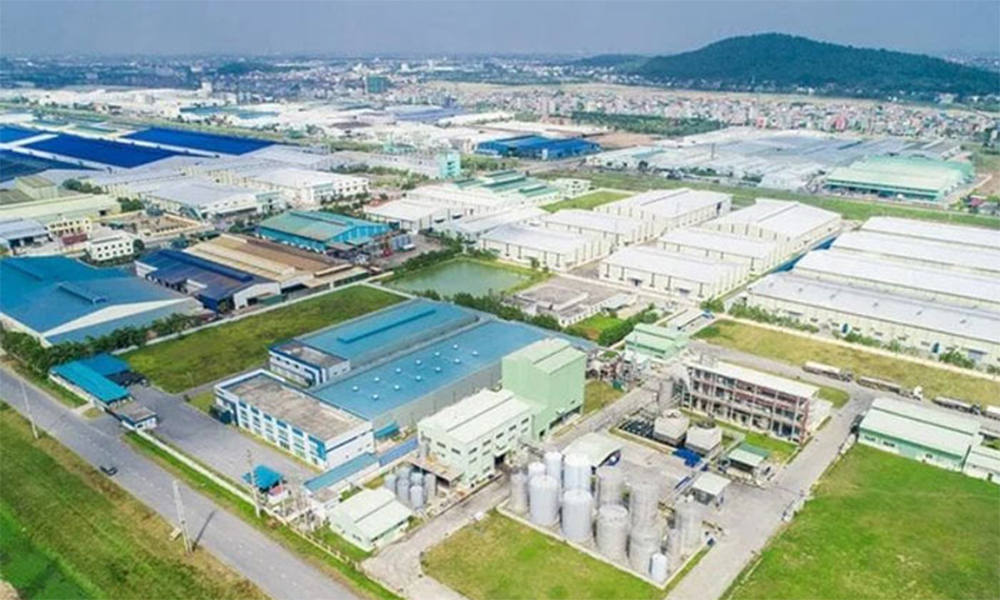
Steady growth in foreign direct investment (FDI) is driving the development of Vietnam’s industrial property market while strengthening the country’s position in global supply chains.
 |
|
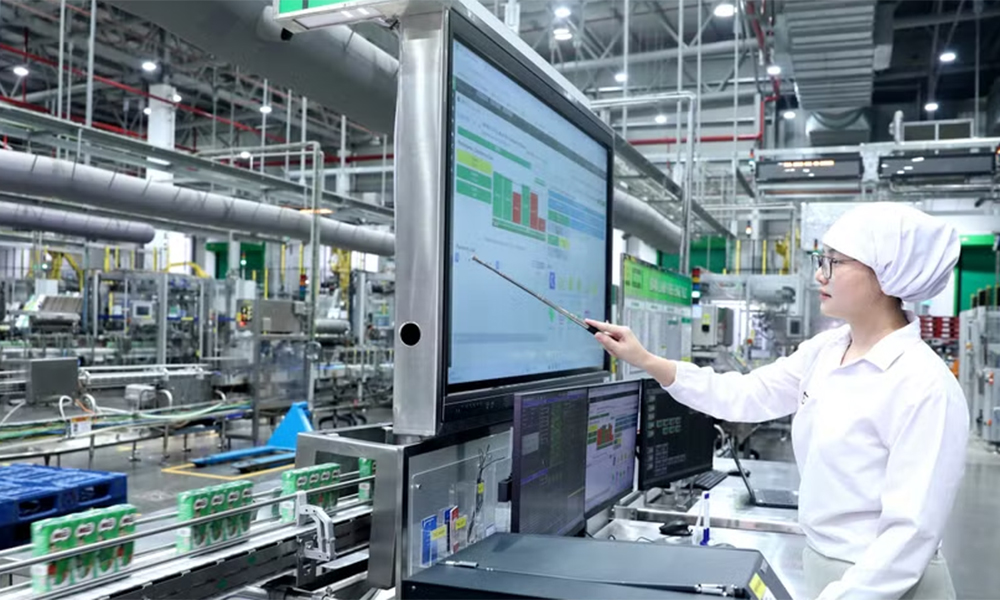
Nestlé Vietnam is a 100% foreign-owned enterprise (Switzerland) that has continuously increased its investment capital and expanded operations in Hung Yen since 2017. |
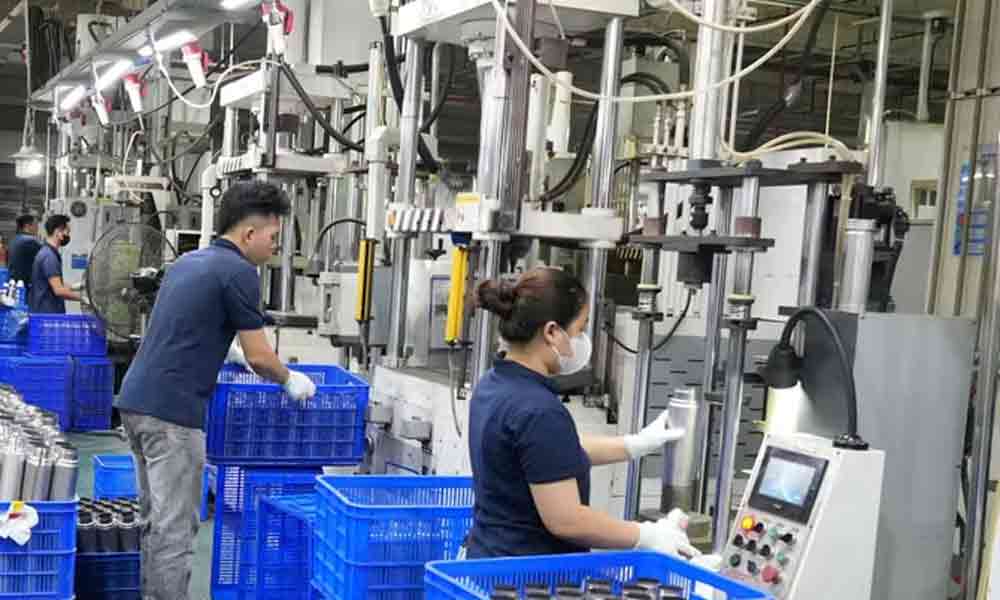
As FDI enterprises in electronics, optical products, computers and high-tech industries expand production and supply chains in Vietnam, demand for industrial land, factories and warehouses is rising accordingly.
Policies strengthen investor confidence
According to the National Statistics Office, disbursed FDI in the first eight months of 2026 was estimated at 17.25 billion USD, up 12% year-on-year and the highest eight-month figure in five years.
Processing and manufacturing remained the dominant sector, attracting 14.24 billion USD, or 82.6% of the total.
While Vietnam’s appeal was once largely attributed to labour costs, land availability and geographical location, it is now increasingly underpinned by an industrial ecosystem capable of meeting the stringent requirements of multinational corporations.
Key advantages include an open policy environment, improving inter-regional transport connectivity and a growing supply of quality industrial property.
Nguyen Phuoc Thuan, Director of Industrial and Office Leasing at Cushman & Wakefield Vietnam, said investors today are looking beyond attractive opportunities and competitive commercial conditions, with increasing attention being paid to investment transparency, policy stability and the ability of authorities to coordinate and support projects throughout implementation.
The Government is continuing to introduce policies to create a favourable investment and business environment for FDI enterprises.
Politburo Resolution No. 10-NQ/TW, dated June 8, 2026, on the development of the foreign-invested economic sector, is seen as a positive signal that strengthens international investor confidence and demonstrates the Government’s commitment to supporting foreign investors.
The resolution sets strategic orientations for attracting a new generation of FDI, focusing on high technology, innovation and sustainable development.
It also calls for an integrated investment ecosystem linked with capital markets, international financial centres, free trade zones, economic zones, industrial parks and logistics infrastructure, alongside pilot mechanisms with outstanding institutional frameworks to attract high-quality capital while controlling risks.
Meanwhile, the amended Investment Law and Decree No. 96/2026/ND-CP continue to improve the investment environment towards greater transparency, convenience and competitiveness.
The draft Investment Law further eases market-access conditions and reduces barriers and compliance costs for foreign investors while maintaining the principles of openness, transparency and consistency.
Savills Vietnam said FDI’s impact on the property market extends beyond the industrial segment.
New investment generates demand for jobs, offices, housing, retail space, hotels and serviced apartments, creating spillover effects across multiple property segments.
Savills also noted major investments in education, healthcare and energy infrastructure, helping diversify the economy’s growth base. Against this backdrop, industrial property most clearly reflects the combined impact of FDI and connectivity infrastructure.
Inter-regional connectivity upgraded comprehensively
 |
|
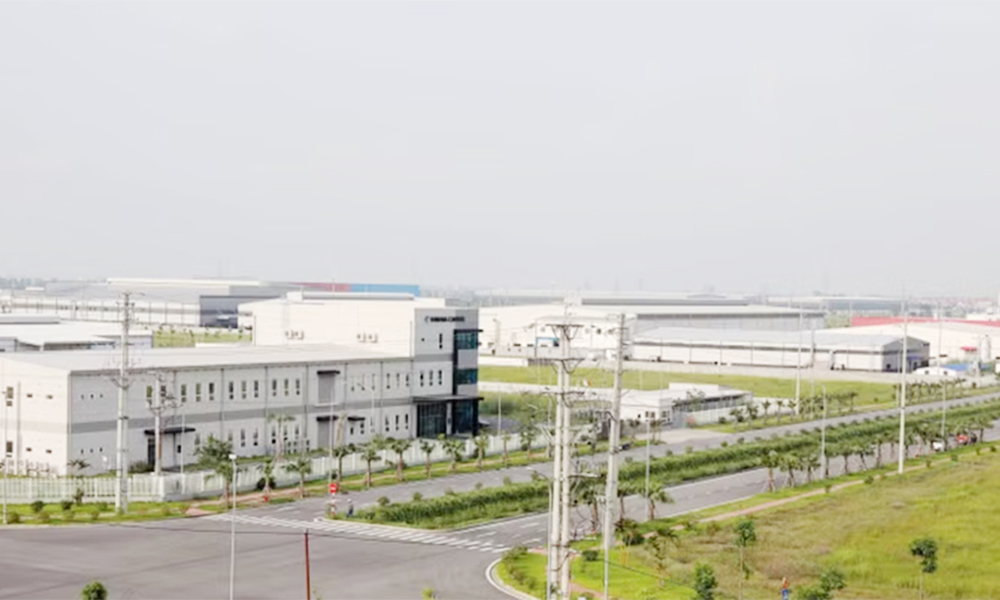
Hung Yen focuses on developing eco-industrial and smart industrial parks that meet Net-Zero standards, featuring circular waste treatment infrastructure, renewable energy usage, and guaranteed environmental buffer zones. (Photo: VNA) |
Infrastructure and transport networks are being extensively planned and upgraded nationwide, strengthening regional connectivity and logistics capacity, a key factor directly supporting industrial property.
In the south, the Ho Chi Minh City People’s Committee is seeking feedback on the master plan for the city for 2025-2050, with a 100-year vision, with multimodal network of expressways, strategic ring roads such as Ring Roads 3 and 4, the Ben Luc-Long Thanh and Ho Chi Minh City-Moc Bai expressways, national and high-speed railways connecting industrial parks, seaports and airports, as well as seaports, inland container depots and integrated logistics centres.
These developments are creating a more favourable operational foundation for industrial projects.
In the north, Dong Anh, Me Linh and Soc Son are envisioned as a driving force for international integration and centres for services, trade, logistics and high-tech industry linked with Noi Bai International Airport.
Key metro lines, including Lines 2, 10 and 14, are being developed, while the completion of Ring Road 4 and the expansion and upgrading of Noi Bai Airport, together with logistics centres and international free trade zones, are expected to strengthen the region’s position on the national production and logistics map.
According to Avison Young Vietnam, the shift of global supply chains into Vietnam is accompanied by increasingly demanding requirements for infrastructure quality and operational readiness.
Businesses are seeking not only land but also complete technical systems, from power and water supplies to logistics and supply-chain connectivity.
As land availability gradually becomes more limited in some key markets, the development of modern, multi-storey factories and warehouses is emerging as a natural solution to maximise land-use efficiency.
According to Thuan, this trend is consistent with the orientation of Resolution 10-NQ/TW, as Vietnam shifts from simply attracting capital towards projects with higher technological content, greater added value and higher operational standards.
Vietnam’s growth story is about not only the pace of growth but also where growth is taking place and how effectively growth centres are connected.
As ring roads, metro lines and airport connectivity infrastructure are gradually completed in the coming years, demand for housing, industrial property, retail space and hotels is expected to expand beyond traditional urban centres.
Locations with strong connectivity will have an advantage in attracting residents, businesses and investment capital.
At the same time, new economic corridors could accelerate the development of urban and commercial centres, reshaping the property value map in key localities and across the wider region.


Reader's comments (0)