 Bắc Ninh


Internal strength crucial for building export resilience
In the new era, strengthening domestic capacity will be crucial to ensuring that Vietnam’s exports grow not only rapidly, but also sustainably, contributing meaningfully to the country’s development aspirations in the new era.
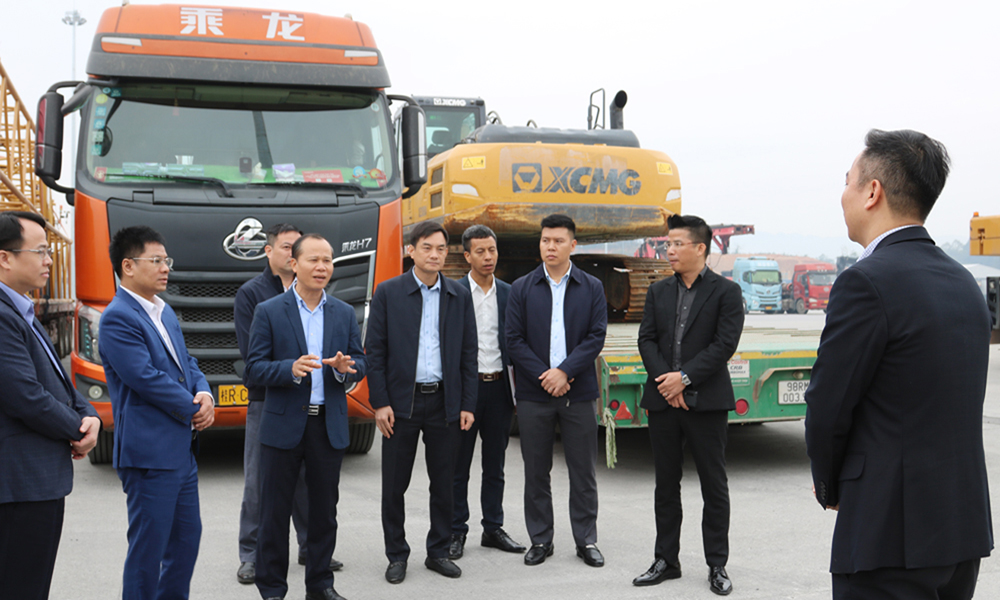
Vietnam’s exports continued to post record figures in 2025, with total turnover estimated at 470 billion USD, reaffirming their role as a key pillar of the national economy.
 |
|
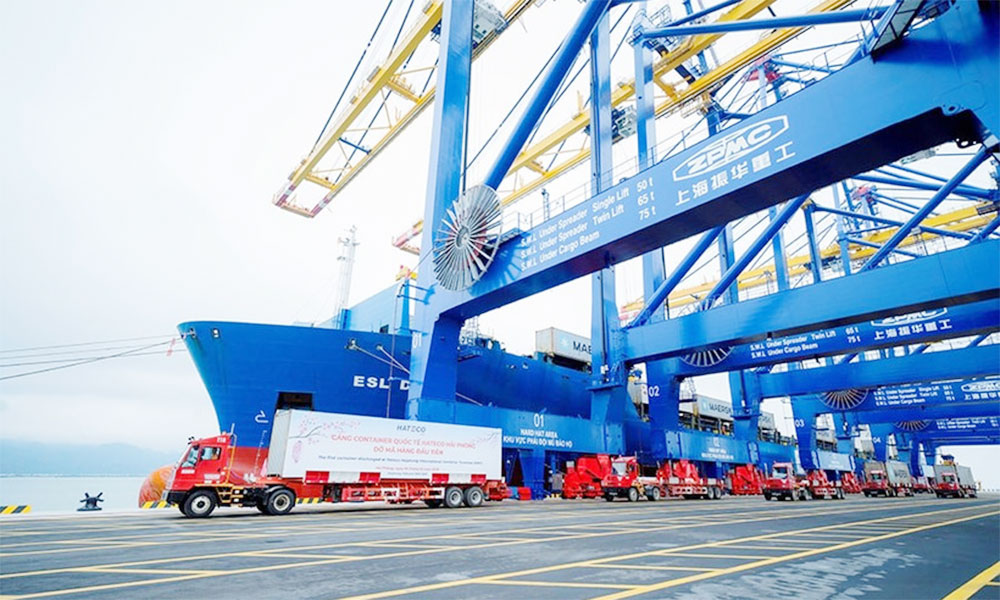
Handling export cargo at Lach Huyen Port, Hai Phong city. |
However, growing challenges, from heavy reliance on the foreign-invested sector and low domestic value added to mounting pressure from supply-chain “greening” and global trade fragmentation are prompting the need for a decisive shift toward export growth driven by internal strength and sustainability.
Nguyen Anh Son, Director of the Agency for Foreign Trade under the Ministry of Industry and Trade (MoIT), said that the 2020–2025 period marked a pivotal phase for Vietnam’s trade development.
Despite global shocks such as the Covid-19 pandemic, geopolitical tensions and supply chain disruptions, exports maintained an average annual growth of 10%. Export turnover rose from 281.5 billion USD in 2020 to approximately 475 billion USD in 2025.
Vietnam has also sustained a trade surplus for 10 consecutive years since 2016, averaging around 20 billion USD annually during 2020–2025 and peaking at 28 billion USD in 2023.
The number of export items earning over 1 billion USD in revenue, including eight posting over 10 billion USD, increased from 31 to 36, reflecting greater production and export diversification.
In 2025, Vietnam ranked among the world’s top 15 exporters, underscoring its deepening integration into regional and global supply chains.
Nevertheless, the MoIT said, structural weaknesses persist, posing great challenges to the goal of medium- and long-term sustainable development.
Globally, slower economic recovery, prolonged geopolitical conflicts, trade fragmentation, rising protectionism and stricter technical standards related to environment, labour, traceability and social responsibility are narrowing traditional export growth space.
In particular, supply-chain greening has become a mandatory requirement, placing pressure on exporters, especially small and medium-sized enterprises with limited finanial, technological, and governance resources.
Domestically, exports remain heavily dependent on the FDI sector, which accounts for about 70–75% of total turnover.
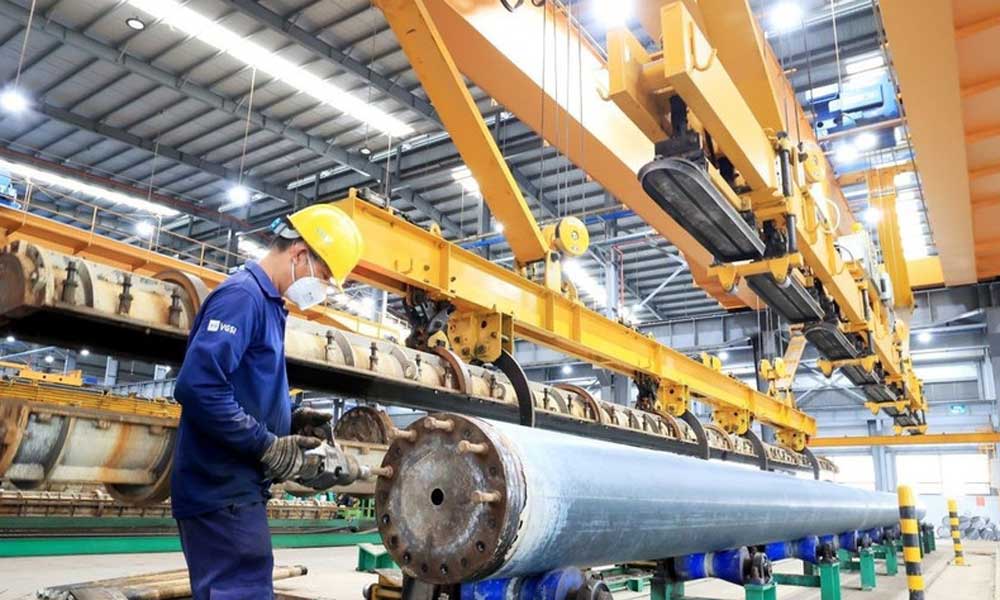
Domestic firms have yet to engage deeply in high value-added stages such as design, branding and distribution, while reliance on imported materials and components remains high. This leaves exports vulnerable to external shocks and limits domestic value creation.
In terms of markets, the US remains the largest importer of Vietnamese goods, accounting for 32.3% of total turnover, while China is the biggest exporter to Vietnam as it makes up about 40% of the latter's total imports.
The heavy dependence on the US for export and China for import create considerable risks, particularly amid increasingly fierce stategic competition among world powers.
As Vietnam targets double-digit economic growth in the coming years, exports will remain a key driver.
However, Tran Thanh Hai, Deputy Director of the Agency for Foreign Trade, noted this role can only be sustained through a shift from quantitative to qualitative growth, focusing on higher value added, technological content, locally made materials and components, and economic self-reliance.
Vietnam should step up developing foundational and core industries with sustainable and long-term value while restructuring agriculture towards modernity linked with deep processing and brand building.
Enhancing material self-sufficiency by promoting scientific research, mastering technology, and developing support industries is considered a key measure to increase domestic value, ease dependence on imports, and improve the resilience of supply chains, he added.
Efforts should also focus on diversifying export markets, capitalising on existing free trade agreements, negotiating new deals, expanding to potential markets such as the Middle East, Africa and South America, and promoting cross-border e-commerce, according to Hai.
Meeting sustainability standards in terms of environment, labour, social responsibility, and corporate governance is no longer optional but essential to enhancing competitiveness, reducing trade risks, and ensuring long-term growth, said Dr. Nguyen Thi Thu Trang, an expert in law and international economic integration.
In the new era, strengthening domestic capacity will be crucial to ensuring that Vietnam’s exports grow not only rapidly, but also sustainably, contributing meaningfully to the country’s development aspirations in the new era.




Reader's comments (0)