 Bắc Ninh


Kinh Bac, cradle of Vietnamese culture
BAC NINH- The name of Kinh Bac evokes the depth of memories. Kinh Bac is not only a destination but it is also a symbol of culture, the accumulated layers of history, customs and essence of Vietnam. This name reminds of a sacred land in the north of Thang Long imperial capital, where the land and people crystallized into a tradition of enduring cultural refinement.
Long time ago, this land was called Vu Ninh then Kinh Bac. Going through changes of history with separations and mergers, the administrative boundary had been narrowed and expanded but the name of Kinh Bac is still there like a stable geo-cultural layer.
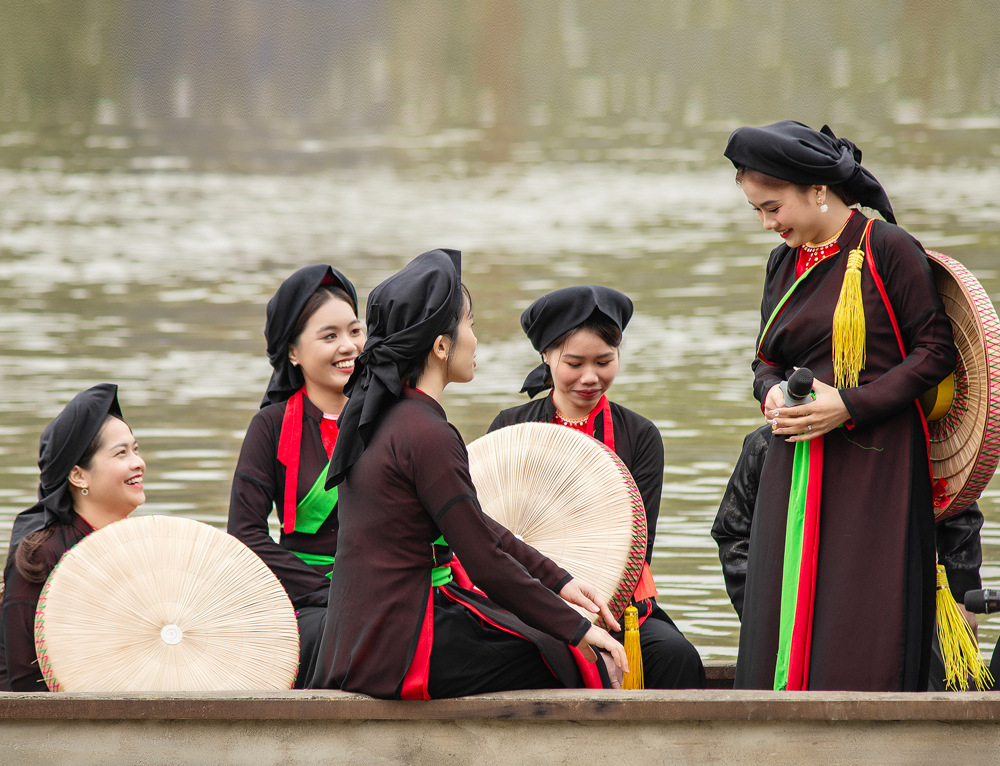 |
|
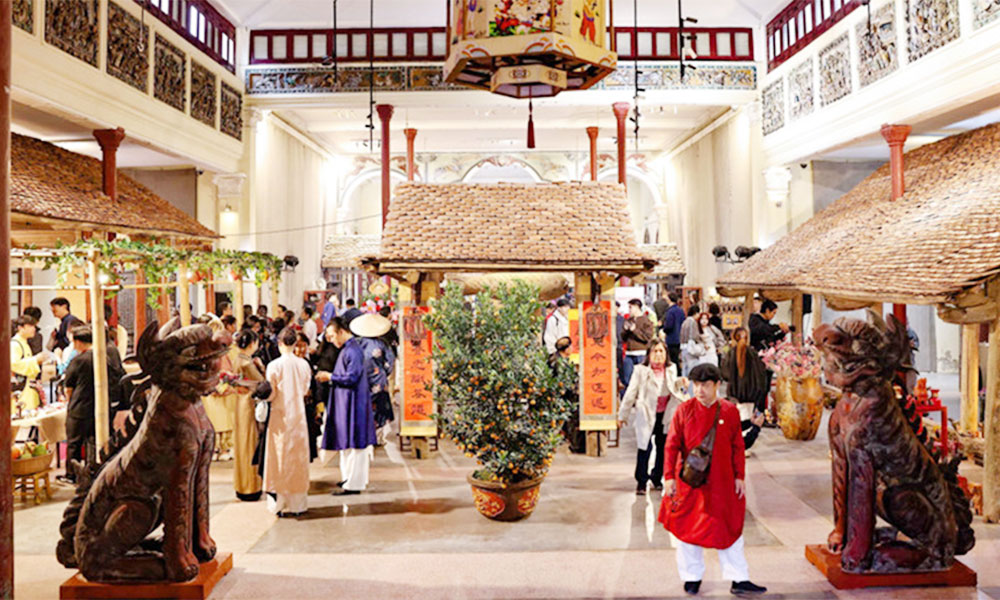
Welcoming friends in spring. |
The stream of Kinh Bac culture originated from the wet-rice agricultural civilization. The structure of village and commune is the core to link people with land and people with people.
Village communal house is “the house of the community”, where preserving the village conventions, propriety and a strong spirit of solidarity.
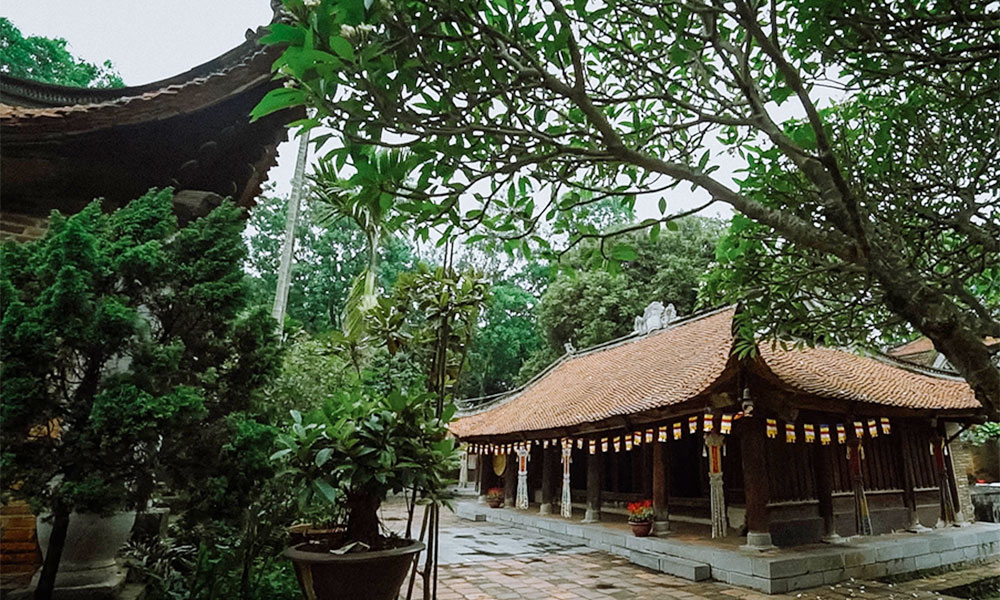
Pagoda is “the house of kindness”, where sowing compassion, cultivating inner purity and cherishing spiritual life.
Market is “the breath of livelihood”, where to exchange commodities, connect citizens and sow the harmonious lifestyle between traders and farmers.
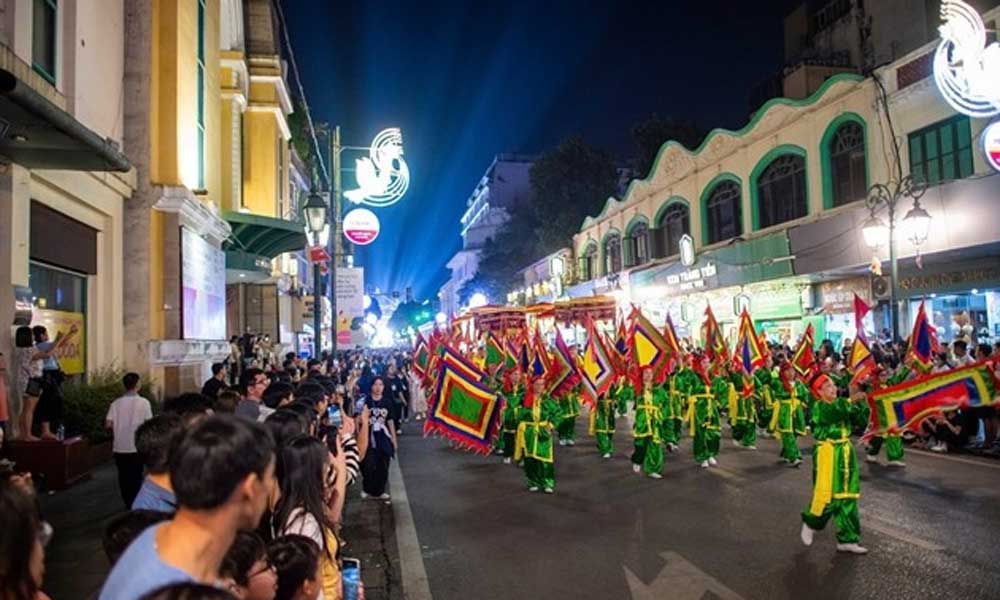
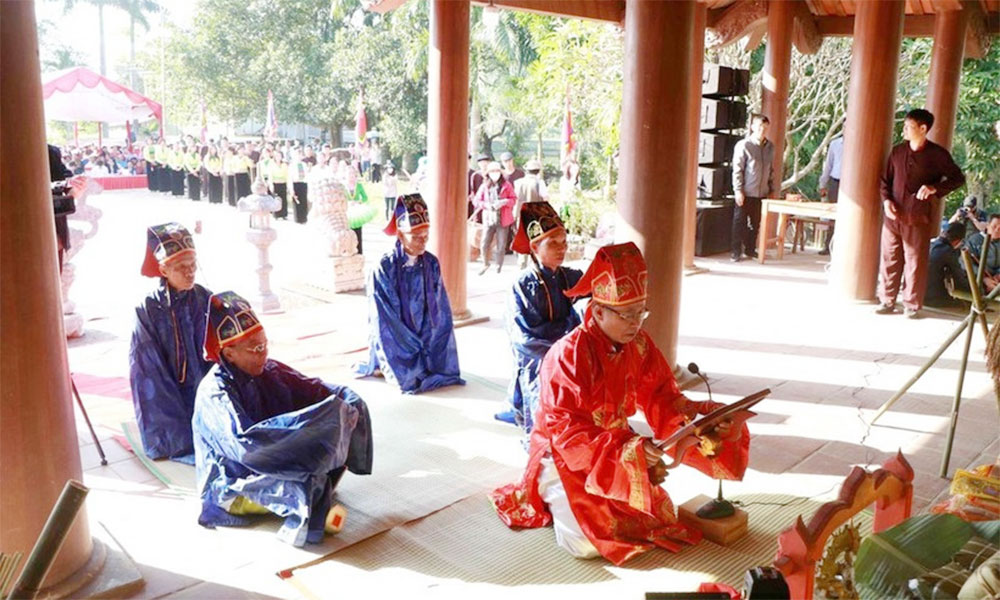
Kinh Bac region is known for its unique and refined customs. The traditions of festivals and rituals are both solemn and vibrant. Through these events, Kinh Bac people have developed a strong awareness of their origins, a deep sense of gratitude, and a resilient cultural strength in the face of the changing times.
Kinh Bac is also the land of religion. This land saw the harmonious integration the Three Teachings like three streams flowing into a single current.
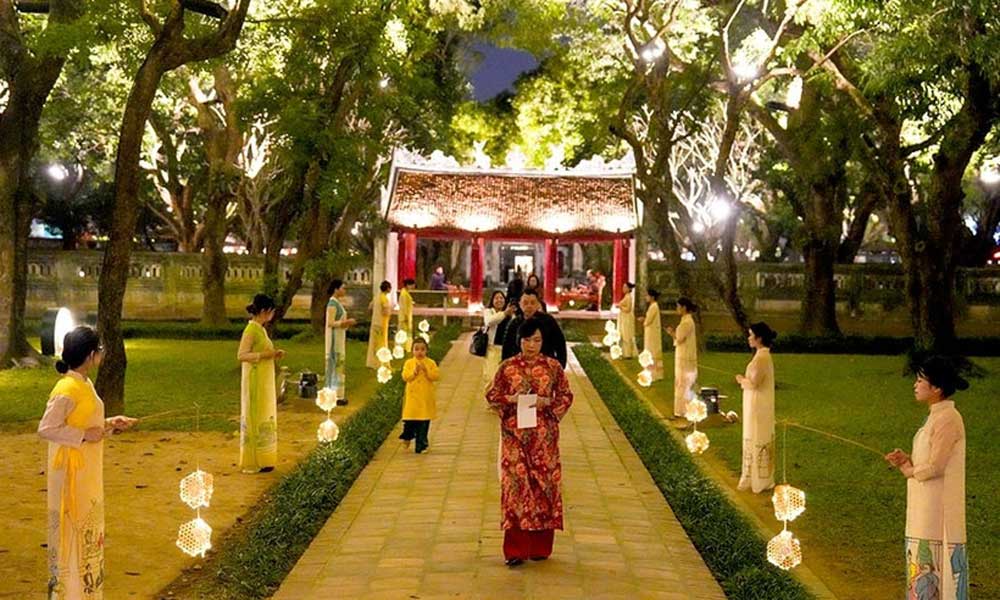
Confucianism illuminated the traditions of learning and ritual propriety, shaping a legacy of scholarly achievement and the disciplines of village life.
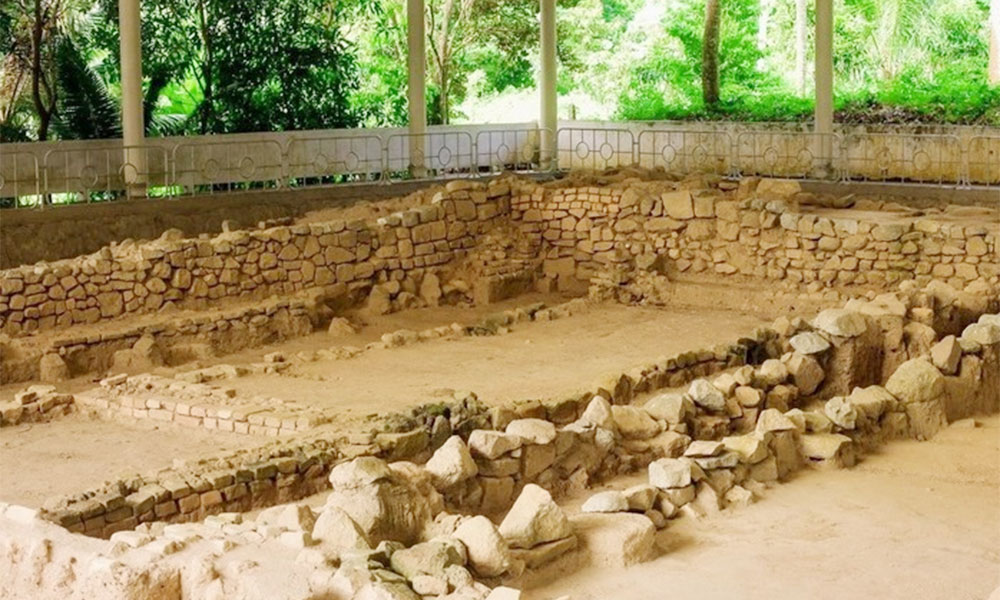
Buddhism entered this land early, taking deep root from the center of Luy Lau and ancient pagodas such as Dau Pagoda and To Pagoda, nurturing a spiritual life characterized by compassion and tolerance.
Kinh Bac is also known as the land of learning tradition. The tradition of learning fondness is not just a habit but a core value.
From the village to the province, from the province to the capital city, generations of Confucianism classes in Kinh Bac glorified the national imperial examination system.
The villages famous for learning tradition including Mao Dien, Tam Son, Dinh Bang, Diem and Dong Cuu are known as “the home of folk knowledge” in the northern delta region.
Many talented people were born in this land such as Ly Cong Uan, Ly Thuong Kiet, Le Van Thinh, Than Nhan Trung and several eminent scholars and great generals, who shared the similarity that “learn to construct and protect the nation and learn to become kind persons”.
The culture of Kinh Bac is not a closed golden page but it is a stream to open up and nurture Vietnamese spirit in each era.
Wherever they go, Kinh Bac people are featured with learning tradition, etiquette and a graceful lifestyle and humanity. It is the most valuable “intangible property” of this land.
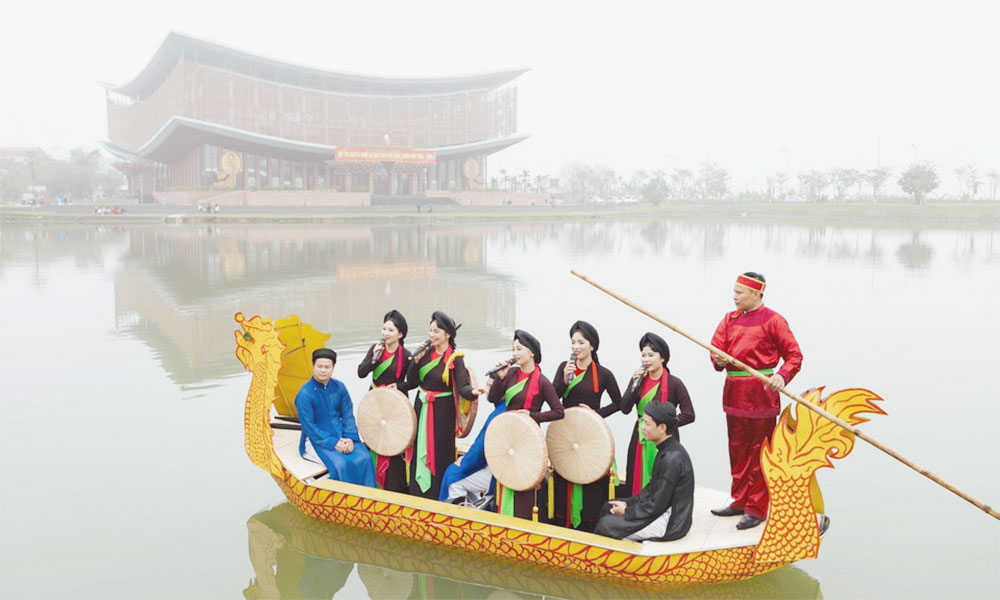
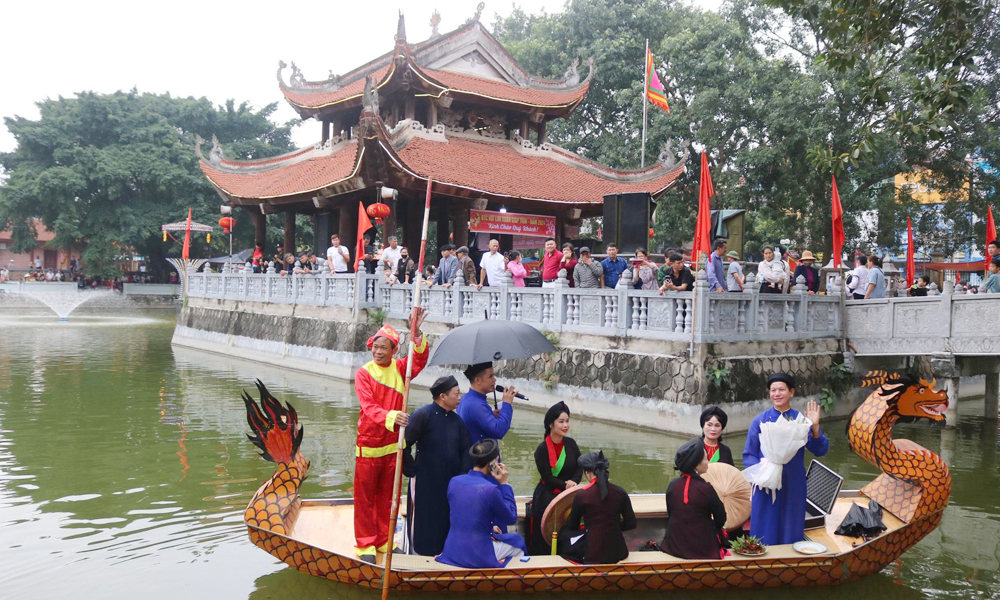
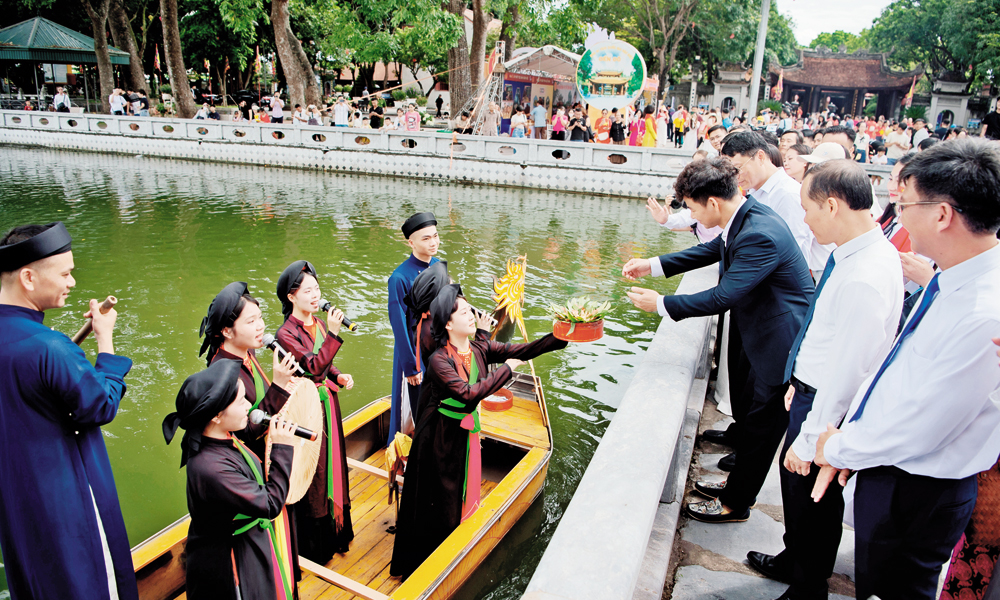
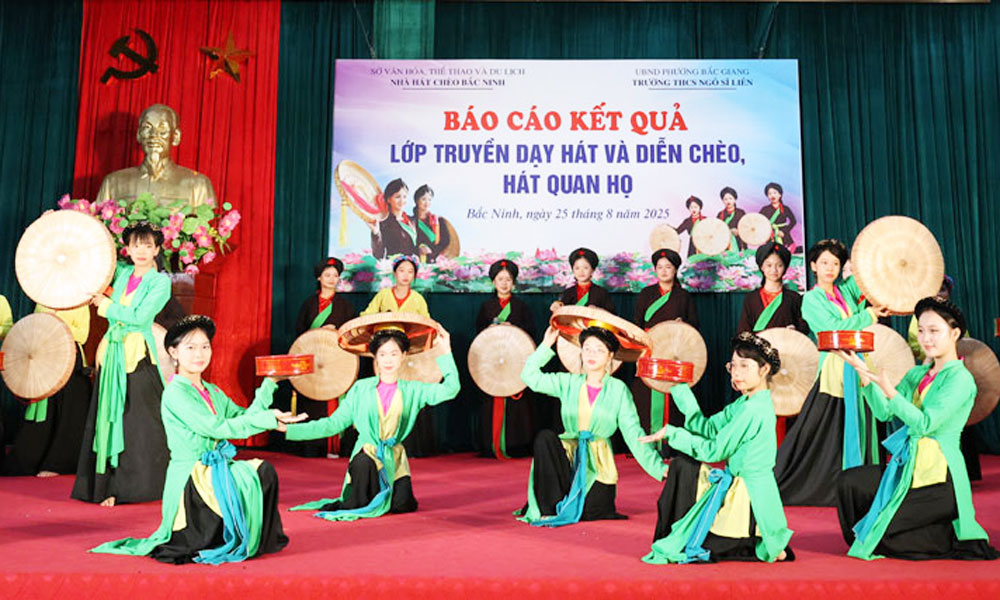
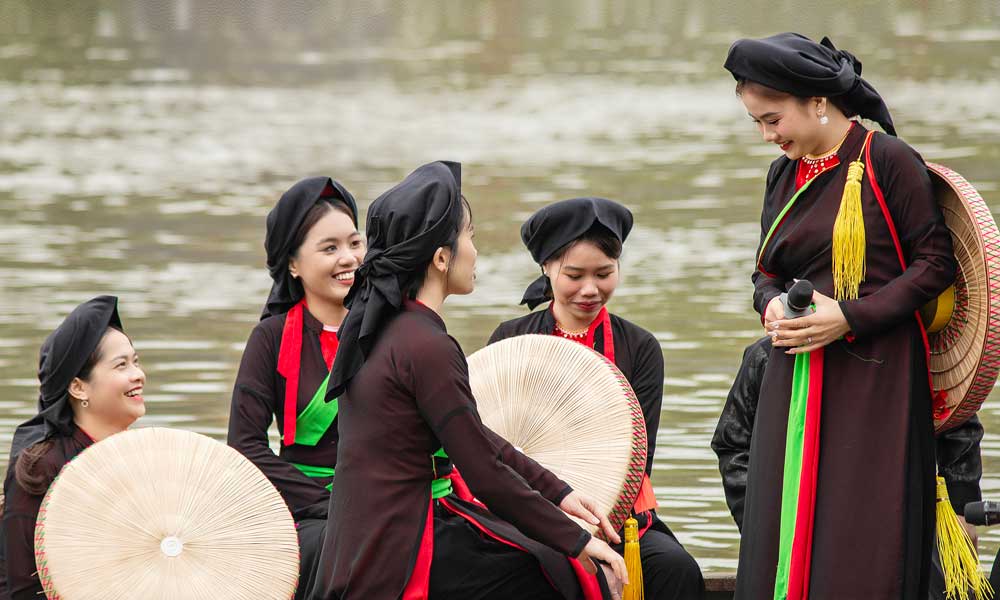
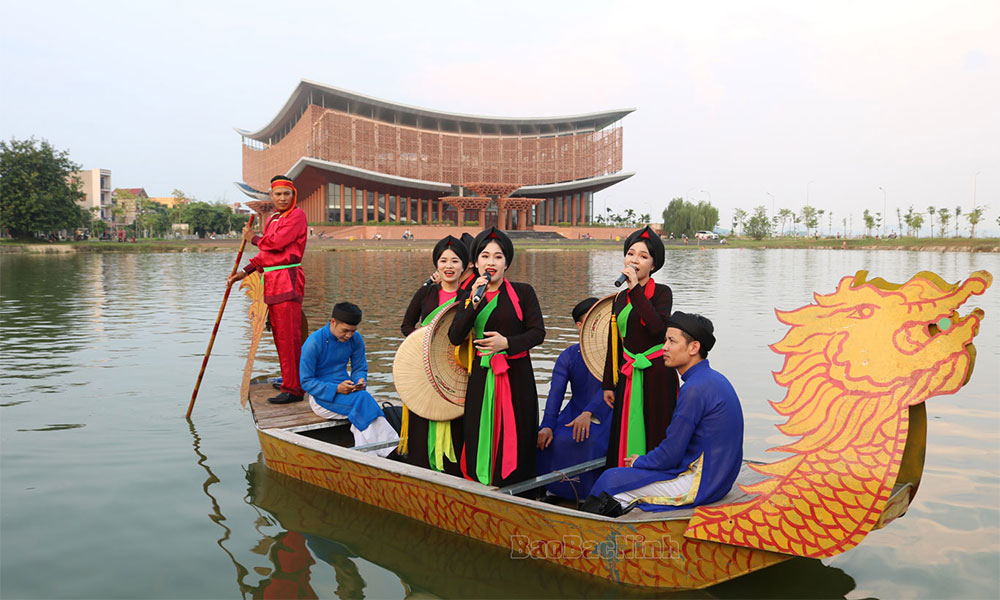
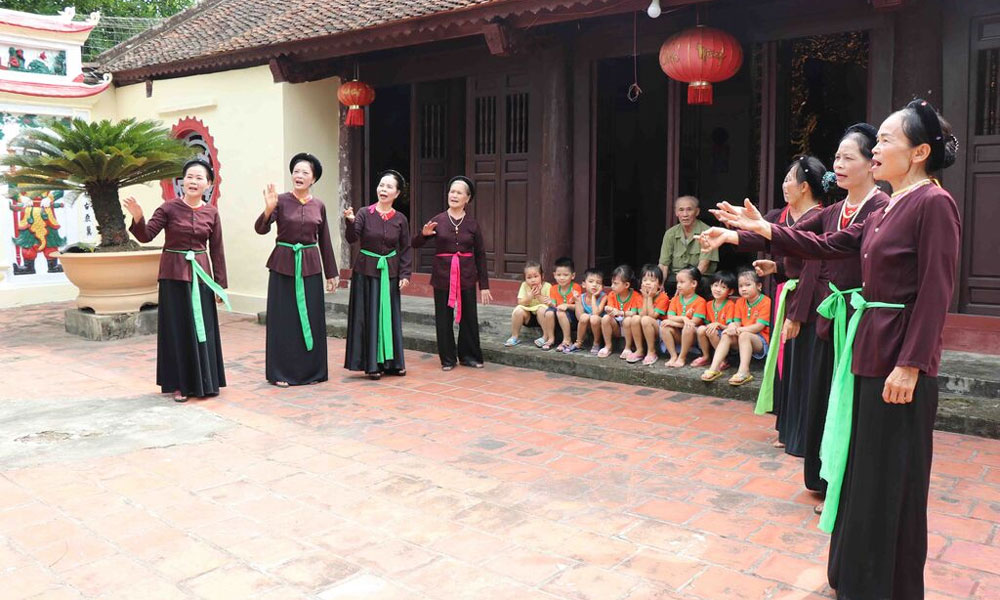
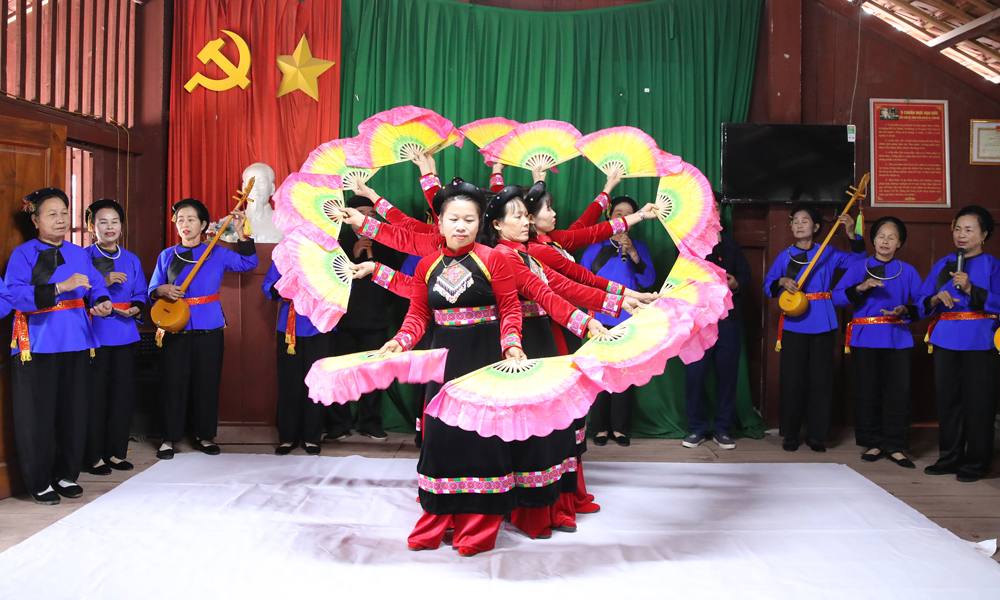
Kinh Bac is a land of arts. Quan ho folk song is the voice of human kindness and moral principles: upholding friendship, righteousness and beauty. Love-duet singing sessions are not just for fun but they are also for practicing ways of behaviours.
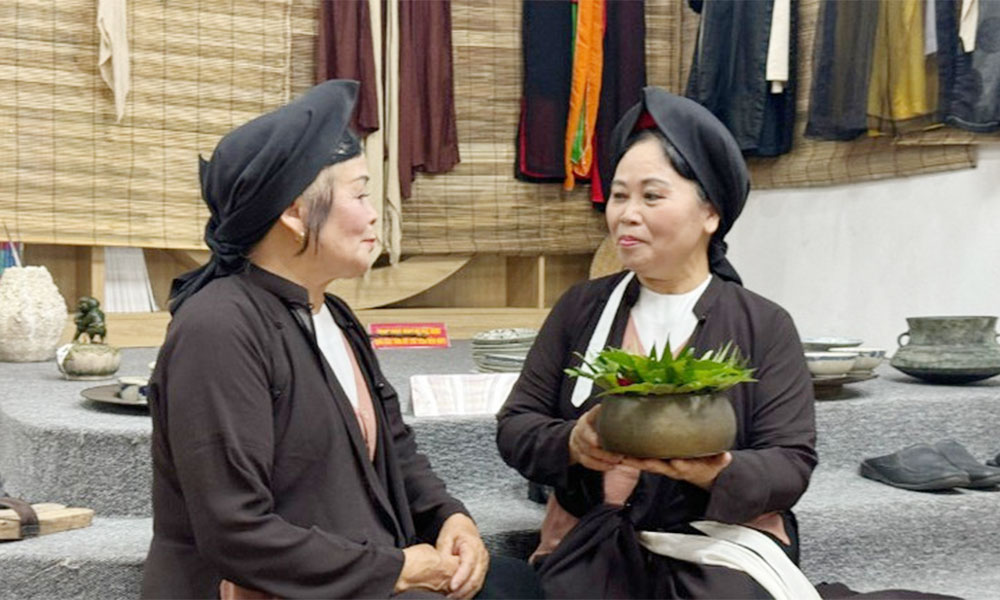
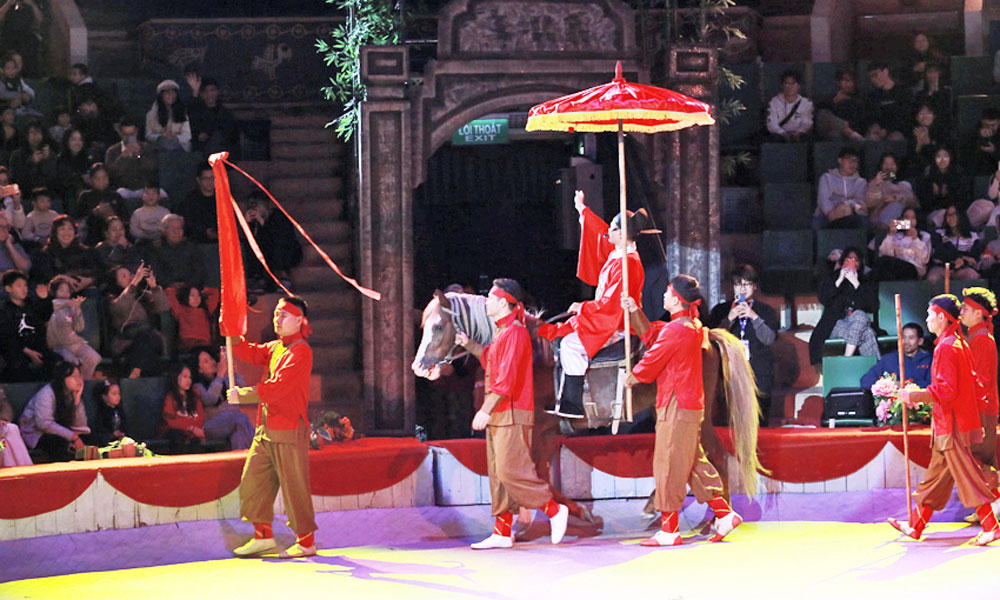
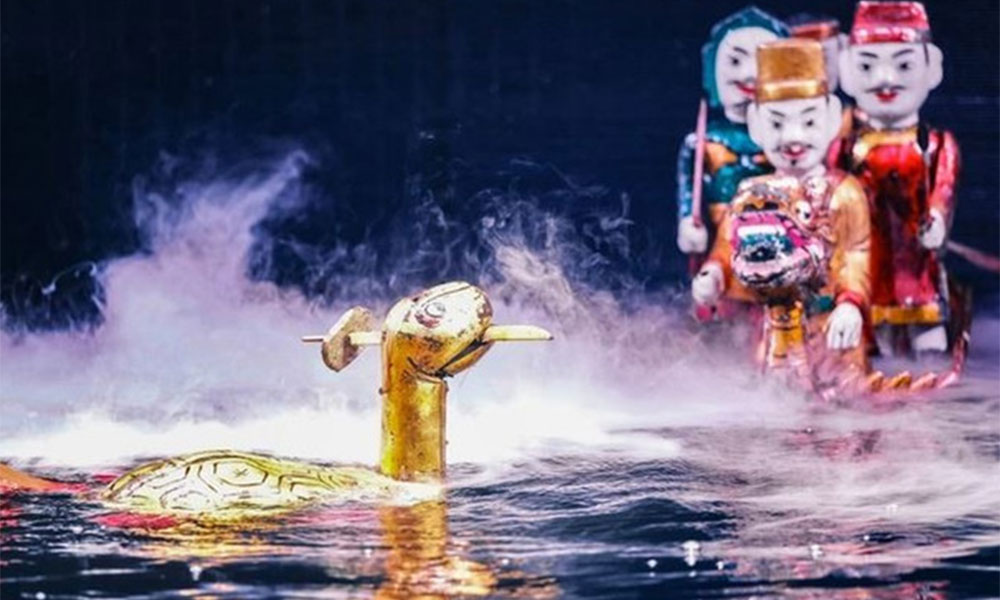
Apart from Quan ho, many other folk-art genres have been preserved in this land like Ca tru, hat cua dinh (ceremonial singing), hat tho (ritual singing), puppetry and festival performances.
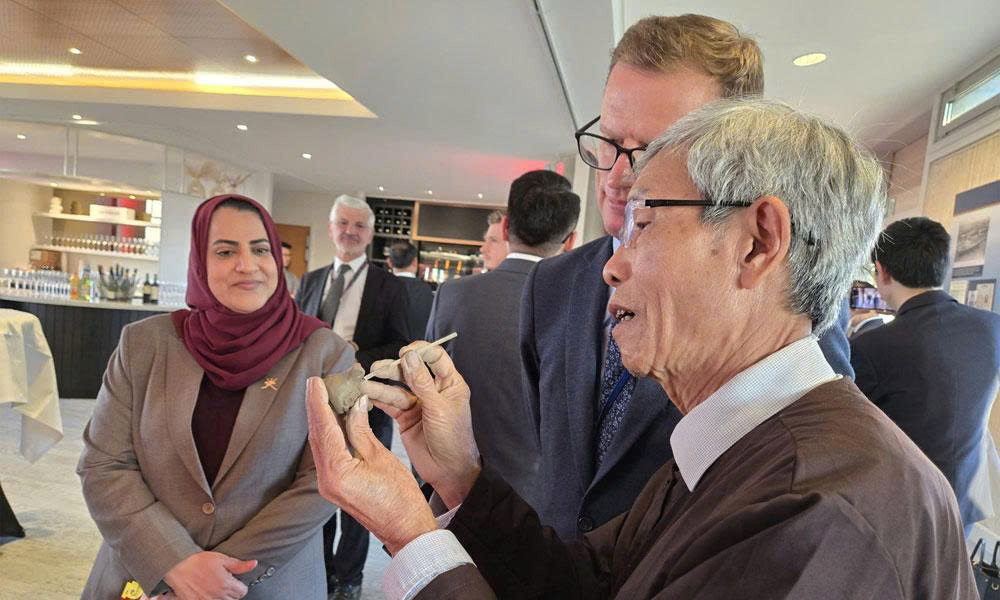
Kinh Bac handicraft villages are the places producing products by intelligence. Durable Phu Lang pottery, resounding Dai bai copper, vibrant Dong Ho folk painting, refined Tuong Giang lacquer painting, carpentry, masonry, paper making, mulberry cultivation and sericulture contribute to creating unique tangible heritages of this cultural land. Each craft village is a school of hands and temperament cultivating diligence, dexterity, perseverance and elegance.
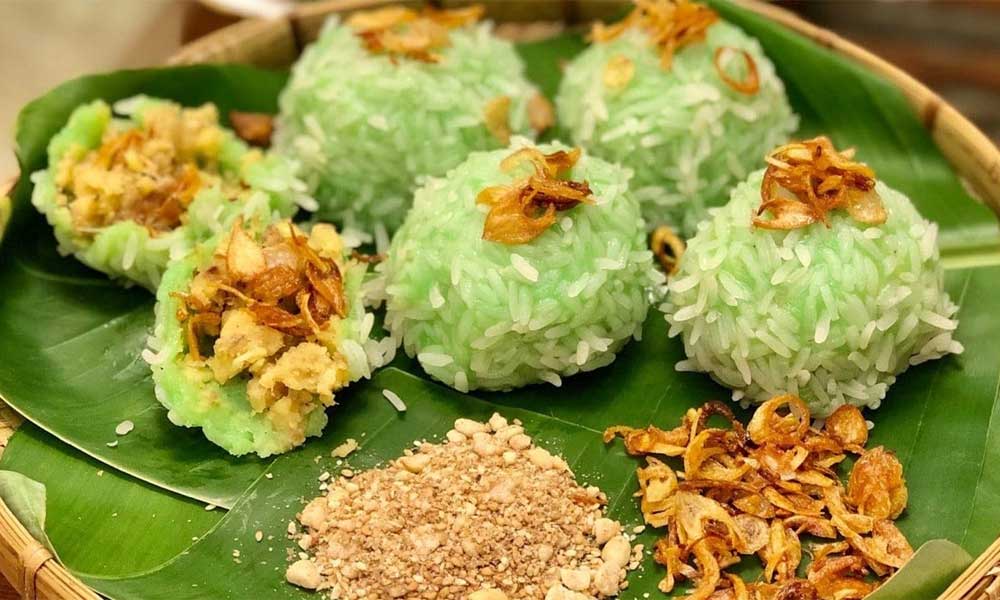
Kinh Bac cuisine is simple yet refined, featured for culture of hospitability which is unhurried, warm ever showy but deeply touching.
 |
|
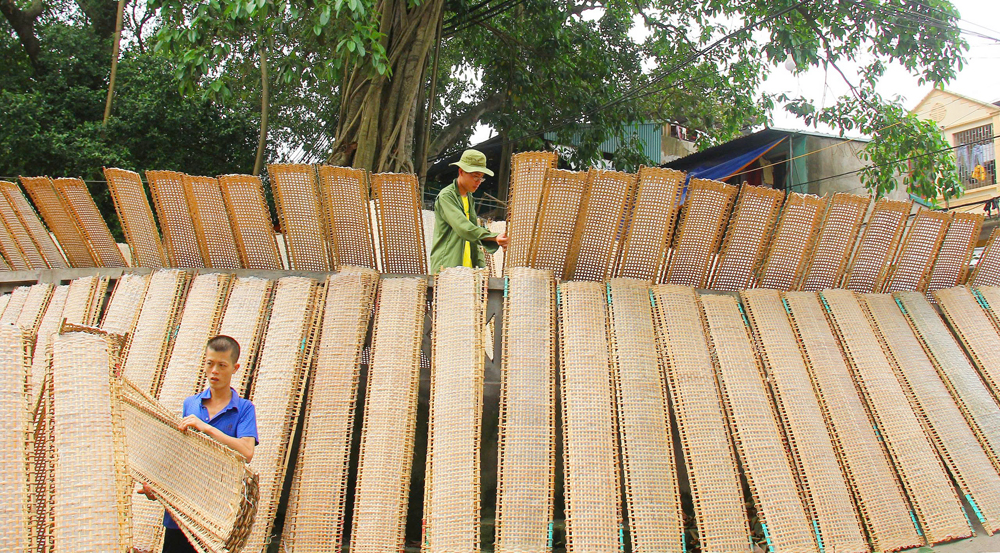
Drying rice paper in Tho Ha traditional craft village (in Van Ha ward). |
Artisans in Kinh Bac region both preserve tradition and slightly open new paths so that tradition is not merely in memory, but a living source of vitality.
Each Dong Ho folk painting, each Quan ho melody, each pottery kiln glowing with fire… is an echo from the deep wellspring of cultural roots.
The current Bac Ninh and Bac Giang are two sides of one cultural stream. Cau river is both administrative boundary and a bridge of cultural connection.
The original Quan ho village belonged to both northern and southern banks of Cau river. The tradition of making friends, singing gatherings, betel offering and duet singing has crystalized into one enduring tradition.
One stream of folk songs, echoing along the two banks, gives listeners the feeling that Kinh Bac is a “common sky” sheltering humanity.
.jpg)



Reader's comments (0)