 Bắc Ninh


NA begins second phase of first extraordinary session, focusing on land, housing policies
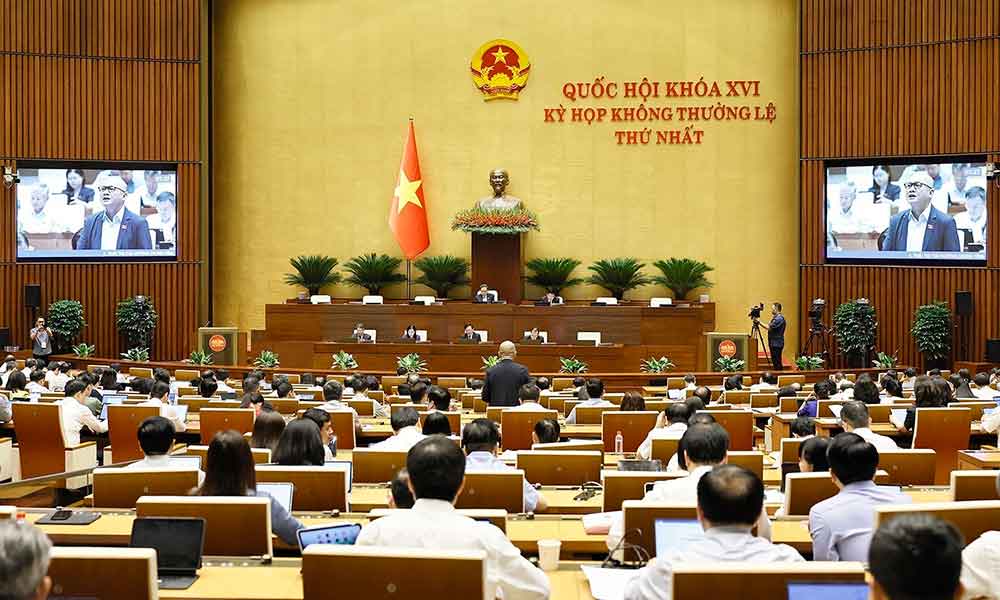
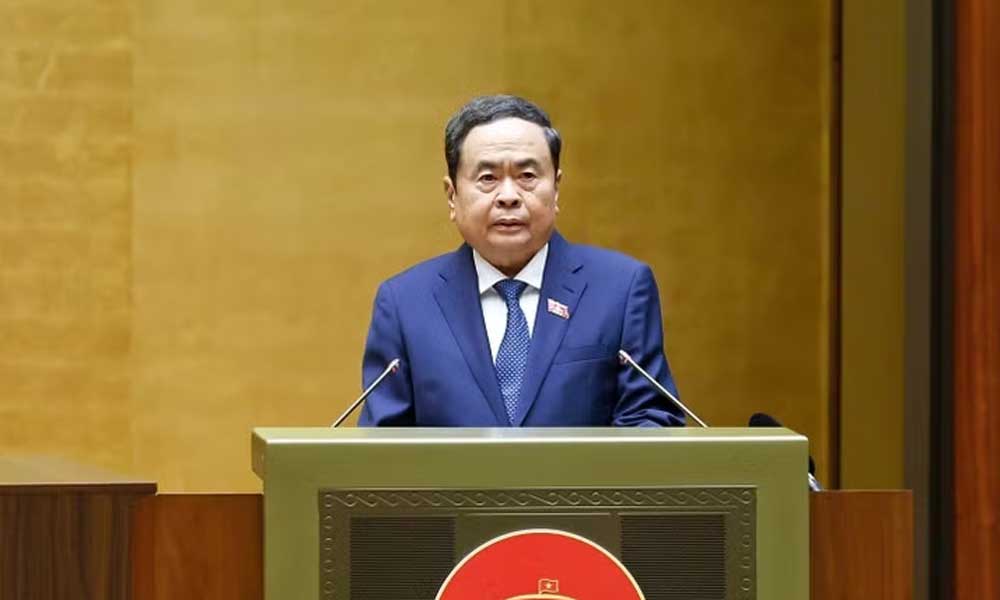
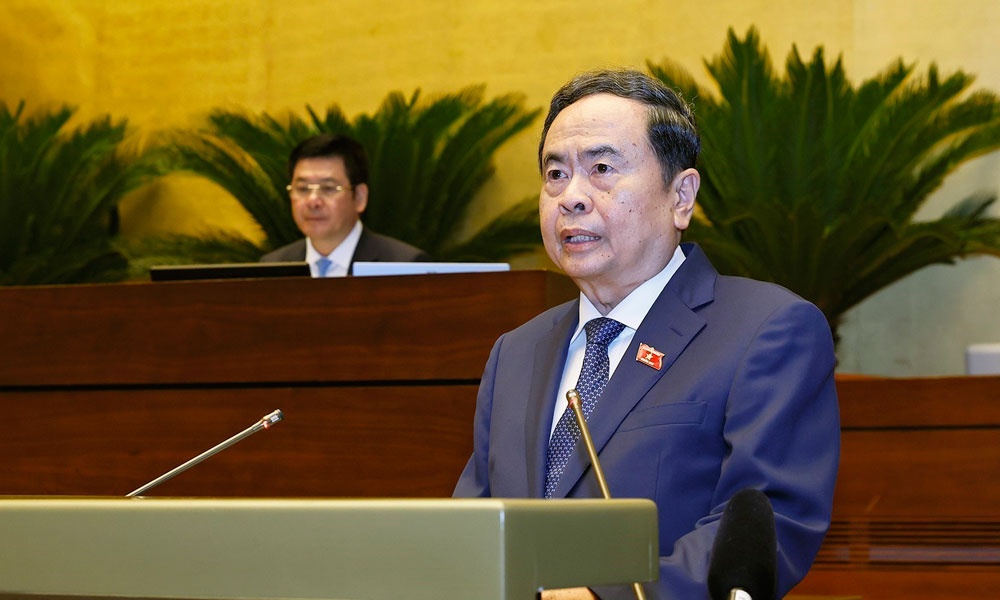
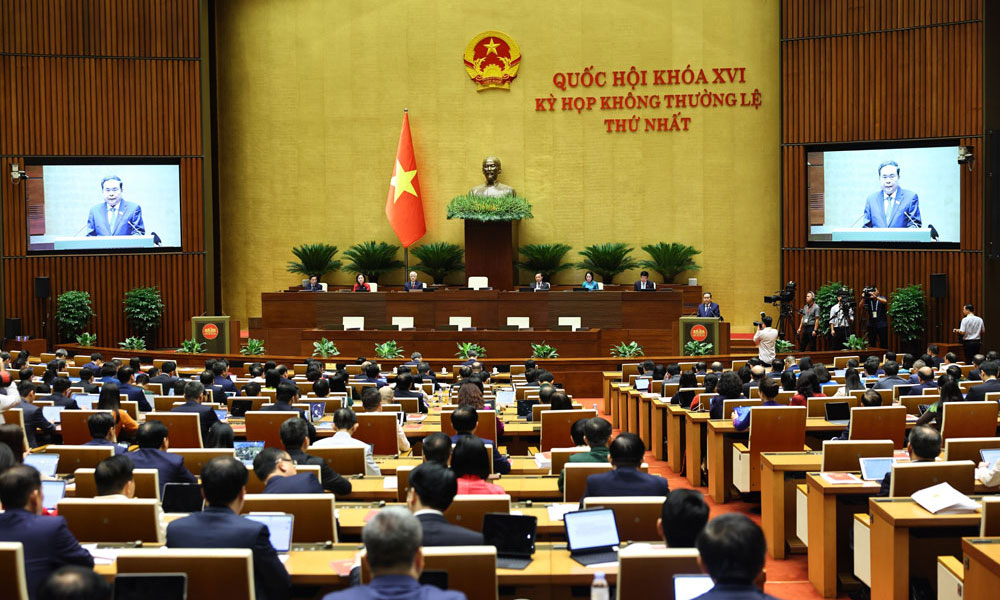
The 16th National Assembly began the second phase of its first extraordinary session on August 19, hearing presentations on policy orientations for drafting the Law on State Budget (consolidated); amending the 2024 Land Law, the 2023 Housing Law, and the Law on Real Estate Business; and the integration of four national target programmes into a single one.
The 16th National Assembly began the second phase of its first extraordinary session on August 19, focusing on policy orientations for amendments to key laws on land, housing and real estate business, alongside state budget and national target programmes.
 |
|
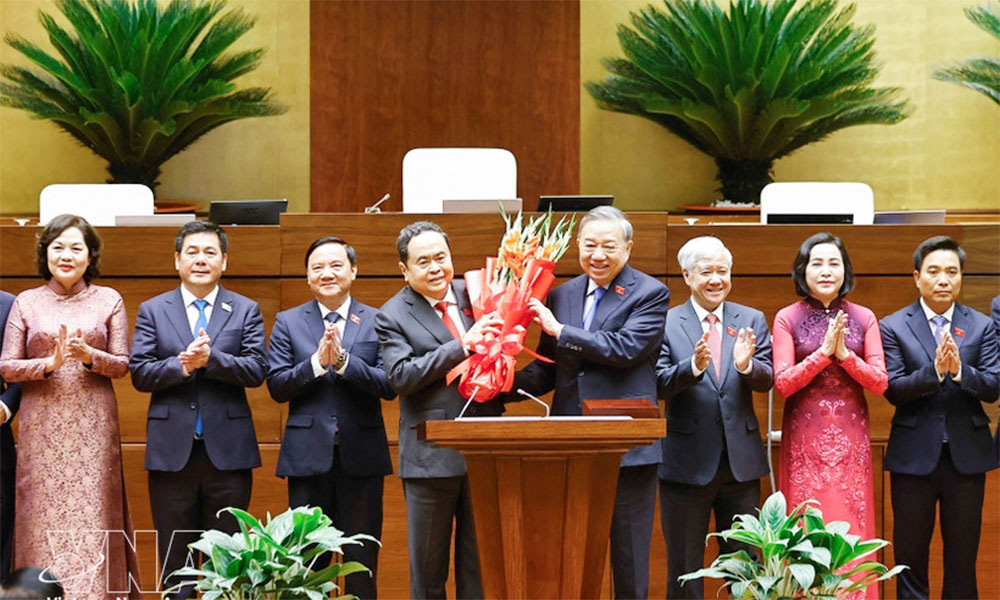
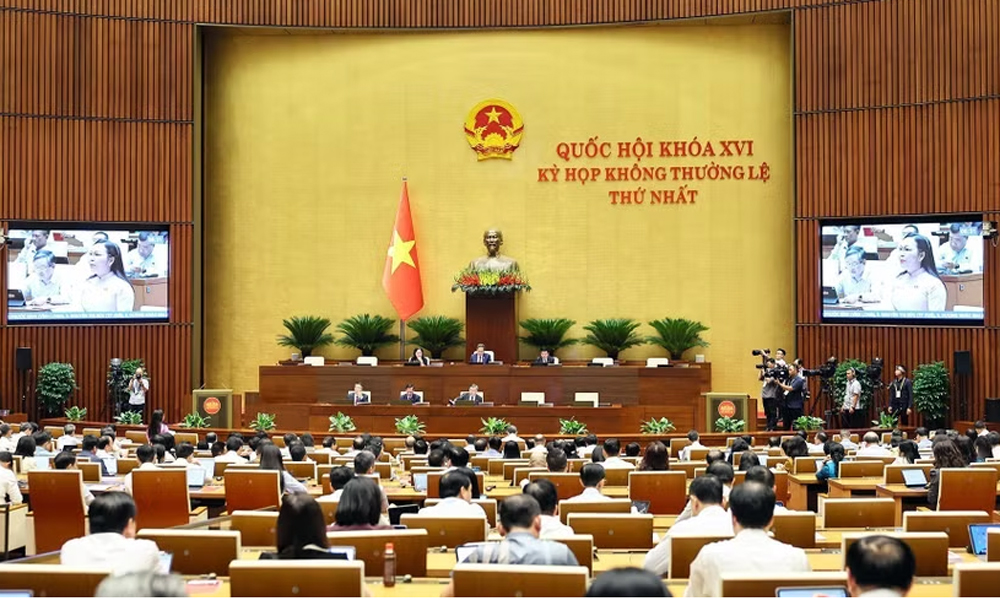
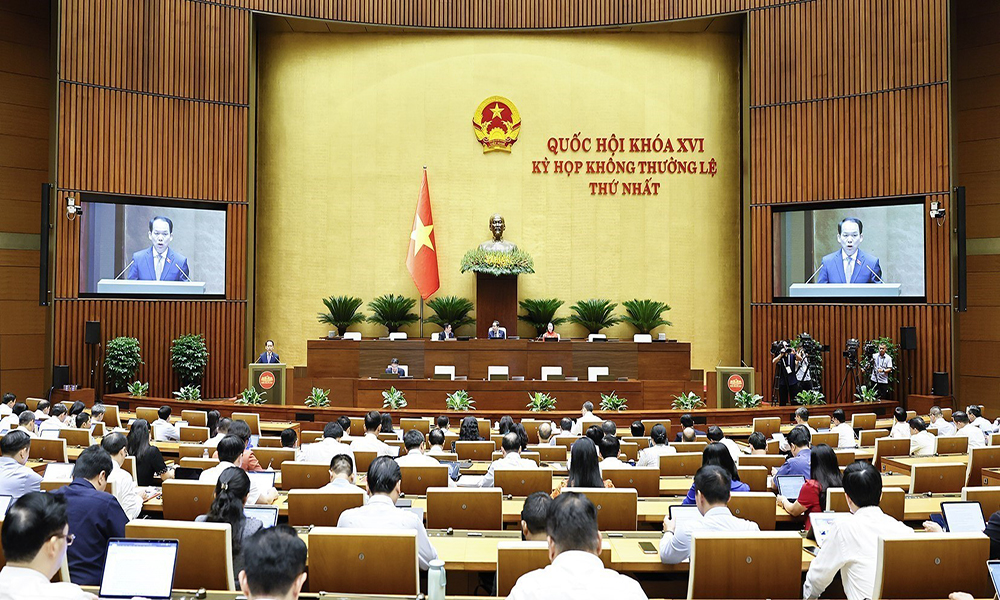
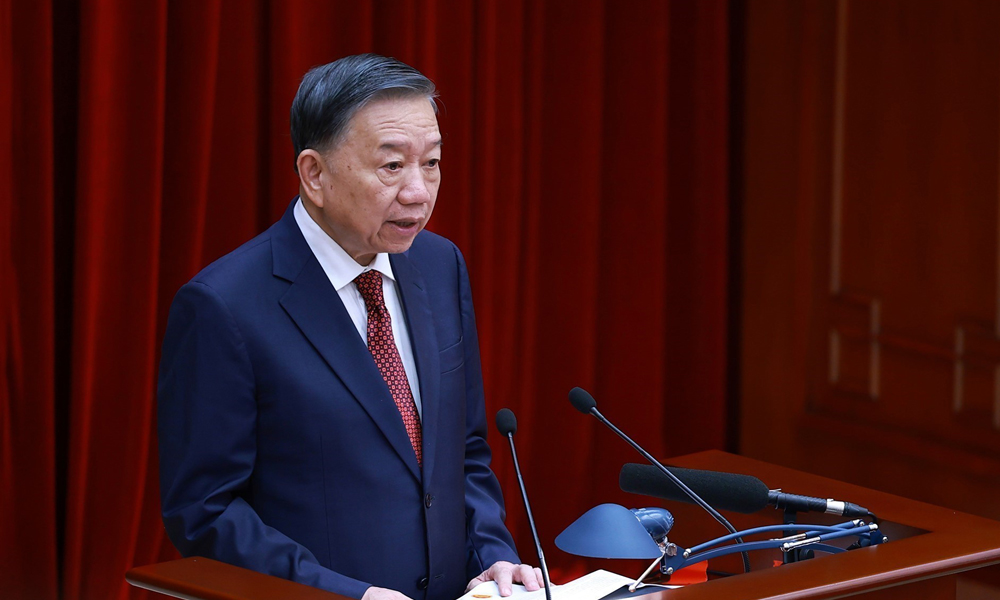
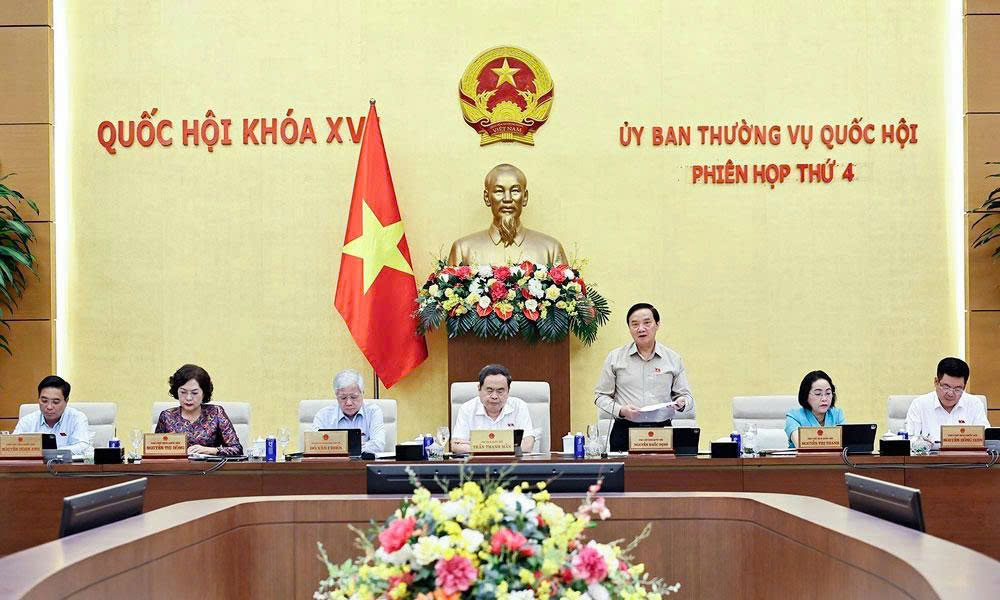
The 16th National Assembly begins the second phase of its first extraordinary session on August 19. |
During the working day, the legislature heard presentations on policy orientations for drafting the Law on State Budget (consolidated); amending the 2024 Land Law, the 2023 Housing Law, and the Law on Real Estate Business; and the integration of four national target programmes into a single one.
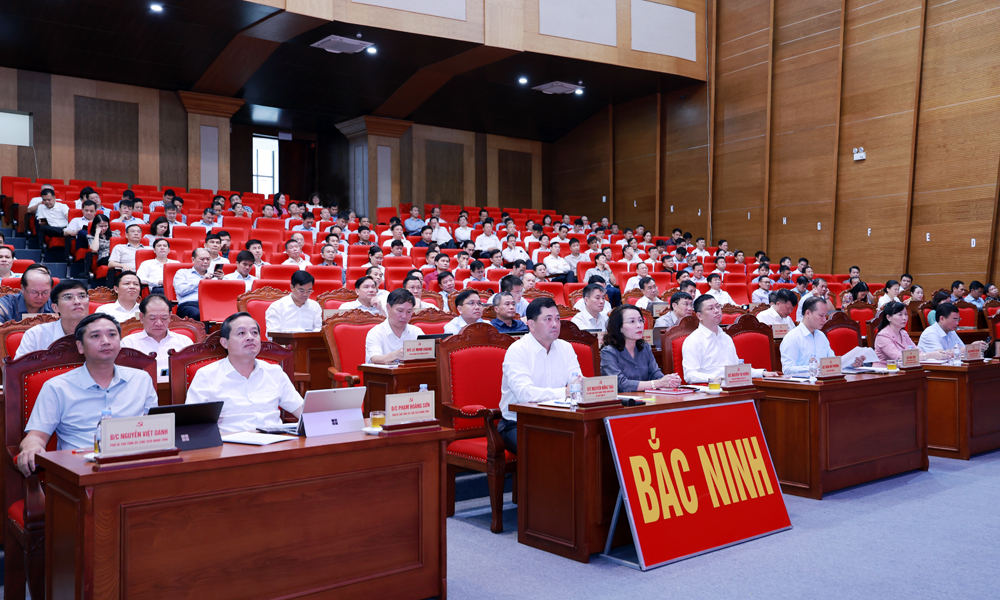
NA deputies then discussed the issues in groups.
The draft revised Land Law aims to institutionalise the Party’s guidelines on further reforming and improving land institutions and policies, creating new momentum for socio-economic development and meeting growth requirements in the new period.
Given its broad scope and direct impact on land users’ rights and obligations as well as people’s legitimate interests, the draft law is expected to be considered under a two-session process to ensure thorough study and discussion.
The amendments are based on a preliminary review of the implementation of Resolution No. 18-NQ/TW, adopted at the fifth plenum of the 13th Party Central Committee, on continuing to reform and improve institutions and policies, enhancing the effectiveness and efficiency of land management and use, and creating momentum for Vietnam to become a high-income developed country.
The Government has approved seven policy groups for revising the Land Law, focusing on land-use planning and plans; more transparent mechanisms for land allocation, leasing and changing land-use purposes; and improved procedures for land recovery, compensation, support and resettlement to balance the interests of the State, people and investors.
Other priorities include reforming land-related financial and pricing mechanisms, clarifying land users’ rights and obligations, accelerating administrative reform and digital transformation, and strengthening decentralisation, inspection, supervision and the handling of violations and disputes.
The draft revised Law on Real Estate Business focuses on reducing investment and business conditions, promoting digital transformation and developing an integrated, interconnected data system.
It also seeks to remove practical obstacles and ensure consistency with related laws while improving regulatory mechanisms to support a transparent, efficient and sustainable property market.
Meanwhile, the draft revised Housing Law aims to institutionalise Party orientations on housing and the real estate market and ensure citizens’ right to lawful accommodation; adapt housing policies to the two-tier local administration model; accelerate decentralisation, administrative reform and digital transformation; and ensure consistency across the legal system.
The draft consolidated Law on the State Budget, meanwhile, will combine the Law on the State Budget and the Law on Public Investment to reform public finance management, address overlaps and shortcomings, strengthen decentralisation and fiscal discipline, and improve budget efficiency.
Key provisions include integrating the five-year financial plan with the medium-term public investment plan and incorporating the allocation of public investment plans into annual budget allocation procedures.
The draft also clarifies authorities for planning and budget allocation and adds provisions on using increased revenues, contingency funds, and financial reserves to respond to emergencies, while improving year-end budget settlement, carry-over funds and advances.











Reader's comments (0)