 Bắc Ninh


Ready-built factories gain from new manufacturing FDI wave
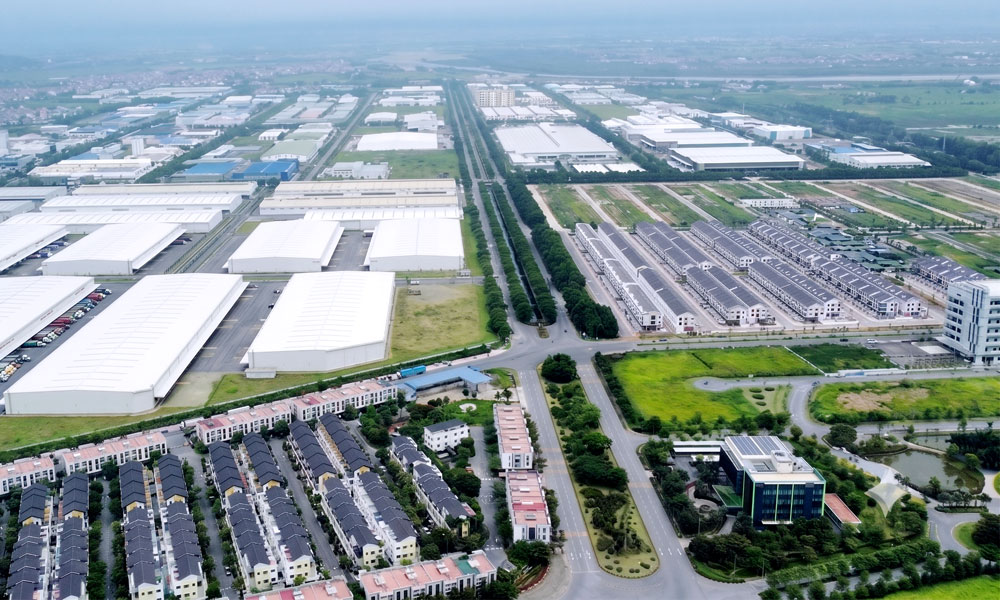
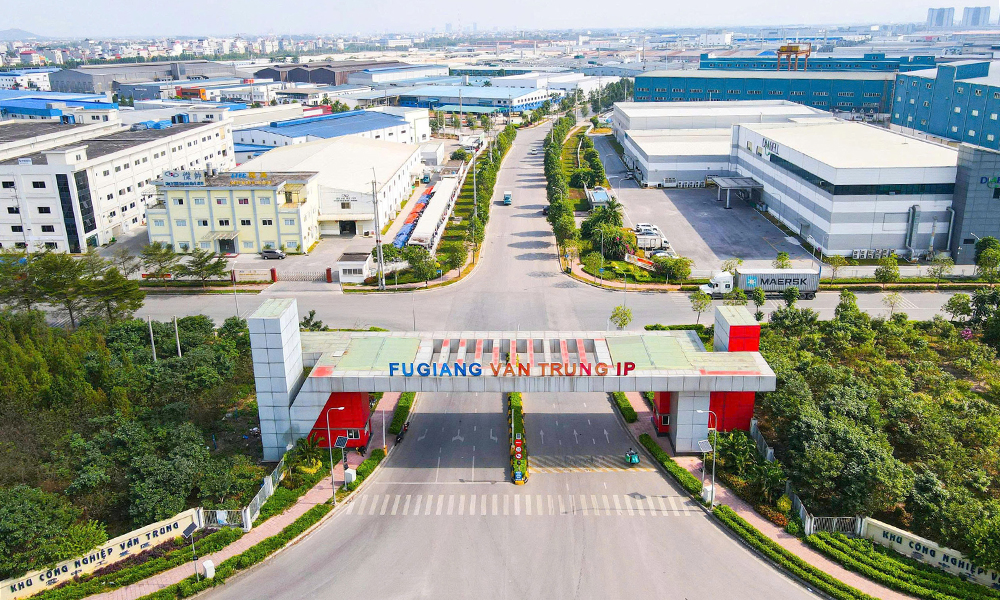
Ready-built factories attracted 73% of new manufacturing FDI in northern Vietnam over the past two quarters, as foreign investment continued to surge at the region's industrial hubs during the first eight months of 2026. The trend points to growing demand for premises that can be put into operation quickly.
Manufacturing investment continues to rise
Ready-built factories attracted 73% of new manufacturing FDI in northern Vietnam over the past two quarters, as foreign investment continued to surge at the region's industrial hubs during the first eight months of 2026.
 |
|
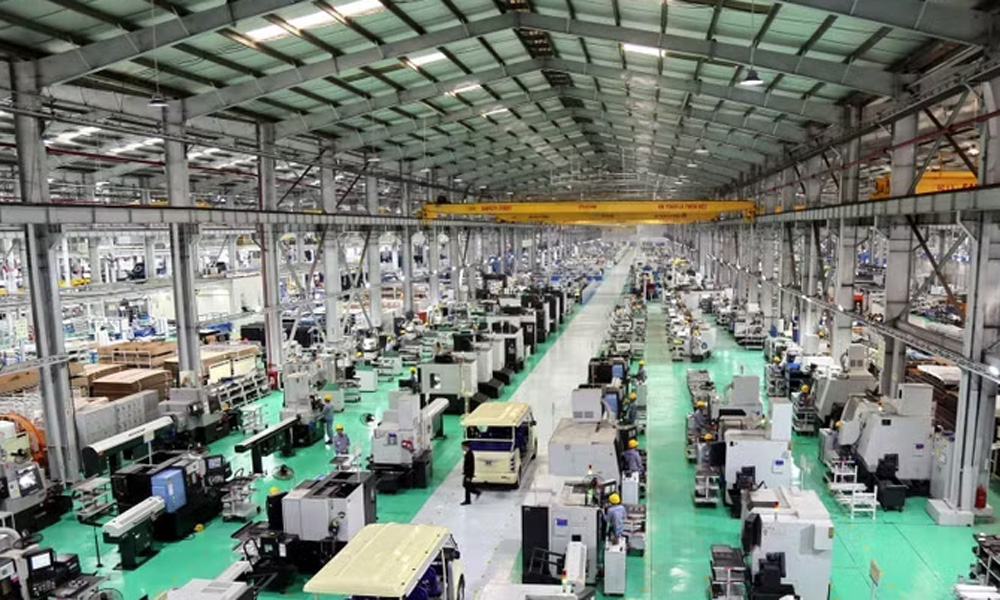
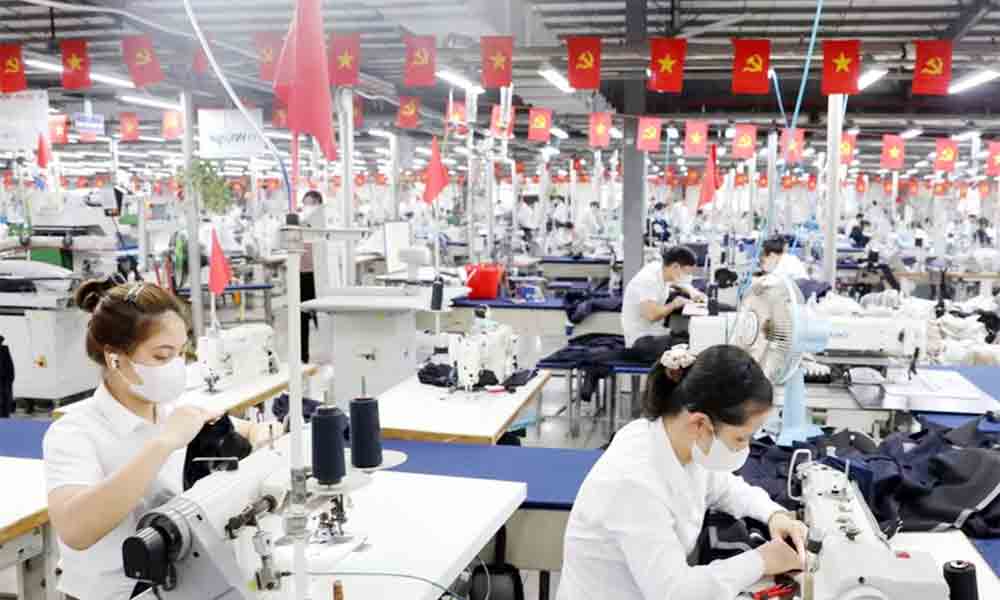
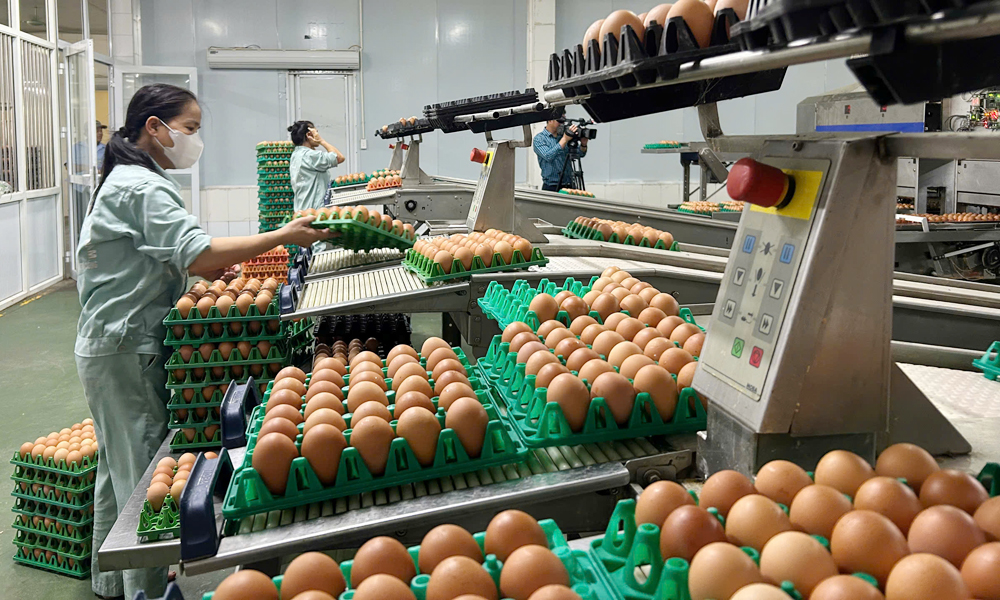
Factories and production facilities in the Chu Lai Open Economic Zone, Da Nang city, are equipped with modern production lines. (Photo: VNA) |
The trend points to growing demand for premises that can be put into operation quickly.
According to Savills Vietnam, factories accounted for 54% of new manufacturing FDI projects in northern Vietnam but attracted 73% of total capital, or about 6.3 billion USD, in the first two quarters of 2026. Industrial land projects, meanwhile, accounted for 46% of projects but only 27% of investment.
The trend is also evident nationwide. Of 468 new manufacturing FDI projects, 266 were factory projects, making up 56.84% of the total and attracting about 7.09 billion USD, equivalent to 66.24% of total capital. Industrial land projects attracted about 3.62 billion USD.
Although these figures cover the first two quarters, investment flows in July and August continued to underline the strong appeal of manufacturing and northern industrial centres.
By the end of August, Vietnam had attracted 40.63 billion USD in registered foreign investment, up 55.4% year on year.
Newly licensed FDI projects numbered 2,771, with total registered capital of 21.72 billion USD, up 96.8% despite a 9.4% rise in the number of projects.
Processing and manufacturing remained the largest recipient. Newly registered capital in the sector reached 12.15 billion USD, or 55.9% of total new capital.
Including additional capital, the sector lured about 20.18 billion USD in the first eight months, or 59.5% of the combined capital in the two categories.
Disbursed FDI also increased, reaching about 17.25 billion USD, up 12% year on year and the highest level for the same period in five years. Processing and manufacturing accounted for 82.6%, or 14.24 billion USD.
The scale and pace of investment flows show that demand for expanded production capacity remains strong, particularly in high-tech and high-value-added sectors.
John Campbell, Director and Head of Industrial Services at Savills Vietnam, said that as global supply chains undergo continuous restructuring, speed of deployment is becoming an increasingly important competitive factor.
Bringing a factory into operation several months earlier can offer advantages in costs, orders and participation in supply chains.
This explains why ready-built factories are increasingly being considered not merely as a temporary solution for market entry, but from the outset of investment planning.
A new race in industrial real estate
The shift towards high-quality FDI is also changing requirements for industrial real estate.
 |
|
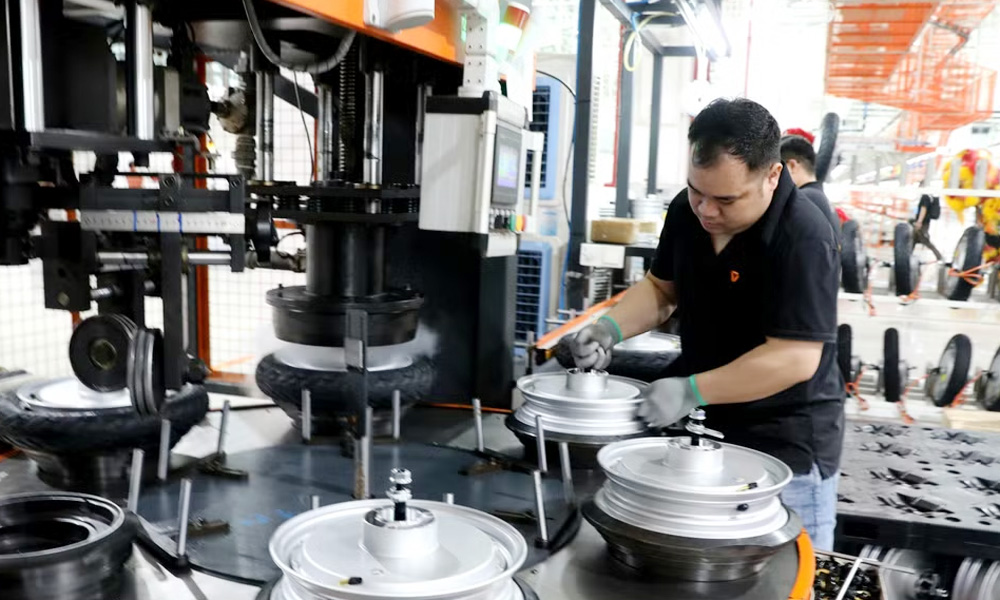
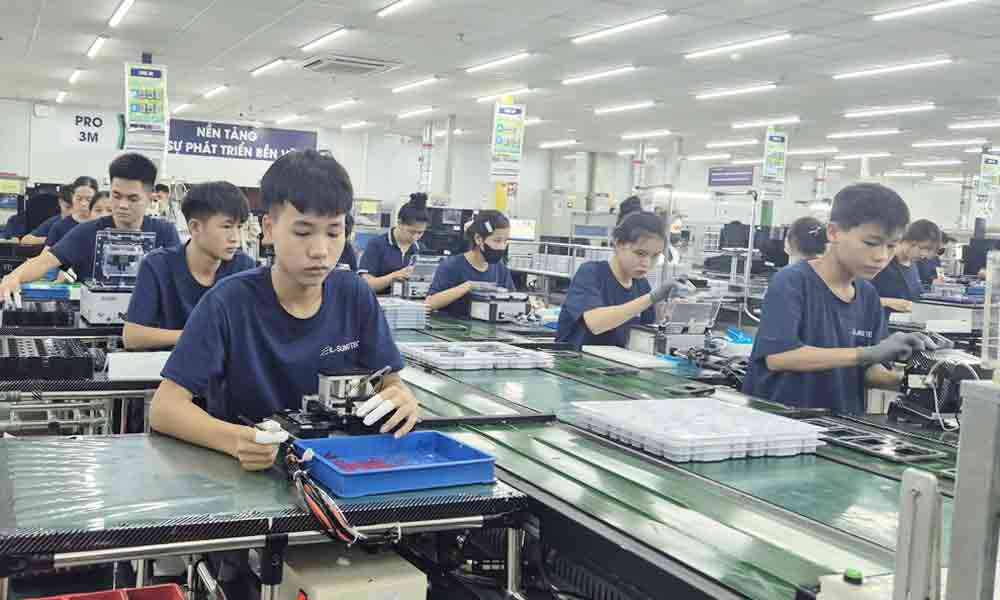
Production line at the Yadea Vietnam smart manufacturing plant, a project worth over 100 million USD located in Tan Hung Industrial Park, Bac Ninh province. (Photo: VNA) |
Gene King, Chief Investment Officer at BW Industrial Development, said FDI in Vietnam was moving more clearly towards high-value-added sectors such as electronics, semiconductors, artificial intelligence infrastructure and high-tech manufacturing.
This qualitative shift is directly affecting demand for ready-built factories, said King.
Demand for ready-built factories therefore reflects not only the need to shorten deployment time but also changes in the sectoral composition of FDI.
Savills experts noted that the higher share of investment attracted by factories than by industrial land shows that some investors are willing to pay for a platform that can shorten the process from licensing and site preparation to production.
The rise of ready-built factories, however, does not diminish the role of industrial land. Large-scale greenfield projects, long-term expansion plans and factories requiring customised designs will still need land to develop according to their specific requirements.
The bigger change is that the market now has an additional competitive criterion. It is no longer enough to provide land on which businesses can build factories.
Industrial real estate must also enable them to bring production into operation more quickly, particularly as rising manufacturing investment in electronics and high-tech industries creates more diverse demand.
Alongside industrial land, businesses can opt for ready-built factories, build-to-suit facilities or integrated models combining factories with warehousing and logistics.
For new investors, these options can reduce the time and resources required during the initial development stage.
The market is also seeing more developers offering such products. Alongside BW Industrial, Frasers Property, KTG Industrial, Core5, SLP and Mapletree, Logicross, the logistics brand of Japan's Mitsubishi Estate, has entered the market with projects in Nam Thuan and Hai Phong.
The emergence of these models shows that industrial real estate is gradually shifting from the question of whether land is available to how effectively it can support actual production.







Reader's comments (0)