 Bắc Ninh


Vietnam, Japan launch five joint semiconductor research projects
The signing and implementation of the five projects mark a concrete step toward realising the Party and State’s policies on science – technology development, innovation and digital transformation, with the semiconductor industry identified as one of strategic technologies fundamental to national competitiveness and technological autonomy.
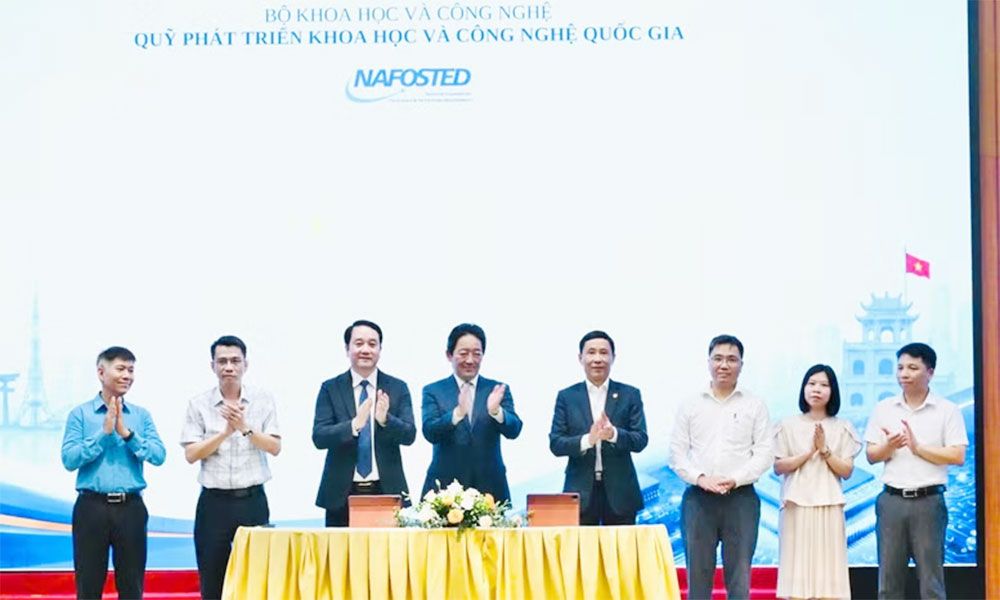
The National Foundation for Science and Technology Development (NAFOSTED) under the Ministry of Science and Technology on July 22 announced the selection results and signed funding agreements for five Vietnam-Japan joint research projects in semiconductors for 2026.
 |
|
The National Foundation for Science and Technology Development under the Ministry of Science and Technology signs funding agreements for five Vietnam-Japan joint research projects in semiconductors for 2026 at a ceremony on July 22. |
The signing and implementation of the five projects mark a concrete step toward realising the Party and State’s policies on science – technology development, innovation and digital transformation, with the semiconductor industry identified as one of strategic technologies fundamental to national competitiveness and technological autonomy.
Through research cooperation with Japan, a country with advanced scientific and technological capabilities, Vietnamese research teams will have opportunities to access new research directions, modern methodologies and advanced equipment, while strengthening links with international scientists, promoting high-quality scientific publications, training young researchers and building strong semiconductor research teams.
The projects cover the semiconductor technology value chain, from materials and chip design to applications in AI, IoT and energy management, in line with Vietnam’s orientation on core and strategic technologies.
Speaking at the event, NAFOSTED Director, Assoc. Prof. Dr Dao Ngoc Chien said Japan, with its advanced science and technology and decades of experience in materials, devices, chip design and semiconductor-related technologies, is a strategic partner for Vietnam in developing research capacity in the sector.
He noted that stronger connections between scientists, labs, and research institutions in both countries will make it easier to share knowledge, access cutting-edge research methods, train skilled professionals, and tackle real-world technological challenges.
Chien urged the research teams to ensure the projects meet their approved objectives, schedules and commitments, maintain effective coordination with Japanese partners, uphold scientific quality and research integrity, use funding efficiently and take responsibility for registered outputs.
NAFOSTED also expects the projects to contribute to training the next generation of scientists, postgraduate researchers, engineers and young semiconductor talents, creating long-term links between Vietnamese and Japanese universities and research institutes, and laying the foundation for greater cooperation programmes.
The fund will support the project-hosting organisations and research teams and work closely with the Japan Science and Technology Agency (JST) to improve the cooperation mechanism and expand the programme in the coming years, Chien said.
Ishikawa Isamu, Deputy Ambassador of Japan to Vietnam, welcomed the opportunity for Japan to work with Vietnam, an especially important partner in developing strategic and breakthrough technologies that will underpin the country’s future growth.
He said the programme provided concrete evidence of efforts to realise their Comprehensive Strategic Partnership for peace and prosperity in Asia and the world.
The deputy ambassador said he hopes that the joint programmes will promote semiconductor human resource training in Vietnam, contributing to the development of the semiconductor industries in both nations, and supporting Vietnam to realise its economic development goals.
He also reaffirmed Japan's commitment to supporting Vietnamese research teams as they carry out the projects, toward expanding bilateral research collaboration in other strategic technology areas.
Following the signing ceremony, the host organisations and research teams will begin implementing the projects according to the approved schedules, with monitoring and support from NAFOSTED and relevant management agencies.

















Reader's comments (0)