 Bắc Ninh


14th Party Congress: Vietnam steadfastly pursues right development path
Vietnam’s experience and development practices are not only significant domestically, but also make important contributions to the theory and practice of socialism construction worldwide, serving as a valuable reference for countries seeking to build a fair, progressive, and sustainably developed society
Vietnam remains steadfast on its path toward socialism and is proving that this choice is the right one, according to a Russian journalist.
 |
|
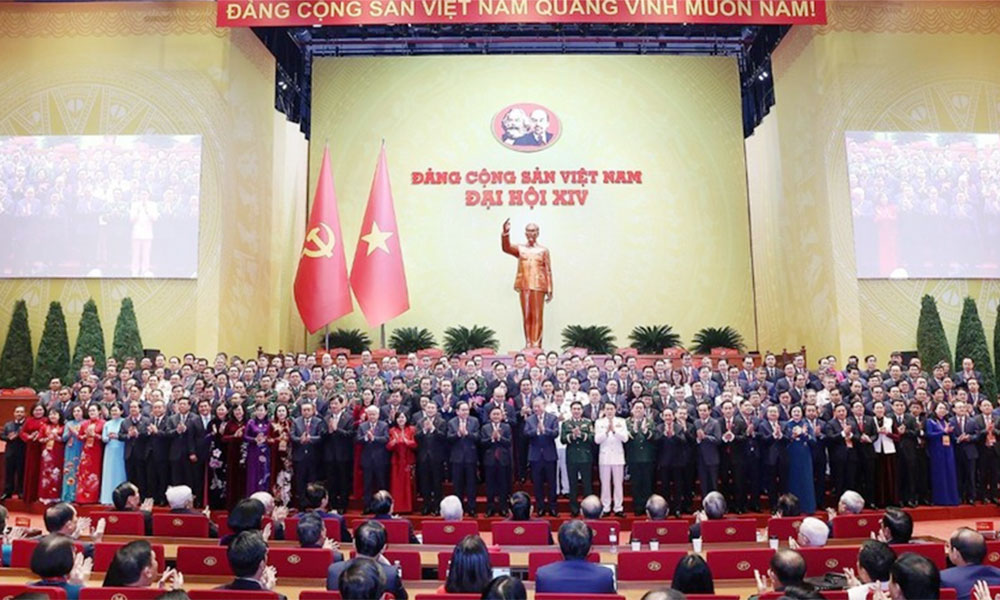
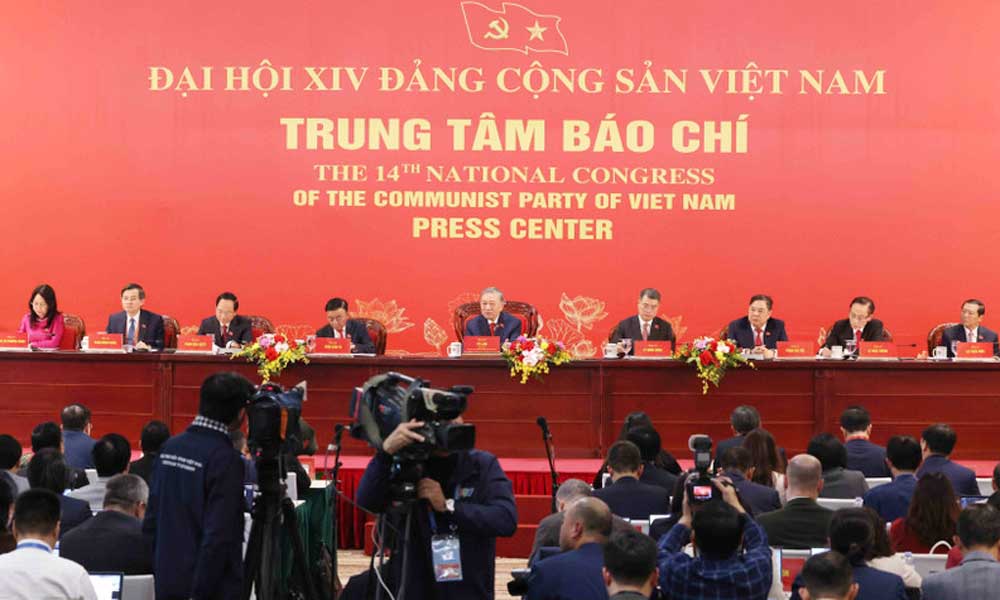
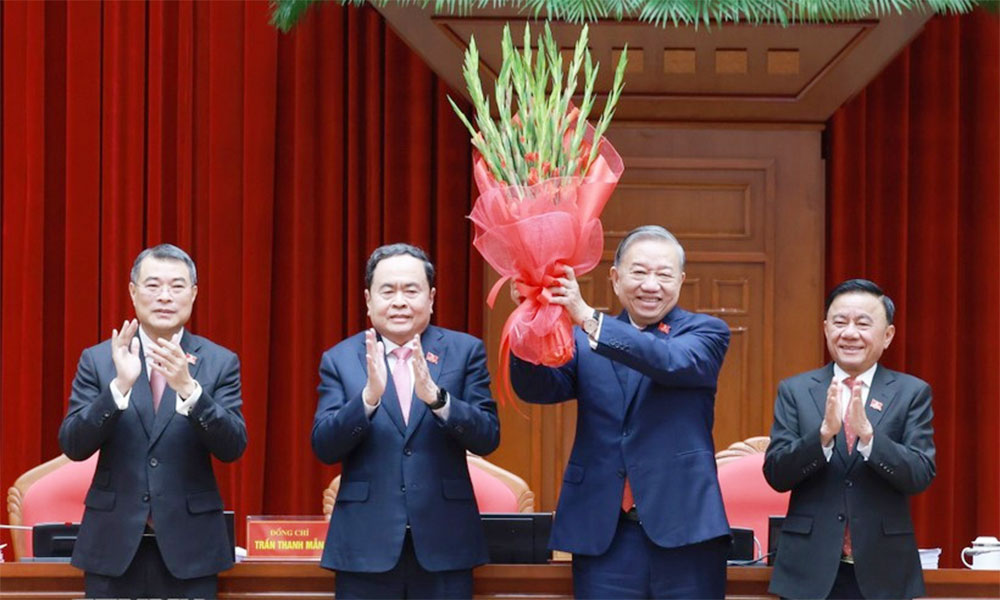
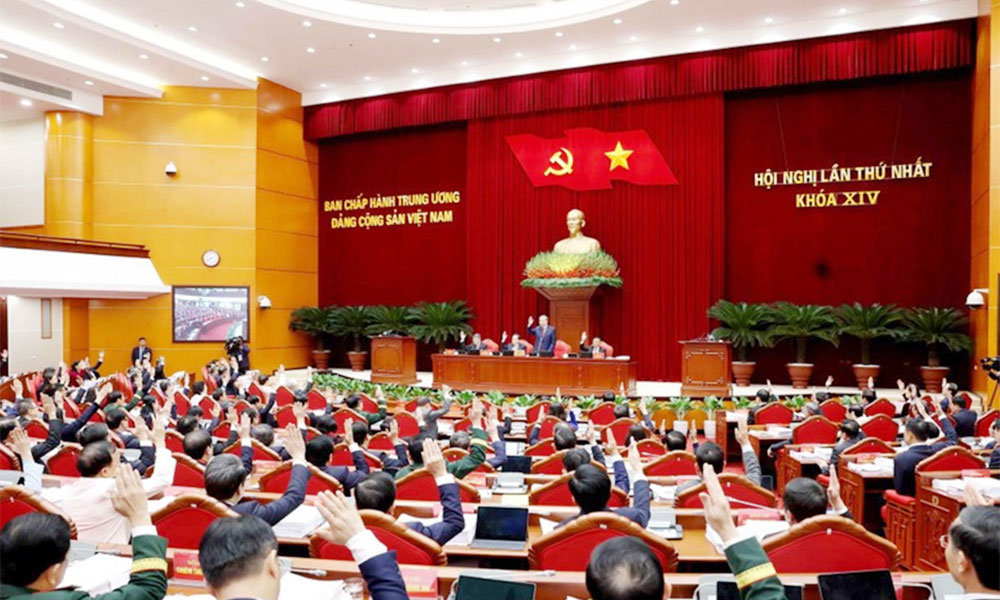
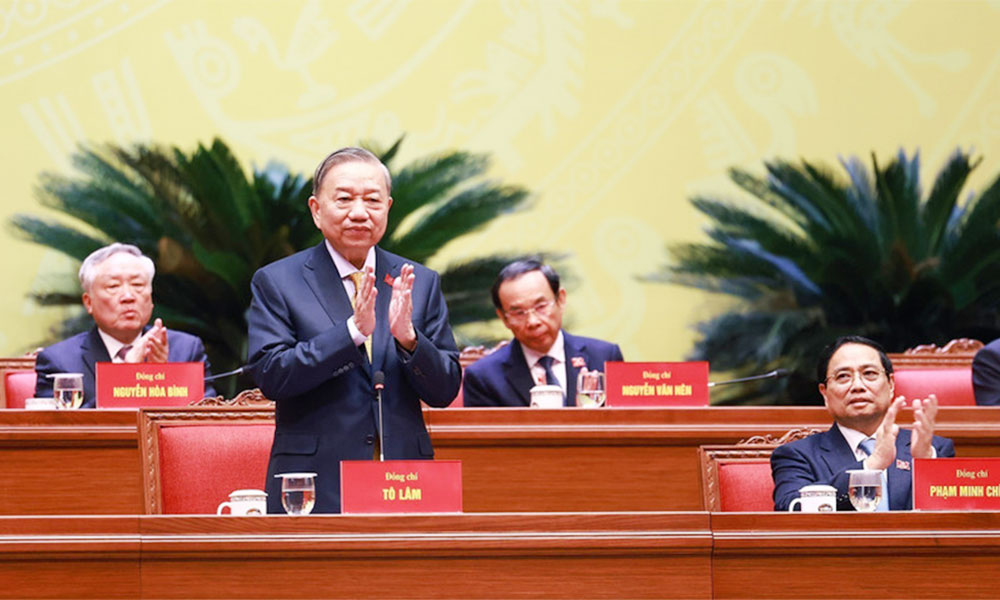
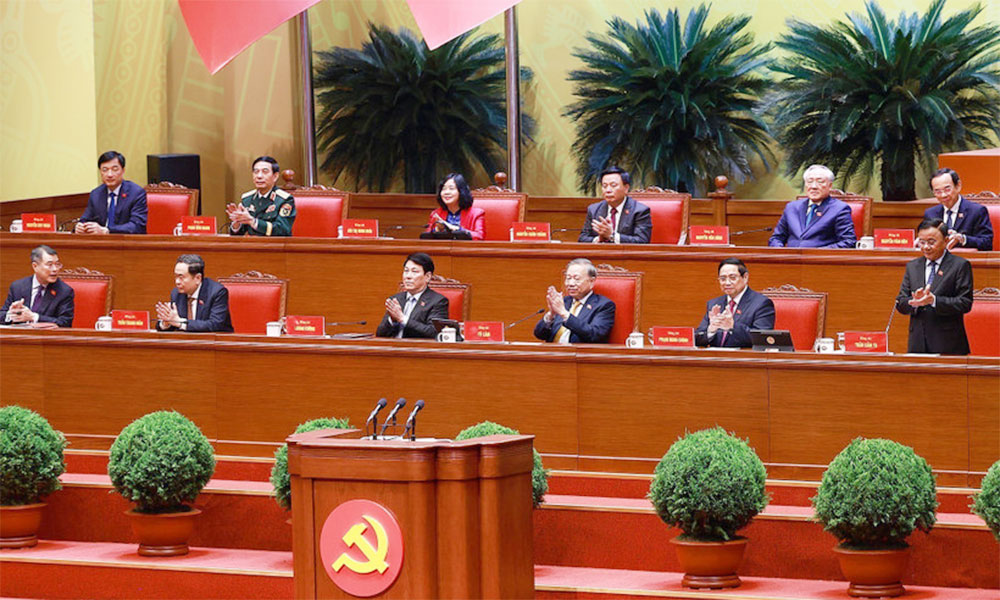
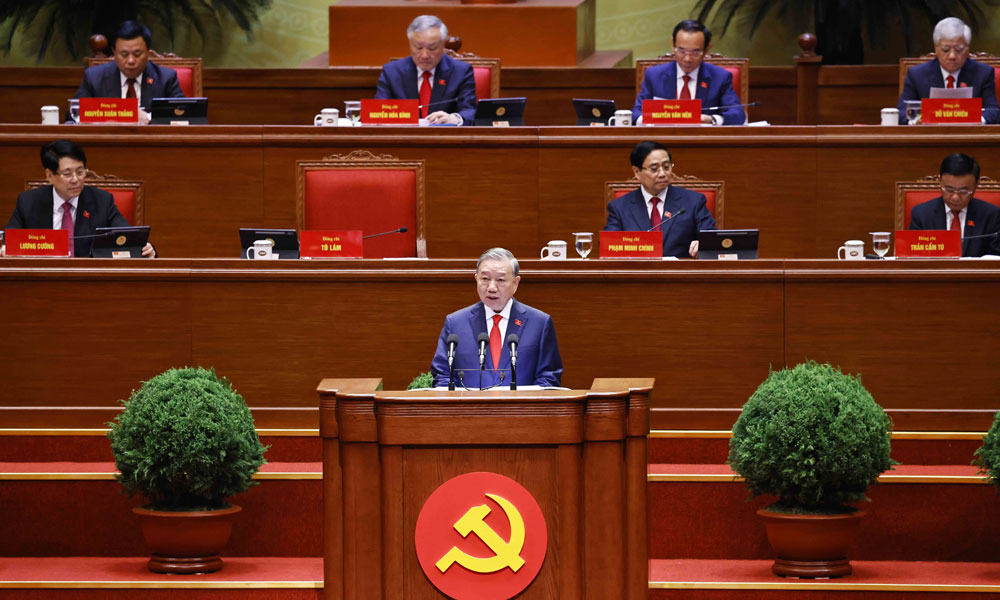
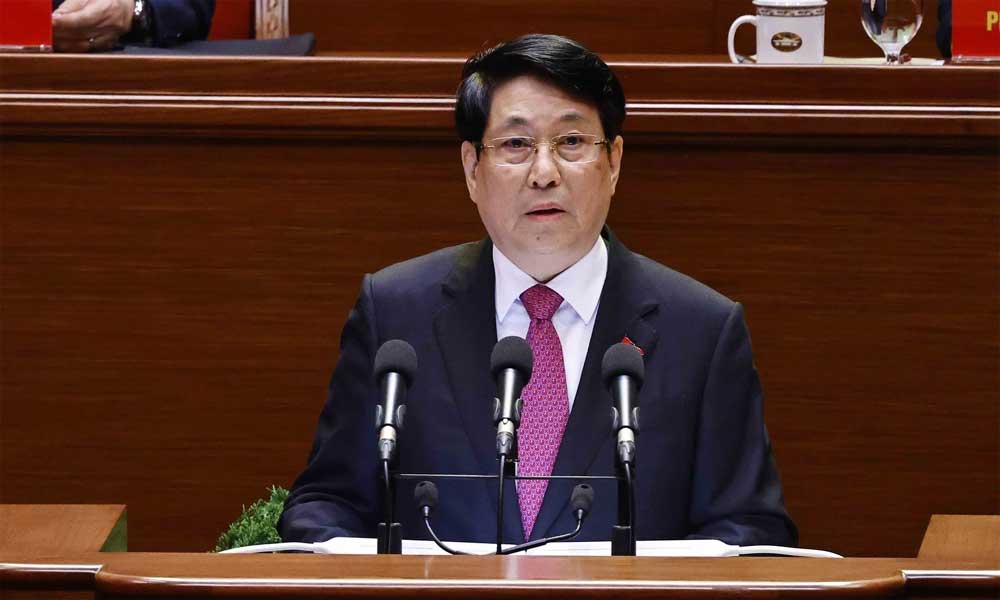
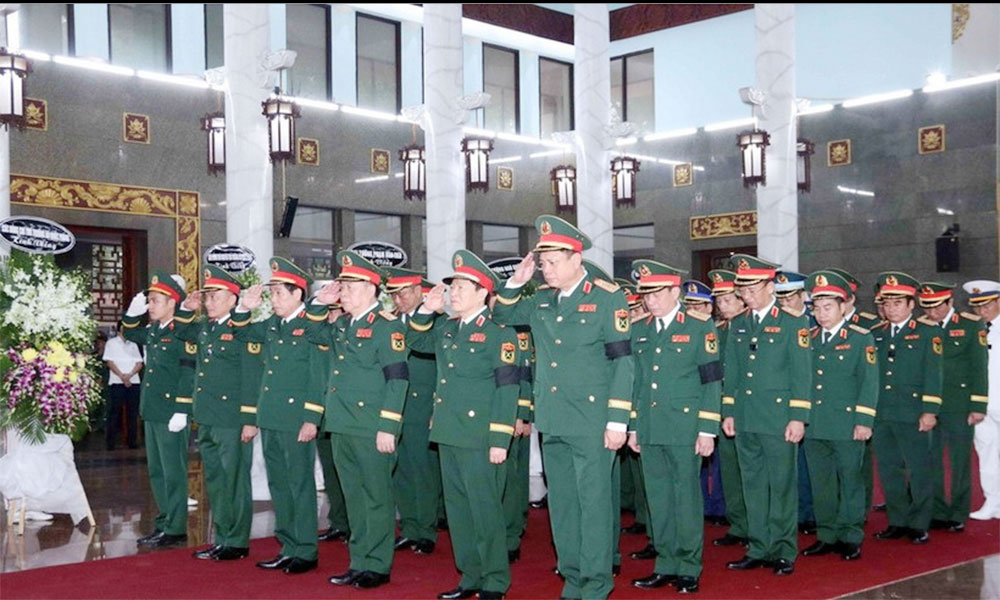
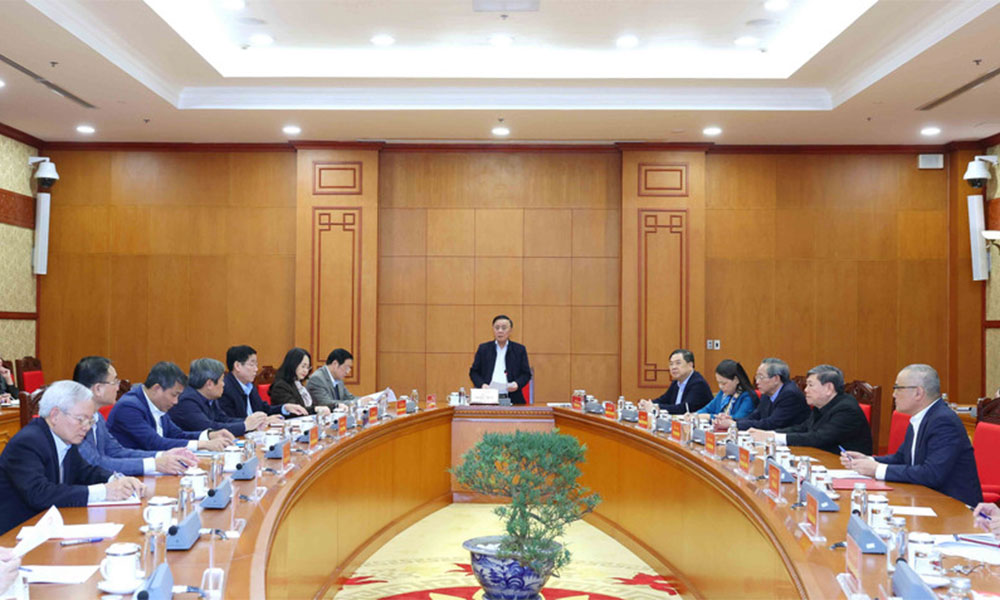
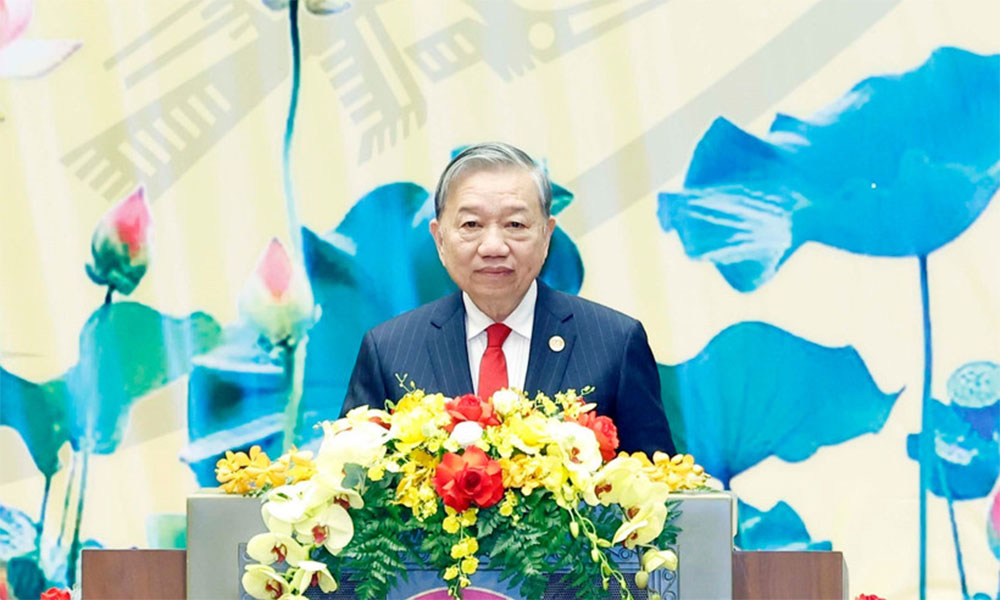
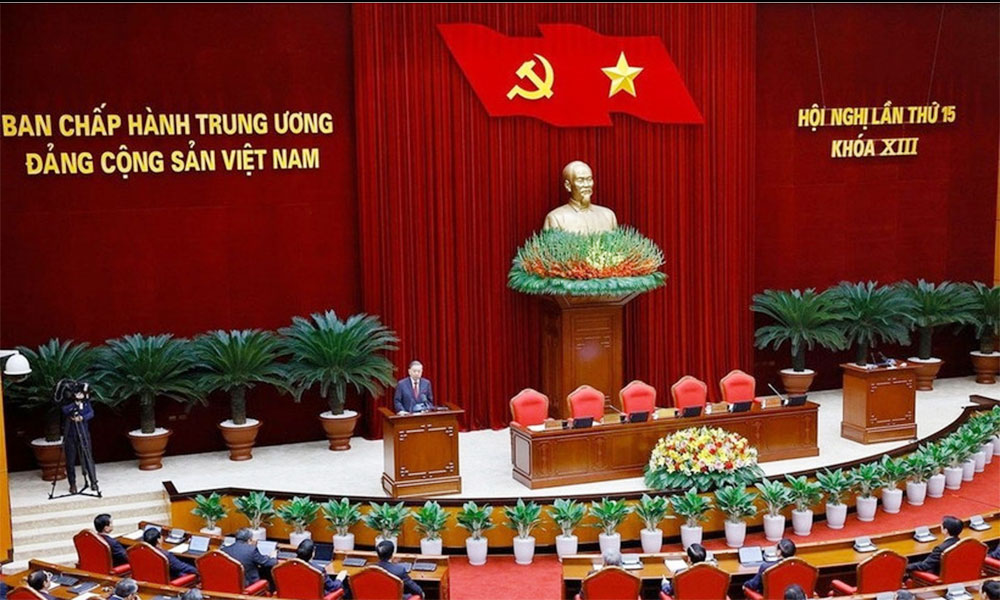
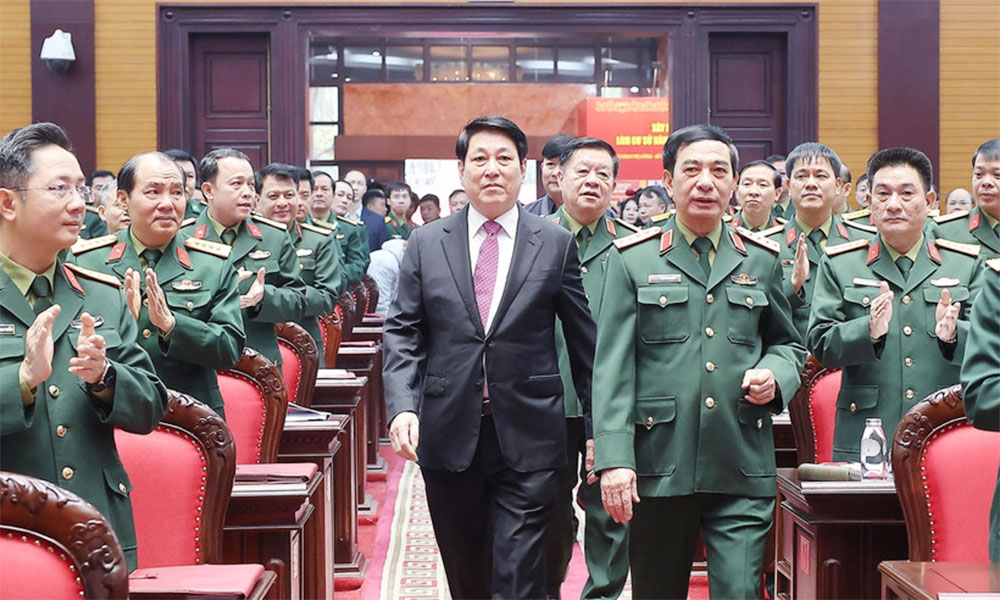
At the closing ceremony of the 14th National Party Congress in Hanoi on January 23, 2026. |
In an interview with Vietnam News Agency (VNA) correspondents in Russia on the occasion of the 14th National Congress of the Communist Party of Vietnam (CPV), Petr Tsvetov, Associate Professor, Dr. at the Diplomatic Academy of Russia and Vice President of the Russia–Vietnam Friendship Association said recent congresses have demonstrated that the Communist Party of Vietnam (CPV) has adjusted its policies in a scientific and consistent manner, with the goal of people-centered development.
As a scholar with many years of research on Vietnam and a former member of the Communist Party of the Soviet Union, he noted that Party congresses in Vietnam are not only important events in the Party’s history, but also carry special significance for the political and social life of the entire country.
The issues discussed, decisions adopted, and strategic goals and tasks set forth at each congress have profound and long-lasting impacts.
According to him, throughout the history of the CPV, many congresses have become important milestones.
From the conference that unified communist organisations in 1930, leading to the Party founding, to the 3rd National Congress in 1960, which decided to simultaneously carry out two strategic tasks: building socialism in the North and carrying out the people’s democratic national revolution in the South.
In particular, the 6th National Party Congress in 1986 marked a historic turning point, ushering in the Doi moi (Renewal) process at a time when Vietnam lacked sufficient material conditions to build socialism.
The Party’s emphasis on the role of the private economy and the expansion of relations with the world was considered a correct decision. Forty years of renewal have proven this choice to be entirely appropriate.
Assessing the 14th National Congress, Associate Professor Tsvetov said that while it was not a turning-point congress like the 6th congress, it clearly demonstrated the CPV’s flexible and timely policy adjustments.
Thanks to such adjustments, the Party has continued to maintain its leadership role through different stages of the country’s development. From this perspective, he believes that a new era of development is opening after the 14th National Congress.
A consistent theme in recent resolutions of the CPV is placing people at the centre of development, he said, noting this is not merely about GDP growth, expanding international trade, or building a modern military force, but first and foremost about developing Vietnamese people in a comprehensive manner, ensuring happy lives, meeting basic needs, providing access to modern scientific knowledge, preserving cultural identity, and enabling a certain level of participation in social governance.
Conditions, including technical and institutional ones, are being created to move toward a society without poverty, where no one is left behind, he stated.
The Vice President of the Russia–Vietnam Friendship Association emphasised that regardless of ideological differences, the CPV has clearly demonstrated its role in guiding socio-economic development toward equity, where the interests of all social strata are taken into account and everyone has opportunities to develop and prosper within the framework of the law.
According to him, Vietnam’s experience and development practices are not only significant domestically, but also make important contributions to the theory and practice of socialism construction worldwide, serving as a valuable reference for countries seeking to build a fair, progressive, and sustainably developed society.









Reader's comments (0)