 Bắc Ninh


Vietnam People's Army marks 81 years under Party leadership
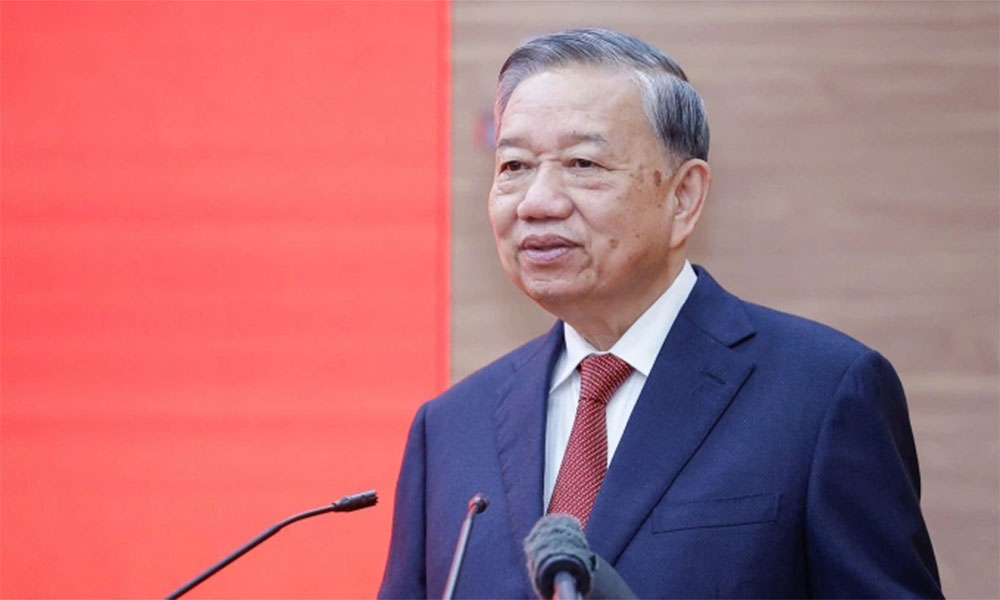
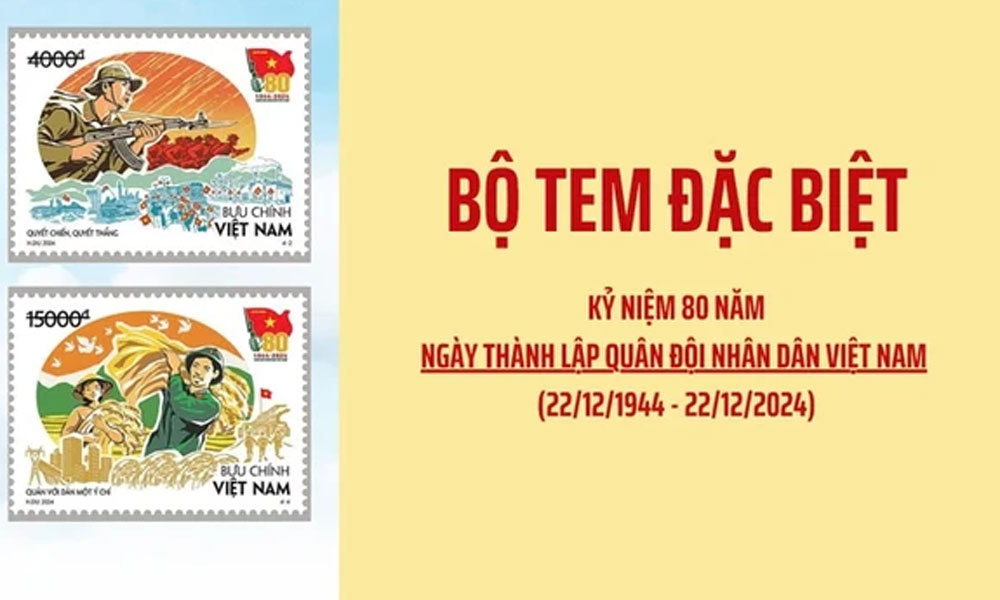
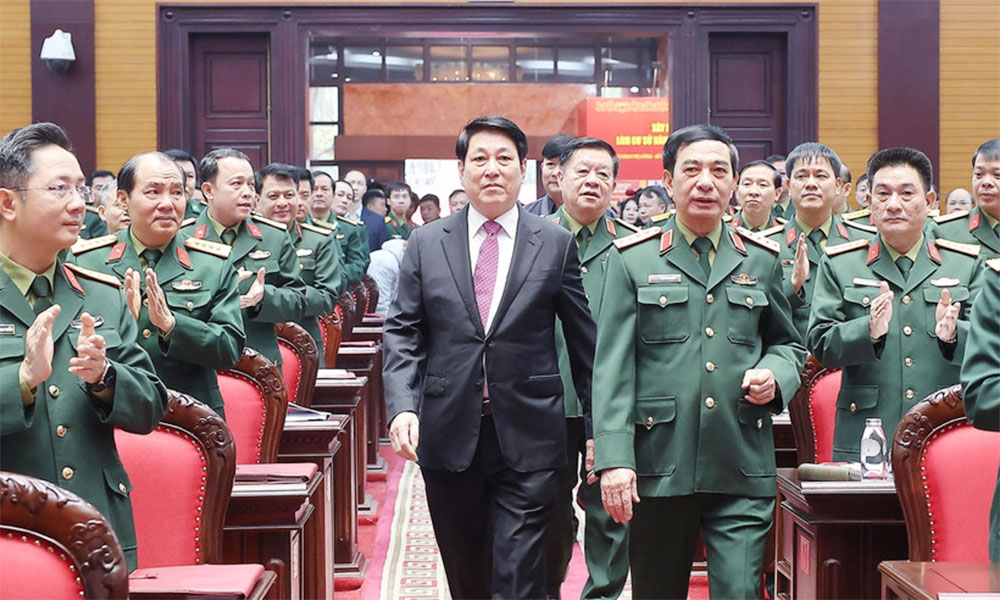
The Vietnam People’s Army (VPA) has remained a steadfast and loyal force under the leadership of the Communist Party of Vietnam for more than eight decades, Party General Secretary To Lam wrote in an article released to mark the military’s 81st founding anniversary on December 22.
Tracing the army’s origins to December 1944, when the Vietnam Propaganda Unit of Liberation Army was formed with just 34 soldiers in Cao Bang Province, To Lam highlighted the VPA’s transformation into a central pillar of Vietnam’s national defense and development. From the struggle for independence to post-war reconstruction and modernization, the army has played a decisive role, he said.
 |
|
Party General Secretary To Lam. |
According to To Lam, the defining factor behind the VPA’s growth and battlefield successes has been the Party’s absolute and direct leadership over the military. This principle, first articulated in the Communist Party’s 1930 political platform, shaped the creation of a "new-type" army rooted in loyalty to national independence and socialism.
The VPA’s early victories during the August 1945 General Uprising paved the way for the establishment of the Democratic Republic of Vietnam. During the resistance war against French colonial rule, the army evolved from a guerrilla force into a disciplined main force, culminating in the 1954 Dien Bien Phu victory that ended colonial domination in Indochina.
Party leadership was further consolidated during the war against the United States, when the VPA combined military operations with political and diplomatic efforts. The Spring 1975 General Offensive and Uprising, which culminated in the Ho Chi Minh Campaign, brought national reunification and marked a defining moment in modern Vietnamese history.
Following reunification, the army continued to play a central role in defending Vietnam’s borders and fulfilling international obligations, including support for Laos and Cambodia during periods of conflict. These actions, To Lam noted, contributed to regional stability and reinforced Vietnam’s international standing.
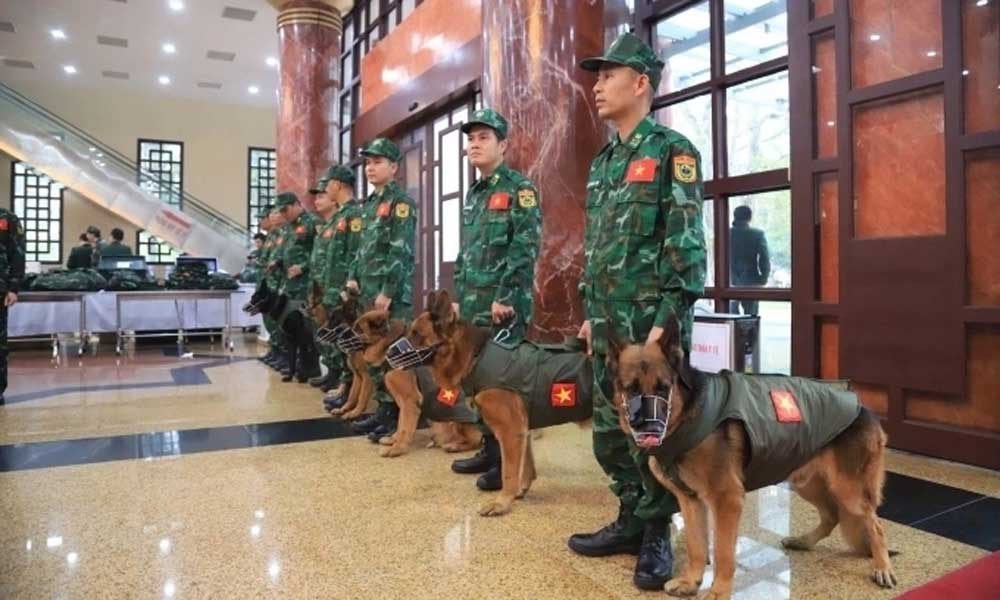
In the decades since the launch of the Doi Moi (Renewal) reforms, the VPA has expanded its role beyond combat. It has taken part in disaster response, search and rescue operations, poverty reduction, rural development and infrastructure building, while also strengthening Vietnam’s national defense posture.
Defense diplomacy and participation in peacekeeping activities have further enhanced the country’s global engagement.
The Party leader warned that Vietnam faces increasingly complex security challenges amid intensifying global strategic competition and the rise of non-traditional threats. He said building a "revolutionary, regular, elite and modern" army remains a strategic priority.
To meet these demands, the VPA must continue strengthening Party leadership, improving combat readiness, advancing defense industry modernization and enhancing ideological resilience, particularly in cyberspace. Preventing corruption, countering hostile narratives and maintaining close ties with the people were also identified as critical tasks.


Reader's comments (0)