 Bắc Ninh


Art breathes new life into Vietnam's heritage spaces
In Hanoi, many historical and cultural landmarks have successfully enhanced their value through creative artistic activities. The Thang Long Imperial Citadel regularly hosts historical re-enactments, exhibitions and cultural experiences, while popular night tours at Hoa Lo Prison relic site demonstrate the effectiveness of storytelling through the combination of sound, light and performance.
Heritage sites across Vietnam are increasingly being transformed into vibrant cultural venues, hosting exhibitions, music performances and live-action shows that both showcase the country's rich cultural legacy and attract wider public interest.
 |
|
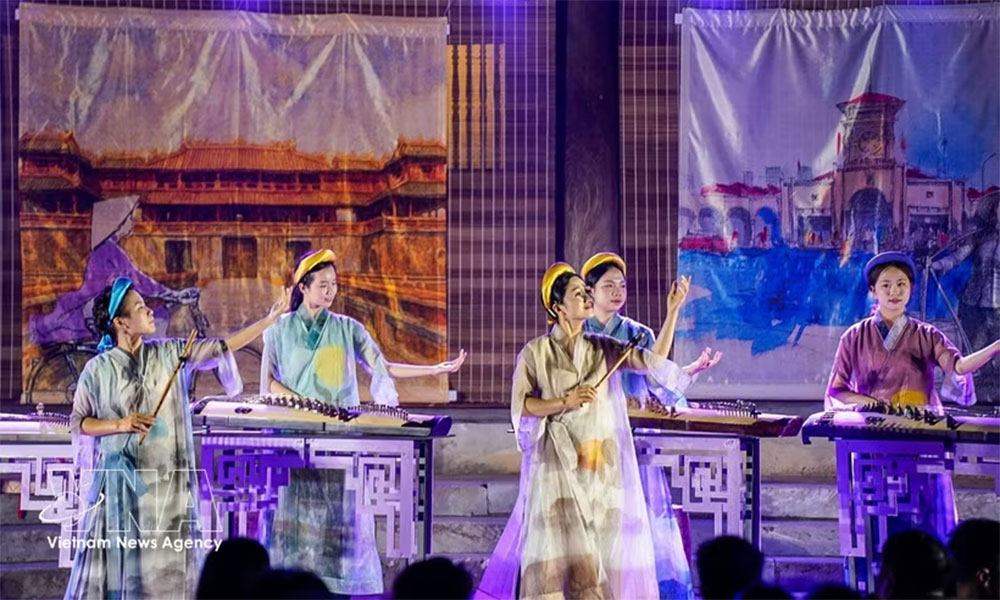
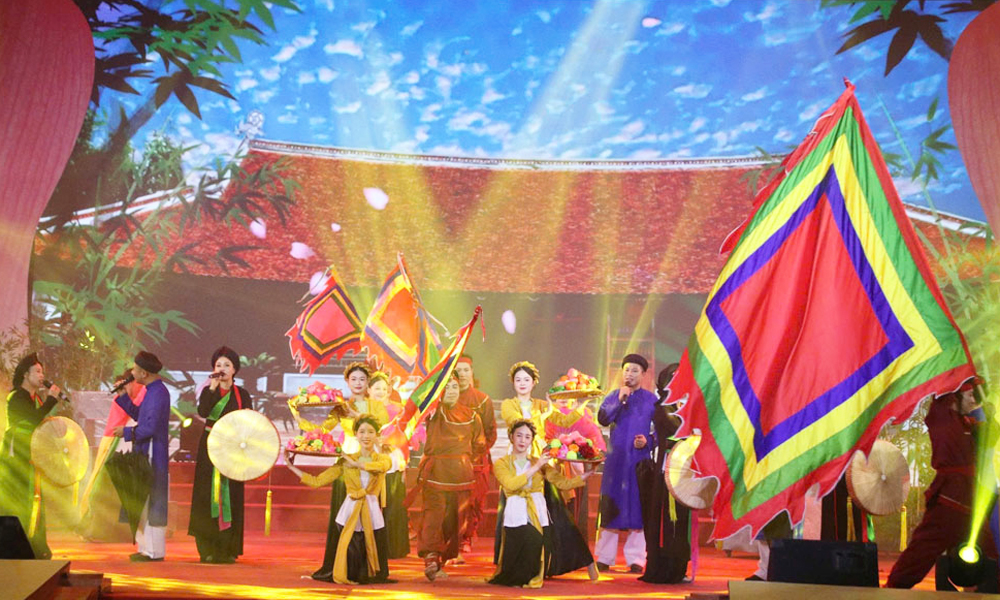
A space for performing traditional Vietnamese music at the Temple of Literature. |
In Hanoi, many historical and cultural landmarks have successfully enhanced their value through creative artistic activities.
The Thang Long Imperial Citadel regularly hosts historical re-enactments, exhibitions and cultural experiences, while popular night tours at Hoa Lo Prison relic site demonstrate the effectiveness of storytelling through the combination of sound, light and performance.
Van Mieu-Quoc Tu Giam (The Temple of Literature) has also gradually expanded beyond thematic exhibitions to stage traditional music performances, contemporary art exhibitions, calligraphy demonstrations and fashion shows.
Dr Le Xuan Kieu, Director of the Centre for Cultural and Scientific Activities at the Temple of Literature, said the goal is to transform the site from a tourist attraction into a vibrant cultural space where tradition can engage in dialogue with the present.
Similar models integrating art with heritage are also being developed in many localities, with approaches tailored to the unique characteristics of each historical and cultural site.
In the northern province of Ninh Binh, the Trang An–Ninh Binh Forestival has emerged as a major cultural highlight.
Held in the core area of the Trang An Scenic Landscape Complex, the festival blends music and contemporary art with spectacular natural scenery and indigenous cultural values.
The northern province of Quang Ninh has adopted a similar heritage-centred approach through its immersive performance "The quest for the jade mark”, staged inside Ngoc Rong Cave in the Vung Duc Historical Relic and Scenic Area in Cam Pha city.
Besides making use of the cave's dramatic geological landscape, formed some 150 million years ago, the production draws on local legends, beliefs and cultural traditions to create its artistic narrative.
Since its debut, Ngoc Rong Cave has become increasingly popular among visitors and has developed into an attractive venue for cultural and artistic events.
In late June, it hosted the Asia Architecture Design Awards Ceremony, illustrating how heritage spaces can accommodate contemporary cultural activities while reaching new audiences.
Nguyen Thi Xoan from Hanoi's Cau Giay ward said that many times, she visits a historical site because it is hosting an appealing exhibition or performance.
“Afterwards, I become curious about why the event is held there and what makes the site significant. That makes discovering heritage sites much more natural and enjoyable," she said.
Experts, however, stressed that artistic innovation in heritage spaces must be approached with caution to avoid distorting historical values, excessive commercialisation or undermining the sacredness and authenticity of heritage.
They emphasised that close cooperation among heritage managers, experts, artists and local communities is essential to ensuring a balanced approach that both preserves cultural values and promotes sustainable development.







Reader's comments (0)