 Bắc Ninh


Bac Ninh scientist helps farmers cultivate valuable medicinal mushrooms
BAC NINH - In a shaded garden in Tien Luc commune, Bac Ninh city, clusters of dark and light brown green lingzhi mushrooms grow from wooden substrates, resembling precious gems beneath the tree canopy. Behind the cultivation model is Nguyen Tien Ky, a scientist born in 1944 in Bac Lung commune of Bac Ninh city who works at the Institute for Scientific and Technological Research, Training and Consultancy in Hanoi.
Despite being over 80, Ky continues to travel to rural and mountainous areas to transfer agricultural techniques, helping farmers turn scientific research into practical economic opportunities.
Growing mushrooms on ironwood logs
 |
|
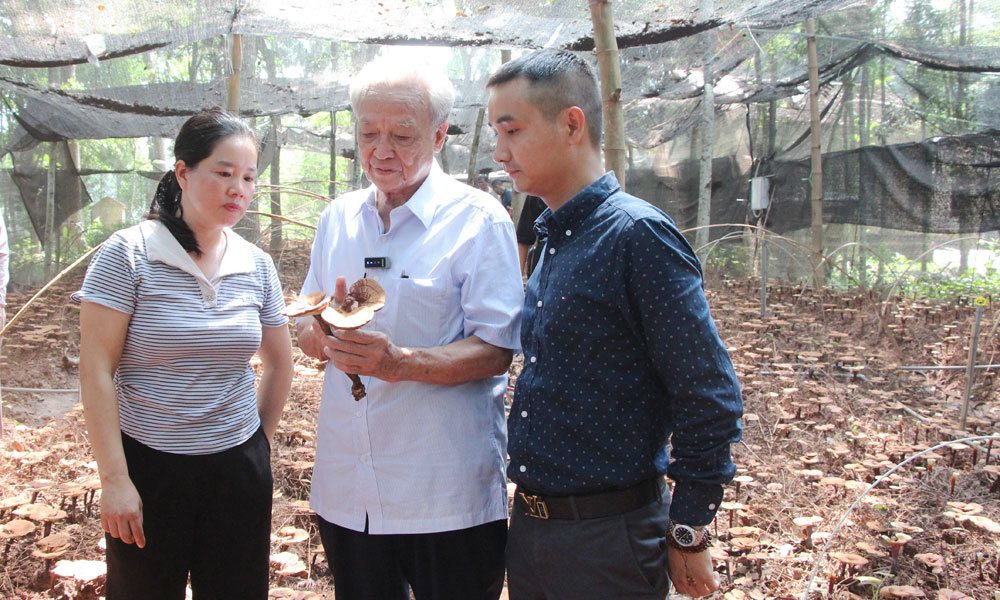
Scientist Nguyen Tien Ky (centre) at the green lingzhi mushroom cultivation model in Tien Luc commune. |
The garden, owned by Nguyen Thi Hung in Trang Quan village, Tien Luc commune, contains more than 8,000 mushroom-growing substrates. It is the first model in the commune to apply Ky's techniques for cultivating green lingzhi mushrooms, a valuable medicinal fungus.
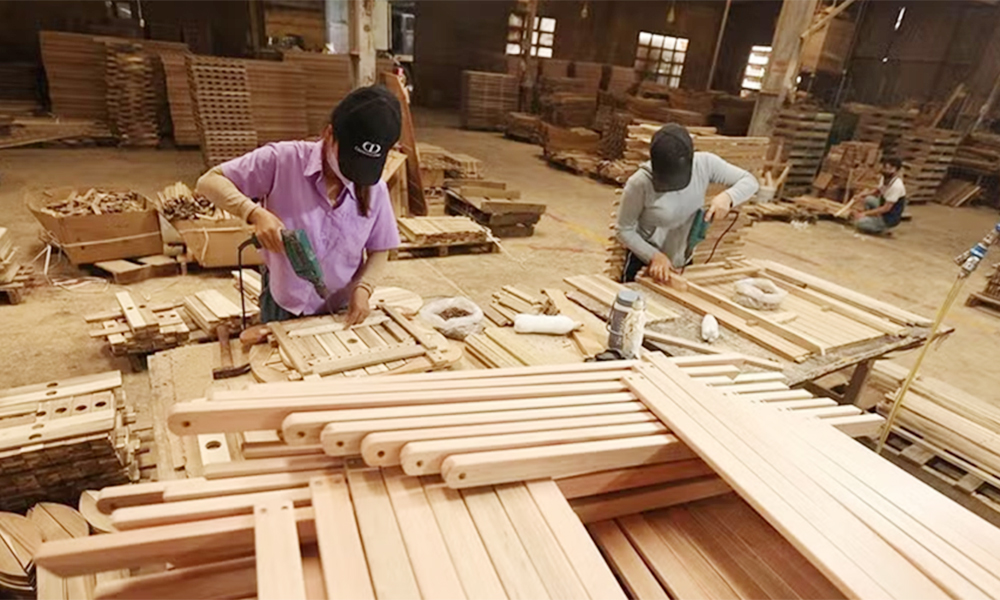
Hung became interested in the idea after realising that ironwood scraps from her family's woodworking activities were being wasted as fuel for charcoal production. She contacted Ky after learning about his research and received his direct guidance on cultivation techniques.
The mushrooms are grown beneath ironwood and mahogany trees on the family's land near a river, where humidity is high. Protective netting and an automated irrigation system help maintain suitable growing conditions, while cultivation follows strict technical procedures.
Demand has been strong, with harvested mushrooms selling out quickly and supplies unable to meet customer needs.
Hung's model has also attracted the attention of local agricultural officials. Nguyen Anh Tuan, Chairman of the Tien Luc commune Farmers' Association, said local residents had traditionally grown edible mushrooms but had not ventured into medicinal varieties. The commune plans to expand green lingzhi cultivation to make better use of its land resources and increase household incomes.
A lifelong commitment to science
Ky's work on green lingzhi cultivation began in 2008, when he attended a seven-day international medical and pharmaceutical conference in Hong Kong, China. There, he learned that a local business was growing medicinal mushrooms on oak logs aged up to 30 years.
After returning to Vietnam, he proposed research into growing the mushrooms on ironwood and acacia wood substrates. Leading the two-year project, he found that mushrooms grown on ironwood developed significantly better in size and colour.
Laboratory testing showed that the active compounds in mushrooms grown on ironwood met the required standards and even exceeded published benchmarks, while those grown on acacia failed to meet the requirements.
The findings indicated that the choice of wood substrate was critical to producing mushrooms with the desired medicinal properties.
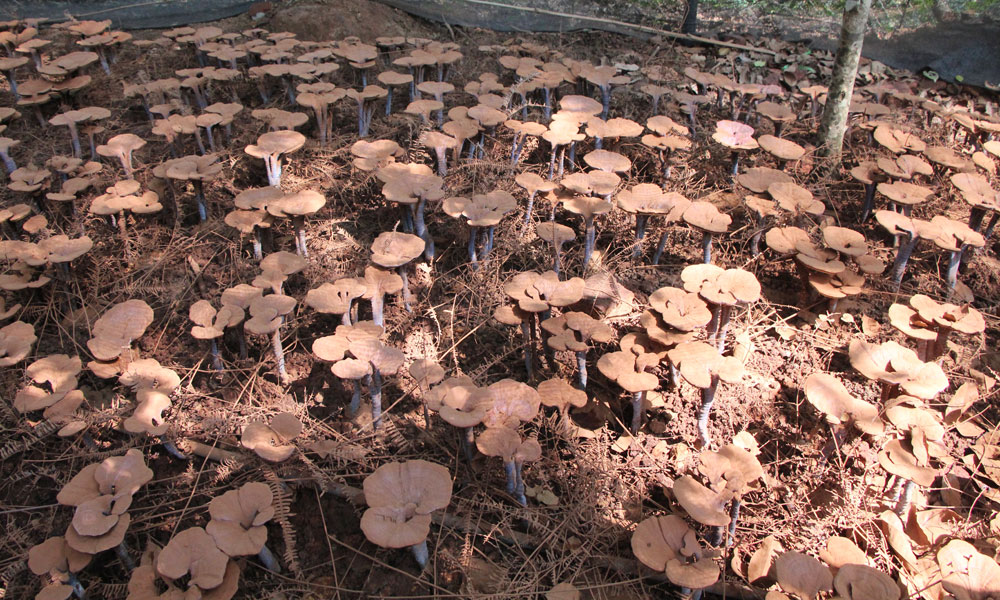
The institute has since mastered the cultivation process, from selecting mushroom strains to growing the fungus. Harvesting can begin after three months, and the same substrate can remain productive for up to two years before replacement.
 |
|
Growing mushrooms on ironwood logs. |
Ky remains concerned, however, that some farmers lack the patience to follow technical guidance. Shortcuts and excessive use of materials not recommended in the process can undermine product quality and the benefits of scientific advances.
He believes sustainable clean agriculture requires coordinated support from the government, scientists, businesses and farmers, with the parties working together to build an integrated value chain.
Unlocking local potential
Born and raised in the mountainous areas of Bac Ninh, Ky sees considerable potential for developing green lingzhi cultivation beneath forest canopies in the Tay Yen Tu area, where ironwood forests provide favourable natural conditions.
He hopes Bac Ninh can become Vietnam's leading production hub for the mushrooms and eventually develop export markets. According to Ky, Vietnam and Laos are among the few countries with green lingzhi ironwood, giving Vietnam an opportunity to build on its natural resources and domestic technological capabilities.
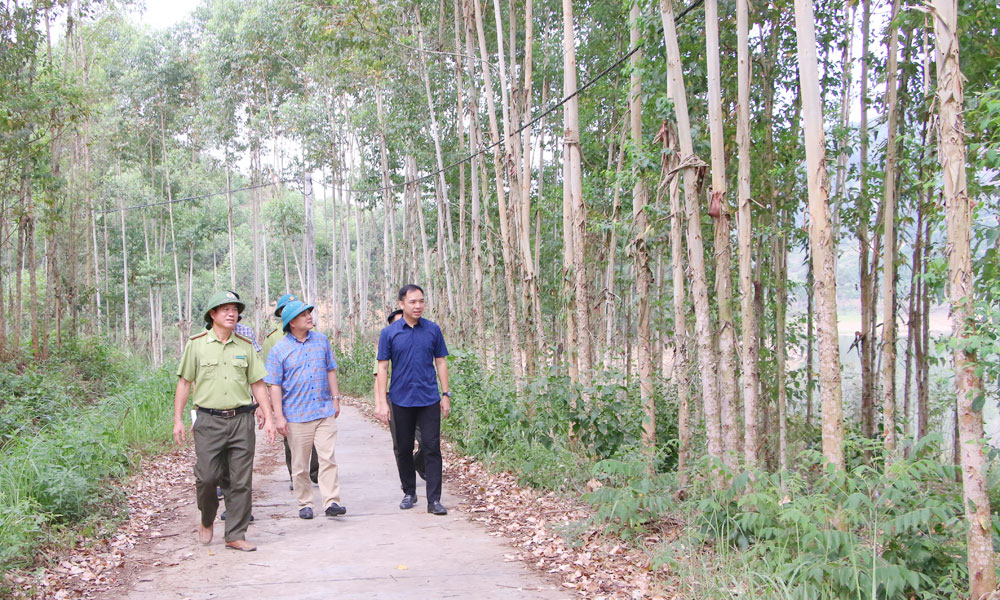
Under the institute's cultivation model, ironwood trees can first be used as mushroom-growing substrates at six to seven years of age.
After harvesting, trees can be allowed to regrow for another five to six years before being used again. Short-cycle medicinal plants can also be cultivated between young trees, making more efficient use of land.
Ky is calling for policies to encourage farmers to plant more ironwood, arguing that the benefits extend beyond the value of the timber. Such cultivation could support diversified forestry, improve land use and help protect the environment for future generations.
For Ky, continuing to share scientific knowledge remains a source of personal fulfilment. As he puts it, being able to work, contribute and remain useful every day is itself a form of happiness.


Reader's comments (0)