 Bắc Ninh


Bac Ninh seeks to remove bottlenecks and build a self-reliant digital economy
BAC NINH - Despite positive results, Bac Ninh's digital economy still faces a number of shortcomings, with its digital sector heavily dependent on hardware assembly by foreign-invested enterprises, while contributions from software services, digital commerce and domestically produced supporting products remain modest.
Identifying these barriers and implementing effective solutions to overcome them are essential to deepening digital economic development, strengthening self-reliance and ensuring sustainable growth.
 |
|
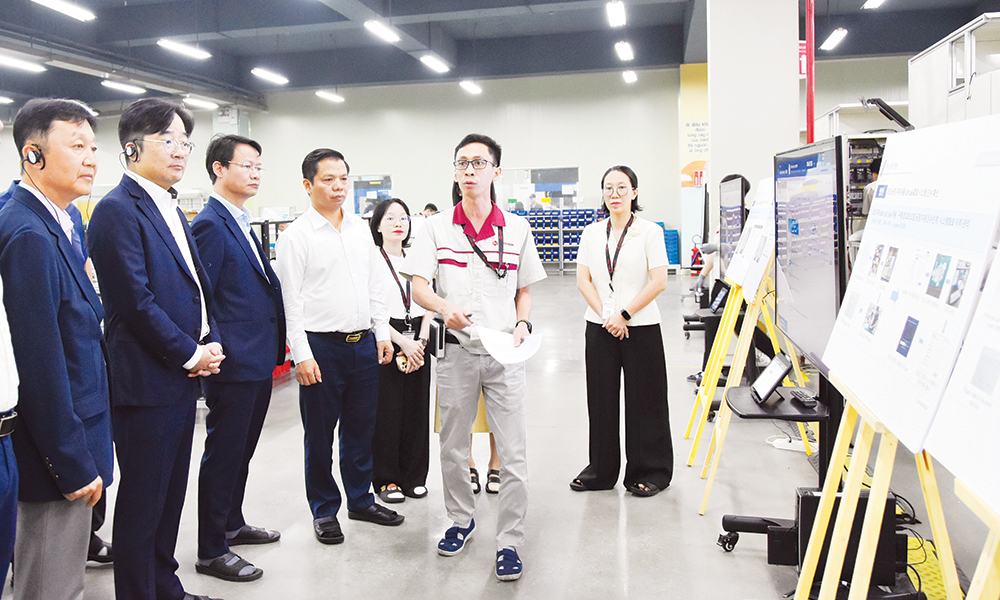
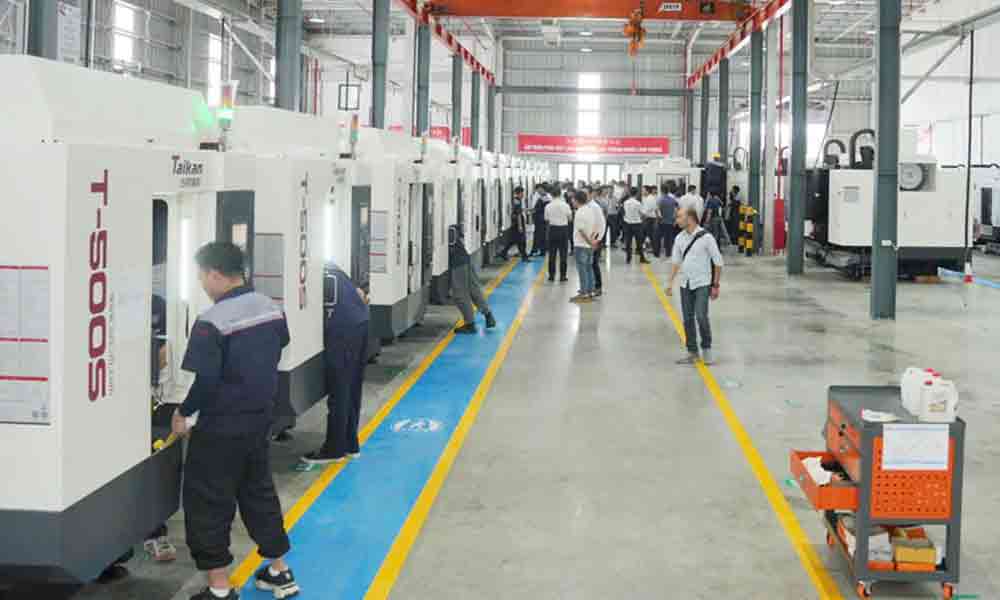
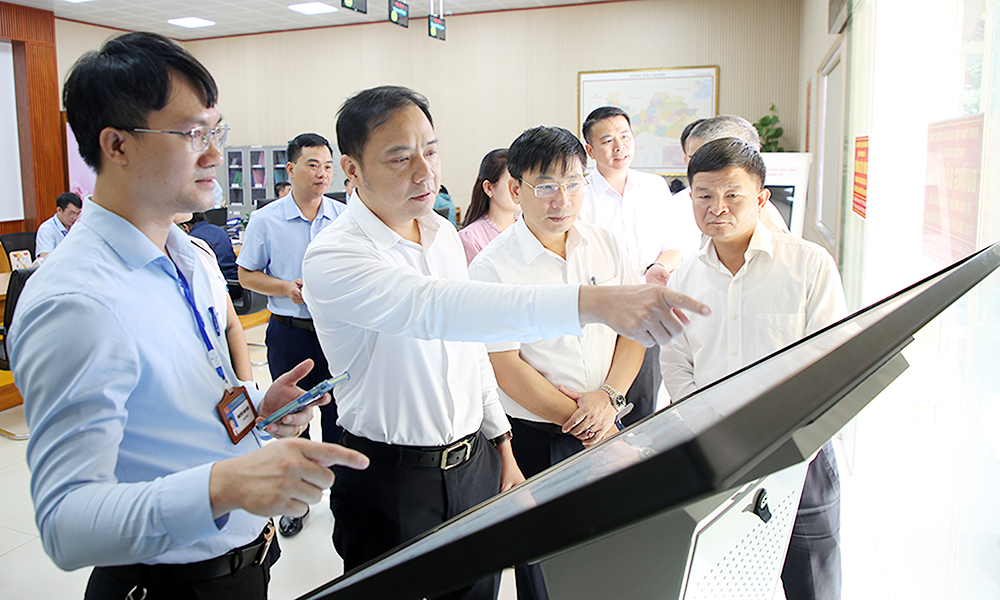
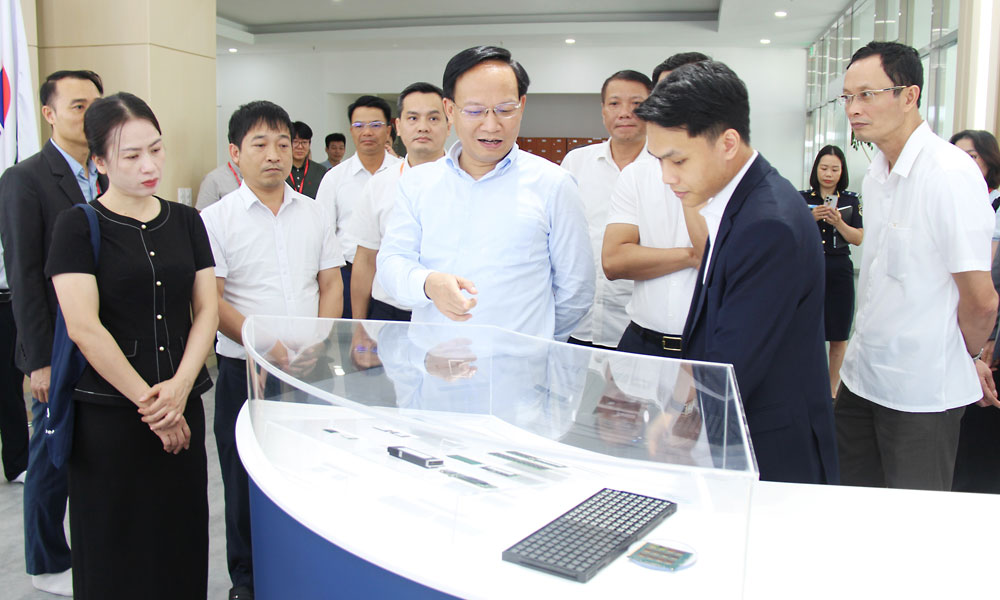
Delegates review the results of the Smart Factory Development Cooperation Project, implemented by the Bac Ninh Department of Industry and Trade in coordination with Samsung Vietnam. |
Identifying barriers to growth
Bac Ninh is facing fundamental challenges in infrastructure and technology as it accelerates its digital transformation.
The city does not yet have an internationally accredited data centre, while technical infrastructure serving several core digital economy sectors remains inadequate.
Alongside traditional technological constraints, major manufacturers such as Amkor and Foxconn must meet clean energy requirements under environmental, social and governance (ESG) standards to maintain their orders.
Expanding direct power purchase mechanisms, installing rooftop solar systems and developing environmentally friendly semiconductor materials have therefore become increasingly important to ensuring uninterrupted production amid international green trade barriers and stringent carbon emission standards.
Despite mounting technological and green transition pressures, some local businesses are demonstrating their capacity to adapt through innovation.
One example is Nam Vuong Technology Investment and Development JSC, based in Tu Son Ward, which specialises in welding equipment and automation technologies.
Through continuous research and innovation, the company has developed and commercialised automated welding robots, laser welding systems and multi-axis welding technologies.
 |
|
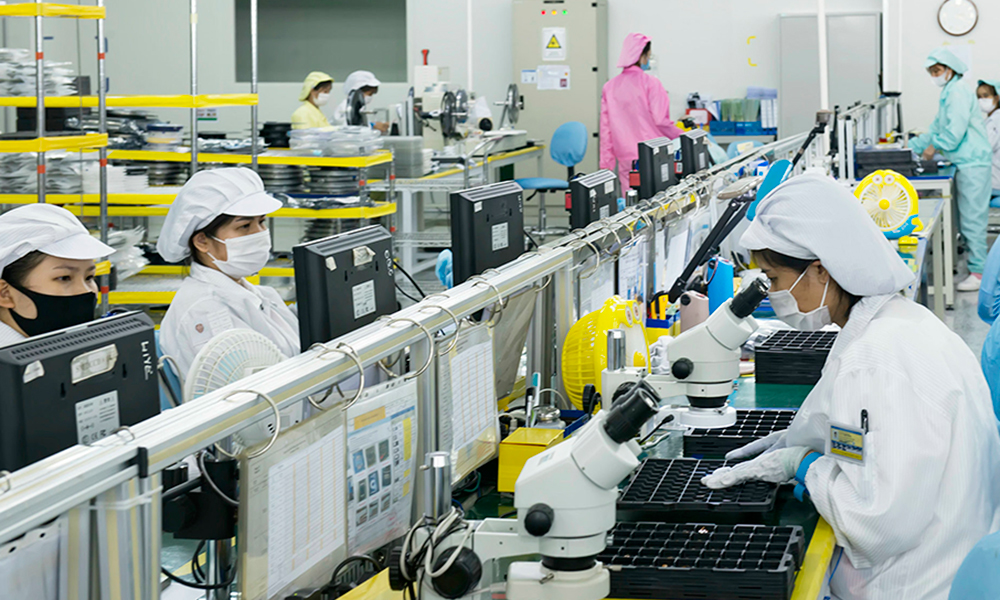
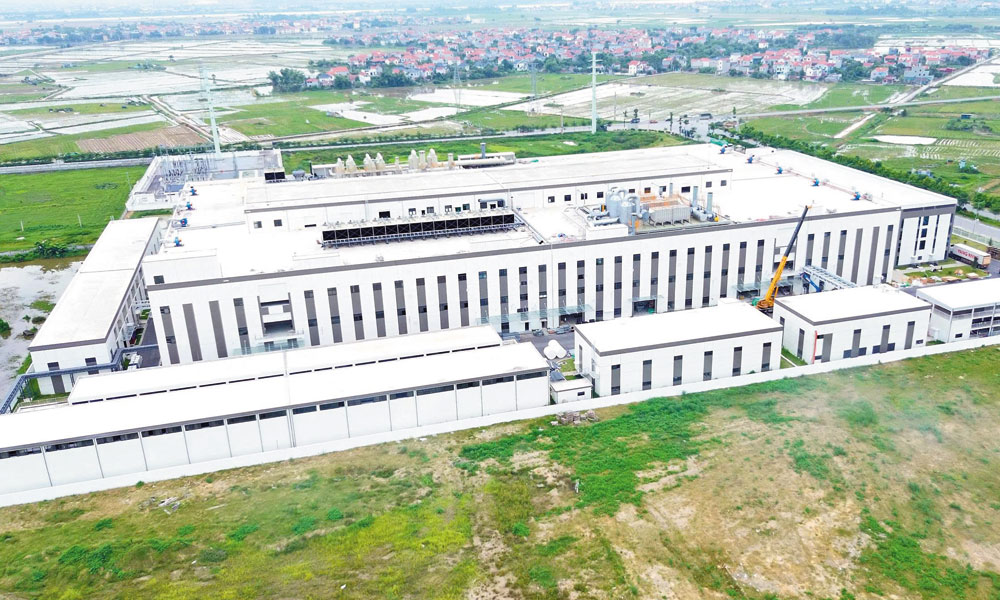
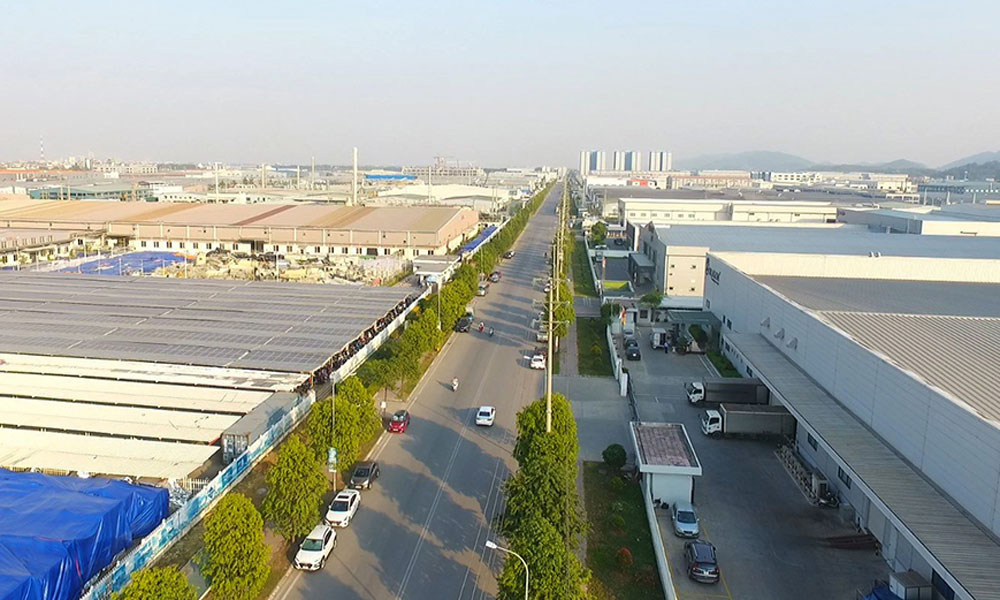
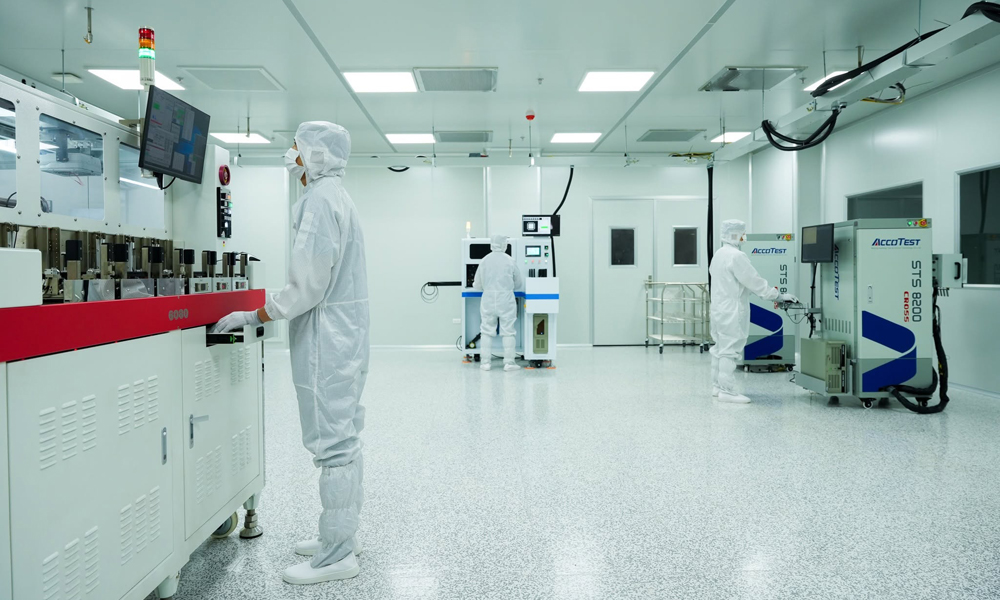
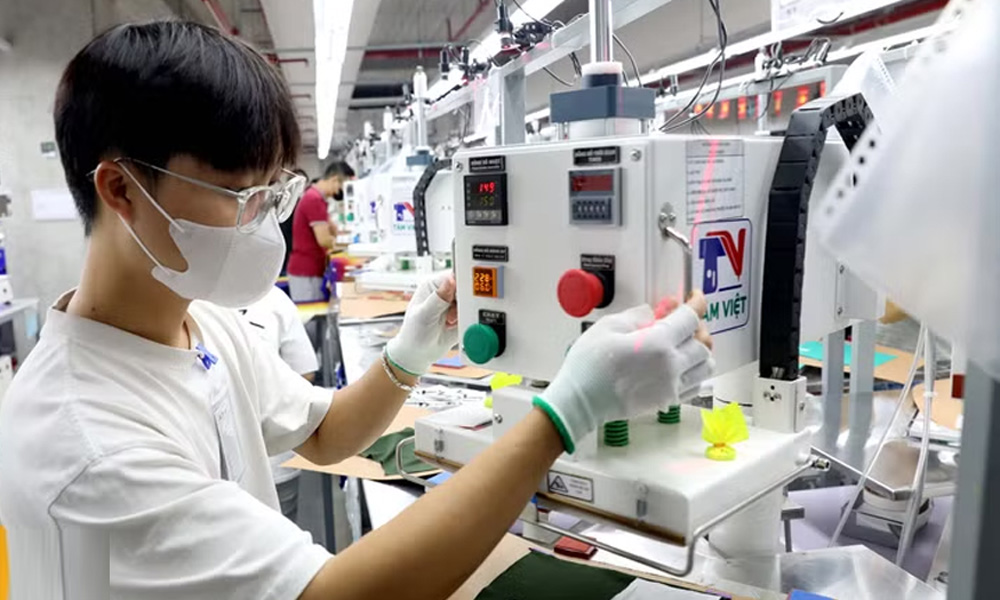
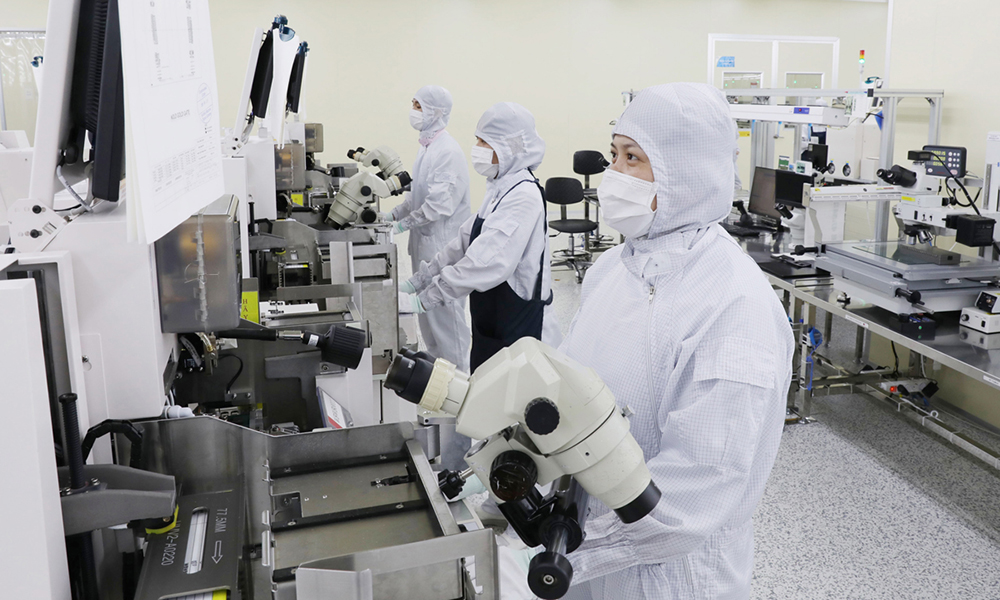
High-tech electronic components and mobile devices are manufactured at CRUCIALTEC VINA JSC in Yen Phong Industrial Park. |
These products help improve production efficiency, reduce defects and optimise operating costs, while supporting the automation of mechanical manufacturing and supporting industry production lines.
Infrastructure investment and breakthrough solutions
To remove bottlenecks and make the digital economy a driving force behind a new growth model, Bac Ninh is implementing a coordinated range of measures focusing on telecommunications and data infrastructure, domestic technology platforms and digital human resources.
Digital infrastructure and communications networks are being developed ahead of demand. High-speed fibre-optic networks now reach all villages, hamlets and residential areas across the city.
4G coverage stands at 99%, while commercial 5G services cover 60% of the city's area and all industrial parks, meeting the requirements of industrial robots, surface-mount technology production lines and automated warehouses.
The city is also planning a concentrated digital technology zone covering more than 213 hectares in Lien Bao Commune and Hap Linh and Vo Cuong wards.
The area is expected to attract projects involving integrated circuit design and software development, as well as green data centres linked to direct power purchase mechanisms.
Other initiatives include establishing a computing support and artificial intelligence (AI) application centre to serve urban governance and industrial management, promoting locally developed e-commerce platforms, expanding cashless payments and helping domestic businesses participate more actively in the digital economy.
Reliable and high-quality electricity supplies are another critical requirement for semiconductor manufacturing. To meet rising demand, Bac Ninh is planning 17 power generation projects with a combined capacity of around 1,938 MW.
The city is also implementing 43 power generation and grid projects with total investment exceeding 35 trillion VND (1.36 billion USD), including nearly 10 trillion VND for power grid infrastructure. It aims to develop an additional 1,000 MW of rooftop solar capacity to help secure energy supplies for production.
Human resource development is another priority. The city is implementing tuition support policies under Resolution No. 113/2025/NQ-HDND to attract and retain highly qualified experts and engineers, encouraging them to build long-term careers in Bac Ninh.
Digital technology is also being integrated into formal education, while retraining programmes and digital skills support are being expanded to help students and workers adapt to the requirements of the digital economy.
More than 80% of the city's workforce has received vocational or professional training. By 2030, Bac Ninh aims to train at least 30,000 workers for the semiconductor industry, including university graduates accounting for 1.8% and college-level graduates for more than 40%.
The city is also promoting housing development to attract and retain skilled workers. A total of 76 urban development projects and 65 social and commercial housing projects are currently underway, catering to different income groups.
To ensure the digital economy delivers tangible benefits, Bac Ninh is prioritising support for domestic businesses in developing competitive digital platforms and reducing dependence on foreign providers.
The city is also encouraging OCOP-certified products and traditional craft village goods to enter e-commerce platforms, using blockchain-based traceability labels to improve transparency and build consumer confidence.
 |
|
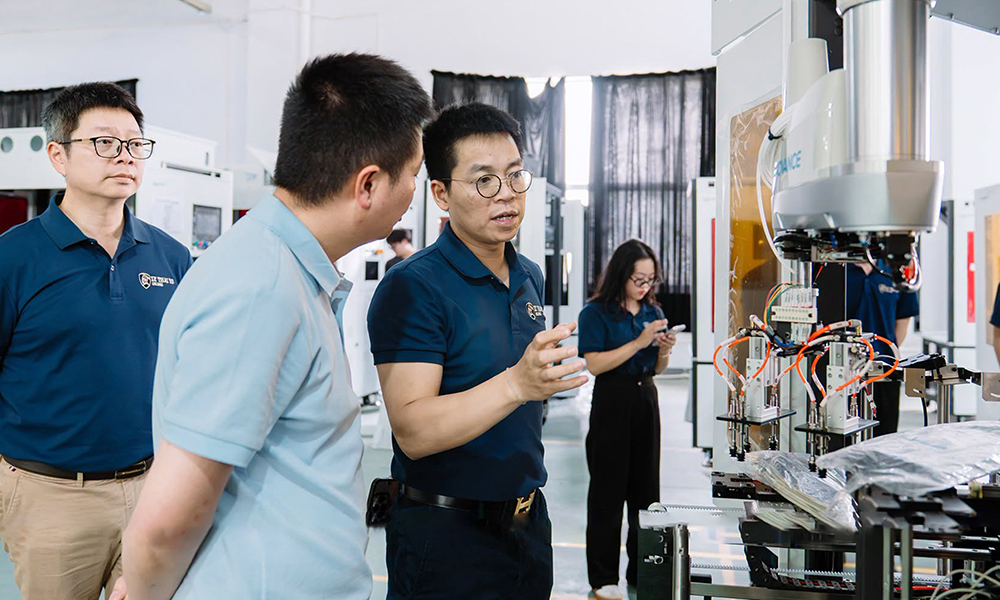
Experts from foreign-invested enterprises visit and assess automation vocational training at Ly Thai To College in Tu Son Ward. |
At the same time, it is promoting links between large, medium-sized and small enterprises within the digital ecosystem, strengthening financial security and improving digital literacy, particularly in remote and disadvantaged areas.
Affirming the city's determination to create sustainable value, Mai Son, Standing Vice Chairman of the Bac Ninh People's Committee, said the transition to an urban administration model would place a stronger emphasis on improving labour productivity through science and technology.
Bac Ninh would translate central government resolutions into practical measures, prioritise pilot regulatory sandbox mechanisms, expand data infrastructure and support private businesses in joining foreign-invested manufacturing supply chains, he said.
"The ultimate goal of developing the digital economy is to improve productivity, create better jobs and enable people to enjoy an increasingly better quality of life," he said.
With a solid institutional foundation, its status as a centrally governed city and increasingly integrated infrastructure networks, Bac Ninh aims not only to maintain its position as a growth pole but also to become a self-reliant digital economy hub, making a significant contribution to the country's development.





Reader's comments (0)