 Bắc Ninh


Hanoi's "Five City Gates” train marks first-year milestone with nearly 100,000 passengers
The train has operated nearly 400 services since its inaugural journey on August 19, 2025, recording an average occupancy rate of around 80%.
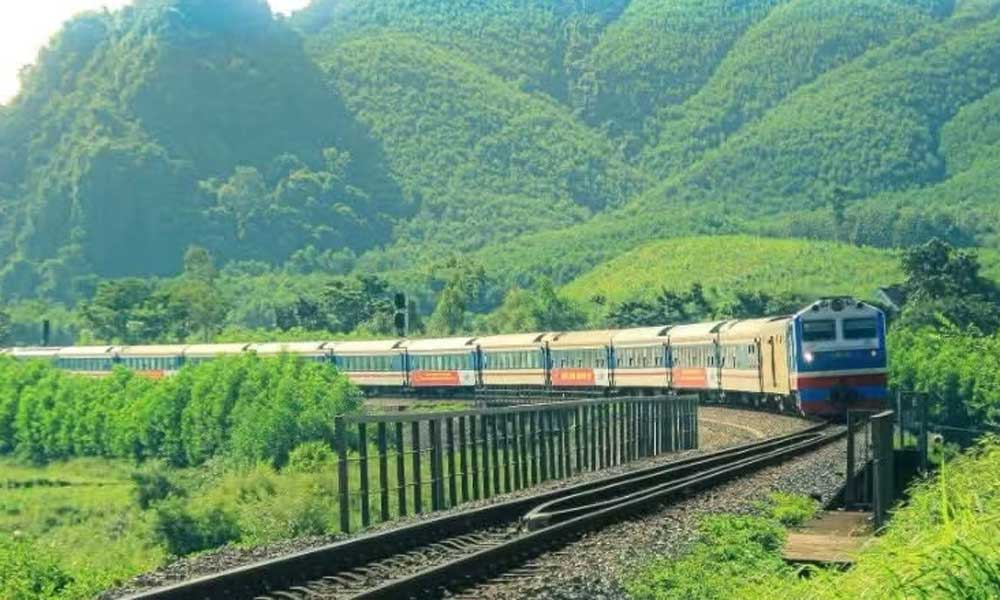
Nearly 100,000 passengers have experienced Hanoi's “Five City Gates” train in its first year, highlighting the growing appeal of railway tourism and its unique blend of heritage, culture and local experiences.
 |
|
After one year of operation, the train has completed nearly 400 services, carrying almost 100,000 passengers. |
The train has operated nearly 400 services since its inaugural journey on August 19, 2025, recording an average occupancy rate of around 80%.
Commercial services began on September 6, with the train running roughly once a day, from Hanoi Station through Tu Son Station in neighbouring Bac Ninh province to Long Bien Station in the capital and then back to Hanoi Station.
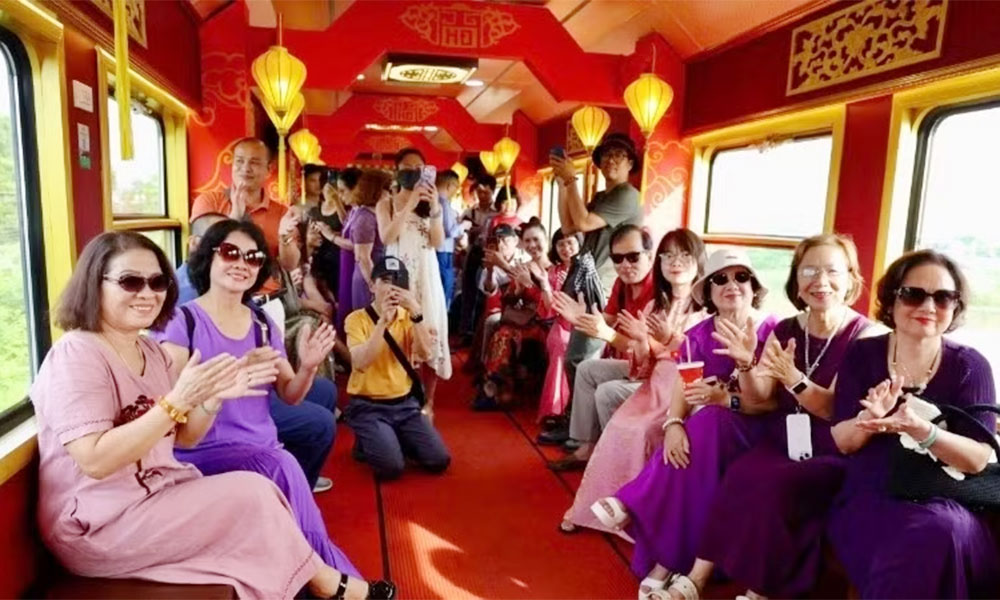
Rather than simply maximising passenger numbers, the operator limits ticket sales despite the train's 278-seat capacity, leaving room for passengers to move between carriages, enjoy cultural performances, take photographs and interact.
The journey is built around the historic connection between Thang Long (an old name of Hanoi), the heart of the Dai Viet civilisation, and Kinh Bac, a region now in Bac Ninh renowned for its rich cultural heritage and traditional arts, said Tao Duc Hiep, Chairman of BHL – the train operator.
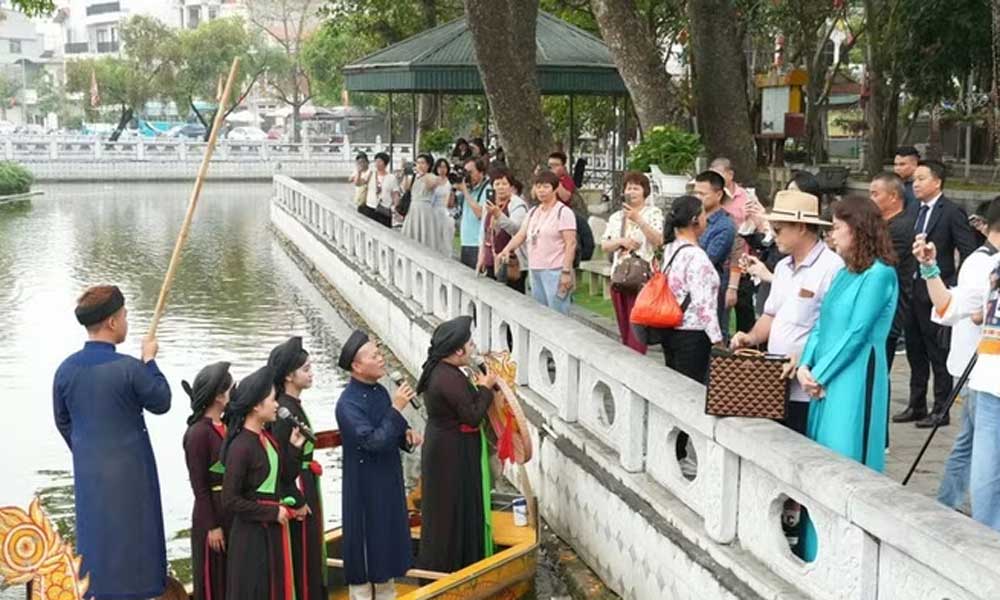
At Tu Son, passengers can visit Do Temple, the place of worship for eight kings of the Ly Dynasty (1009–1225), adding historical depth to the journey and highlighting the connection between the dynasty's birthplace and Thang Long.
The train has attracted both domestic and international visitors, including families, tour groups, businesses and cultural enthusiasts.
International tourists account for about 40% of passengers, with visitors from France, Australia, China and the Republic of Korea among the main sources.
Hanoi-inspired spaces, traditional performances, local cuisine and attentive service have helped shape the experience while a free multilingual audio guide introduces passengers to landmarks along the route, including Hanoi Station, the railway coffee street, Long Bien Bridge and the Red River.
Seasonal cuisine, music, décor and storytelling further refresh the experience throughout the year, encouraging visitors to return in different seasons.
The project took nearly six years to develop, including a two-year pause during the Covid-19 pandemic.
Its operator now plans to deepen the cultural and historical content, improve services, strengthen links with local destinations and tourism businesses, and expand its international, family and tourist group markets.
Blending the romance of rail travel with the stories of two heritage regions, the train is carving out a distinctive place in the capital's tourism landscape.






















Reader's comments (0)