 Bắc Ninh


International scholars commend Vietnam’s strategic vision
Foreign scholars agreed that the 14th National Party Congress not only reviewed nearly four decades of Doi moi, but also represented a significant shift in Vietnam’s development strategy.
The 14th National Congress of the Communist Party of Vietnam (CPV) has drawn wide attention from international scholars who view it as a milestone marking a clear shift in Vietnam’s development thinking towards sustainability, a people-centred approach, deeper international integration and the effective implementation of strategic breakthroughs through a coherent system of resolutions.
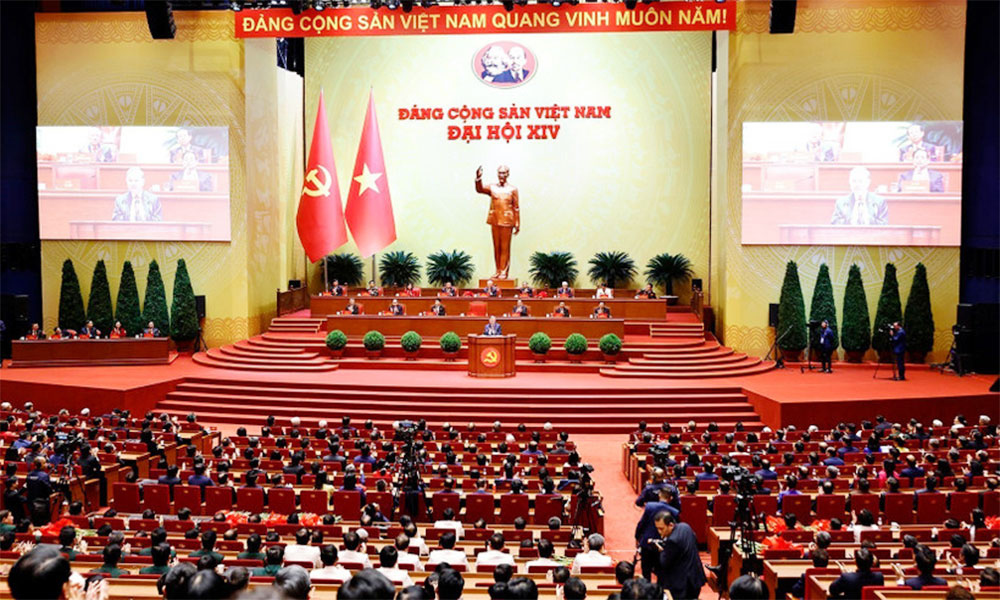 |
|
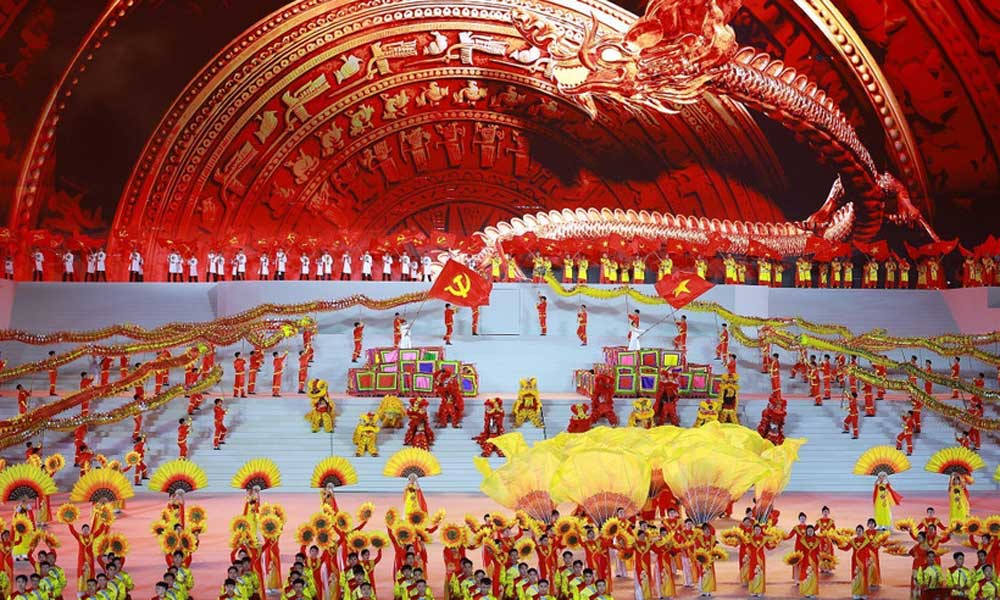
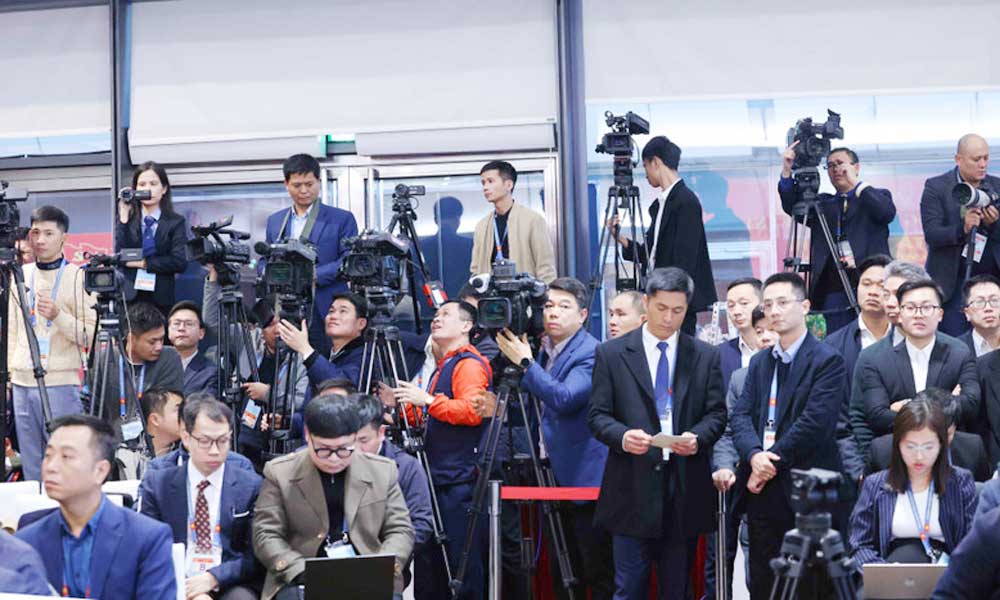
An overview of the closing session of the 14th National Party Congress on January 23. |
Reviewing nearly four decades of Doi moi (Renewal), experts held that Vietnam stands out as a successful model of socio-economic development. Its achievements reflect the combined strength of the Party, the people and the entire political system while reaffirming the soundness of the country’s chosen development path.
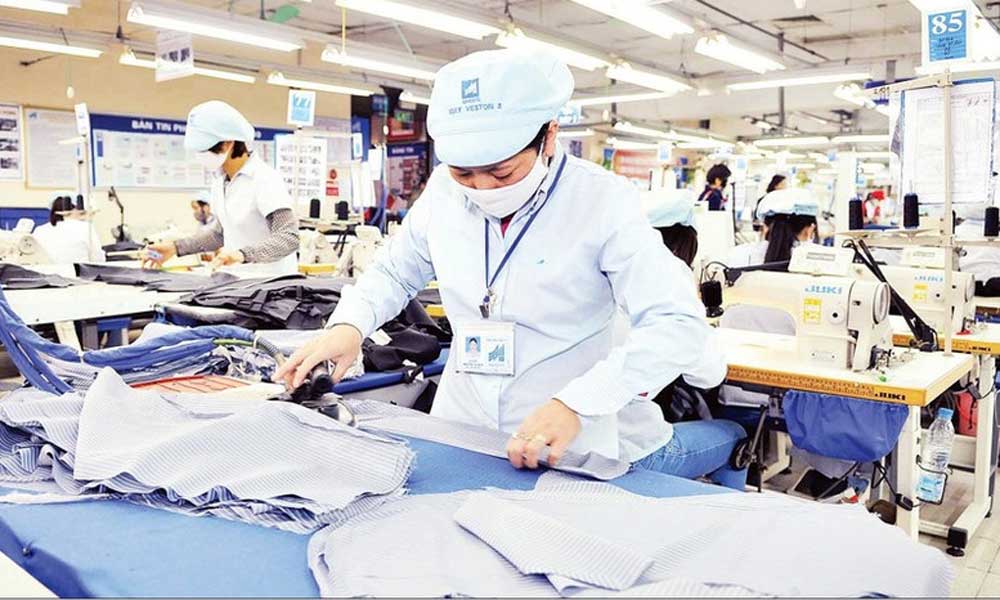
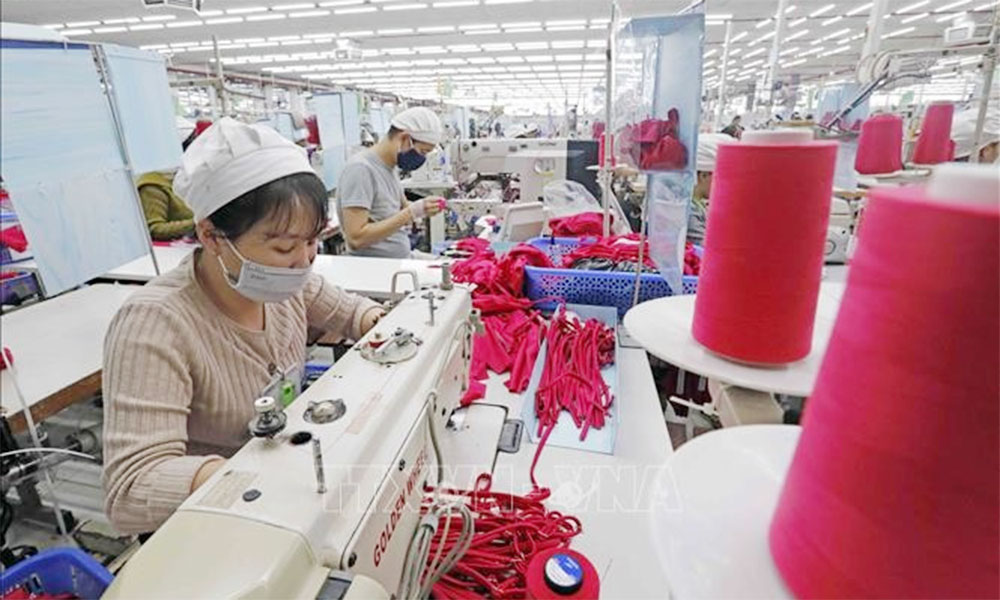
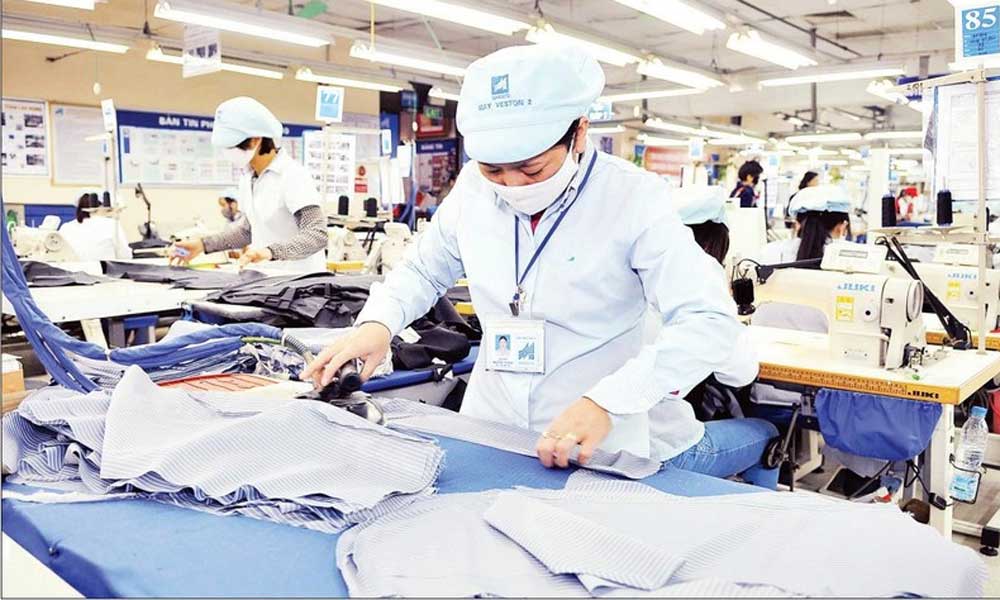
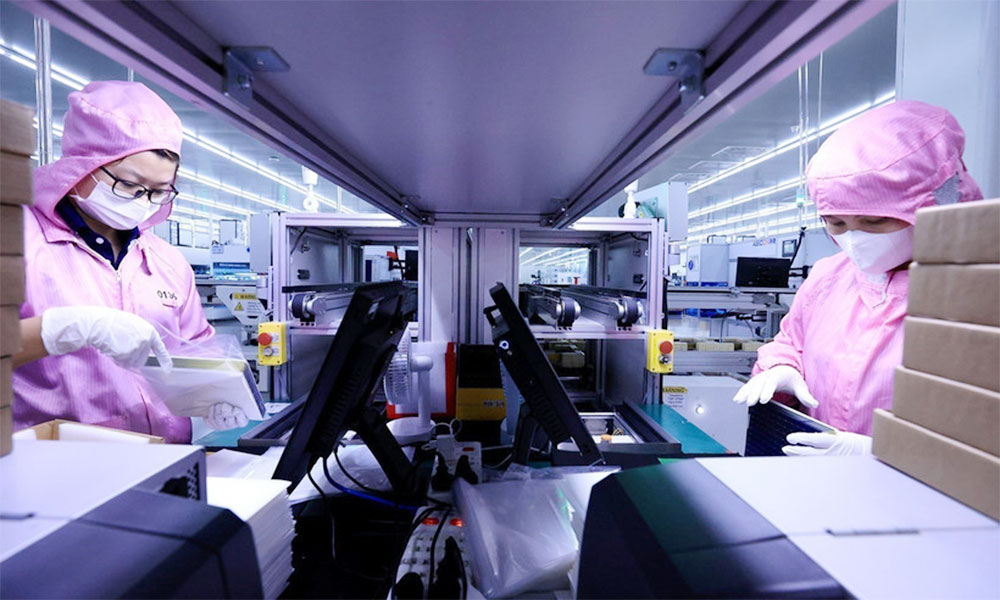
In an interview granted to the Vietnam News Agency, Dr Valeria Vershinina, Deputy Director of the ASEAN Centre at the Moscow State Institute of International Relations (MGIMO), said Vietnam’s consistent pursuit of comprehensive renewal has helped it emerge as a reputable member of the international community, an attractive destination for foreign investment and an increasingly important manufacturing hub in the region.
The country, she noted, is now widely regarded as a dynamic economy with considerable social progress and rising international stature.
Journalist Amiad Horowitz of the People’s World, a publication of the Communist Party USA, observed that Vietnam’s socio-economic gains in recent years demonstrate a positive development trajectory, marked by sustained high growth, improved infrastructure and rapid urbanisation.
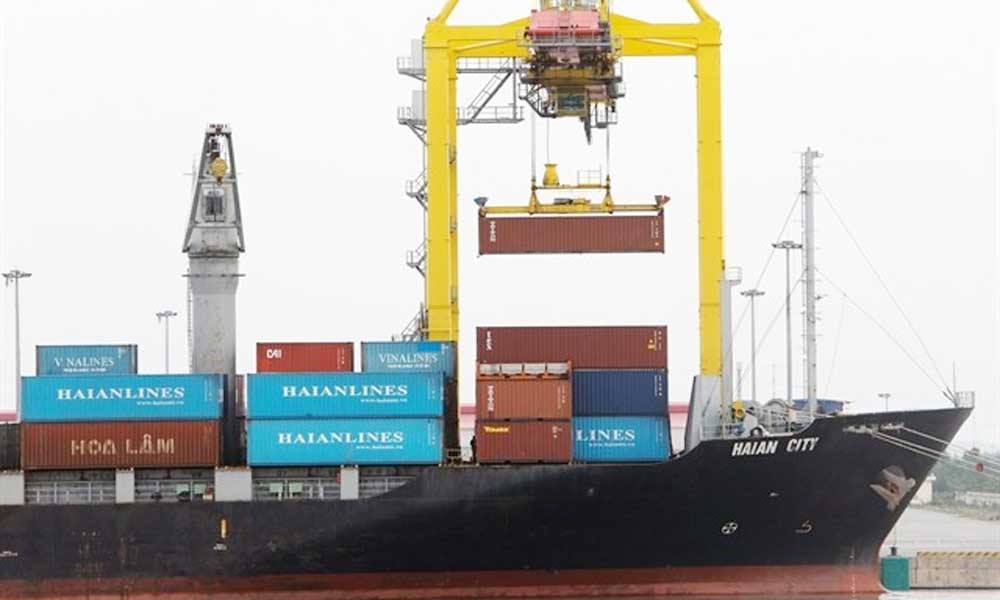
He highlighted the country’s rise to become one of the world’s leading agricultural exporters as a clear indicator of its economic strides.
Looking ahead, scholars stressed the new thinking embedded in the documents of the 14th National Party Congress. Horowitz noted the reaffirmation of sustainable development, in which economic growth is closely linked to environmental protection and improvements in people’s quality of life.
Vershinina underscored human resources development as a key priority to improve national competitiveness and secure long-term development effectiveness, saying the emphasis on people as the centre reflects the CPV's clear awareness of the need to maintain political stability and mobilise resources effectively for development.
From an international perspective, Professor Carl Thayer of the Australian Defence Force Academy under the University of New South Wales pointed out that the congress took place amid profound global changes, including intensifying competition among major powers and growing fragmentation of the international order.
Against this backdrop, he placed Vietnam’s orientations within key international commitments, such as becoming an upper-middle-income country with a modern industrial base by 2030 and fully implementing the 17 UN Sustainable Development Goals.
The scholars also noted why the congress has attracted heightened global interest. Vershinina said Vietnam is increasingly seen as an emerging middle power capable of playing a constructive role in some areas of regional and international cooperation, while the timing of the congress – coinciding with 40 years since the launch of Doi moi and looking ahead to the Party’s centenary, adds to the strategic weight of its decisions.
Regarding implementation, they highlighted the Politburo’s strategic resolutions issued in 2024–2025, covering science – technology, innovation, digital transformation, international integration, institutional perfection, private sector development, energy security, education – training, and culture.
These resolutions, Vershinina opined, help translate long-term goals—including becoming a high-income country by 2045—into concrete actions and unlock new growth drivers as traditional models reach their limits.
Overall, the scholars agreed that the 14th National Party Congress not only reviewed nearly four decades of Doi moi, but also represented a significant shift in Vietnam’s development strategy.
The focus on sustainable and people-centred development, the reaffirmation of international commitments, and the substantive implementation through the strategic resolutions are expected to provide a solid foundation for Vietnam’s next phase of development.






Reader's comments (0)