 Bắc Ninh


FDI inflows fuel GRDP growth across localities
Localities such as Quang Ninh, Hai Phong, Ninh Binh, Phu Tho and Bac Ninh posted growth rates of between 10.27% and 11.89%, far exceeding the national average.
Leveraging internal strengths while attracting and efficiently deploying investment capital, particularly foreign direct investment (FDI), has provided a strong impetus for high GRDP growth in a number of localities in 2025.
 |
|
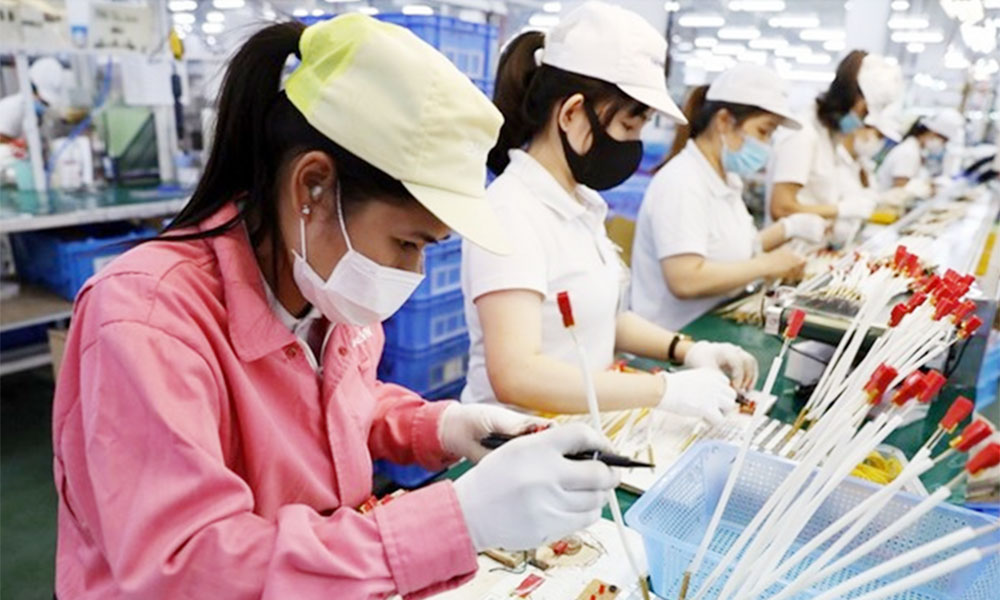
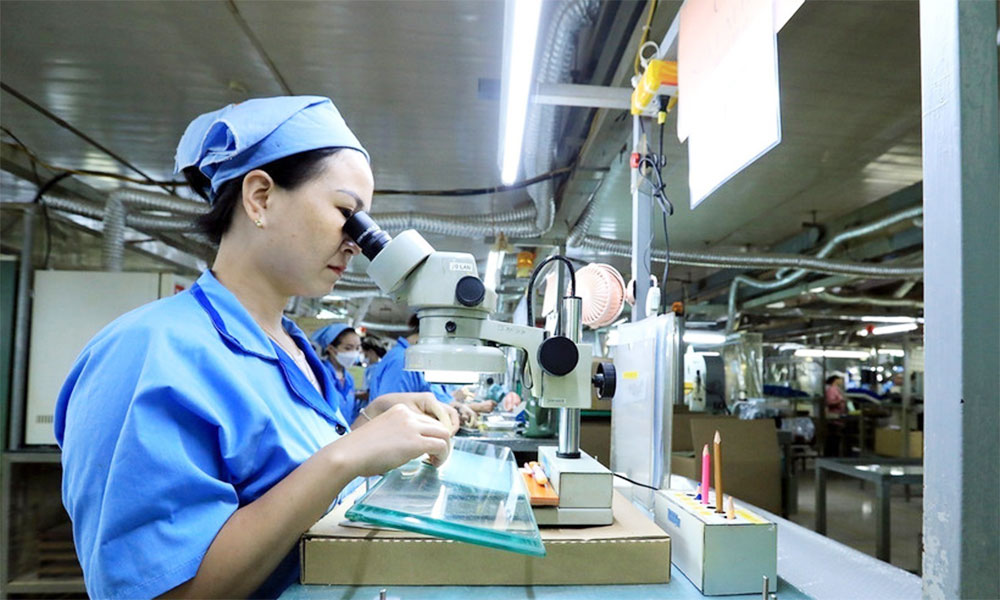
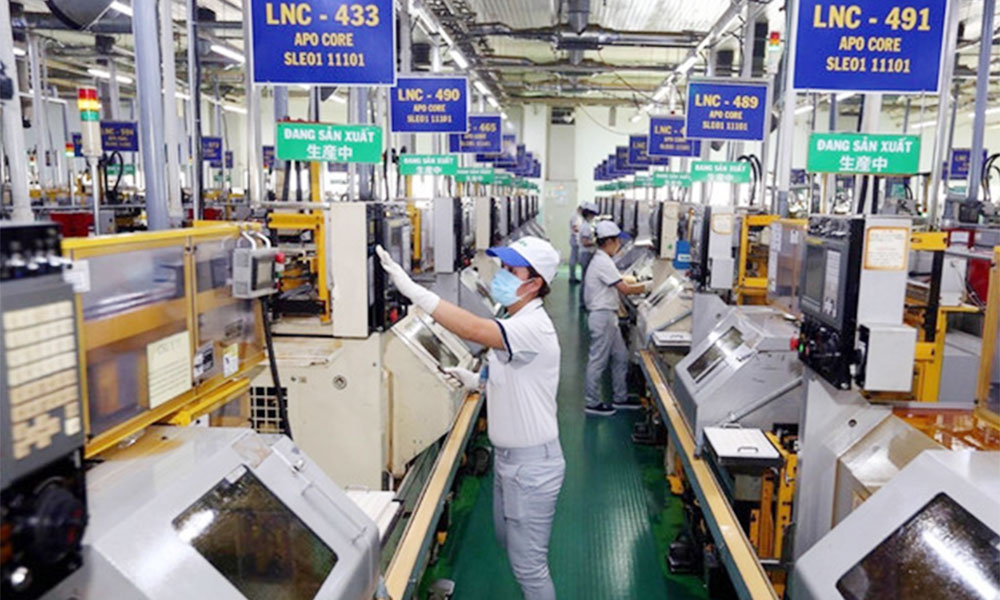
A production and assembly line for gas stove components at Paloma Vietnam Co., Ltd., a Japanese-invested enterprise, located in the VSIP Hai Phong industrial and urban complex. |
According to a report on GRDP growth outcomes for 34 provinces and cities recently released by the National Statistics Office (NSO), the leading localities share several common traits: development orientations aligned with local conditions and comparative advantages, relatively solid industrial and service bases, and effective institutional reforms coupled with improvements in the investment and business climate and governance capacity.
Localities such as Quang Ninh, Hai Phong, Ninh Binh, Phu Tho and Bac Ninh posted growth rates of between 10.27% and 11.89%, far exceeding the national average.
NSO Deputy Director General Le Trung Hieu said the strong performance was closely associated with the operation of large industrial complexes and major FDI projects.
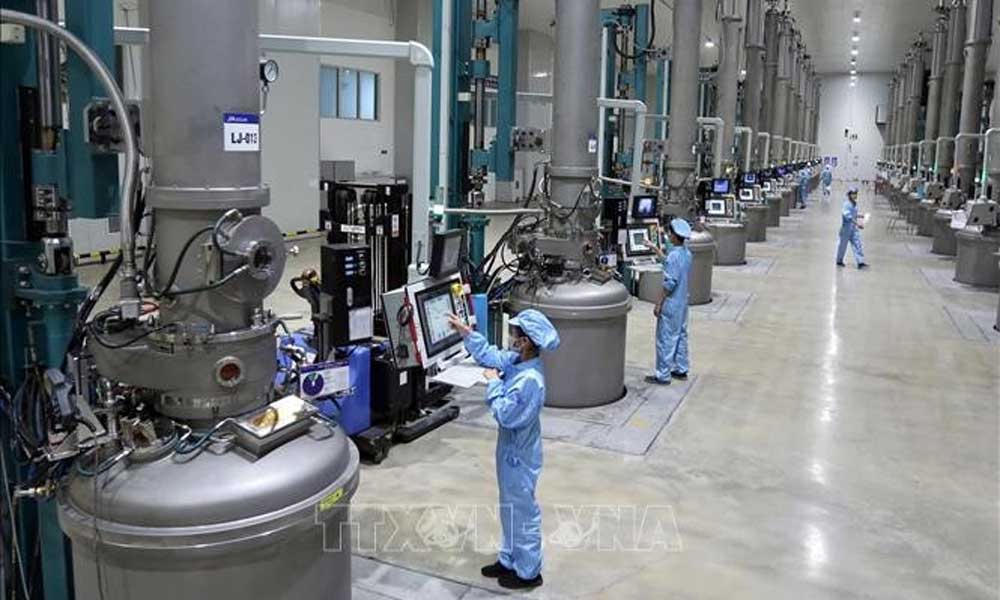
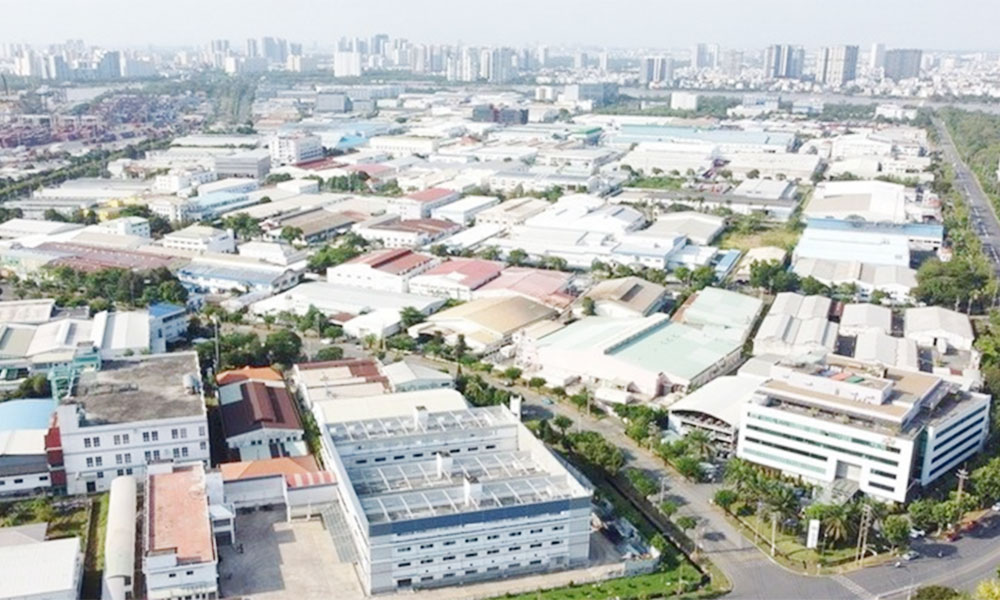
Key drivers include the Quang Yen coastal economic zone and the Thanh Cong Viet Hung automobile complex, FDI projects in Dong Mai and Hai Ha industrial parks in Quang Ninh; the Dinh Vu–Cat Hai economic zone, the VinFast automobile manufacturing complex and LG Group’s projects in Hai Phong; automobile clusters and supporting industries as well as Khanh Phu and Gian Khau industrial parks in Ninh Binh; Thuy Van, Phu Ninh and Trung Ha industrial parks in Phu Tho; and the Samsung complex together with Yen Phong, Que Vo and Tien Son industrial parks in Bac Ninh.
Some localities have also taken advantage of their relatively small economic scale to achieve sharp growth spurts, driven by breakthroughs in public investment disbursement and the development of new growth areas.
Following its merger with Bac Giang, Bac Ninh has emerged as a large, highly competitive processing and manufacturing hub in the Red River Delta and the northern midland and mountainous region.
The integration has created clear synergies, combining Bac Ninh’s established strength as an electronics manufacturing centre, home to major corporations such as Samsung, Canon and Amkor, with Bac Giang’s advantages in supporting industries, rapid growth and strong FDI attraction in manufacturing.
This has helped form a large, diversified production base, bolstering international competitiveness, while expanding development space, optimising resources and creating a new growth pole to foster more sustainable regional linkages.
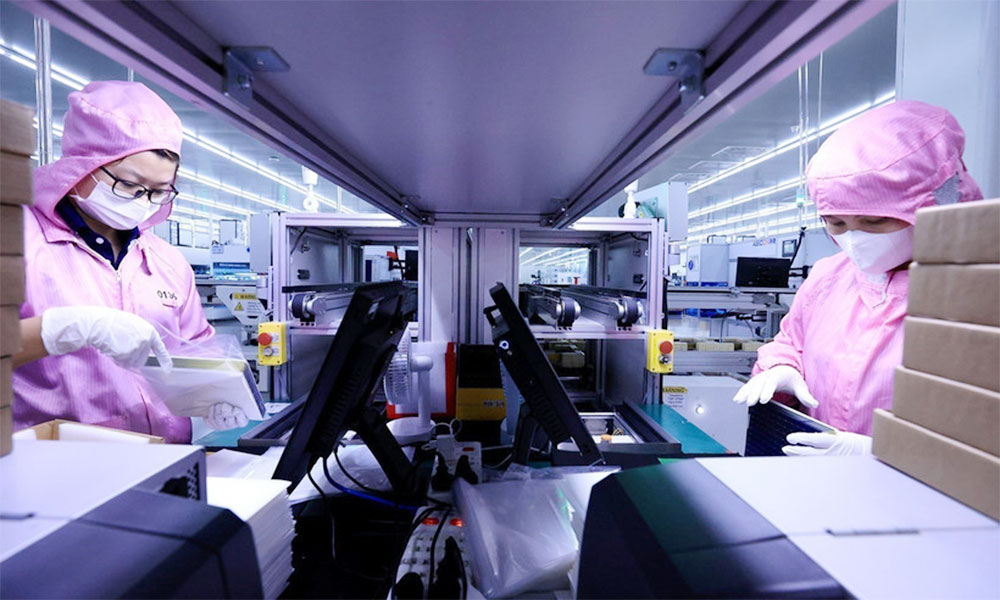
Bac Ninh’s GRDP growth in 2025 is estimated at 10.3%, ranking fifth among the 34 localities. The result is largely attributed to its core sector - manufacturing of electronic products, computers and optical products, which expanded by more than 20%, driven by capacity expansion at existing firms such as Hana Micron, Fuyu, Fukang and Samsung Electronics, as well as new FDI projects that became operational from late 2024, including Fulian and Amkor.
Looking ahead to 2026, the NSO recommended that localities continue to mobilise and efficiently use development resources, while fully tapping endogenous potential through stronger improvements in the investment and business environment and enhanced support for domestic enterprises to expand production and competitiveness.





Reader's comments (0)