 Bắc Ninh


OCOP-tourism links boost value of Vietnamese farm products
Producers are suggested to bring visitors to farms and workshops to experience cultivation, processing and local traditions, rather than simply selling products at tourist destinations.
Linking "One Commune, One Product" (OCOP) products with rural tourism is creating new opportunities to boost agricultural value, expand markets and increase rural incomes.
 |
|
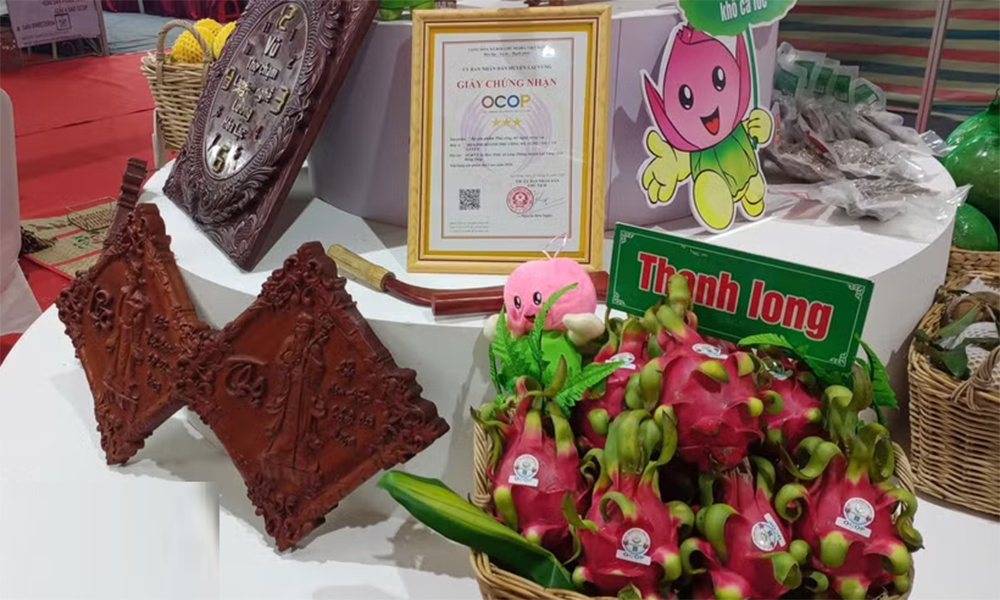
Red-fleshed dragon fruit and handicrafts rated three-star under the OCOP programme from Hung Thinh Phat Clean Agriculture Cooperative in Tan Thuan Binh commune, Dong Thap province. (Photo: VNA) |
Phuong Dinh Anh, Deputy Chief of the Central Coordination Office for National Target Programmes, said Vietnam had more than 21,000 OCOP products rated three stars or higher as of September 2026, involving over 10,000 producers.
The country also had more than 600 rural tourism models, including nearly 400 officially recognised.
However, links between OCOP products and tourism remain limited. Many products are sold at tourist sites without showcasing their production processes or cultural heritage, while some producers lack facilities to welcome visitors.
Anh said producers should bring visitors to farms and workshops to experience cultivation, processing and local traditions, rather than simply selling products at tourist destinations. Investment in visitor facilities, food safety, product storytelling and customer service is essential.
In Thai Nguyen province, tea-based tourism in areas such as Tan Cuong, La Bang and Tuc Tranh is helping farmers earn additional income while promoting local products.
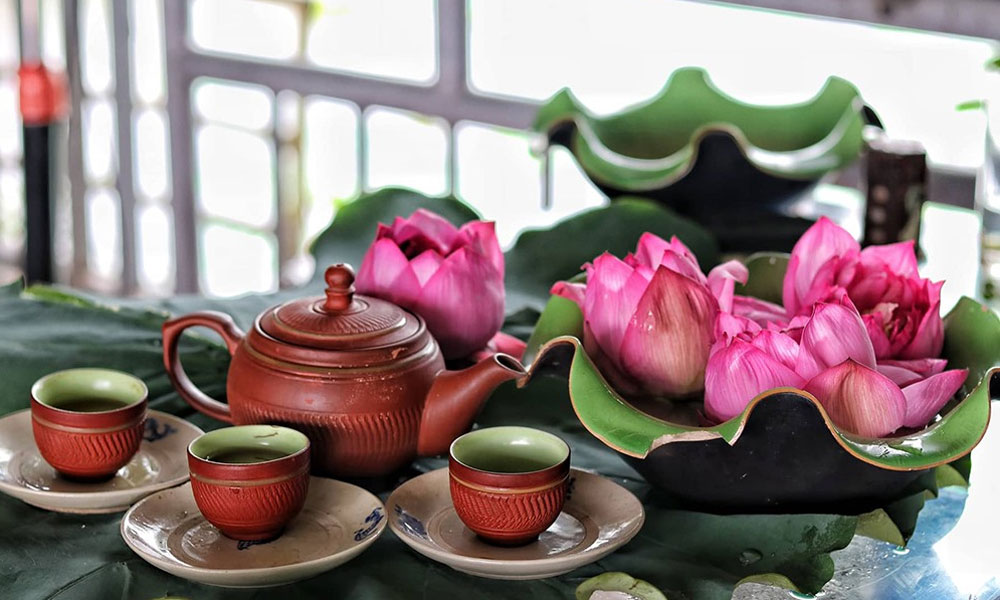
Hao Dat Tea Cooperative in Tan Cuong commune, which has one five-star OCOP product and two rated three and four stars, has invested billions of dong in a tea cultural space where visitors can sample tea, enjoy tea hill landscapes and explore production processes.
Its director, Dao Thanh Hao, said these experiences help visitors understand the local tea-making tradition while boosting product promotion and sales.
Assoc. Prof. Dr Ngo Thi Thu Trang, Director of the Institute of Social Sciences and Humanities Research at the University of Social Sciences and Humanities under Vietnam National University-Ho Chi Minh City, said product quality alone is not enough to ensure competitiveness.
Producers must maintain standards, improve packaging, develop visitor experiences and secure sales channels.
Effectiveness needs to be evaluated not only by the number of products achieving "star" status but also by sales performance, customer satisfaction, and producers' incomes, she added.
Vietnam welcomed around 17 million international visitors in the first nine months of 2026, offering significant potential for rural tourism. Travel companies should be involved early in designing experiences that match market demand.
Digital transformation is also crucial. QR codes can help consumers trace product origins and verify quality, while digital sales channels should generate actual orders and build stable markets, Trang suggested.
Hoang Hoa Quan, a representative of the Vietnam National Authority of Tourism under the Ministry of Culture, Sporst and Tourism, said closer coordination across economic, transport and cultural sectors, alongside stronger policy support and a decisive shift from merely selling farm produce to offering cultural experiences, will help build sustainable value chains, promote local products and improve rural livelihoods.







Reader's comments (0)