 Bắc Ninh


Policies pave the way for industrial development in Bac Ninh
BAC NINH - Deeper integration into global supply chains cannot rely solely on individual businesses. With an established foreign direct investment (FDI) ecosystem, Bac Ninh needs to shift its focus from attracting investment and expanding production to strengthening domestic capabilities and creating an environment in which Vietnamese companies can grow alongside multinational corporations.
Building an enabling environment through localisation
 |
|
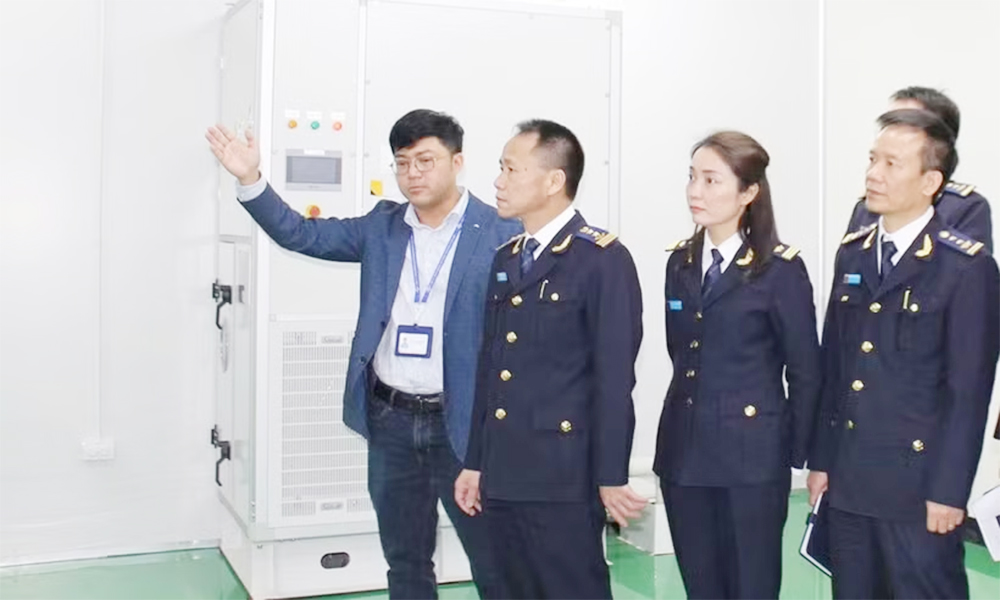
Municipal leaders visit Samsung Group’s product exhibition area at Yen Phong 1 Industrial Park. |
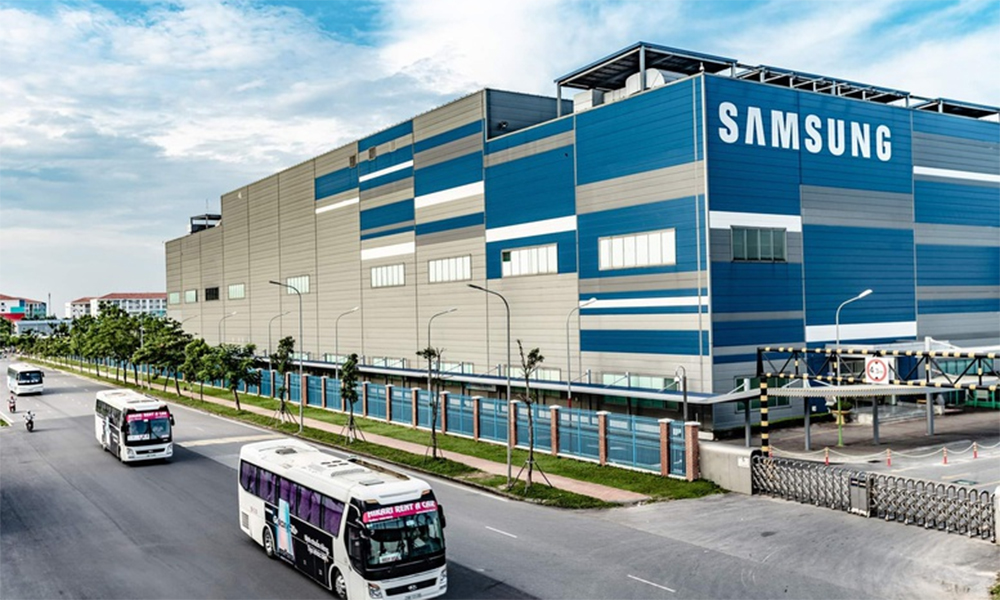
Bac Ninh has a strong FDI base, a large market and the presence of leading global technology groups, generating substantial demand for components, raw materials, equipment and technical services.
During meetings with major investors in the city, including Samsung, Amkor Technology, Huawei and Goertek, Nguyen Hong Thai, member of the Party Central Committee and Secretary of the Bac Ninh Municipal Party Committee, and other municipal leaders have called on foreign-invested enterprises to help Vietnamese businesses participate more deeply in global supply chains, laying the foundation for a sustainable industrial ecosystem.
In line with national development priorities, Bac Ninh has proactively developed mechanisms and policies to create favourable conditions for businesses to invest, adopt new technologies and strengthen their competitiveness.
 |
|
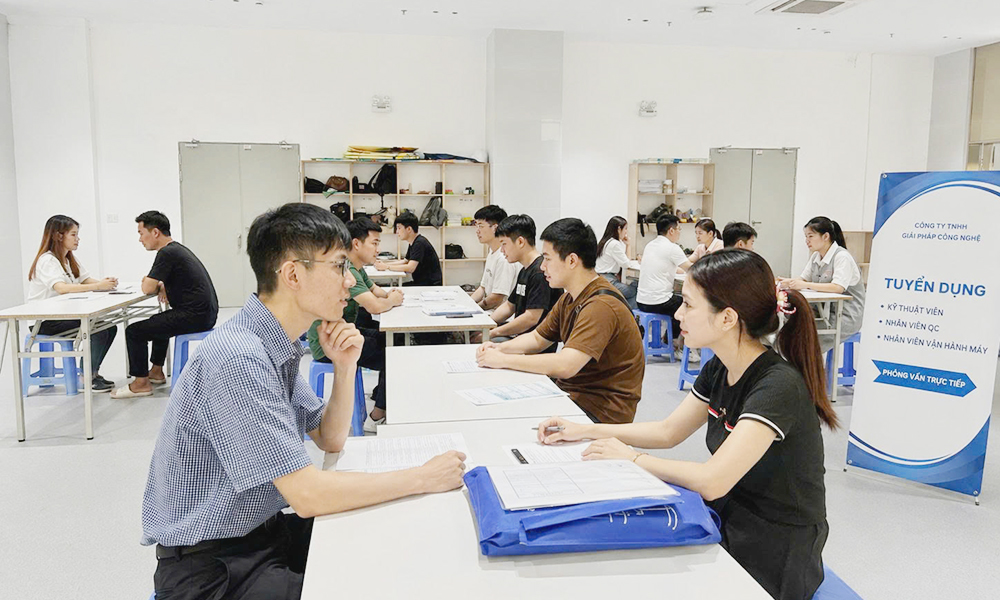
ITC Technology Solutions Company Limited staff interview candidates for recruitment. |
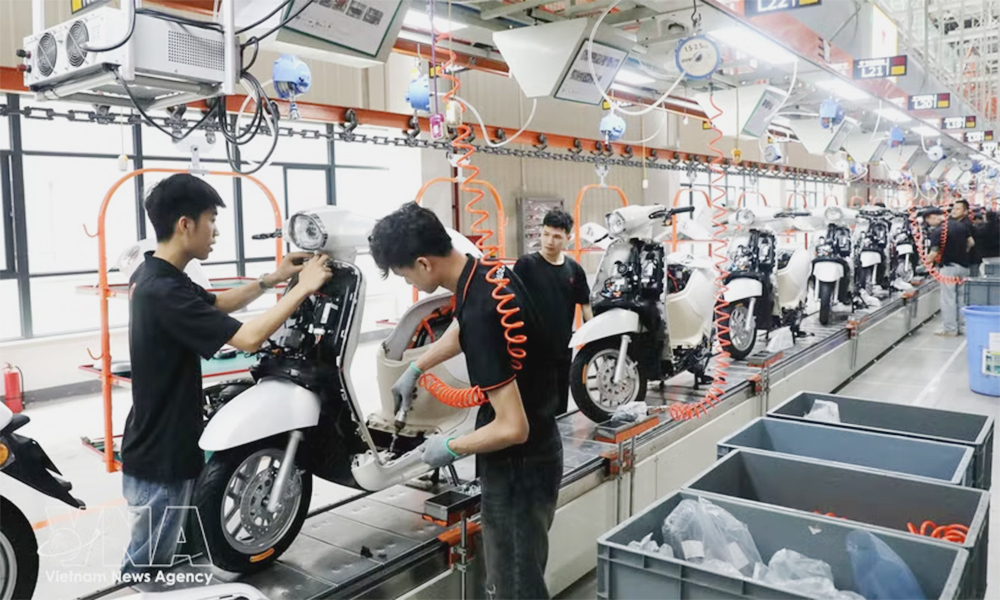
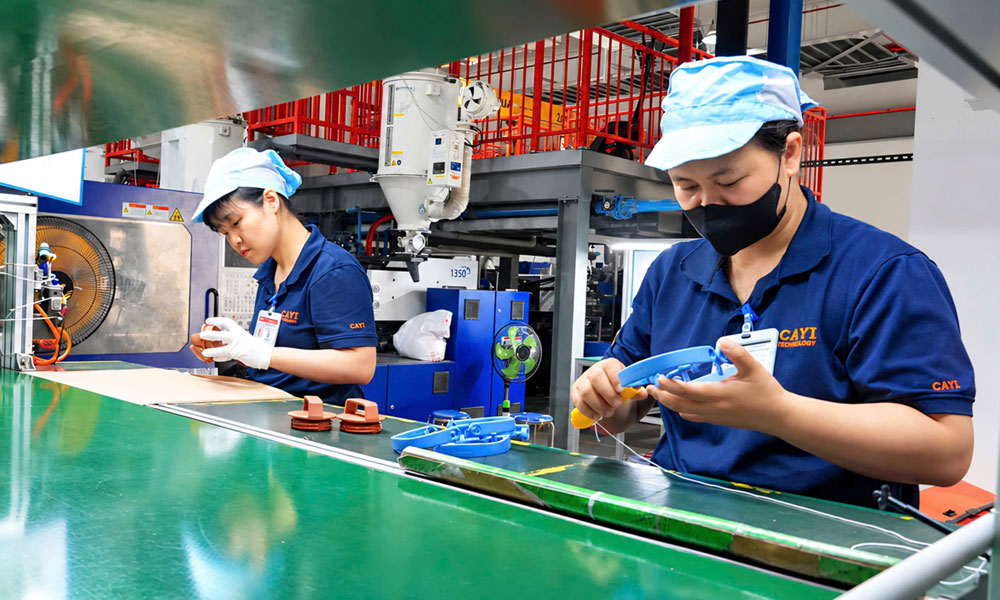
Under its supporting industries development scheme for 2026-2030, with a vision to 2035, the city aims to build a modern, high-tech and competitive supporting industries sector that is increasingly integrated into domestic and global production networks.
Key priorities include electronics, semiconductors, precision engineering, automation and high-tech industries.
The city also seeks to help domestic manufacturers move beyond contract production based on customer specifications to participate in product design, testing and development in collaboration with clients.
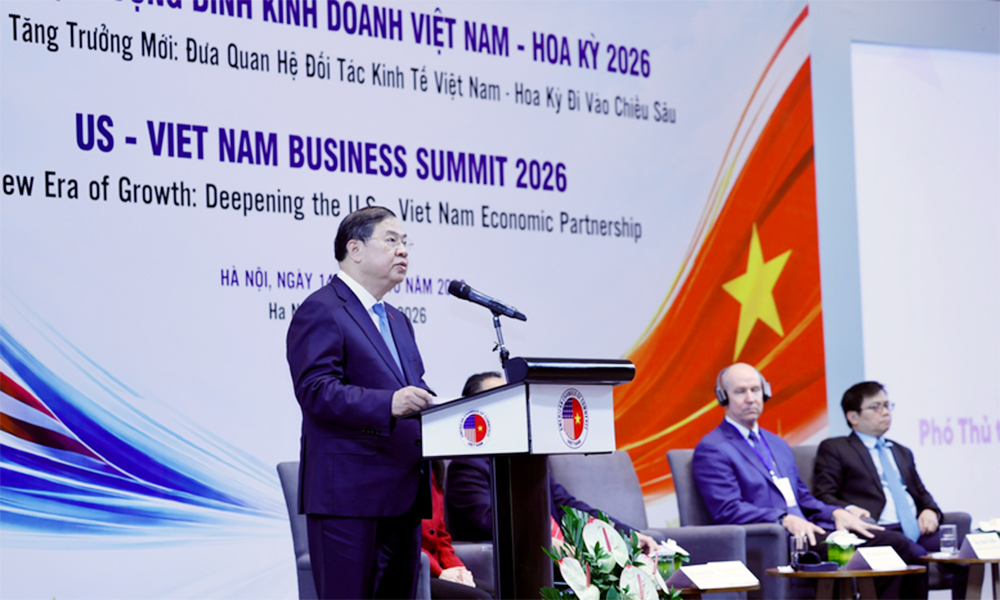
Pham Van Thinh, member of the municipal Party Committee's Standing Board and Vice Chairman of the Bac Ninh Municipal People's Committee, said localisation in Bac Ninh should not be confined to geographical boundaries or conventional measures of domestic content.
Instead, it represents a development philosophy rooted in domestic capabilities and competition based on quality and technology.
Under this approach, Vietnamese companies are at the centre of development, while the demanding standards of foreign-invested enterprises serve as a benchmark for improvement.
The local government acts as an enabler, developing an industrial ecosystem, connecting infrastructure and removing bottlenecks to create conditions for domestic and foreign businesses to upgrade their capabilities together.
By 2030, Bac Ninh aims to have more than 700 supporting industry companies, with 60% meeting global management standards. By 2035, it targets at least 1,000 such companies, with 80% meeting international standards.
 |
|
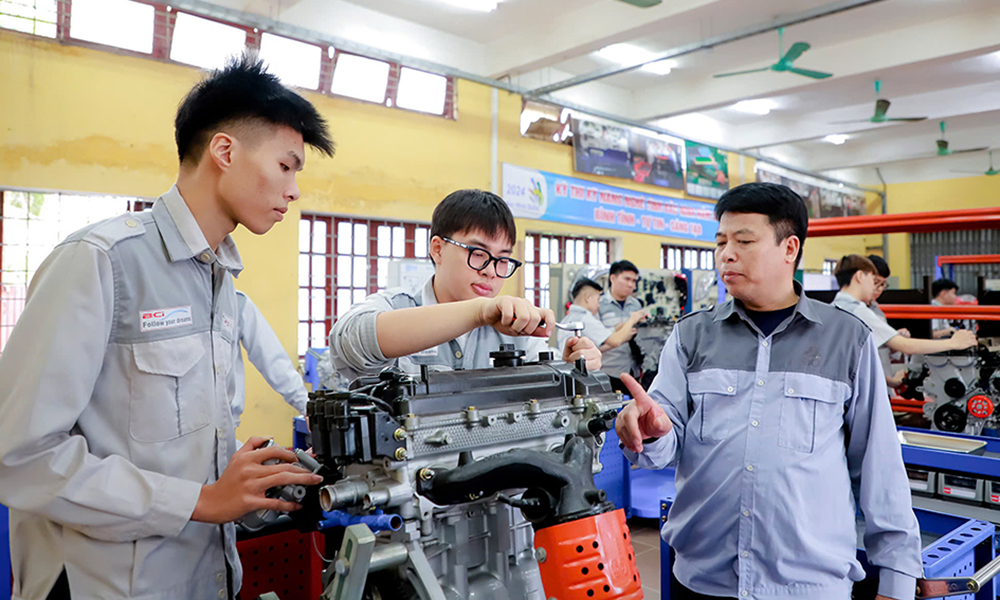
Students receive training for the automotive industry at Bac Ninh Industrial College. |
The longer-term goal is to develop domestic enterprises capable of conducting research, developing products and directly participating in manufacturing across global value chains.
Domestic capabilities remain decisive
Policies can pave the way, but businesses themselves must make the journey.
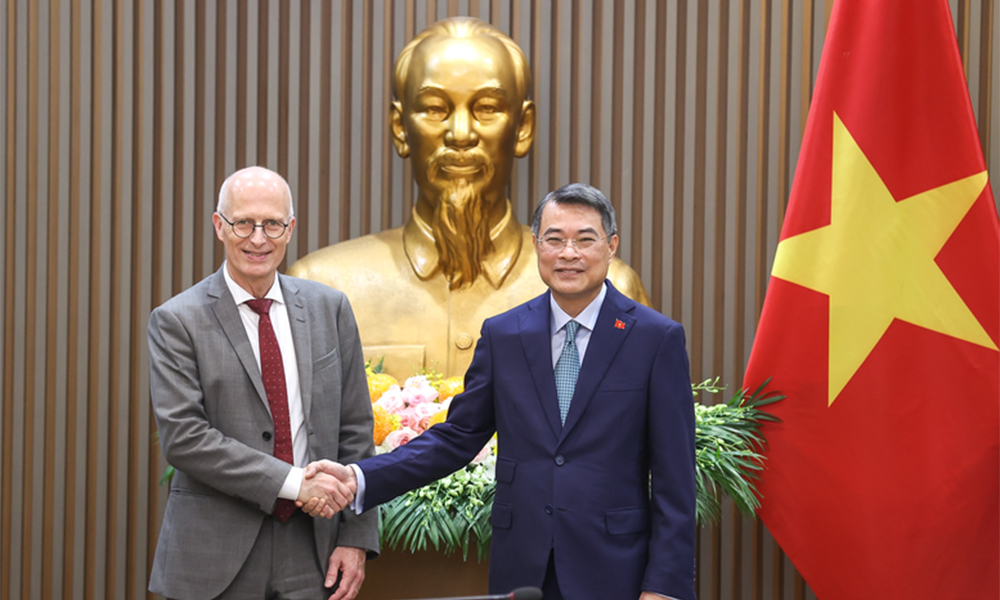
Nguyen Van Hung, Chairman of the board of Alpha Vina Mechanical Engineering and Automation JSC and Chairman of the Bac Ninh Mechanical Engineering Business Association, said government support was essential in giving companies better conditions to invest and grow.
However, he stressed that policies could provide only an enabling environment and initial momentum, while a company's own capabilities remained decisive.
"Businesses must proactively innovate their technologies, improve their capabilities and seek opportunities to participate in supply chains. Only then can support policies deliver their full benefits," he said.
 |
|
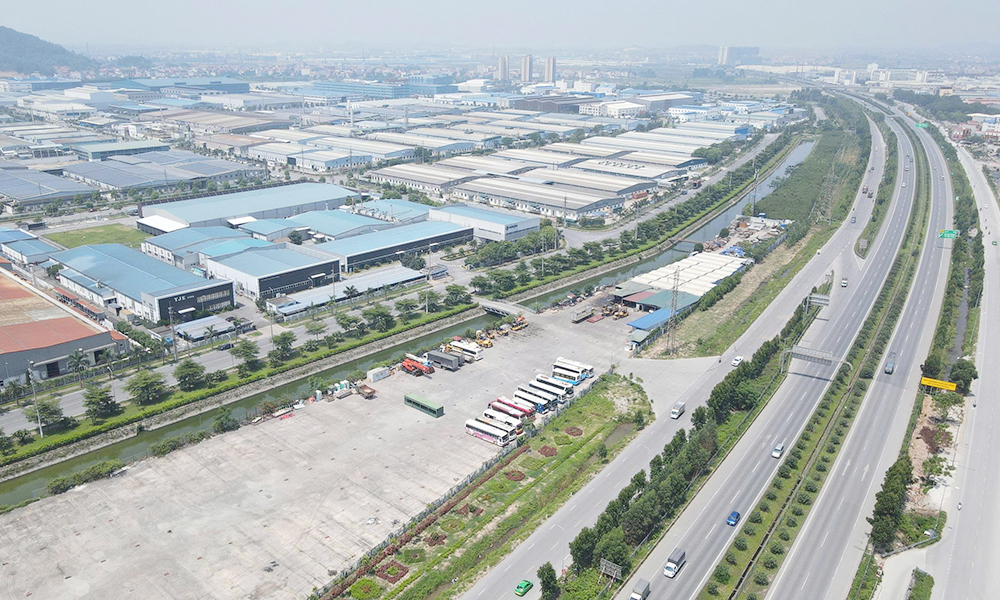
A view of Van Trung Industrial Park. |
Experience shows that moving from contract manufacturing to automation, or from producing simple components to supplying equipment and integrated solutions, requires sustained investment in technology, workforce training and standardised management systems. Companies must also meet increasingly stringent customer requirements.
Support from the government, foreign-invested enterprises and educational institutions can accelerate this process, but cannot replace businesses' own efforts to upgrade their operations.
For this reason, supporting industry policies should not focus solely on addressing immediate difficulties. More importantly, they must establish an environment in which domestic companies can strengthen their capabilities, improve productivity and develop sustainably.
For Bac Ninh, the challenge is therefore not simply to expand its industrial base, but to turn its established FDI ecosystem into a platform for stronger Vietnamese enterprises and deeper participation in global value chains.





Reader's comments (0)