 Bắc Ninh


Science, technology, innovation as engines of economic growth
To ensure that science and technology truly act as a powerful growth engine, experts emphasised the need for the Government to put in place supportive mechanisms and policies that encourage enterprises to invest in research and development, while strengthening cooperation among the State, research institutions and the business sector.
Vietnam has built a strong base for economic development, but maintaining growth will depend on science, technology, innovation, and digital transformation.
 |
|
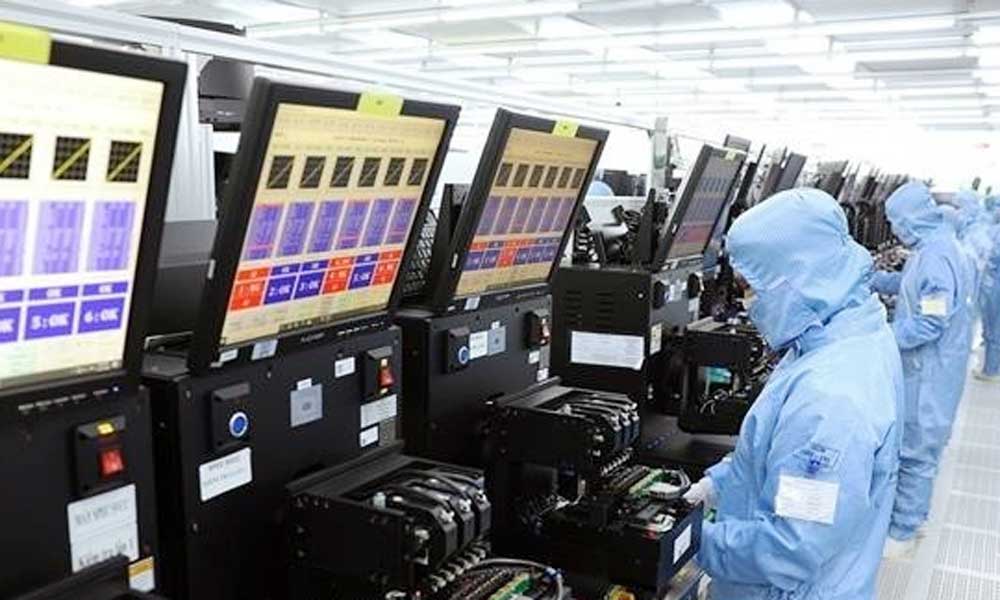
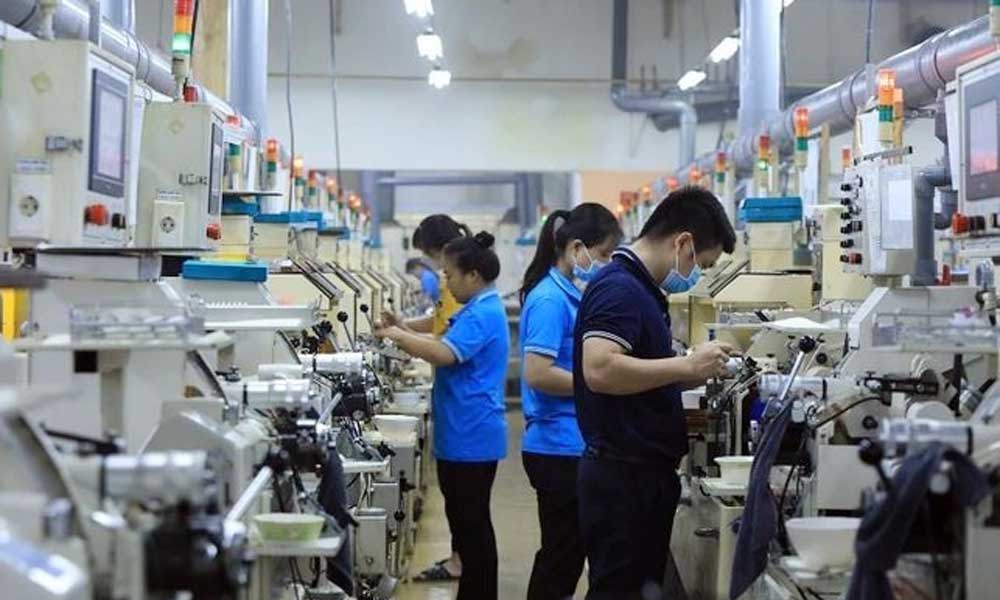
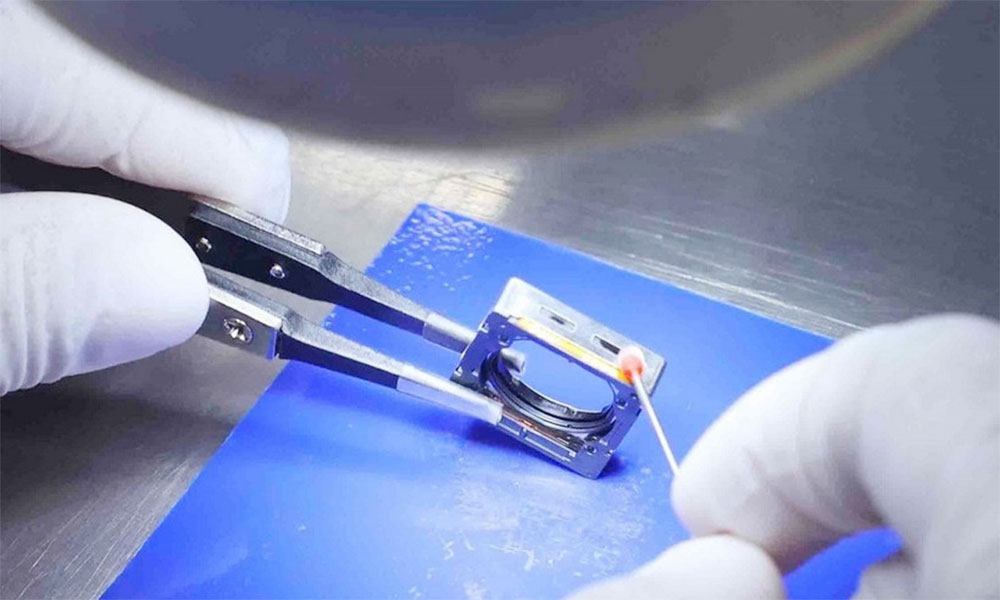
A production line for camera modules and electronic components at the factory of MCNEX VINA Co. Ltd, a Republic of Korean-invested company in Phuc Son Industrial Park, Ninh Binh province. |
These have been recognised as the key forces driving a new growth model focused on knowledge, productivity, and creating high value.
After four decades of implementing the Doi Moi (Renewal) process from 1986 to 2026, Vietnam has transformed from a war-scarred, underdeveloped economy into a dynamic developing country, with a clear aspiration to become a high-income nation by 2045.
Over the period, per capita GDP rose from just over 100 USD in 1986 to more than 5,000 USD in 2025, lifting Vietnam into the upper-middle-income group and meeting the target set out in the documents of the 13th National Party Congress.
The economic structure has also shifted decisively away from agriculture towards industry and services, alongside marked improvements in socio-economic infrastructure.
From an once closed economy, Vietnam has emerged as a major exporter and an active participant in new-generation free trade agreements, including the CPTPP, the EU–Vietnam Free Trade Agreement (EVFTA) and the Regional Comprehensive Economic Partnership (RCEP).
The country has increasingly positioned itself as an attractive destination for multinational corporations.
Economic growth has remained stable and relatively high for many years. Despite headwinds from the Covid-19 pandemic, geopolitical tensions and global trade disruptions, Vietnam posted average GDP growth of about 6.3% per year in the 2021-2025 period. By 2025, the size of the economy had surpassed 514 billion USD, placing Vietnam 32nd in the world.
Reviewing the country’s 40-year renewal journey, Prof. Dr Vu Van Hien, former member of the Party Central Committee and deputy of the 12th National Assembly, described Vietnam’s progress as an “Asian miracle”, recognised internationally.
He noted that the achievements are evident not only in economic indicators, but also in profound improvements in living standards, social structures and national stature.
Looking ahead, the draft documents to be submitted to the 14th National Party Congress set an ambitious target of economic growth of 10% or higher in the 2026–2030 period.
While this is seen as the most challenging goal Vietnam has ever pursued, former Director of the Central Institute for Economic Management (CIEM) Nguyen Dinh Cung said the country still has substantial room to realise double-digit growth, provided it unlocks resources by shifting from extensive growth towards a more intensive, productivity-driven model.
Nguyen Duc Hien, deputy head of the Party Central Committee's Commission for Policies and Strategies, stressed the need to foster modern and sustainable growth drivers aligned with the digital and green transitions, while maximising opportunities from deeper international economic integration.
The draft Political Report for the 14th National Party Congress underscores this transformation, affirming a strategic shift away from growth reliant on capital, natural resources and labour towards a model anchored in knowledge, technology, data and innovation.
According to Nguyen Bich Lam, former General Director of the General Statistics Office (now the National Statistics Office under the Ministry of Finance), the draft report for the 2026–2030 period introduces a breakthrough by placing science, technology, innovation and national digital transformation at the heart of the development strategy.
This represents a significant evolution in the Party's development thinking, as digital data, innovation and advanced technologies are incorporated into the growth model for the first time.
In the digital era, he said, rapid and sustainable development is unattainable without a strong science and technology base, while technological capability also determines a country’s position in global value chains.
Identifying science and technology as a strategic breakthrough is, therefore, aimed at catching up with regional standards, fostering spearhead industries and moving towards autonomy in core technologies such as energy, new materials, semiconductors and biotechnology.
To ensure that science and technology truly act as a powerful growth engine, experts emphasised the need for the Government to put in place supportive mechanisms and policies that encourage enterprises to invest in research and development, while strengthening cooperation among the State, research institutions and the business sector.













Reader's comments (0)