 Bắc Ninh


Shangri-la Dialogue underscores Vietnam’s growing role in regional, global security architecture
Vietnam’s presence at the 23rd Shangri-la Dialogue met the international community’s expectations for balanced, constructive and bridge-building contributions from a country that consistently pursues a non-aligned foreign policy.
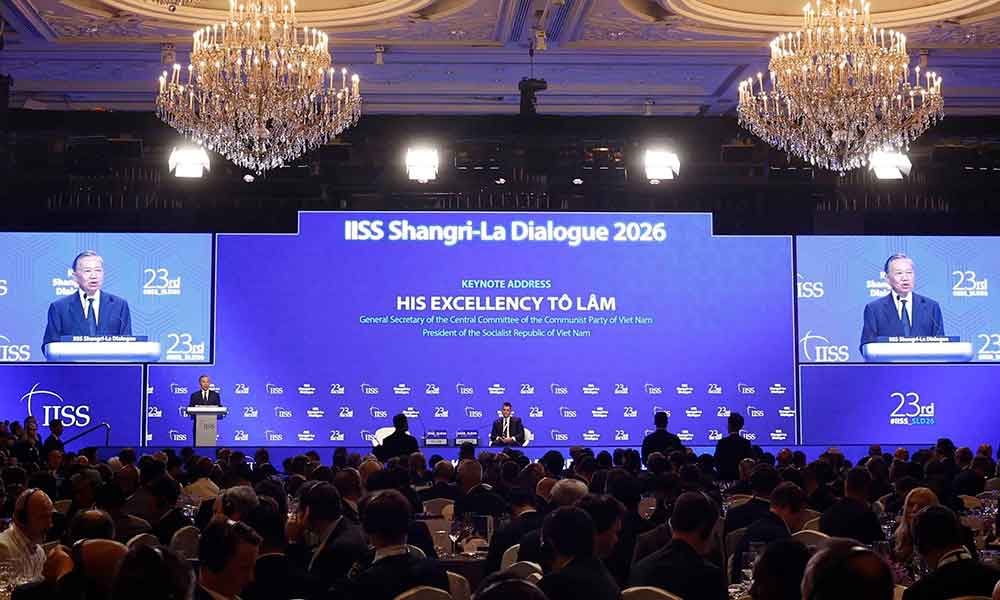
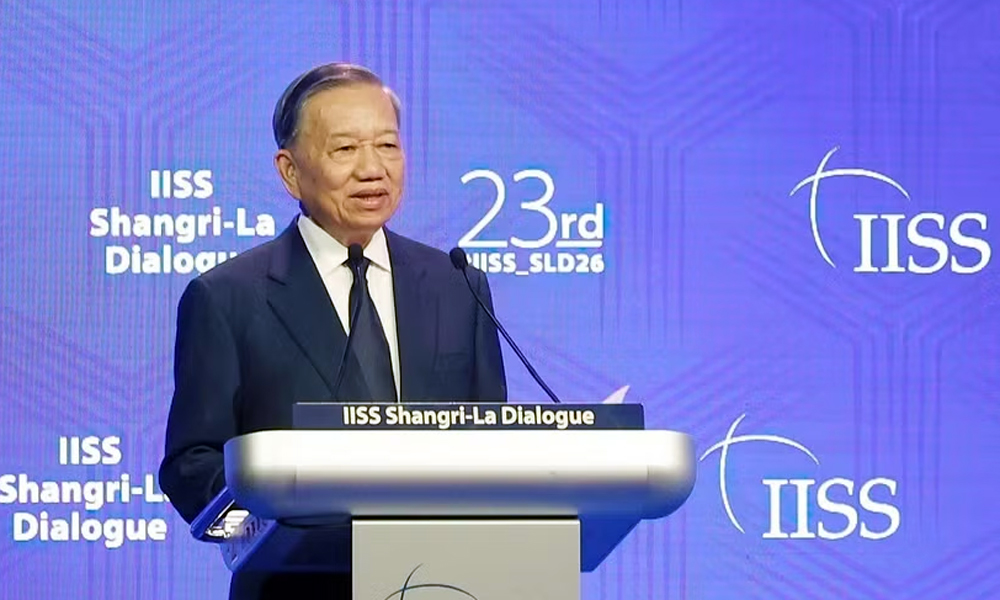
General Secretary of the Communist Party of Vietnam Central Committee and State President To Lam’s participation in and keynote address at the 23rd Shangri-la Dialogue in Singapore has reaffirmed Vietnam’s rising stature in regional and global affairs, while demonstrating the country’s proactive approach to shaping a stable and cooperative security environment amid growing international uncertainties.
 |
|
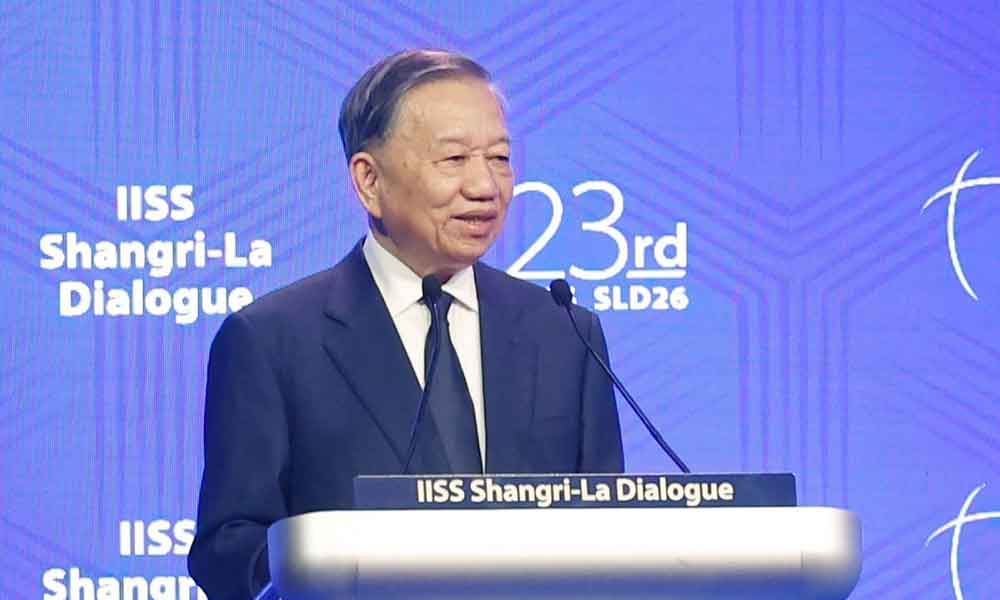
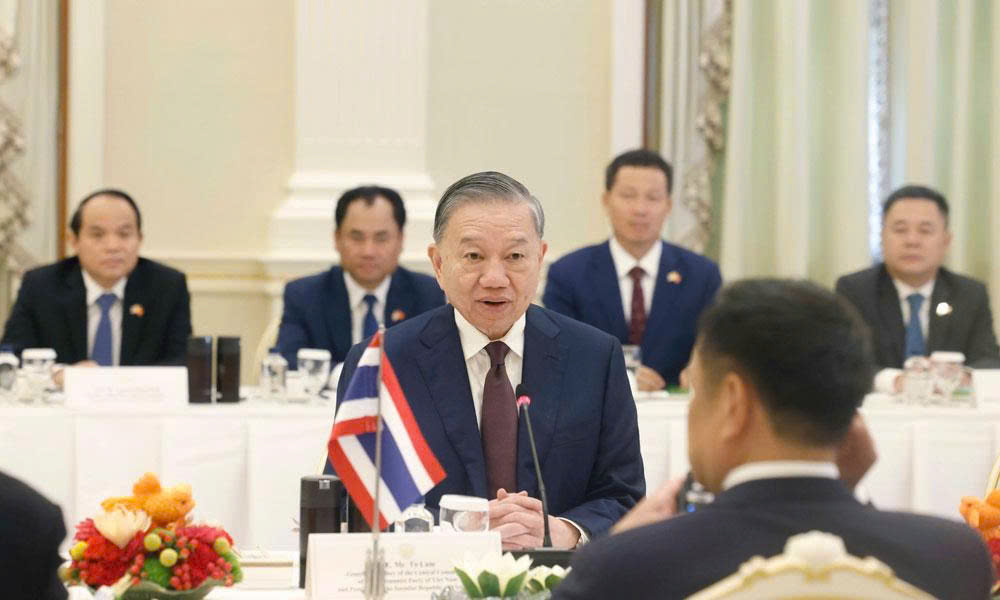
Party General Secretary and State President To Lam delivers the keynote address at the 23rd Shangri-la Dialogue in Singapore. |
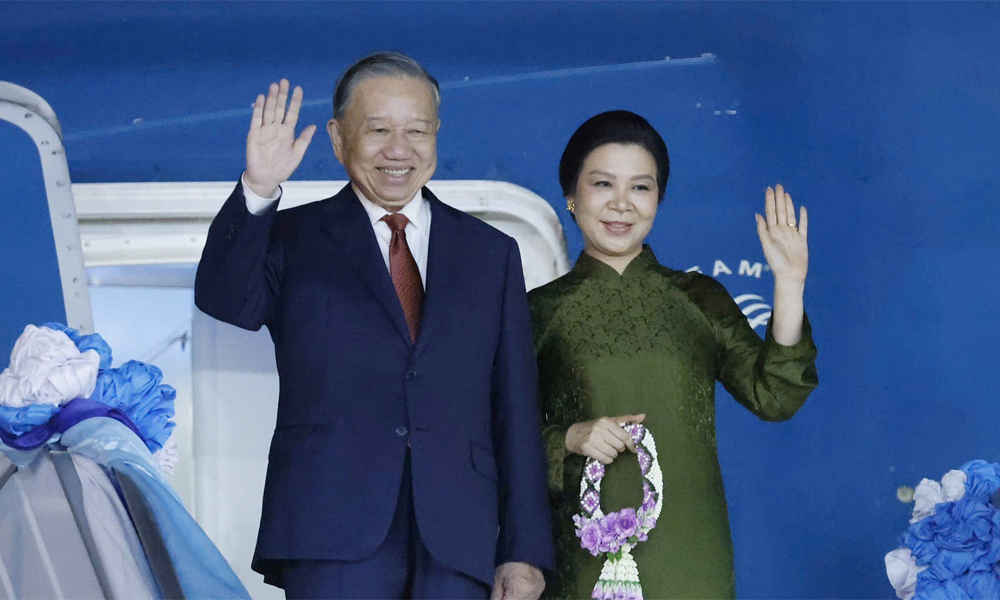
During his tour to three ASEAN countries from May 27 to June 1, the Vietnamese leader’s appearance at Asia’s premier security forum attracted considerable attention from observers.
According to Ambassador Pham Quang Vinh, former Deputy Minister of Foreign Affairs, the invitation extended to Vietnam’s top leader reflected the confidence of the international community in Vietnam’s role and contributions.
This confidence is underpinned by Vietnam’s extensive network of international partnerships, Vinh said, given that the country currently maintains diplomatic frameworks ranging from Comprehensive Partnerships to Comprehensive Strategic Partnerships with more than 40 countries, including 15 Comprehensive Strategic Partners, among them all five permanent members of the United Nations Security Council.
Vinh further noted that the organisers’ decision to invite the Party and State leader as a keynote speaker reflected their strong interest in Vietnam’s perspectives on the pressing challenges facing regional peace, security and development.
Dr. Dao Ngoc Bau, Director of the Institute of Politics and International Relations under the Ho Chi Minh National Academy of Politics, described the invitation as recognition of Vietnam’s international credibility accumulated through four decades of renewal and integration.
He stressed that Vietnam is increasingly transitioning from being an object of geopolitical strategies to becoming an active participant in shaping the regional security order.
Vietnam’s presence at the forum met the international community’s expectations for balanced, constructive and bridge-building contributions from a country that consistently pursues a non-aligned foreign policy, he assessed.
The speech identified three interconnected challenges facing the international community: the crisis of the international order, the crisis of development models, and the crisis of strategic trust among nations.
By highlighting the links between these challenges, the Vietnamese leader offered a comprehensive assessment of the factors affecting global stability.
Importantly, the address went beyond diagnosis and proposed practical solutions.
The six directions outlined by the leader included strengthening a rules-based international order, promoting dialogue and cooperation, enhancing human security, improving societal resilience, ensuring responsible governance of emerging technologies, and reinforcing preventive diplomacy.
Observers viewed these proposals as a coherent framework aimed at fostering sustainable peace.
In particular, the emphasis on international law, trust-building, dialogue and cooperation was seen as a balanced and constructive approach to addressing security challenges.
The speech also highlighted the importance of building an open, inclusive and ASEAN-centred regional architecture.
According to Dr. Bau, this reflects Vietnam’s exercise of “structural soft power” – the ability to shape norms, institutions and frameworks for cooperation rather than impose its will on others.
Beyond traditional security issues, the leader drew attention to emerging challenges arising from artificial intelligence, big data and cyberspace.
Ambassador Vinh noted that while these technologies offer tremendous opportunities for development, they also require responsible governance and international cooperation to prevent misuse.
Experts agreed that the strong interest generated by the speech demonstrates growing confidence in both Vietnam’s role and the strategic vision of its leadership.
They described the address as a significant intellectual contribution to regional security discussions and further evidence of Vietnam’s increasingly active role in promoting peace, stability and sustainable development in the region and beyond.

Reader's comments (0)