 Bắc Ninh


Talent strategy seen as key to Vietnam's next growth phase
Building a national talent ecosystem is a long-term development strategy that will underpin Vietnam's competitiveness and innovation-driven growth.
To make science and technology, innovation and digital transformation genuine drivers of economic growth, Vietnam must build an ecosystem capable of attracting, developing and retaining top talent from both home and abroad.
 |
|
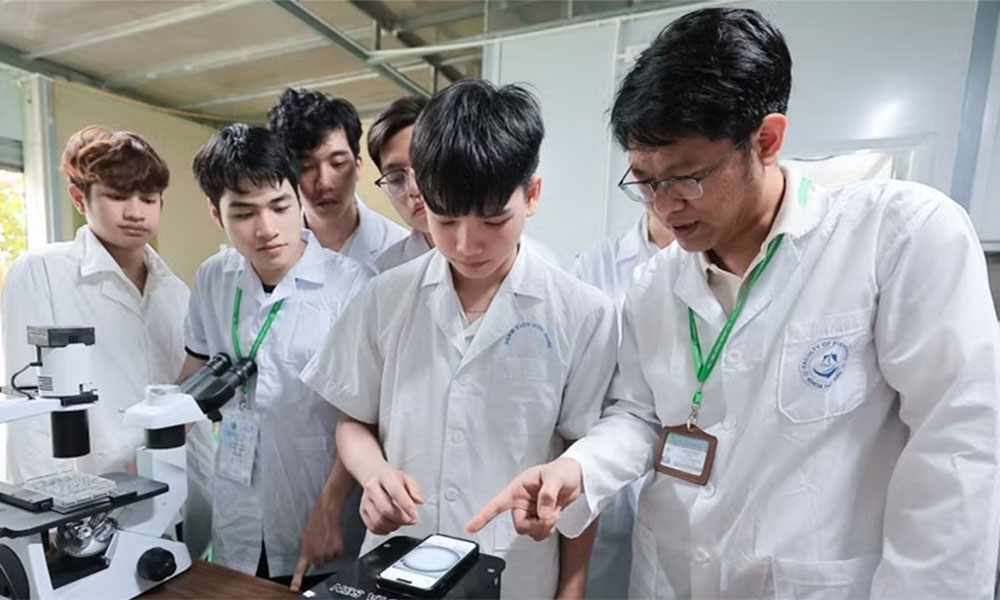
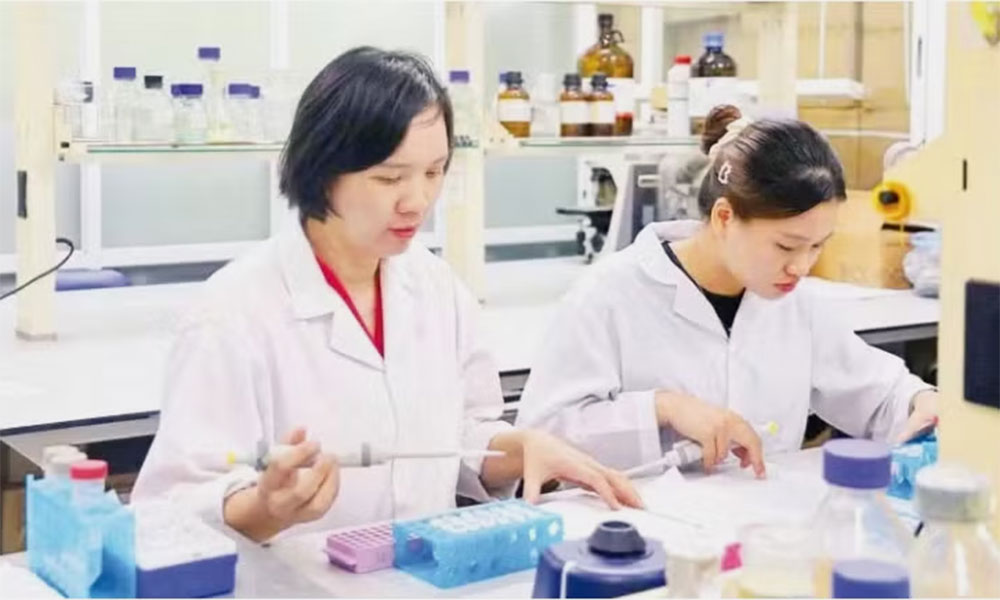
A lecturer of the Vietnam National University of Agriculture instructs students in how to use a piece of equipment integrated with AI and IoT to conduct research. |
From development ambition to a national talent strategy
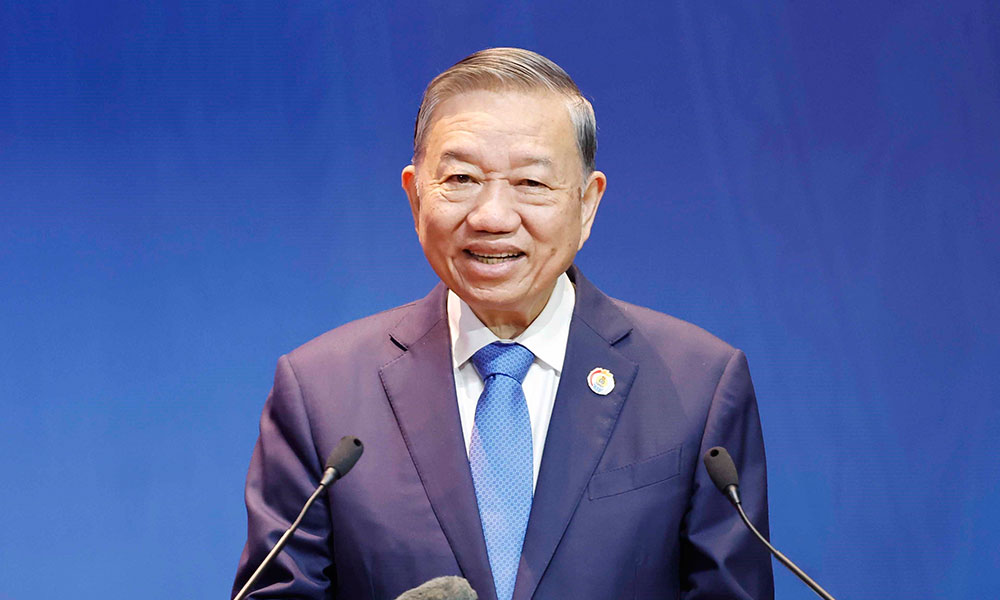
Speaking at a national conference reviewing 18 months of implementing the Politburo’s Resolution No. 57-NQ/TW, dated December 22, 2024, General Secretary of the Communist Party of Vietnam and State President To Lam said science and technology, innovation and digital transformation are no longer optional but essential to achieving Vietnam's long-term development goals.
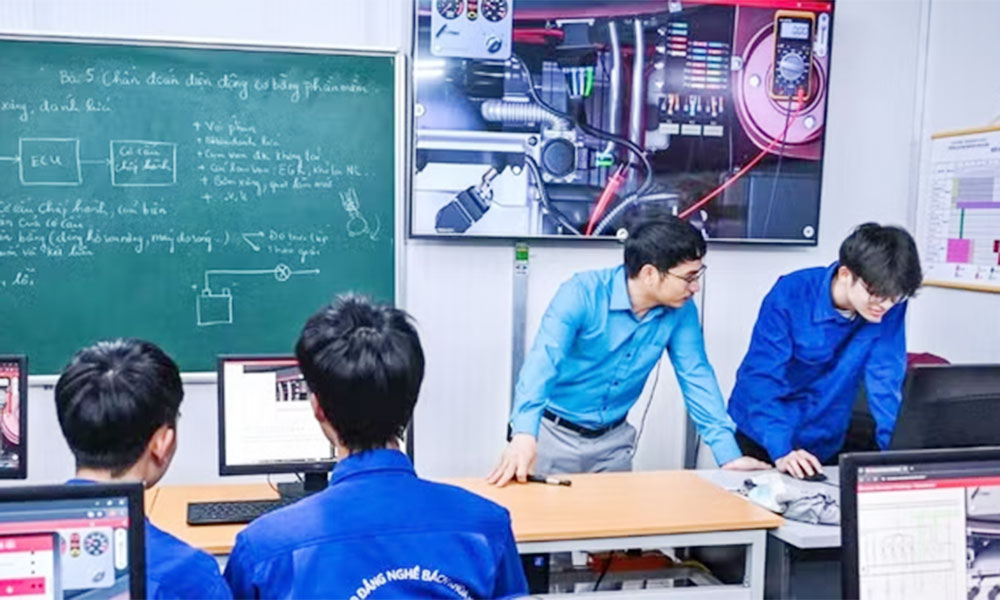
He stressed that building a high-quality workforce for the next decade requires immediate action to identify priority disciplines, training models and future human resource needs.
At the same time, Vietnam must introduce stronger policies to attract and make full use of talented professionals, scientists and overseas Vietnamese intellectuals while fostering leading research groups and strengthening the global Vietnamese knowledge network.
According to the Ministry of Science and Technology (MoST), Vietnam has established a legal framework comprising 10 laws, 12 decrees and six decisions of the Prime Minister governing the recruitment, employment and development of science and technology professionals.
The framework includes more competitive salary and incentive mechanisms to improve the country's appeal to high-quality talent.
However, the Ministry of Home Affairs (MoHA) said current policies remain fragmented and lack a unified national talent strategy.
Vietnam has yet to establish effective mechanisms for identifying, recruiting and retaining talent, while a national talent database and a global network linking government agencies, businesses, universities, research institutes and overseas Vietnamese professionals have yet to take shape.
Deputy Minister of Home Affairs Truong Hai Long said talent attraction efforts have yet to meet expectations, particularly in recruiting leading specialists such as chief engineers and chief architects.
He identified limited financial resources and the shortage of ambitious national projects capable of attracting world-class experts as the main obstacles.
MoHA is now studying mechanisms to facilitate talent mobility between the public and private sectors, expand incentives for businesses and mobilise funding from venture capital and private investors, drawing on the experiences of China, the Republic of Korea and Singapore.
Creating opportunities for talent to make an impact
Assoc. Prof. Dr. Nguyen Hoang Long, President of the University of Transport Technology, said attracting talent should not be reduced to salary competition.
Outstanding scientists and technology experts are motivated by opportunities to create value and contribute to solving major national challenges.
He called for a shift from inviting experts to short-term conferences and research projects to assigning them long-term, mission-oriented programmes with clear objectives, three- to five-year timelines and sufficient autonomy to maximise their expertise.
Assoc. Prof. Dr. Dao Ngoc Chien, Director of the National Foundation for Science and Technology Development (NAFOSTED), said nurturing young scientists must become a strategic priority.
This requires a supportive academic environment where researchers can join leading research teams, access modern facilities and collaborate with international scientific networks.
NAFOSTED is also running the Vietnam Research Excellence Fellowship to develop internationally competitive researchers in strategic technologies.
Opening the door to global talent
 |
|
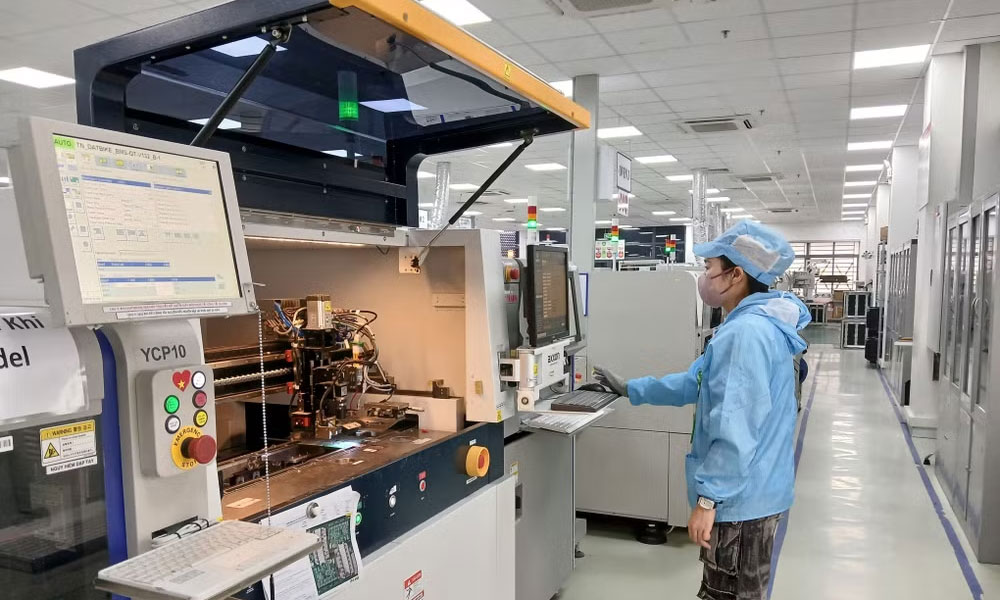
An electronic device production line at the Trung Nam Electronic Manufacturing Services plant in the Da Nang Hi-Tech Park. |
Tyler McElhaney, Country Head of Apex Group Vietnam, said Vietnam has the potential to become ASEAN's most dynamic emerging market, attracting technology professionals, entrepreneurs, executives and international investors.
He said this would require a clearer roadmap, better English-language public services, streamlined digital procedures and closer coordination across government agencies.
Assoc. Prof. Dr. Nguyen Thien Tong, a leading aviation engineering expert, said competitive remuneration alone is insufficient to attract international scientists and overseas Vietnamese intellectuals. A strong academic environment and favourable research conditions are equally important.
MoHA is drafting a national strategy on attracting and utilising talent. Deputy Prime Minister Pham Thi Thanh Tra said it should create a more enabling environment and focus on experts in emerging technologies such as AI, big data, cloud computing and semiconductors, alongside leading scientists and innovators in other strategic fields.
Tra also called for mechanisms that enable talent to move more freely between the public and private sectors, research institutes, universities and businesses, alongside a national list of priority industries and strategic projects where top talent should be concentrated.
Building a national talent ecosystem is therefore a long-term development strategy that will underpin Vietnam's competitiveness and innovation-driven growth.



















Reader's comments (0)