 Bắc Ninh


Traceability seen as key to raising farm produce value
BAC NINH – As consumers demand not only safe and tasty food but also clear information on origin, production and transport, traceability is emerging as a “digital passport” for agricultural products seeking to join global value chains and access demanding export markets.
In northern Bac Ninh province, authorities are accelerating efforts to apply digital tools and standardized procedures to strengthen transparency from farm to table, viewing traceability as a cornerstone of modern agricultural restructuring.
From field to table
 |
|
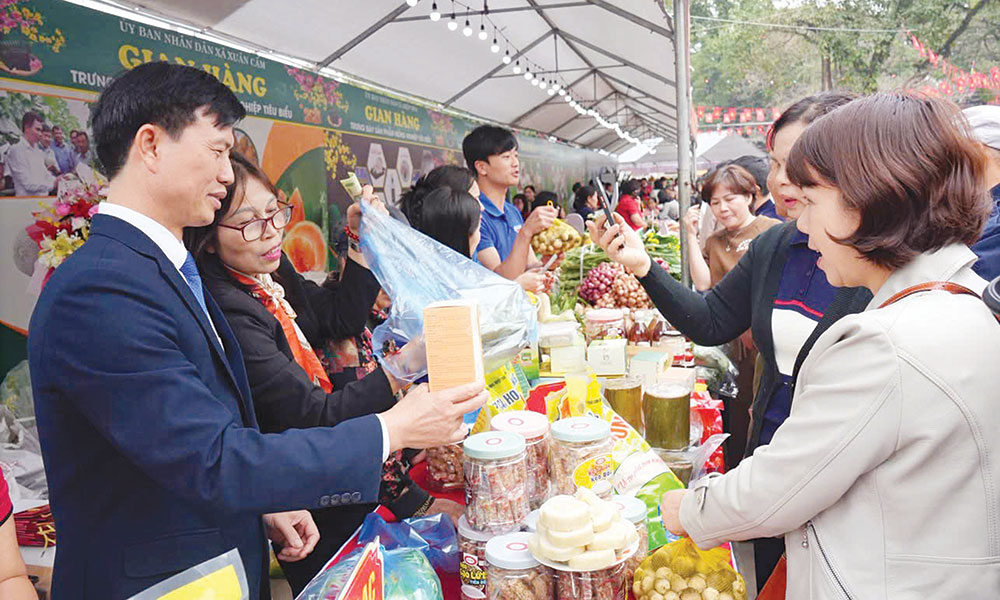
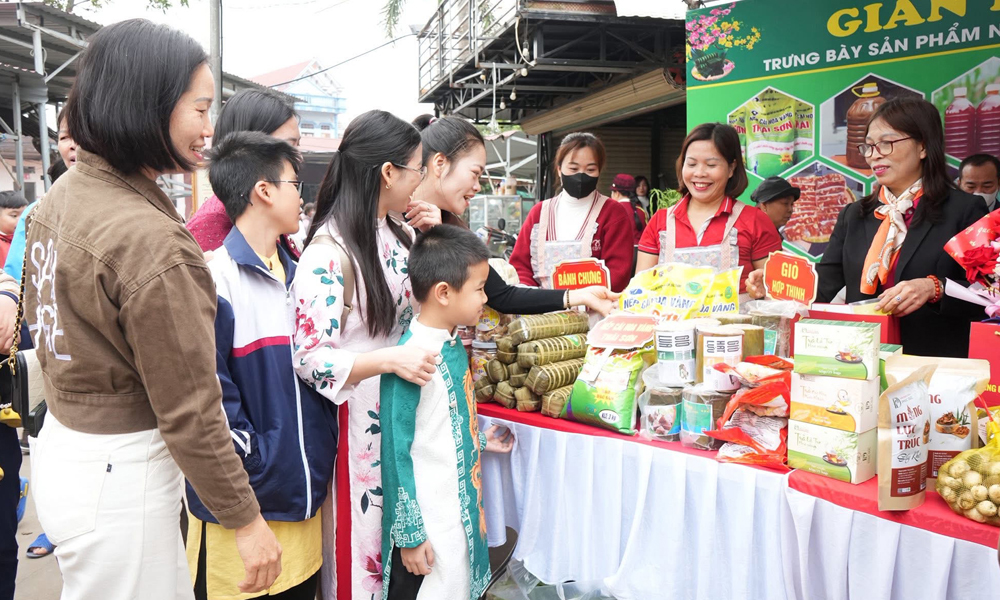
Customers buy OCOP product at Van Chung cake festival. |
Traceability refers to the ability to track and verify a product’s journey through production, processing and distribution. With nearly 54,000 hectares of fruit trees, Bac Ninh has significant potential for agricultural exports.
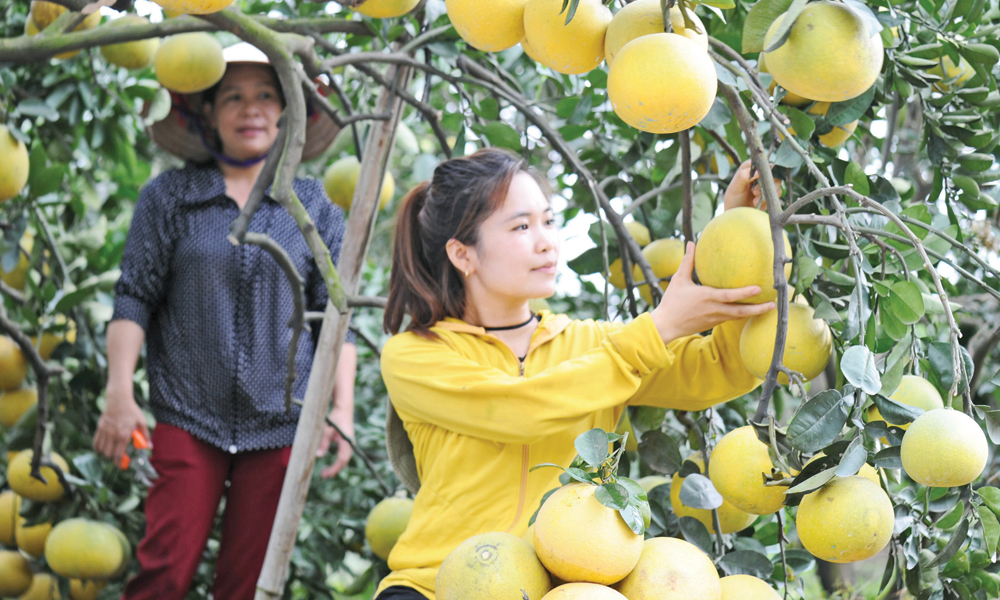
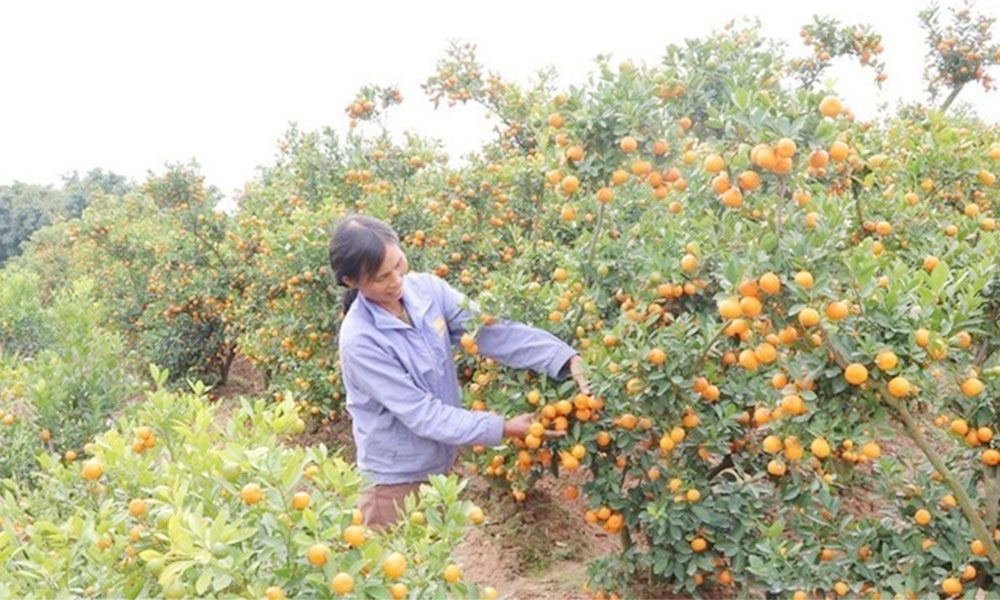
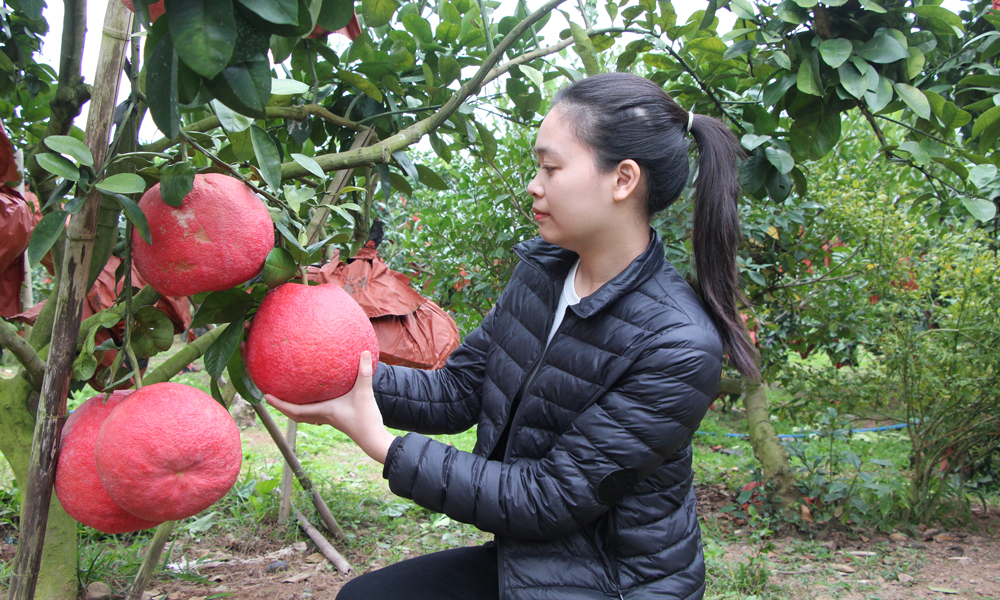
According to the provincial Department of Agriculture and Environment, citrus fruits such as oranges and pomelos account for more than 8,600 hectares, yielding over 80,000 tonnes annually.
Lychee covers around 30,000 hectares, with output ranging from 165,000 to 200,000 tonnes per year. Other crops include longan, guava, custard apple and pineapple, alongside staple crops and vegetables produced under safety-oriented standards.
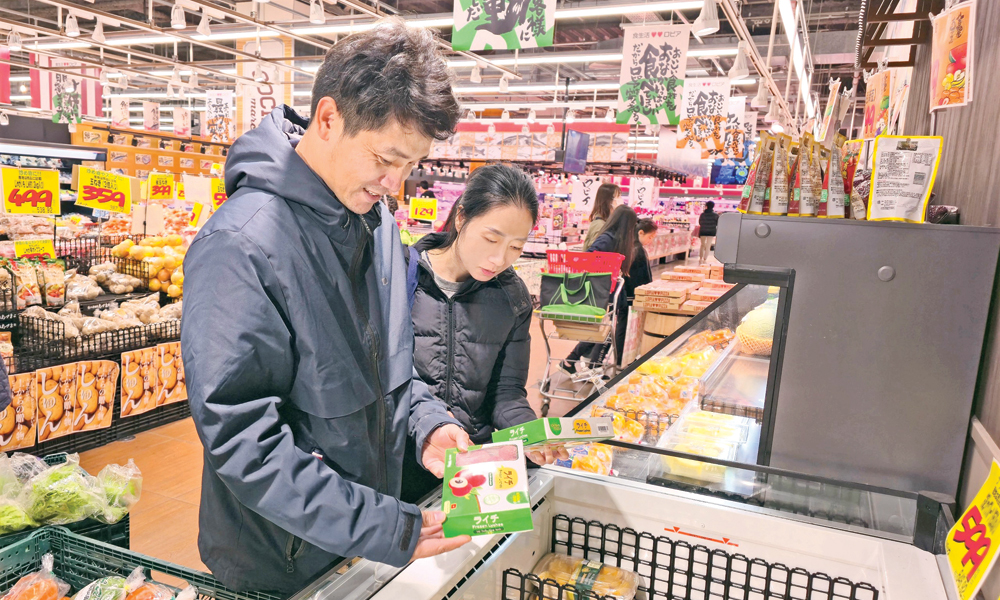
As international economic integration deepens, major markets including the European Union, the United States, Japan, South Korea and China have tightened requirements on food safety and transparency.
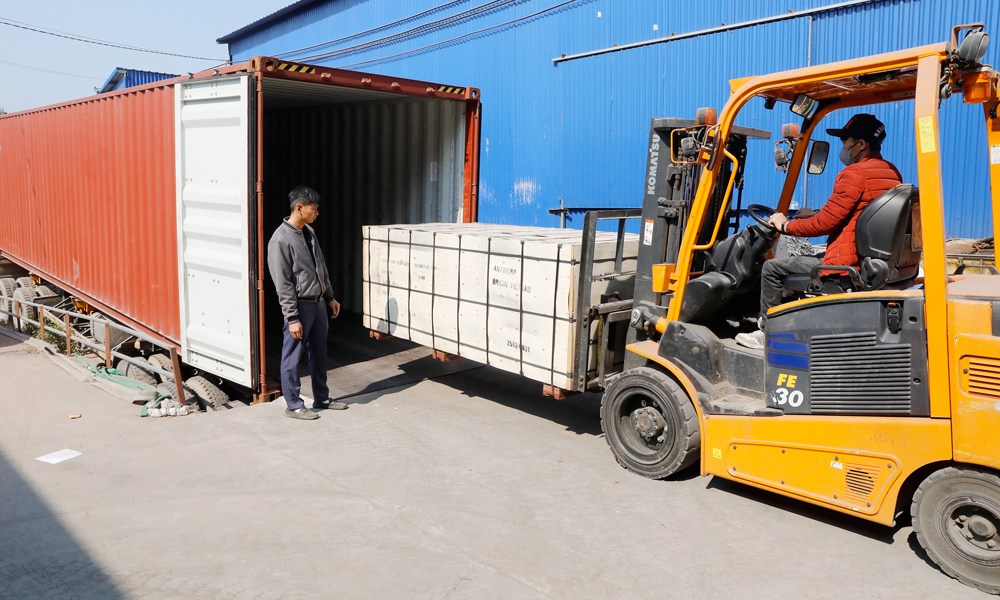
Exporters must meet regulations on planting area codes, packing facility codes, production logs and certifications such as VietGAP, GlobalGAP or organic standards.
Without clear traceability, agricultural products risk losing access to supply chains, officials say.
In recent years, Bac Ninh has promoted the application of technology in product traceability. Many cooperatives and enterprises now attach QR codes to products, allowing consumers to check information on production areas, cultivation processes and quality certifications.
The 2025 lychee season offered a clear example. Total revenue from lychee sales and related services reached more than 6.245 trillion VND (240.4 million USD), the highest level on record. Authorities attributed the result to early production planning, strict quality control and expanded export traceability.
Farmers were guided to apply VietGAP and GlobalGAP standards and to use bio-fertilizers and safe plant protection products. The province expanded its number of approved planting area codes to 240, covering 17,421 hectares, serving exports to China, the United States, Australia, Thailand and Japan. Forty-one packing facilities met export standards.
By January 2026, Bac Ninh had 782 products rated three stars or higher under Vietnam’s “One Commune, One Product” (OCOP) program, with all OCOP products applying traceability systems.
In 2025, agricultural production value reached 140 million VND per hectare, while total crop production value rose 12.3% year-on-year to 25.041 trillion VND.
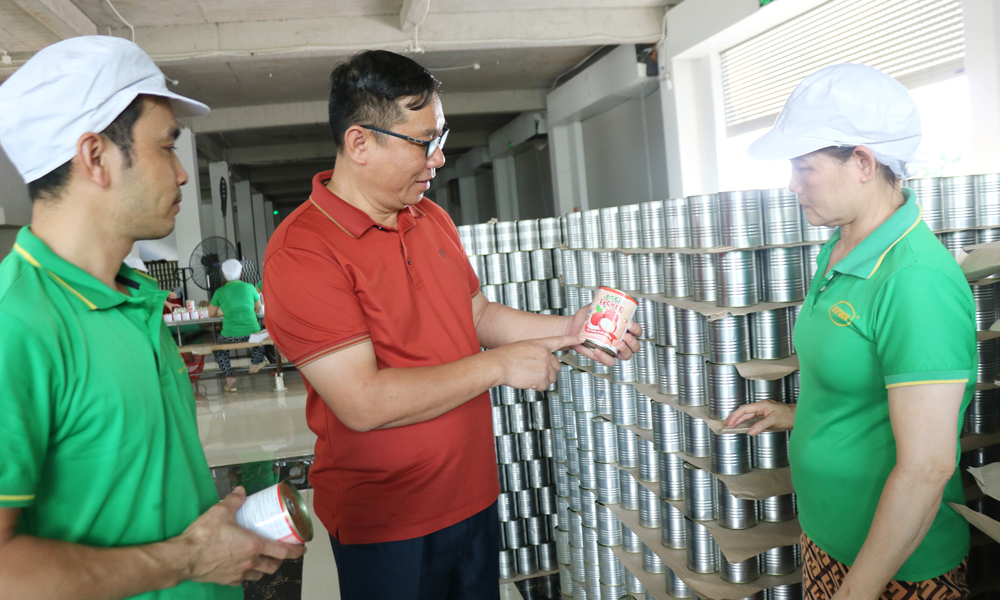
However, most agricultural output is still sold fresh, and the export ratio remains modest, indicating room for growth if processing and transparent traceability are further improved.
Building a digital profile
Recognizing the strategic role of traceability, Bac Ninh issued Plan No. 38 in August 2025 to implement and manage a provincial traceability system in 2026–2030, with total funding of more than 16 billion VND.
The plan aims to build a unified traceability system and gradually apply digital technologies in managing production and consumption chains, making the entire process transparent.
Dang Van Tang, head of the provincial Crop Production and Plant Protection Sub-Department, said traceability is not only a market requirement but also a tool to reorganize production in a systematic and transparent manner.
“It contributes to enhancing product value and competitiveness and is an inevitable path for sustainable agricultural development and deeper integration into regional and global supply chains,” he said.
Under the 2026–2030 roadmap, the province will prioritize traceability for key products, OCOP items, safe agricultural goods and export-oriented commodities.
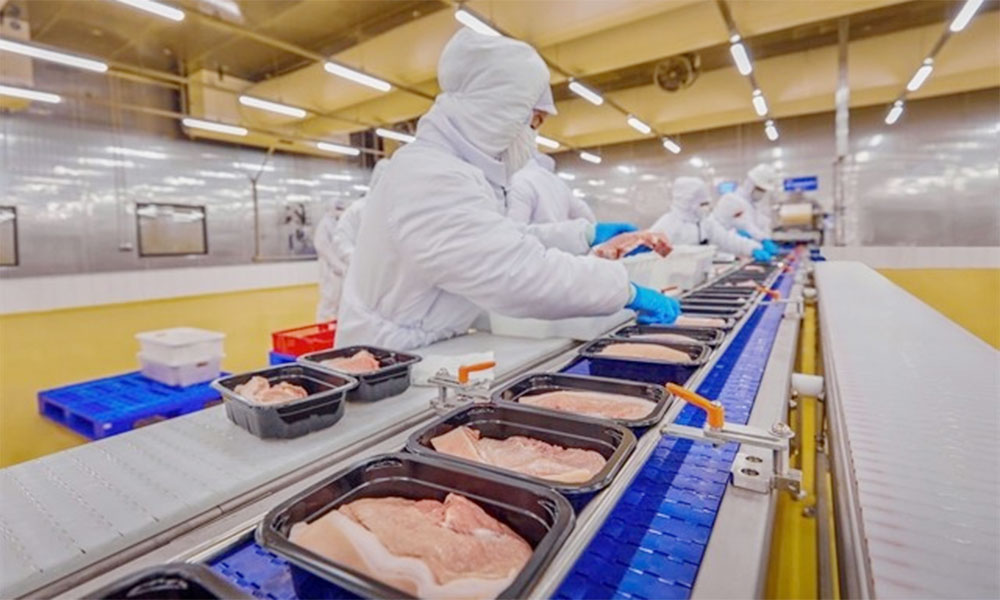
Safe vegetables, fruit, livestock, aquaculture and forestry products will be required to apply traceability systems covering raw material areas, cultivation, harvesting, preliminary processing, packaging and distribution.
Each product will be assigned a QR code enabling consumers and partners to access information on production facilities, planting locations, farming processes, harvest times and relevant certifications.
Among the technologies under consideration is BS Chain, a digital platform that records and stores data across the supply chain, from raw materials to distribution.
Authorities are also studying regulations to guide the application of blockchain, artificial intelligence and big data, as well as digital product passports and electronic labels.
The province plans to refine policies, provide financial incentives and tax support to encourage enterprises to invest in traceability technology, and step up training for farmers in maintaining electronic production logs and managing planting and packing codes.
Officials say that as each product gains a verifiable digital identity, value will increasingly be defined not only by output volume but by reputation and brand credibility in the marketplace.
.jpg)




Reader's comments (0)