 Bắc Ninh


Vietnam looks to domestic market to sustain wood industry growth
Vietnam’s wood sector has long been a top foreign-currency earner. Exports of wood and wooden products neared 17.3 billion USD in 2025, reaching more than 160 countries and territories and clearing the high bars set by the US, the European Union and Japan.
Vietnam’s domestic wood and furniture market is brimming with untapped potential but remains far below its weight, industry experts said, calling for a serious overhaul of market infrastructure and a transparent consumer ecosystem to turn the home market into a lasting growth engine.
 |
|
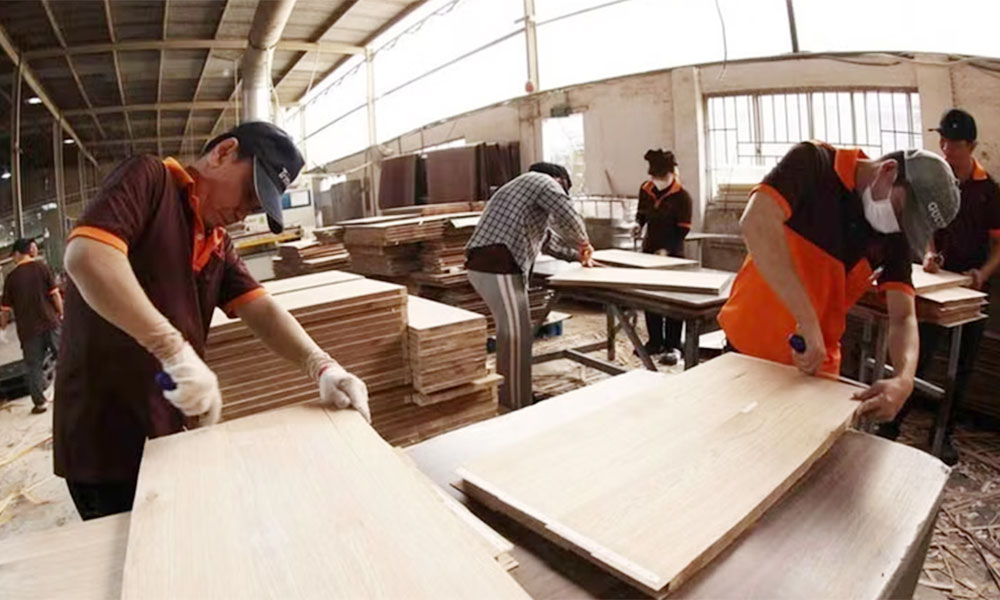
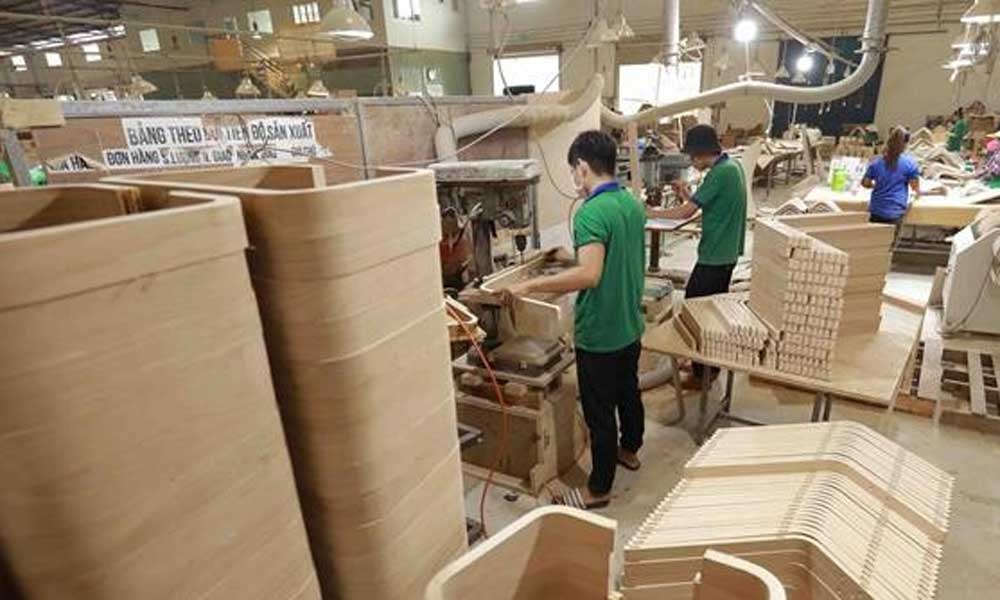
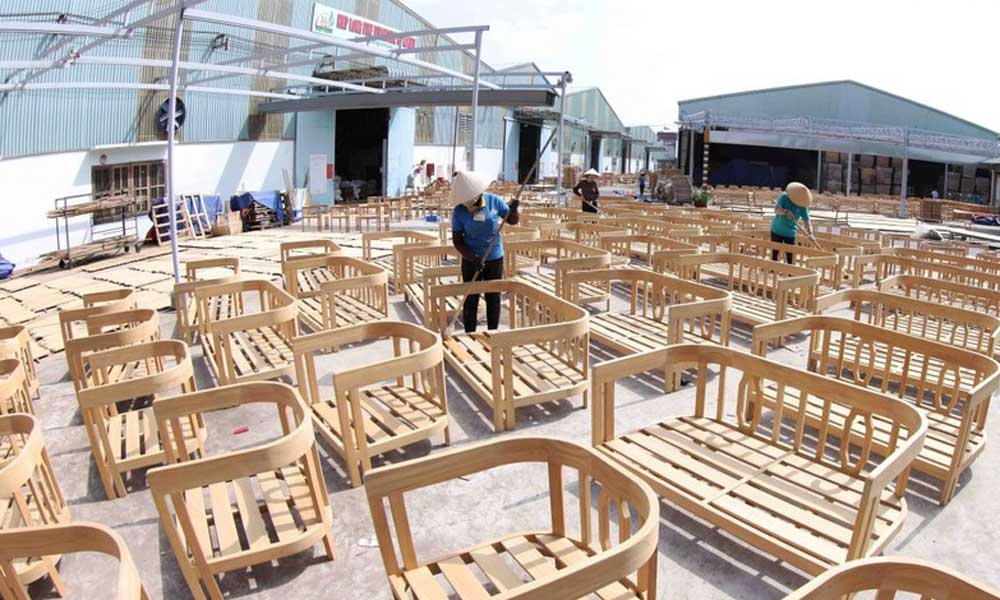
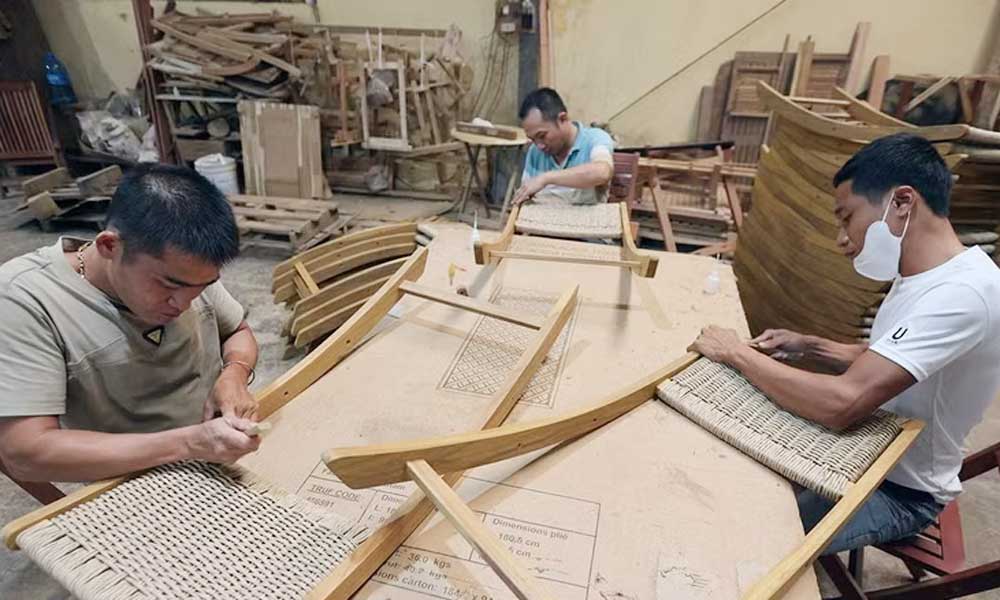
Illustrative image. |
A 5 billion USD market with room to run
Speaking at an August 6 webinar, executives and trade groups argued that the domestic market must become a strategic pillar of the wood industry, not just a safety valve when exports hit a rough patch.
Vietnam’s wood sector has long been a top foreign-currency earner. Exports of wood and wooden products neared 17.3 billion USD in 2025, reaching more than 160 countries and territories and clearing the high bars set by the US, the European Union and Japan.
Ngo Sy Hoai, Secretary General of the Vietnam Timber and Forest Product Association (Viforest), pegged the domestic market at around 5 billion USD, based on annual per capita spending of roughly 50 USD.
Some studies suggest the real figure could already be close to 7 billion USD and may blow past 7.3 billion USD by 2030 if it keeps growing at 7–9% a year.
Extra fuel is expected from green public procurement, social housing development and biomass energy market, all on track for sizable expansion in the coming years.
Building market infrastructure to sharpen competitiveness
The real choke point, Viforest noted, isn’t market size, but the lack of proper “market infrastructure”.
Technical standards are spotty, business and product data remain fragmented, and systems for traceability, quality certification and emissions disclosure haven’t been fully wired together.
That makes it tough for consumers to pick out legal and quality products and saps the incentive for companies to invest.
Experts pressed for the swift completion of technical standards, market databases, certification mechanisms and traceability systems to create a transparent and professional business environment.
They also recommended that green public procurement take the lead by giving priority to legally sourced, low-emission wood products in public projects, in step with Vietnam’s laws and international pledges.
Le Duc Nghia, Chairman of An Cuong Wood JSC, said cracking the home market demands a dedicated long-term play centred on brand building, distribution networks, customer service and digital transformation.
He also called for national quality standards, a coherent product labeling system and tighter links between manufacturers and raw material suppliers.
Vu Hai Bang, General Director of Woodsland JSC, pointed out that the domestic market’s value goes well beyond manufacturing, stretching into design, distribution, installation and after-sales services.
Alongside upgrading technical standards and market supervision, Vietnam needs a level playing field and transparent tax enforcement to spur long-term investment, he said.
The consensus among experts is that growing the home market isn’t simply about pushing consumption to 7-8 billion USD by 2030. The real prize is building a transparent, law-abiding, high-value wood consumption ecosystem.
That foundation, they argued, would give the industry a cushion against global trade shocks while creating a sustainable driver of growth for years to come.




















Reader's comments (0)