 Bắc Ninh


Vietnam’s trade surplus with EU expands amid economic headwinds
Trade between Vietnam and the EU maintained momentum during the January–May period, supported by the EU – Vietnam Free Trade Agreement (EVFTA) and sustained demand for key Vietnamese exports, even as the EU grappled with inflationary pressures and sluggish consumer spending.
Vietnam’s trade with the European Union (EU) remained resilient in the first five months of 2026, with exports posting robust double-digit growth and the country’s trade surplus with the bloc climbing 11.3% year-on-year to 18.1 billion USD, despite slowing economic activity in Europe.
 |
|
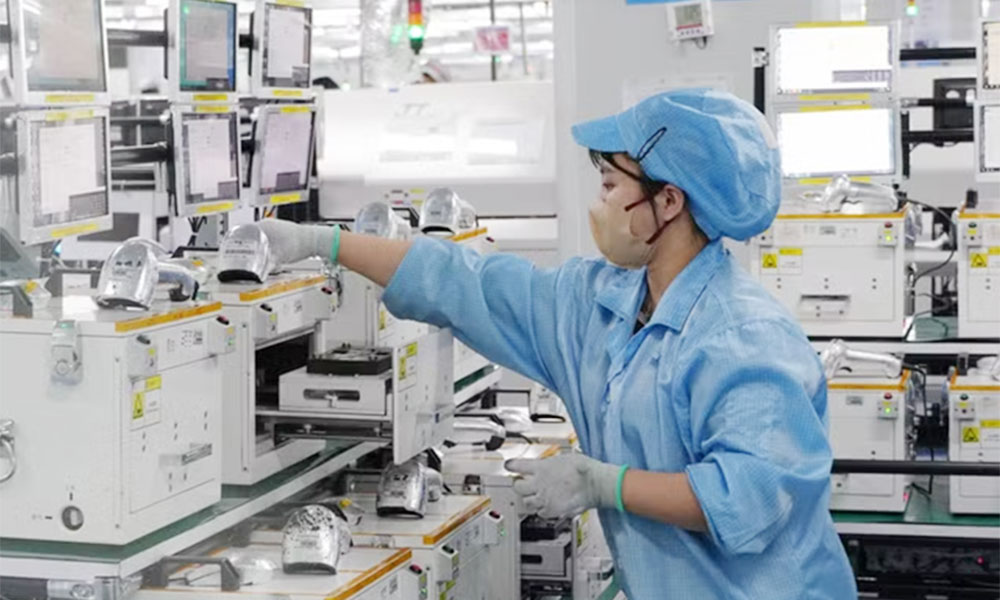
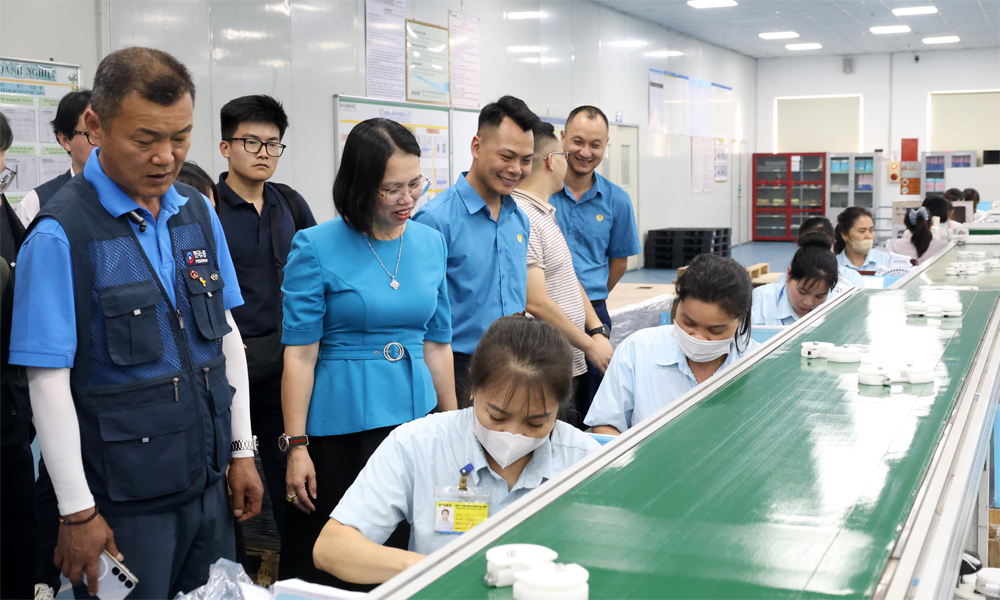
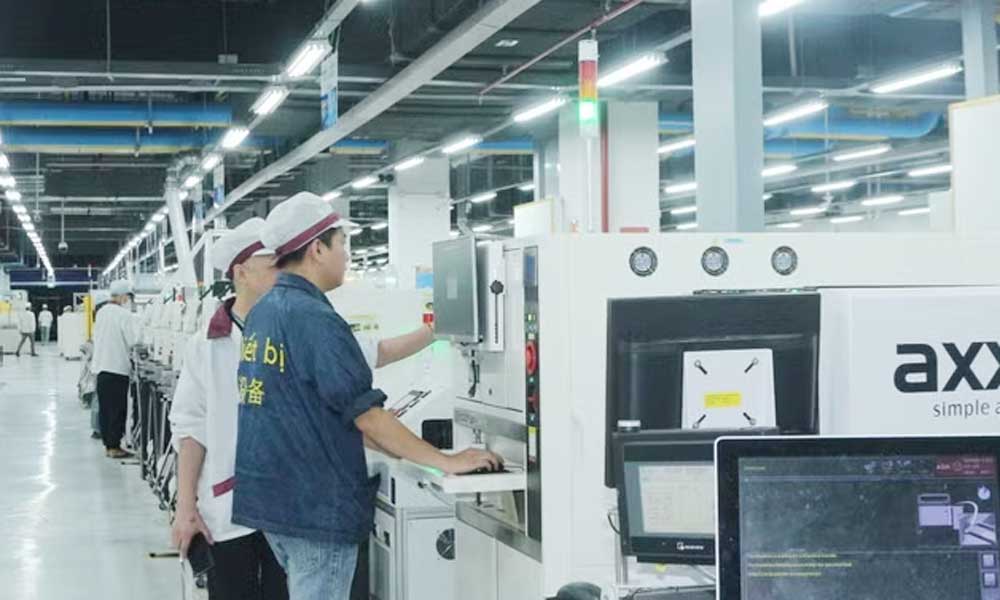
Production of electronic components at DBG Technology Vietnam Co., Ltd. in Yen Binh Industrial Park, Thai Nguyen province. |
Surplus tops 18 billion USD
Trade between Vietnam and the EU maintained momentum during the January–May period, supported by the EU – Vietnam Free Trade Agreement (EVFTA) and sustained demand for key Vietnamese exports, even as the EU grappled with inflationary pressures and sluggish consumer spending.
Latest data from the Customs Department showed bilateral trade reaching 36 billion USD during the five-month period.
Exports to the EU rose 16.9% from a year earlier to 26 billion USD, while imports increased 21.6% to nearly 8 billion USD, leaving Vietnam with a trade surplus of about 18.1 billion USD.
Strong performances were recorded across major export categories, including electronics, garments and textiles, wood products and agricultural commodities. Imports from the EU were concentrated on machinery, equipment and production technologies.
The bloc’s growing contribution also helped lift Vietnam’s total trade turnover to more than 445 billion USD in the first five months, up 25% year-on-year.
Vietnam is currently the EU’s largest trading partner in ASEAN. In 2025, bilateral trade approached 74 billion USD, with Vietnamese exports to the bloc reaching 56.2 billion USD, up 8.6%, while imports rose 5.4% to 17.6 billion USD. The figures translated into a record trade surplus of 38.6 billion USD.
Last year, computers, electronic products and components led export earnings at 10.89 billion USD, followed by machinery, equipment and spare parts at 7.42 billion USD, and phones and components at 6.9 billion USD, all posting growth from the previous year.
The Ministry of Industry and Trade attributed the strong performance largely to the EVFTA, which has significantly expanded market access for Vietnamese goods in the EU’s nearly 500-million-consumer market.
Rising exports and a steadily widening trade surplus have further strengthened Vietnam’s role in global supply chains.
Since the agreement took effect in August 2020, bilateral trade has surged. Bilateral trade turnover increased from 49.7 billion USD in 2020 to 68.4 billion USD in 2024 before approaching 74 billion USD in 2025.
Over the same period, Vietnam’s exports to the EU grew from 35.1 billion USD to 56.2 billion USD, while its trade surplus nearly doubled from 20.5 billion USD to almost 39 billion USD.
The sustained growth highlights the Vietnam – EU economic partnership as one of the country’s most stable and successful trade relationships.
European businesses increasingly regard Vietnam as a strategic link in global supply chains thanks to its strong FDI attraction, diversified export markets and extensive network of free trade agreements.
Raising supplier standards
The steady rise in exports and trade surplus since the EVFTA entered into force reflects Vietnamese businesses’ growing ability to meet the EU’s stringent quality and regulatory requirements.
Many products have effectively leveraged tariff preferences under the agreement to generate export revenues exceeding 1 billion USD, while local firms have deepened their integration into the supply chains of European multinational corporations.
At the same time, exporters face mounting pressure as the EU tightens rules on environmental protection, carbon emissions, product traceability and corporate responsibility.
Dau Anh Tuan, Vice Secretary-General and Director of the Legal Department at the Vietnam Chamber of Commerce and Industry (VCCI), said globalisation continues to create opportunities, but businesses must also adapt to increasingly demanding standards on sustainability, transparency and accountability.
The EU currently accounts for around 13% of Vietnam’s total exports and is becoming an increasingly important destination as the country seeks to diversify markets amid growing global trade uncertainties.
According to the Ministry of Industry and Trade, the EU trade landscape is being reshaped by three major trends: US tariff policies, green transition and digital transformation.
Together, these forces are redefining global supply chains, import regulations and supplier expectations.
To stay competitive, many textile and garment manufacturers are accelerating investments in green production and sustainable development.
Garco 10 Corporation, for example, is investing heavily in modern equipment, digitalisation and smart manufacturing lines at its new factory in Hung Yen province.
More than 142 billion VND (5.39 million USD) has been earmarked for equipment upgrades and digital transformation, alongside nearly 40 billion VND for construction and 29.5 billion VND for additional investment projects.
Tran Ngoc Quan, Trade Counsellor at the Vietnam Trade Office in Belgium and the EU, said Vietnamese enterprises must proactively align with the requirements of the European Green Deal while advancing circular economy models, sustainable production and responsible consumption to secure long-term growth in the European market.




Reader's comments (0)