 Bắc Ninh


Vietnam’s wood industry eyes higher growth from domestic market
Vietnam’s domestic wood market could grow from around 5 billion USD in 2025 to 7-7.7 billion USD by 2030, representing annual growth of 7-9%.
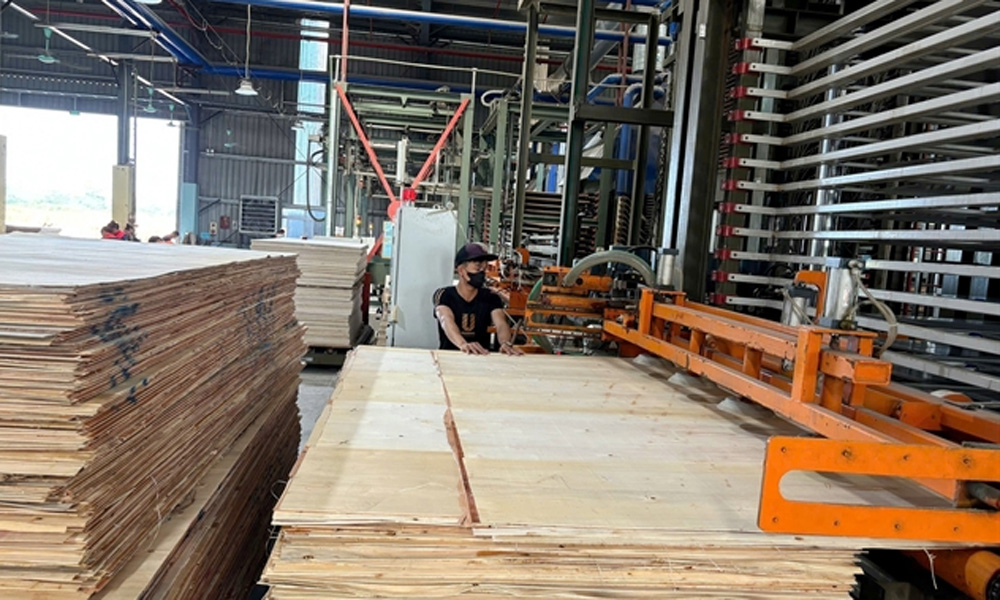
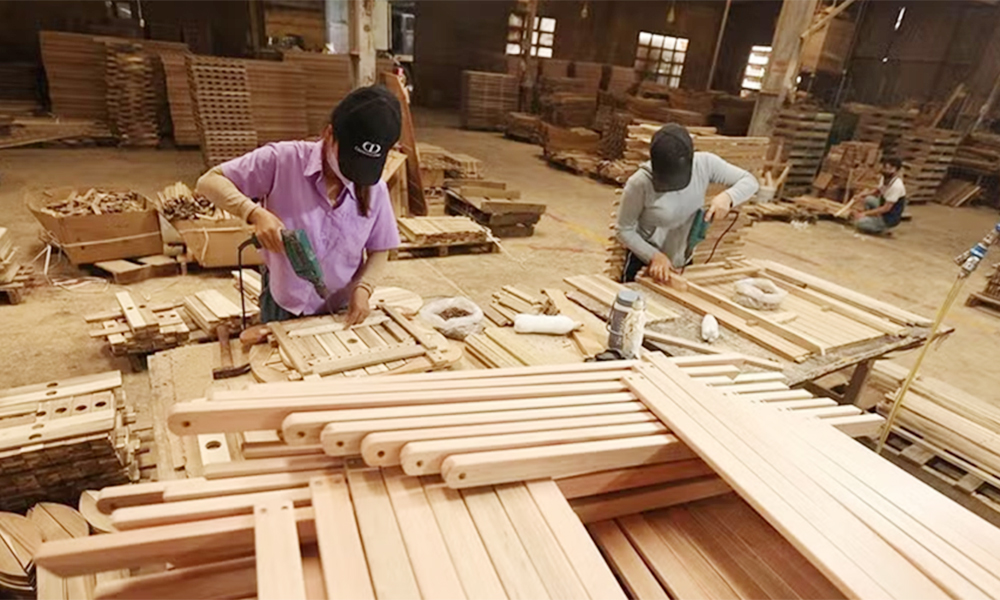
Vietnam’s wood industry is seeking to better tap the domestic market to diversify sales channels, boost product value, and drive growth amid continued volatility in global markets.
 |
|
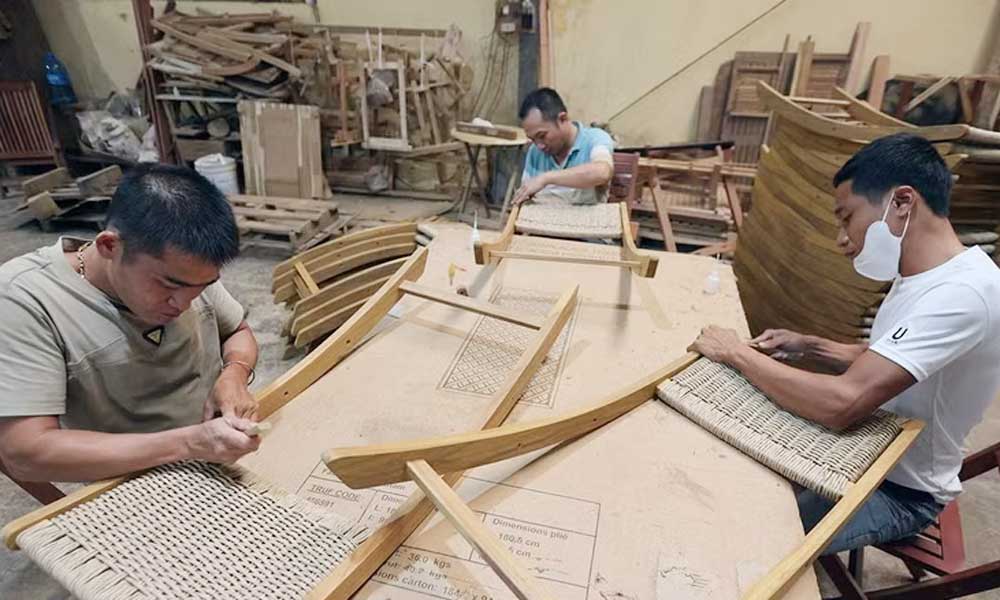
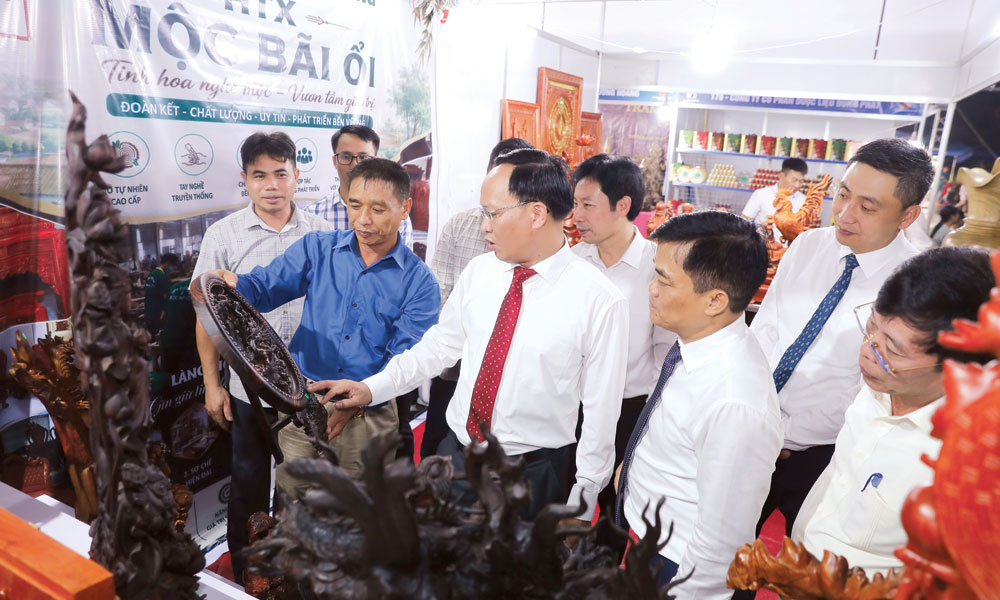
Businesses are developing furniture that reflects Vietnamese lifestyles, culture and family traditions, as well as the identity of individual households. |
Domestic wood market predicted to reach 7-7.7 billion USD by 2030
The Vietnam Timber and Forest Products Association (VIFOREST) said the domestic market could complement exports, helping businesses sustain production, employment and cash flow amid global market volatility.
According to VIFOREST Secretary General Ngo Sy Hoai, annual per capita spending on wood products and furniture is estimated at around 50 USD.
If Vietnam achieves double-digit GDP growth, such spending could increase by 7-9% annually, exceeding the global demand growth rate of around 6%.
Vietnam’s domestic wood market could grow from around 5 billion USD in 2025 to 7-7.7 billion USD by 2030, representing annual growth of 7-9%.
While this is a hypothetical scenario rather than an official forecast, the market’s potential is significant given the country’s population of more than 100 million.
Some businesses have already begun tapping this potential, seeing the domestic market as an opportunity to build their brands and expand operations.
Nguyen Minh Cuong, General Director of Minh Long Wood Company, said the company shifted its focus to the domestic market after around 13 years of studying markets in Europe, India, China and the US.
Currently, around 95% of its business is focusing on the domestic market, while exports account for only 3-5%.
The company aims to develop furniture that reflects Vietnamese lifestyles, culture and family traditions, as well as the identity of individual households, Cuong said.
He said Vietnam’s furniture industry should leverage its cultural identity, knowledge and people to build competitive advantages.
A strong understanding of domestic consumers would help businesses develop higher-value products and expand into international markets.
Raising standards for domestic market
Despite strong demand, the domestic market faces shortcomings in product quality, origin verification, and traceability.
Competition is also intensifying as a wide range of Chinese goods reaches Vietnamese consumers through e-commerce and domestic distribution networks, underscoring the need for businesses to take a more proactive role in developing the home market.
Experts stress the need to build a transparent, high-quality and sustainable market, supported by clear standards for raw materials and finished products.
According to To Xuan Phuc, Director of the Forest Policy, Trade and Finance Programme at Forest Trends, domestic market development should combine policy and standard setting with practical models. Pilot projects would provide data and experience to help ensure policies reflect market realities.
Vietnam’s wood industry has proven its international competitiveness, Phuc said. The key challenge is to apply at home the quality, origin and sustainability standards that have enabled Vietnamese wood products to enter global markets.
This would turn the domestic market into not just a sales outlet but also a driver of consumer understanding, higher product value and more sustainable business growth.
Public procurement could also help stimulate demand. Experts have proposed prioritising school desks and chairs made from domestically grown plantation timber that meet legal, quality and safety requirements.
VIFOREST said that alongside exports, businesses would proactively supply wooden furniture, wood materials and interior products for social housing, schools, hospitals, government offices, hotels, tourist areas and infrastructure projects being fast-tracked.
The industry also aims to move up the value chain by developing better-designed, branded and more deeply processed products; increasing the use of domestic plantation timber, certified wood and legally sourced imports; digitising traceability records; and strengthening links with forest owners, cooperatives, tree-growing households, and traditional craft villages.
Businesses need to shift from price-based competition to a focus on design, quality, services, branding and transparent sourcing to raise product value and strengthen competitiveness in the domestic market and across the wood industry’s value chain, experts said.


























Reader's comments (0)