 Bắc Ninh


Vietnamese scientists develop nanovitexin from mung bean husks to support diabetes treatment
The breakthrough is expected to support diabetes prevention and treatment while opening up broader biomedical applications.
Scientists from the Vietnam Academy of Science and Technology (VAST) have successfully developed nanovitexin from mung bean husks, creating a material with significantly enhanced properties compared to conventionally extracted vitexin.
 |
|
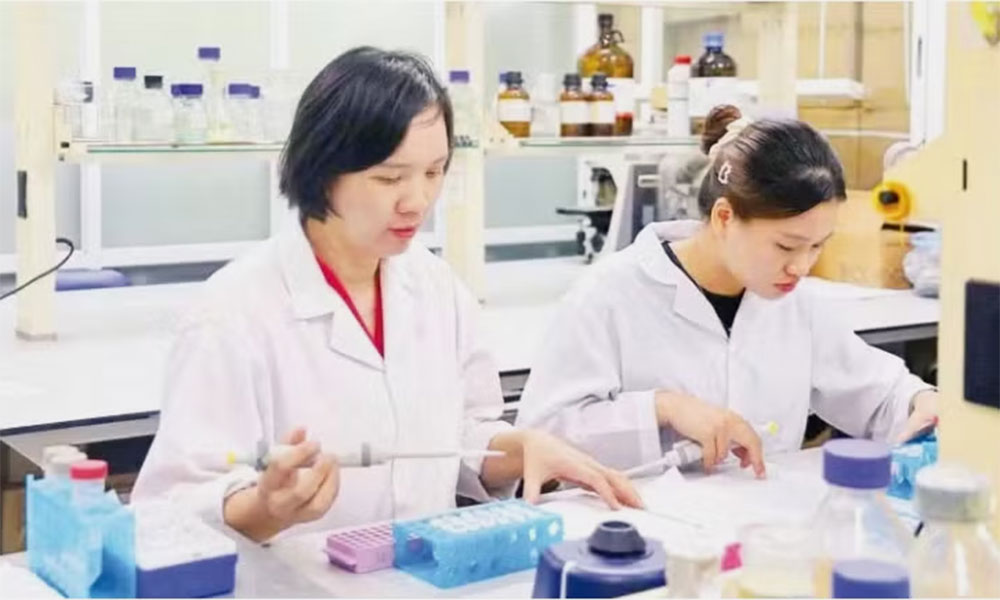
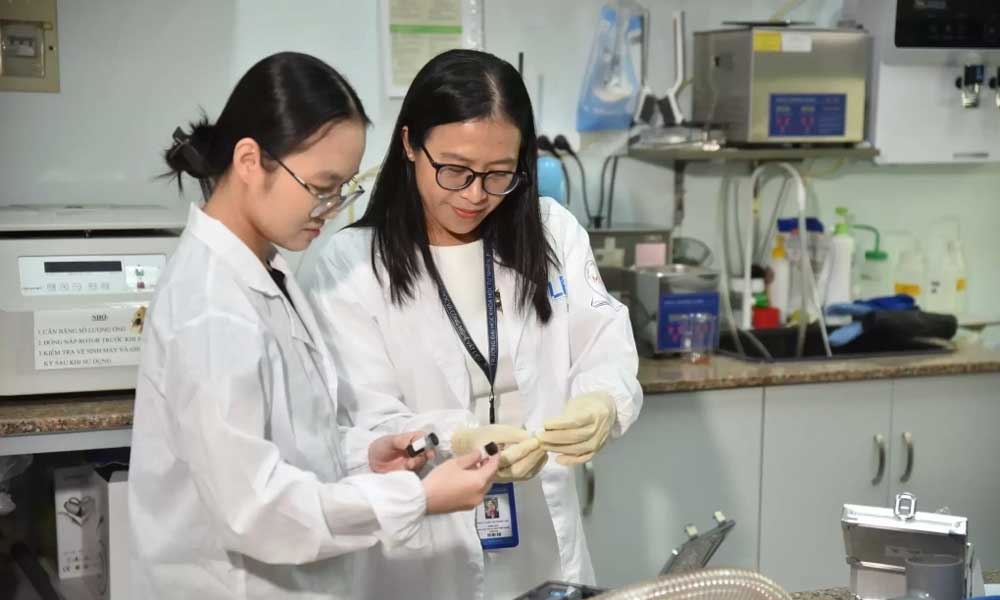
Research on extracting the bioactive compound vitexin from mung bean husks has contributed to improving the effectiveness of diabetes treatment. |
The breakthrough is expected to support diabetes prevention and treatment while opening up broader biomedical applications.
According to the International Diabetes Federation, more than 11% of the world’s adult population was living with diabetes in 2025.
Often referred to as a “silent killer,” the disease can cause serious complications affecting the cardiovascular system, liver, eyes and other organs.
While a range of anti-diabetic medicines is available, many remain costly and may cause undesirable side effects.
As a result, scientists have increasingly turned their attention to natural bioactive compounds derived from plants as potential alternatives or complementary therapies.
Vitexin, a natural compound found in mung bean husks and several other plants, has been shown to possess various pharmacological properties, including anti-diabetic effects.
However, its poor water solubility limits absorption in the body, with only about 4.9–5.8% absorbed in the small intestine, significantly reducing its effectiveness when administered orally.
To overcome these limitations, researchers from the VAST’s Institute of Biology and Institute of Materials Science applied nanotechnology to formulate vitexin into nano-sized particles, improving both its solubility and absorption.
The project focused on developing a technological process for producing nanovitexin as a raw material for health supplements supporting diabetes prevention and treatment.
Dr. Ngo Thi Hoai Thu of the Institute of Biology, who led the research, said nano drug-delivery systems can significantly improve the bioavailability of poorly soluble compounds, enhance their stability under environmental conditions and increase their pharmacological effectiveness.
With a particle size of only 50–70 nanometres, nanovitexin demonstrates superior cellular uptake compared to conventional vitexin. It also shows strong antioxidant activity, helping protect cells from oxidative stress-related damage.
Researchers said nanovitexin offers particular promise in blood glucose management through its ability to inhibit starch-degrading enzymes. It may also help reduce gastrointestinal side effects commonly associated with conventional anti-diabetic drugs.
Beyond diabetes applications, the material could be used in products supporting liver detoxification and neuroprotection, while helping extend drug activity and reduce dosing frequency.
According to the project evaluation council, one of the team’s key achievements was the successful development of a technological process for producing nanovitexin from vitexin extracted from mung bean husks for biomedical applications.
The resulting products are of high quality and show strong potential for technology transfer and commercialisation, paving the way for the development of new health-support products derived from natural materials.
























Reader's comments (0)