 Bắc Ninh


Agro-forestry-fishery exports poised for stronger growth
By safeguarding key production areas, expanding deep processing, promoting green production and improving climate resilience, Vietnam's agro-forestry-fishery sector will be better positioned to sustain export growth and further expand its global market share.
Despite continued volatility in global trade, Vietnam's agro-forestry-aquatic product exports maintained positive growth in the first half of 2026, laying the groundwork for stronger expansion in the remainder of the year.
 |
|
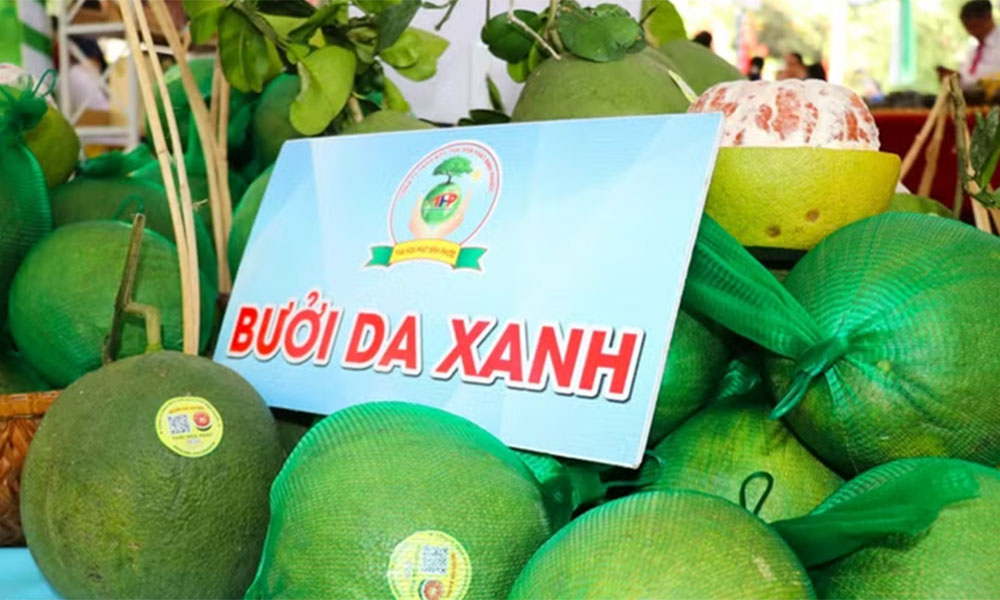
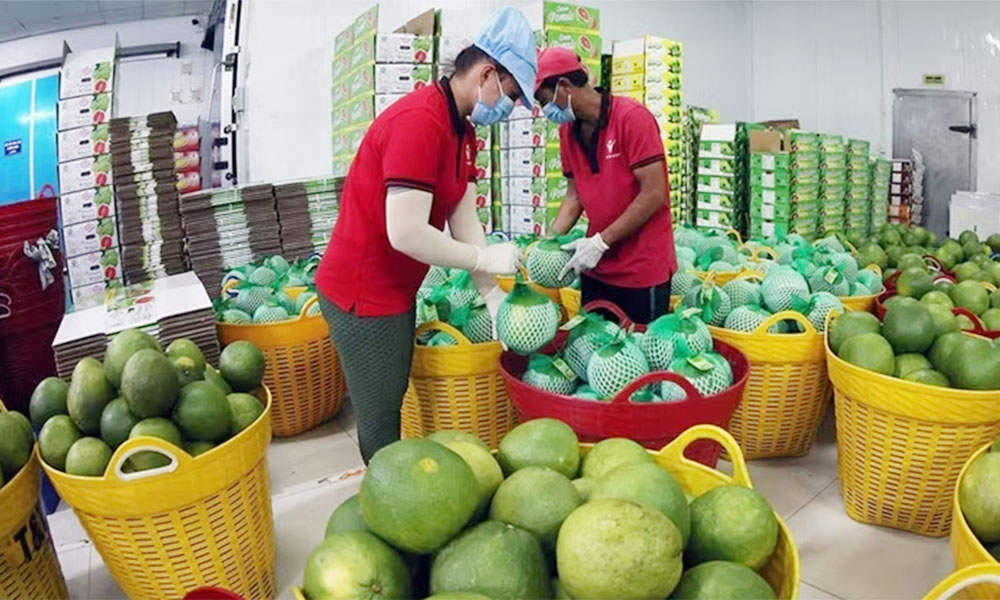
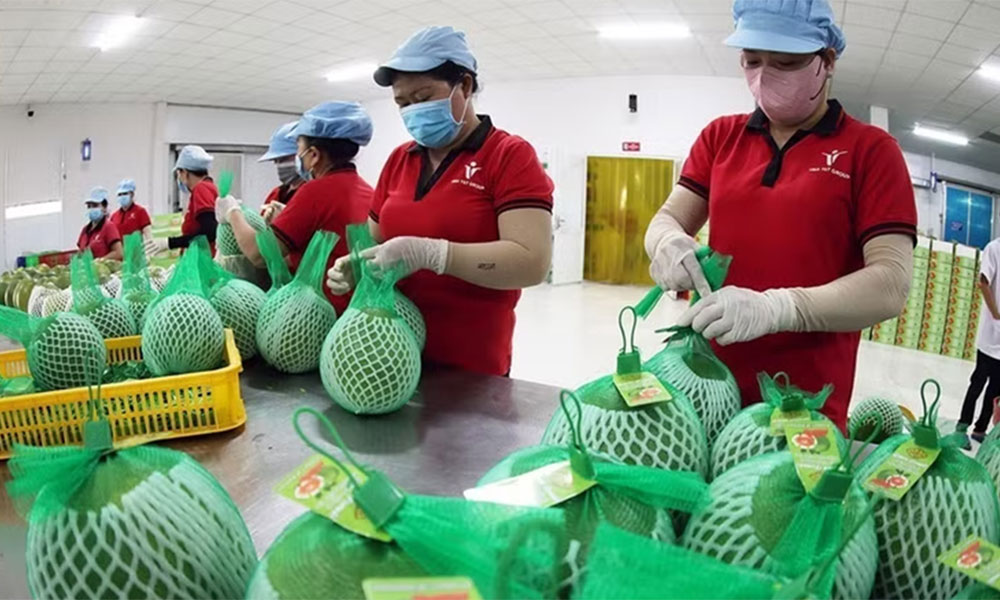
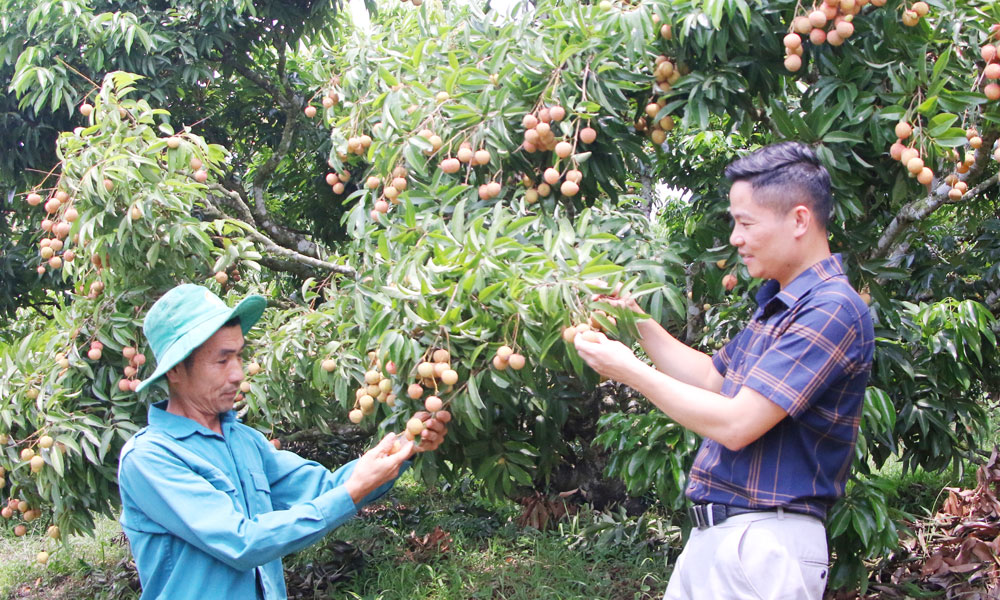
Pomelo is one of the five key fruit crops in Dong Nai province. |
Key exports, including seafood, fruit and vegetables, and rice, are well positioned to expand into new markets and increase added value.
However, they also face mounting challenges from climate change, intensifying global competition and increasingly stringent technical standards.
According to Deputy Minister of Agriculture and Environment Dang Ngoc Diep, production and export performance in the first six months exceeded expectations and is on track to surpass planned targets.
Stronger consumer demand in major markets during the year-end shopping season is expected to help the sector achieve its 2026 export target of 73-74 billion USD.
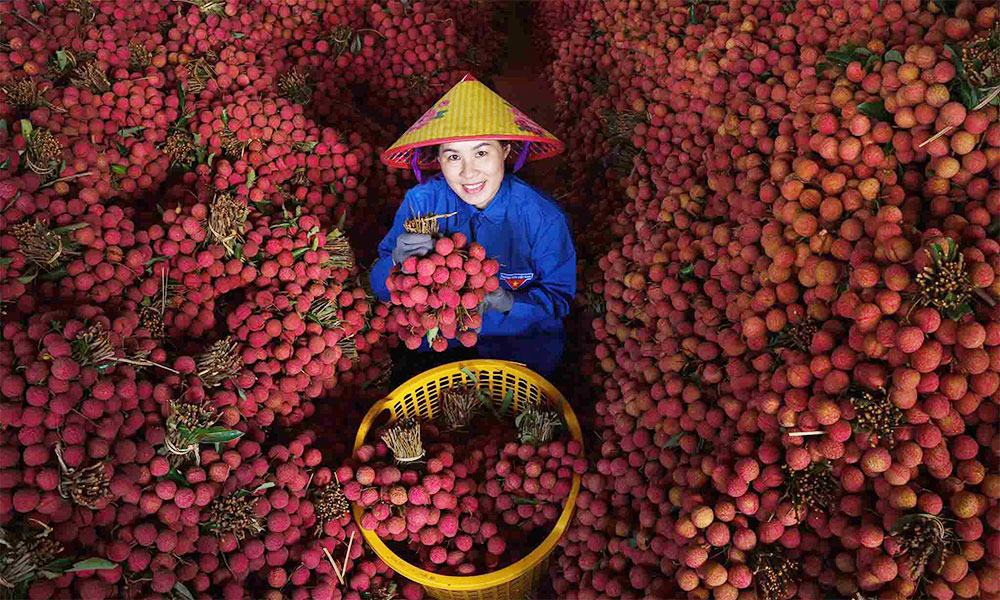
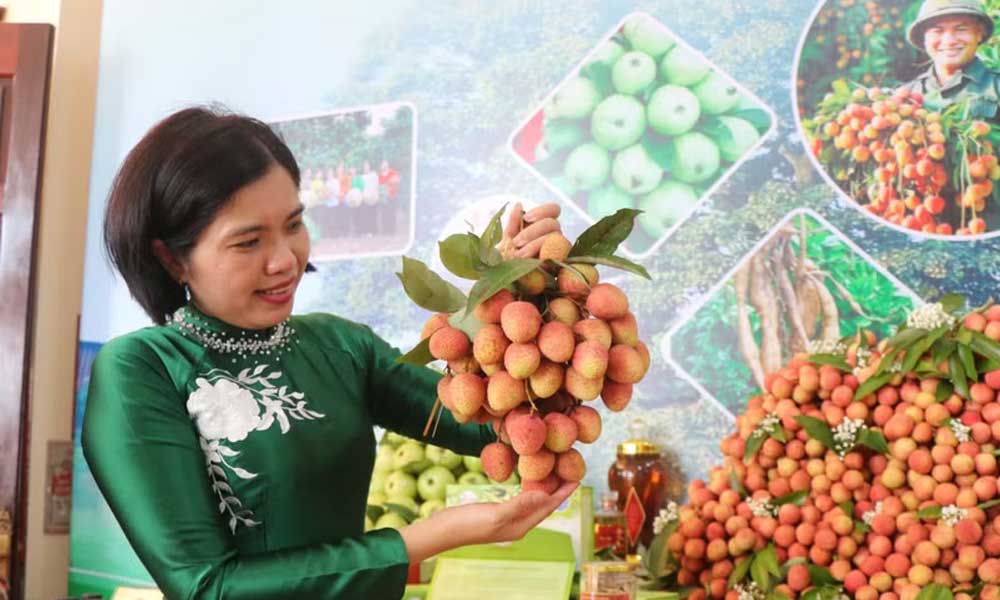
In the first half of the year, fruit and vegetables continued to be a standout performer, posting double-digit growth. Durian remained the leading export thanks to its off-season production advantage and the expansion of growing-area codes approved for exports to China.
Traditional products such as dragon fruit, bananas, mangoes and coconuts also maintained stable market demand.
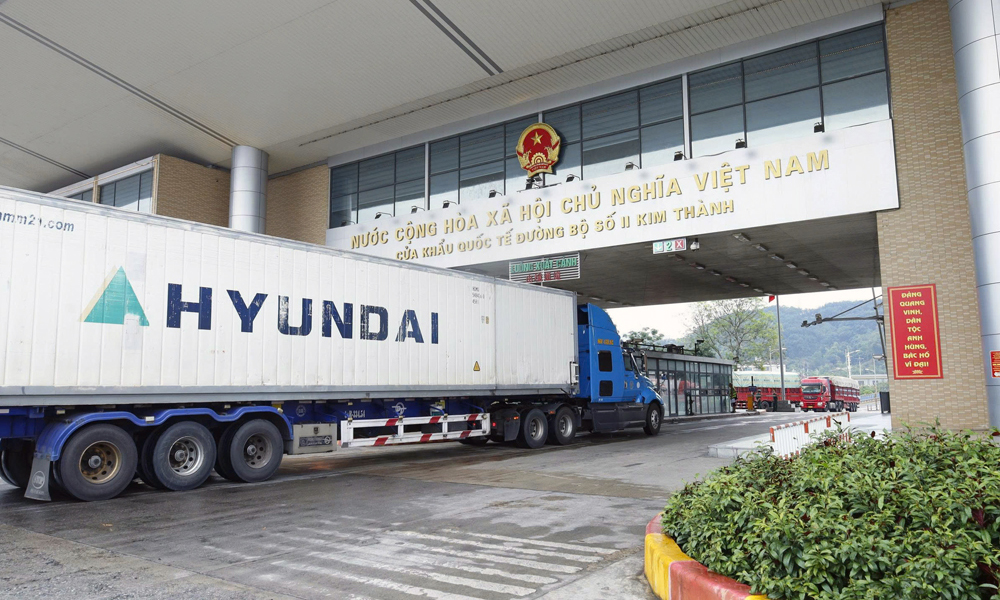
Meanwhile, the signing of export protocols allowing pomelo and lemon to enter China through official channels, together with the successful shipment of the first fresh pomelo consignment to Australia, has created new growth opportunities while demonstrating Vietnamese exporters' ability to meet international standards.
The export structure of the fruit and vegetable sector is also shifting toward higher value-added products, with processed products accounting for 35.82% of total exports.
According to Dang Phuc Nguyen, Secretary General of the Vietnam Fruit and Vegetable Association, deep processing will be a key growth driver, enhancing product value while reducing exposure to trade fluctuations.
Growing investment in processing and logistics across localities is also strengthening the competitiveness of Vietnamese agricultural exports.
Meanwhile, the seafood industry continues to grow but is facing increasing pressure from tariffs, technical barriers, rising production costs and stronger international competition.
Le Hang, Deputy Secretary General of the Vietnam Association of Seafood Exporters and Producers, said shrimp exports remain under pressure from high input costs, adverse weather, fierce competition from Ecuador, Indonesia and India, as well as trade defence measures, particularly in the US.
For pangasius, rising production costs are weighing on farming plans and raw material supply. However, a roughly 30% decline in global pollock output is creating opportunities for Vietnamese pangasius to expand its market share.
If exporters make full use of free trade agreements and maintain their competitive edge in China, seafood exports could grow by 8-10% to over 12 billion USD in 2026.
Nevertheless, the industry must continue addressing challenges related to illegal, unreported and unregulated (IUU) fishing regulations and the US’s Marine Mammal Protection Act (MMPA).
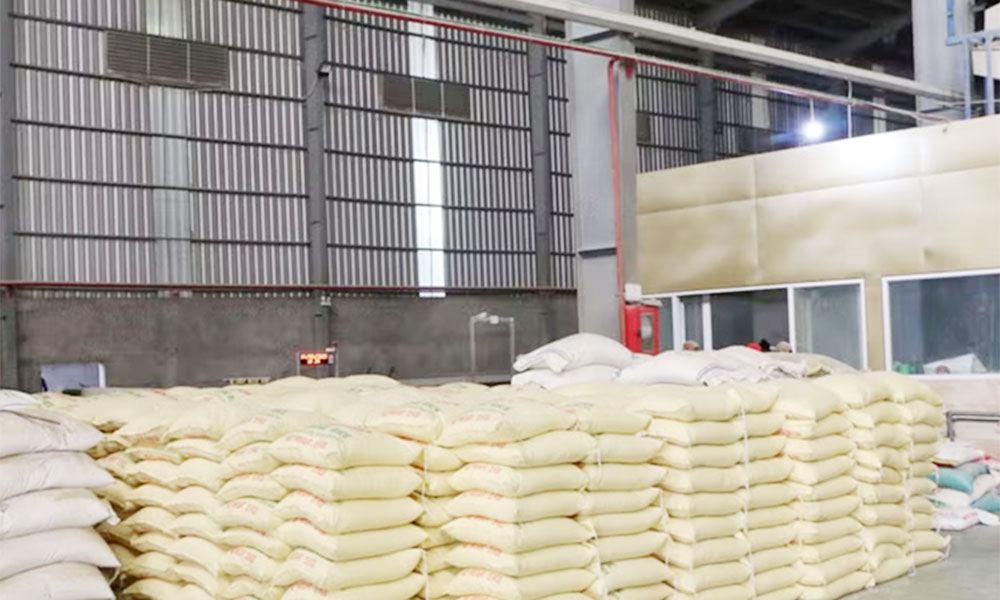
The outlook for rice exports remains relatively stable. According to Le Thanh Tung, Vice Chairman and General Secretary of the Vietnam Rice Industry Association, the industry should focus less on short-term price fluctuations and more on building stable raw material areas, improving quality, and meeting increasingly stringent requirements on traceability, food safety and sustainable production.
Low-emission rice cultivation is widely seen as the key to strengthening the competitiveness of Vietnamese rice.
Alongside market opportunities, weather remains a major risk factor. Tran Gia Long, Deputy Director of the Department of Planning and Finance under the Ministry of Agriculture and Environment, warned that El Niño could affect the South Central Coast, the Central Highlands and the Mekong Delta, which together account for more than 80% of Vietnam's agro-forestry-fishery production value.
By safeguarding key production areas, expanding deep processing, promoting green production and improving climate resilience, Vietnam's agro-forestry-fishery sector will be better positioned to sustain export growth and further expand its global market share.


Reader's comments (0)