 Bắc Ninh


Ample room remains open for railway industry enterprises
A highlight of the scheme is the ambition to develop a modern, integrated railway industry capable of independently designing, manufacturing, and maintaining metro lines and inter-regional railways with design speeds below 200 km/h, while gradually mastering high-speed railway technologies with design speeds of 200 km/h or higher. The roadmap is structured in three phases.
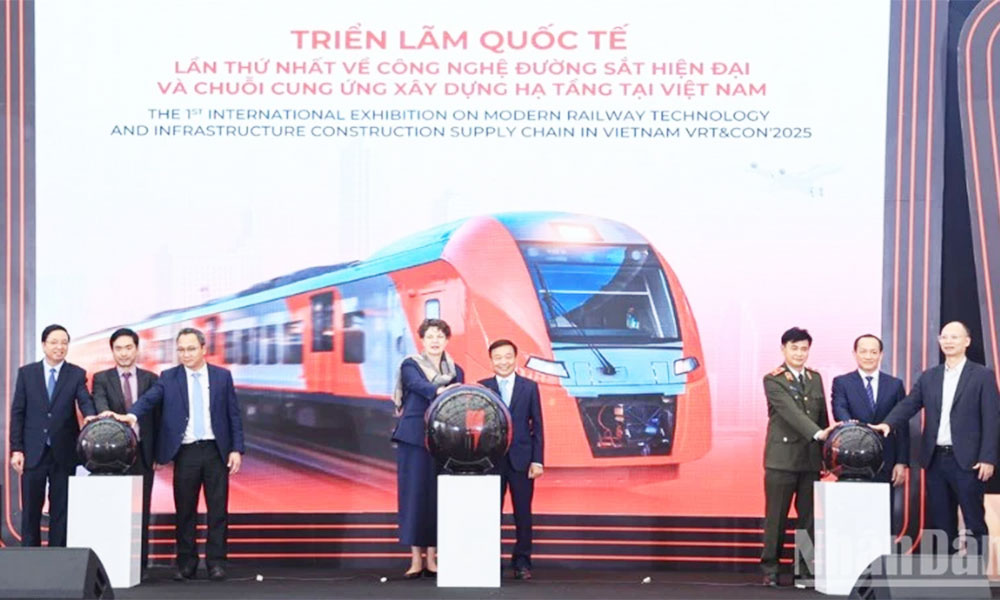
A series of planned investments in national and urban railway infrastructure over the next 15 years is expected to generate enormous demand for railway industrial products, estimated at more than 2.2 quadrillion VND (84.6 billion USD), opening up significant opportunities for enterprises in the sector.
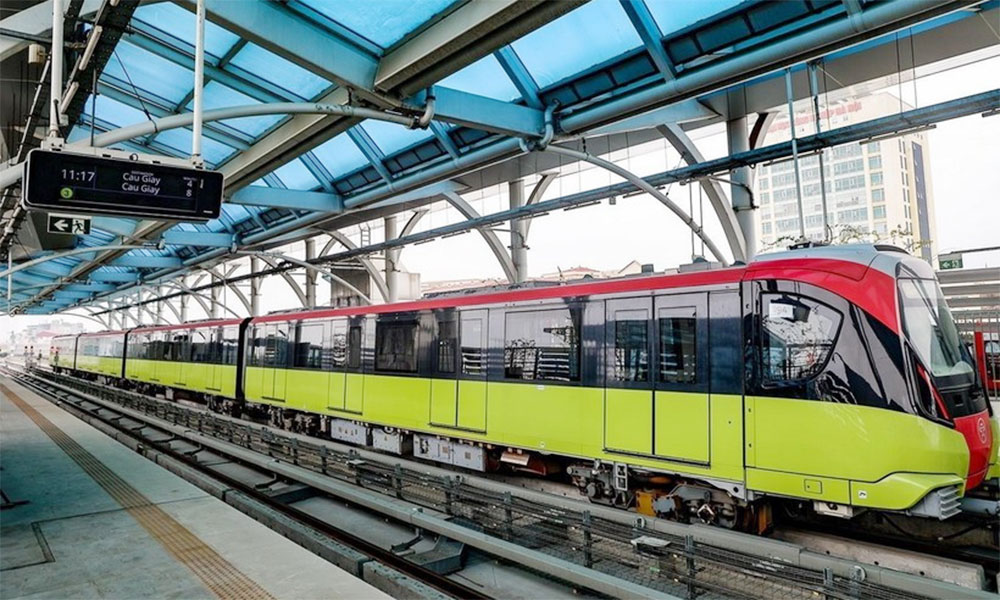 |
|
Nhon-Hanoi Station metro line. A series of planned investments in national and urban railway infrastructure over the next 15 years is expected to generate enormous demand for railway industrial products. |
The Government has recently issued important guidance for the draft Scheme on the Development of Vietnam’s Railway Industry, which is being formulated under the leadership of the Ministry of Industry and Trade.
According to Official Dispatch No. 692/VPCP-CN, Deputy Prime Minister Bui Thanh Son instructed the Ministers of Construction; Justice; and Education and Training, the State Bank of Vietnam, and the Acting Minister of Industry and Trade to urgently review the draft scheme and submit their opinions to the Ministry of Industry and Trade.
A highlight of the scheme is the ambition to develop a modern, integrated railway industry capable of independently designing, manufacturing, and maintaining metro lines and inter-regional railways with design speeds below 200 km/h, while gradually mastering high-speed railway technologies with design speeds of 200 km/h or higher. The roadmap is structured in three phases.
By 2030, Vietnamese enterprises are expected to undertake domestic design and manufacturing of equipment for six metro line projects, with localisation rates reaching 50% in consultancy and project management, 30% in locomotives, 50% in carriages and materials, 40% in traction power systems, 40% in signaling and train control systems, 85% in rails and turnouts, and 60% in maintenance activities.
By 2035, domestic firms are likely to supply equipment for six metro line projects and two inter-regional railway projects.
Localisation rates for rail systems with design speeds of up to 200 km/h are targeted at 50% for locomotives, 80% for carriages and materials, 70% for traction power systems, 60% for signaling and control systems, 95% for rails and turnouts, and 80% for maintenance and repair.
For high-speed railways, Vietnamese enterprises will progressively assume responsibility for maintenance and repairs and participate in the global high-speed railway value chain, with an orientation toward exports.
By 2050, full self-reliance is envisioned for carriages, materials, equipment, and traction power systems for railways below 200 km/h, alongside 90% localisation in signaling systems and 70% in locomotives.
For high-speed railways, domestic enterprises are expected to supply 50% of trainsets and equipment, 70% of signaling systems, and fully undertake maintenance and repair, while expanding exports of railway industrial products.
According to calculations by the Ministry of Industry and Trade, if railway network development proceeds as planned, the total market value for railway industry products and services could exceed 2.33 quadrillion VND by 2050 over the lifecycle of railway projects.
Even capturing one-third of this market over the next 20 - 25 years would provide a major boost not only for railway enterprises but also for Vietnam’s broader mechanical engineering and metallurgical industries.
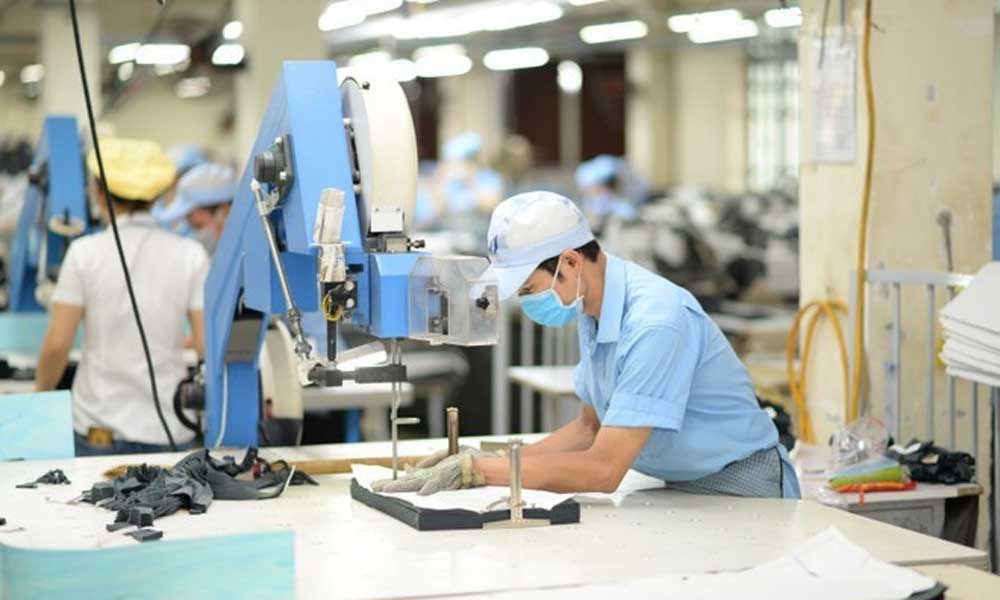
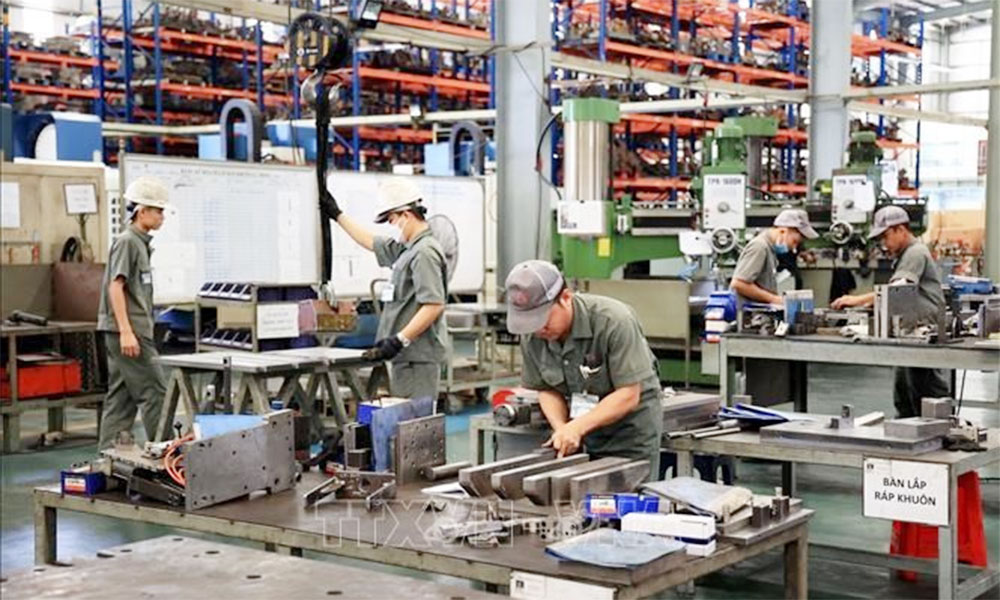
However, as of the end of 2025, only 35 factories nationwide were engaged in railway manufacturing, maintenance, and repair, most of them within the ecosystem of the Vietnam Railways Corporation. Despite this base, the sector remains fragmented, technologically outdated, and heavily dependent on imported equipment and components.
To address these constraints, the Ministry of Industry and Trade has proposed strong policy and financial support measures, including localisation mechanisms for selected railway projects, preferential credit through the Vietnam Development Bank, and enhanced technology transfer requirements.
Industry representatives stressed that, alongside financial incentives, early participation in major railway construction projects is essential to build a skilled workforce and ensure effective technology transfer from the outset.
Without a sufficiently trained human resources base, even large-scale investment in modern equipment will not be enough to accelerate the development of Vietnam’s railway industry at the pace envisioned, experts warned.




Reader's comments (0)