 Bắc Ninh


Bac Ninh builds regional transport links, promotes multimodal logistics
BAC NINH – As it prepares to become a centrally governed city, Bac Ninh is accelerating the development of an integrated, modern regional transport network. Together with inland container depots (ICDs) and logistics centres, new bridges and strategic roads are gradually forming a multimodal transport system that shortens the journey from factories to seaports and strengthens the competitiveness of the province's industrial economy.
In early August, streams of trucks and container vehicles crossed Dong Viet Bridge en route to the northern port city of Hai Phong.
 |
|
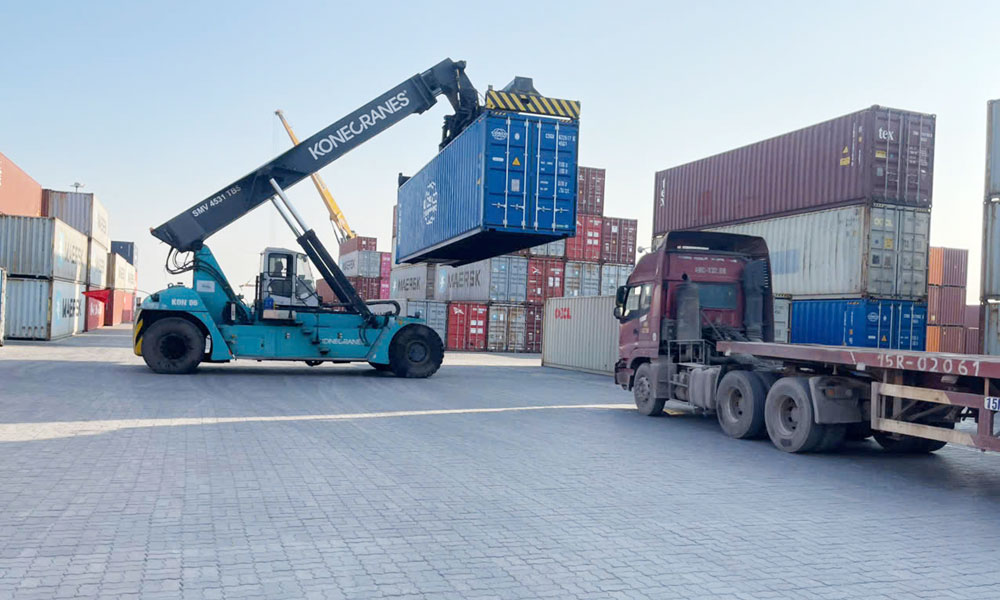
Cargo is handled at Sowatco Tri Phuong ICD in Dai Dong commune. |
The bridge has created a new transport corridor linking Bac Ninh with northern Vietnam's largest seaport complex, enabling businesses in the eastern part of the province to move raw materials, components and export goods more efficiently.
While Dong Viet Bridge has expanded access to Hai Phong's seaports, the widened Nhu Nguyet Bridge on National Highway 1 is easing congestion at one of Bac Ninh's key transport gateways.
The project is particularly important for major industrial parks, including Yen Phong, Que Vo and Tien Son, where freight traffic is among the busiest in the province.
Building on projects that have already been completed, Bac Ninh is pressing ahead with a series of strategic transport investments to strengthen regional connectivity.
Among them is a more than 33-km section of Hanoi's Ring Road 4 running through the province, with an investment of around 2.3 trillion VND (87.56 million USD).
Scheduled for completion in May 2027, the route will establish a new interprovincial freight corridor linking Bac Ninh directly with Hanoi, Hung Yen and the national expressway network, reducing transport times, easing pressure on existing national highways and supporting regional logistics development.
Nguyen Quoc An, Deputy Director of the provincial Department of Construction, said the province's transport strategy extends beyond expanding road infrastructure.
It aims to build a transport network that directly supports industrial production, prioritising links between industrial parks, ICDs, logistics centres and Gia Binh International Airport.
Under the master plan, Gia Binh airport is expected to develop cargo transport services, providing another international trade gateway and improving the province's connectivity with domestic and overseas economic centres.
As one of Vietnam's largest industrial hubs, Bac Ninh has seen manufacturing capacity expand steadily, increasing demand for a modern and seamless logistics network.
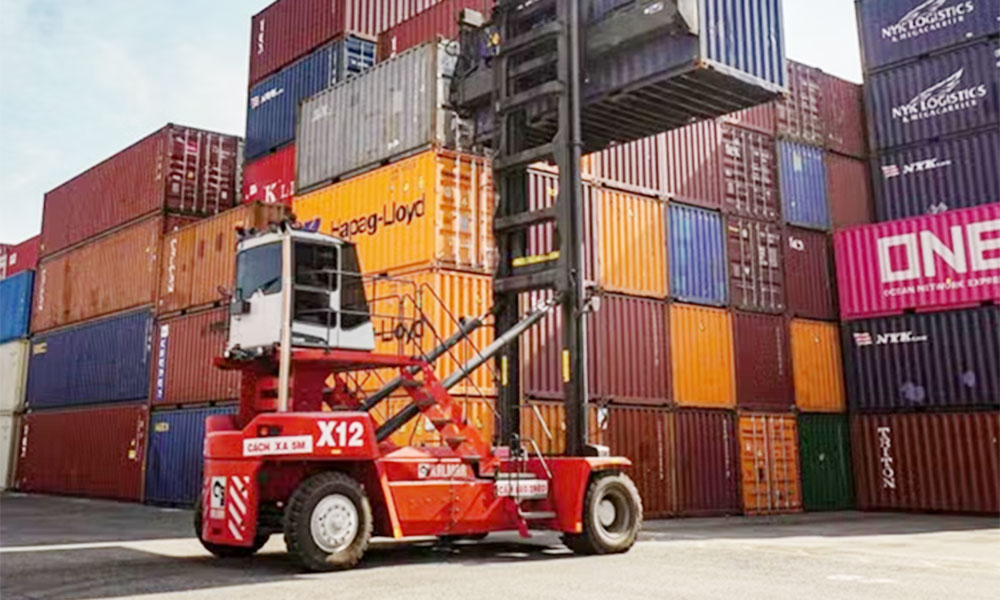
Through ICDs, cargo can be gathered and undergo customs clearance procedures before being transported to seaports or airports, helping reduce delivery times, lower logistics costs and improve business competitiveness.
A key component of the province's logistics network is Tan Cang Que Vo ICD in Phu Lang commune.
Located along National Highway 18 and with convenient access to the inland waterway network, the ICD serves as a cargo consolidation and customs clearance hub for businesses both within and outside the province.
It currently provides logistics services to more than 40 companies, steadily reinforcing its role as a regional cargo transshipment hub. The operator is targeting revenue of around 100 billion VND this year.
Sowatco Tri Phuong ICD in Dai Dong commune is playing a similar role as a key freight hub, benefiting from multimodal connections between road and inland waterway transport along the Duong River.
The facility serves numerous foreign-invested manufacturers in the electronics, engineering and industrial production sectors.
According to Nguyen Van Cong, head of operations at Sowatco Tri Phuong ICD, cargo throughput reached about 41,000 TEUs in the first seven months of this year, up around 5% from the same period last year.
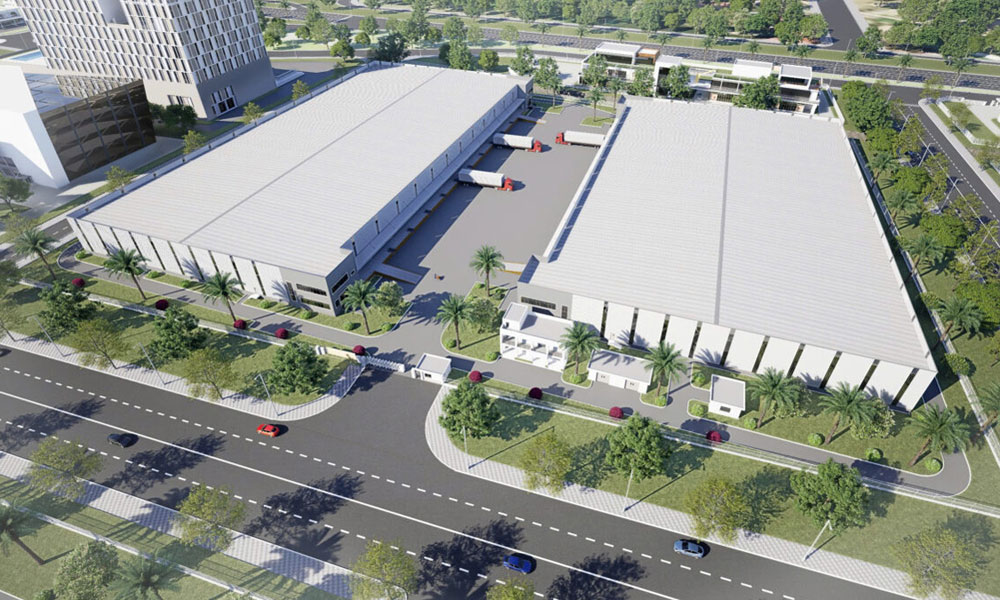
Alongside the ICDs, large-scale logistics centres are being developed to expand cargo handling and distribution capacity.
One example is the Bac Giang International Logistics Centre in Tien Phong ward, which is planned along a major transport corridor linking Bac Ninh with Hanoi, Hai Phong and other localities in the Northern Key Economic Region.
In practice, the effectiveness of a logistics system depends not on individual infrastructure projects but on seamless integration between factories, ICDs, distribution centres and transport corridors.
New bridges, strategic roads, ICDs and logistics centres are gradually being connected into a unified transport network.
The system is expected to strengthen Bac Ninh's competitiveness, attract higher-quality investment and reinforce its position as an industrial and logistics hub in northern Vietnam's key economic region.








Reader's comments (0)