 Bắc Ninh


Bac Ninh culture: A source of strength and ambition for development
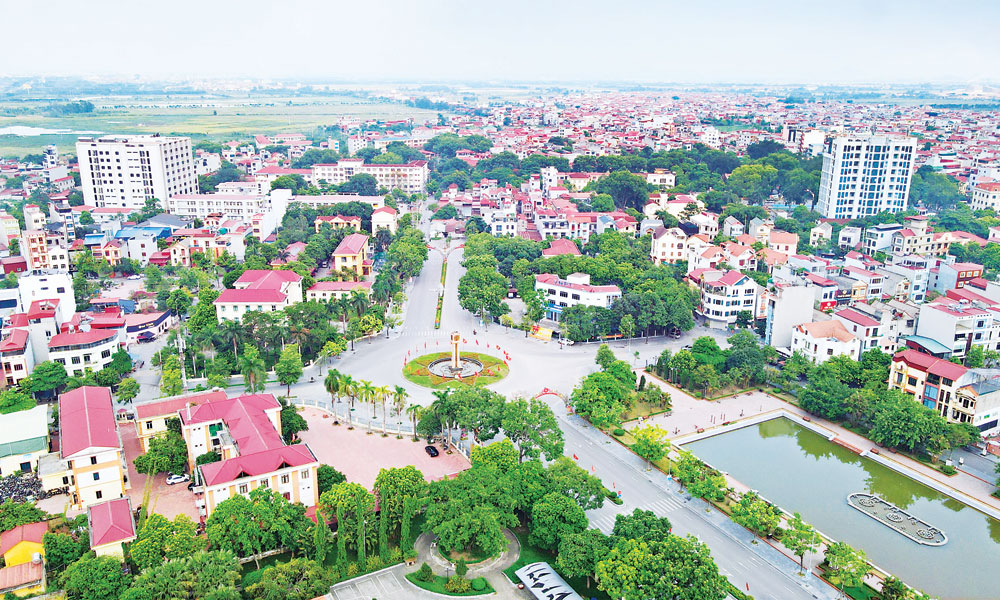
BAC NINH - As Bac Ninh enters a new phase of development, with its economic potential and regional standing growing, culture is increasingly seen not only as the spiritual foundation of society but also as an internal resource, a source of strength and a defining element of local identity.
In an interview with Bac Ninh Newspaper and Radio and Television, Le Xuan Loi, member of the Bac Ninh Municipal Party Committee's Standing Board and Vice Chairman of the municipal People's Committee, outlined the city's vision and strategic priorities for cultural development.
 |
|
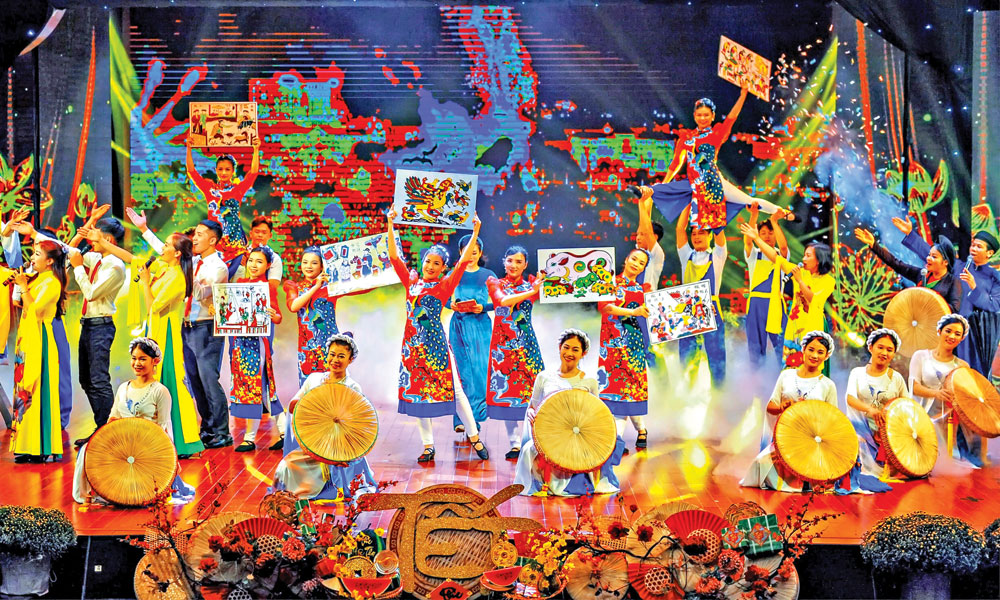
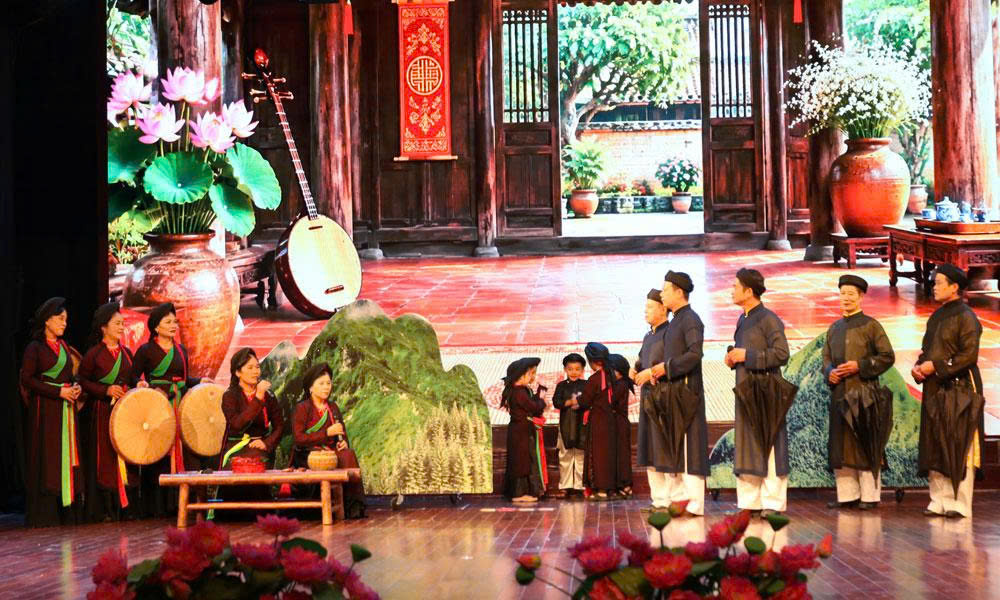
An outstanding performance by artists from the Bac Ninh Quan Ho Folk Song Theatre. Photo: Le Xuan Kham |
Bac Ninh has eight cultural heritages recognised by UNESCO. What are the city's priorities for preserving and promoting these assets while ensuring communities remain at the centre of heritage protection?
The eight UNESCO-recognised heritages are invaluable cultural assets reflecting the depth of local history and the creativity of generations who have lived in Bac Ninh. Their international recognition brings both pride and responsibility.
The city has three main priorities: safeguarding the authenticity and distinctive values of heritage, strengthening the role of local communities, and linking preservation with education, creativity and sustainable livelihoods.
For historical sites, we will focus on management, landscape protection and restoration based on scientific principles and regulations.
 |
|
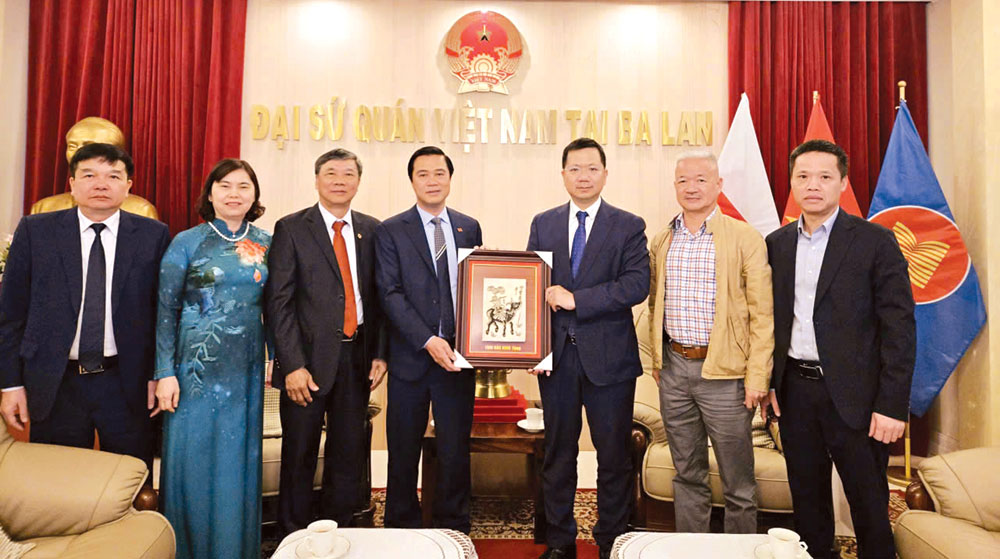
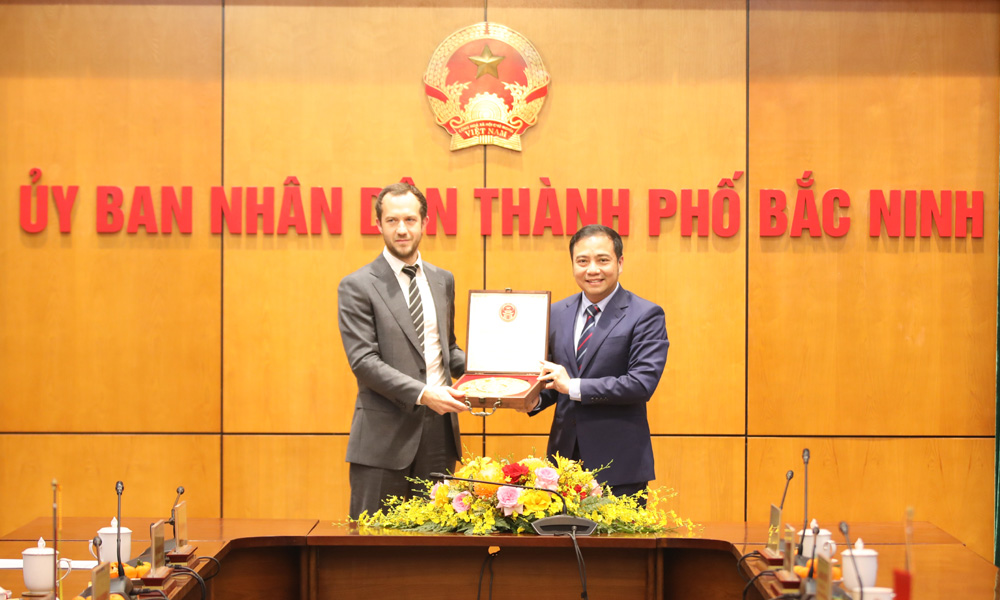
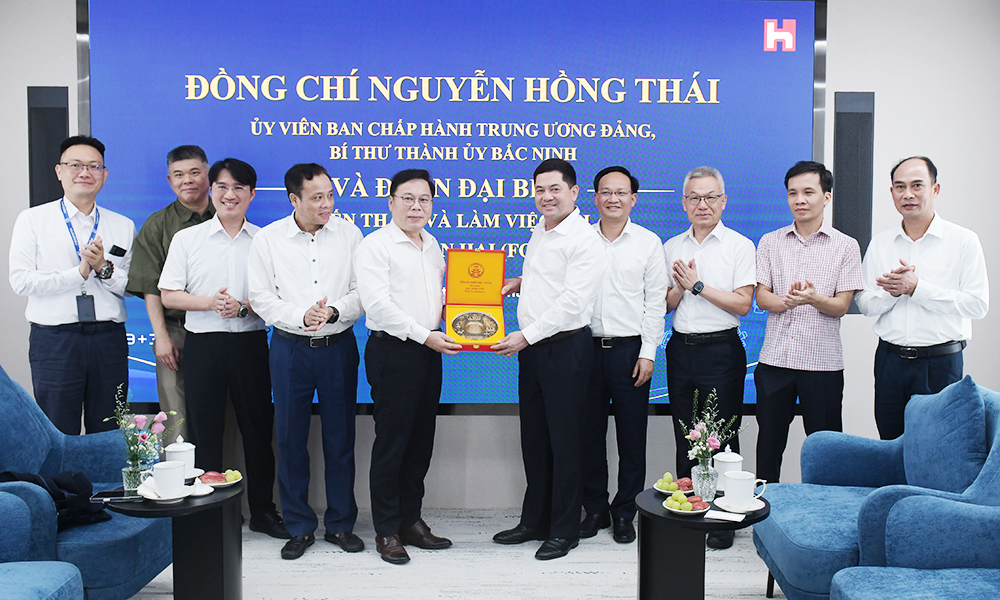
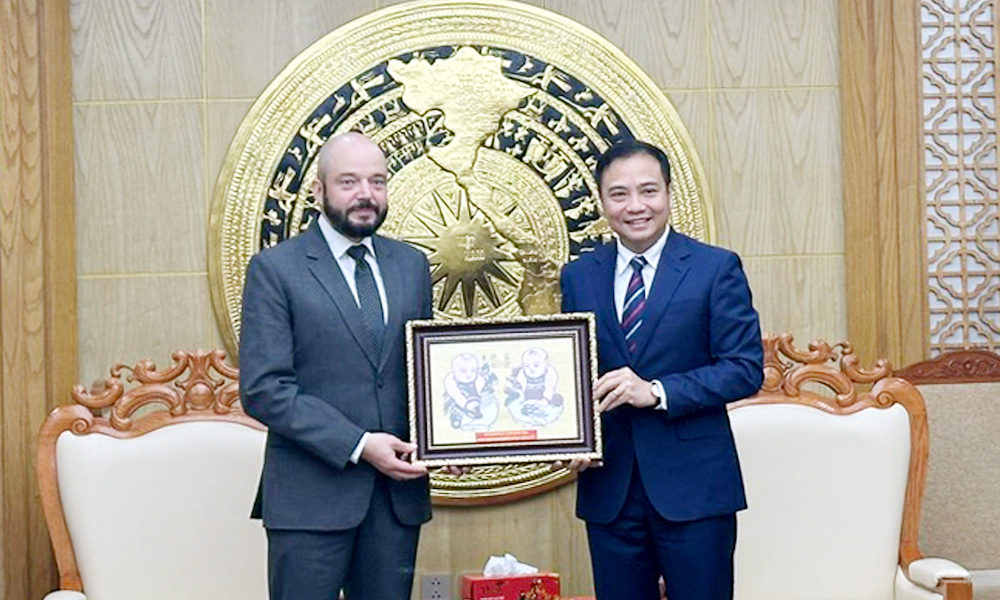
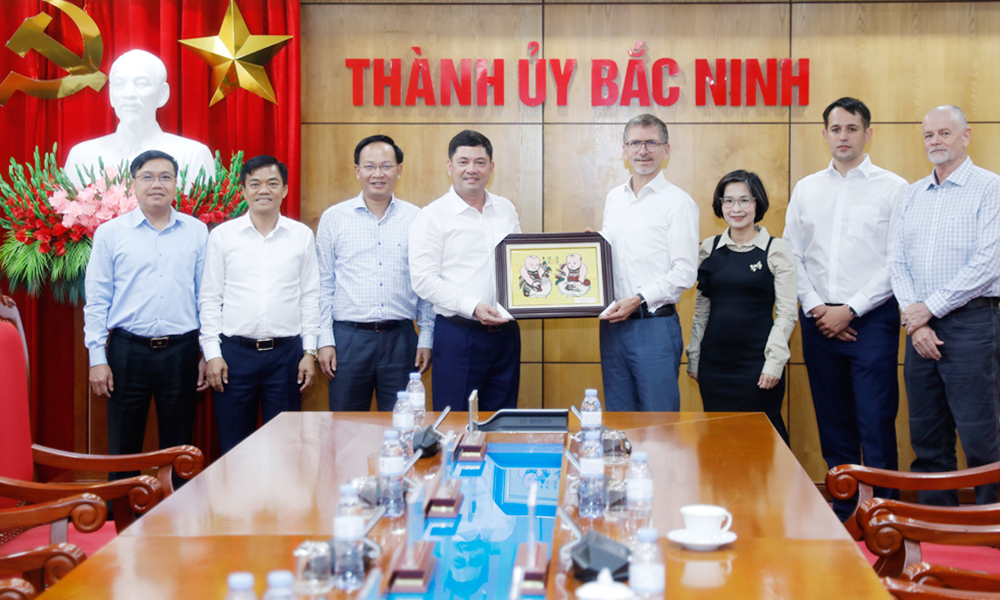
Bac Ninh Municipal People's Committee Vice Chairman Le Xuan Loi presents a Dong Ho folk painting to Nguyen Hoang Hai, Vietnam's Ambassador to Poland. Photo: Dao Khoa |
For intangible heritage, it is essential to maintain spaces where traditional practices can continue, support artisans in passing on their skills and encourage younger generations to participate.
While local authorities are responsible for developing policies and providing resources, residents are the direct custodians who preserve, practise and transmit heritage.
Heritage promotion must also create livelihood opportunities, allowing communities to benefit economically from their cultural assets without compromising their authenticity through excessive commercialisation.
How will the city build a new generation of Bac Ninh residents and create a healthy, civilised cultural environment amid rapid urbanisation and industrialisation?
People are both the creators of culture and the ultimate beneficiaries and driving force of development. Building a modern generation of Bac Ninh residents must therefore be a central and continuous priority.
 |
|
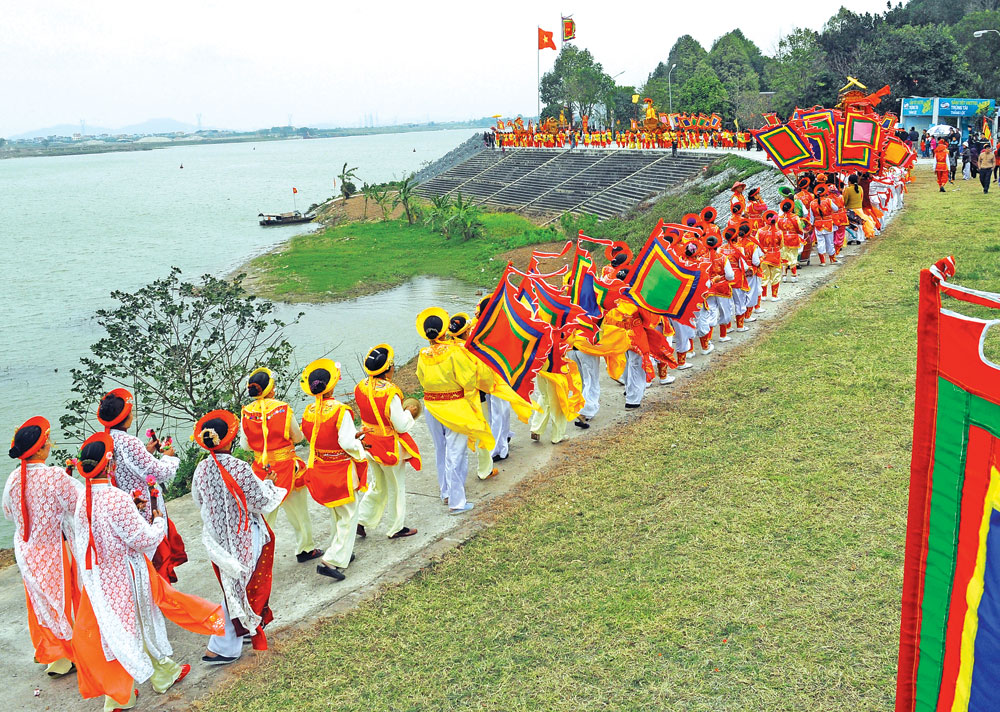
The Kinh Duong Vuong Festival. Photo: Le Kham |
To achieve this, the city will promote cultural development across families, schools, residential communities, public agencies and businesses. Families play a fundamental role in shaping character and nurturing positive values.
Schools should strengthen education in ethics, history and local culture, while public institutions must foster professionalism, discipline and a strong sense of public service.
We also need to pay greater attention to the cultural and recreational needs of industrial workers and people relocating to Bac Ninh for employment.
With its large industrial base, the city must invest in cultural and sports facilities in residential areas, industrial parks and workers' housing developments.
Another priority is building a responsible cultural environment in cyberspace, particularly among younger people.
Our goal is not simply to create a modern city in terms of infrastructure, but to build a civilised, compassionate and disciplined community with a strong sense of identity, where everyone has opportunities for personal development and can contribute to society.
How does Bac Ninh plan to develop cultural industries and turn its heritage, traditional arts, craft villages and cultural tourism assets into competitive economic products?
Cultural industries offer significant development potential for Bac Ninh. We will prioritise sectors where the city has clear advantages, including cultural tourism, performing arts and creative products associated with heritage and traditional craft villages.
Cultural tourism will serve as a connecting platform, creating markets and opportunities for other sectors.
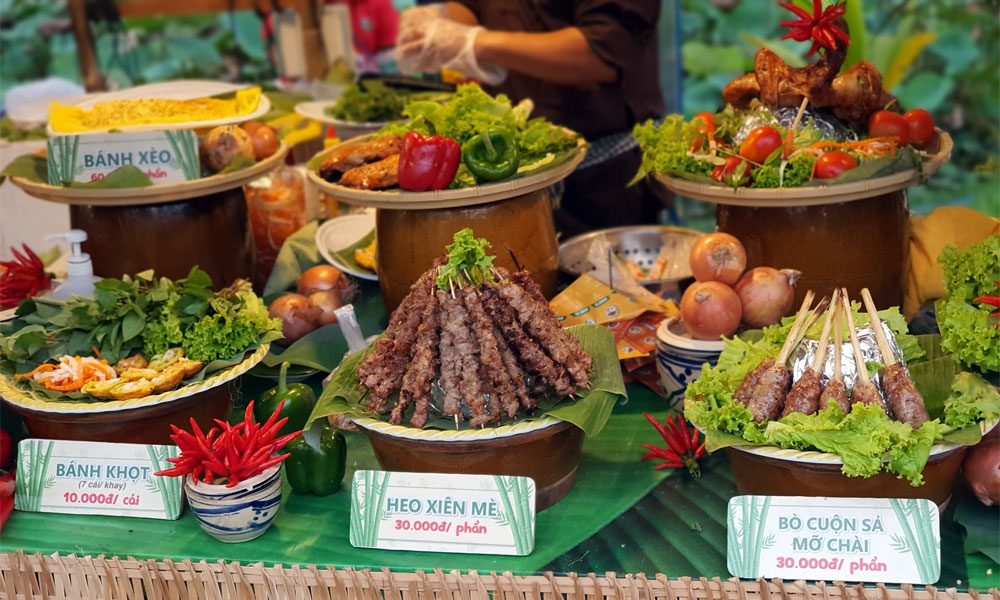
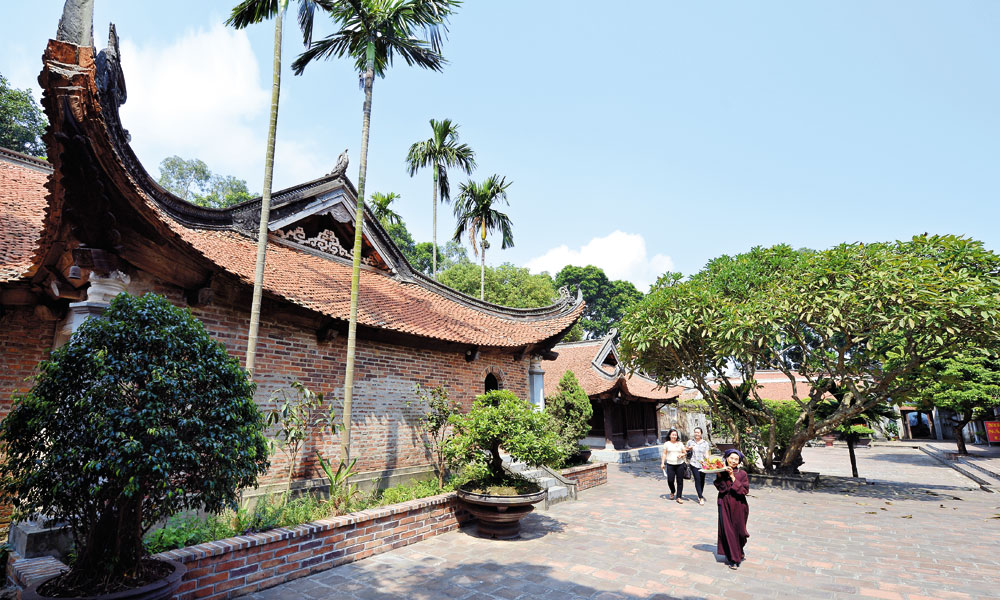
Local assets such as Quan Ho folk singing, Dong Ho folk paintings, Truc Lam Buddhist heritage, historical sites, festivals, craft villages and traditional cuisine should be developed into distinctive, in-depth visitor experiences that reflect the identity of Kinh Bac.
The city aims for cultural and entertainment industries to contribute 3-5% of gross regional domestic product (GRDP) by 2030.
We will encourage businesses, artists and artisans to participate, promote public-private partnerships, attract investment and improve market access and promotion.
However, cultural industry development must go hand in hand with preserving local identity. We must not pursue short-term gains or commercialise heritage at any cost.
High-quality, competitive cultural products can create livelihoods for residents, help artisans remain committed to their crafts, provide new spaces for heritage to thrive and generate additional resources for the city.
These priorities are reflected in the municipal Party Committee's cultural development plans, which aim to implement national policies on cultural development and tourism.
Bac Ninh also seeks to become a leading cultural heritage and resort tourism destination in the capital region and the Red River Delta.
What major targets and breakthrough measures will Bac Ninh pursue to ensure cultural development matches its new position? What resources will be mobilised to achieve these goals?
 |
|
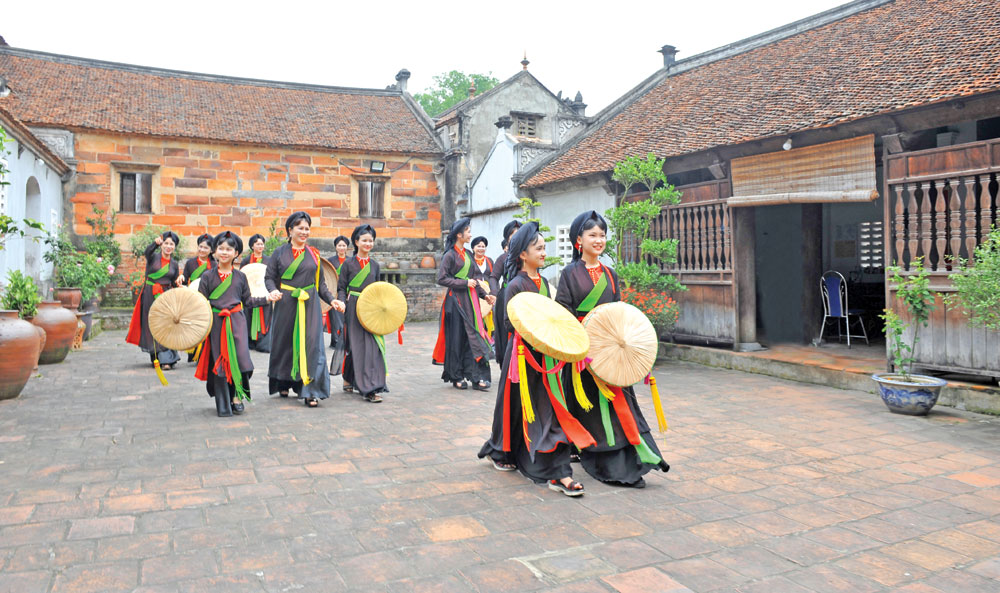
Quan Ho female singers perform at Bo Da Pagoda. Photo: Viet Hung |
Our overarching goal is to build a modern, civilised city with a strong cultural identity, where people are at the centre, culture provides the foundation, heritage is a valuable asset and creativity drives sustainable development.
By 2030, with a vision to 2045, Bac Ninh aims to foster a healthy cultural environment, promote comprehensive human development, preserve and effectively promote heritage, improve the quality of cultural and artistic activities, and expand cultural industries and tourism.
We also seek to narrow disparities in access to cultural activities across different areas.
The city aspires to become a distinctive cultural and tourism hub and an attractive destination for major national, regional and international cultural, artistic and sporting events.
We will also work towards joining UNESCO's Creative Cities Network, while promoting Kinh Bac cultural identity as a recognised international brand.
Achieving these ambitions requires clear programmes, implementation roadmaps, defined responsibilities and adequate resources.
The city will strengthen accountability at all levels, particularly among leaders, and ensure cultural development programmes are implemented in line with the specific characteristics of each locality.
Budget priorities will include heritage preservation, restoration of deteriorating historical sites and investment in cultural and sports facilities. Businesses, organisations and individuals will also be encouraged to contribute.
Importantly, Bac Ninh will allocate at least 4% of its annual budget expenditure to cultural development, with the proportion increasing as practical needs arise.
With its longstanding cultural traditions, public support and commitment from the entire political system, Bac Ninh is well positioned to make a breakthrough in cultural development.
Our ambition is to build a city that is not only economically dynamic and modern in infrastructure but also deeply rooted in its cultural identity, where residents take pride in their homeland and enjoy a rich cultural environment. This will underpin Bac Ninh's distinct appeal and identity as Vietnam continues to develop.


Reader's comments (0)