 Bắc Ninh


Bac Ninh unlocks resources, promotes local strengths
BAC NINH - One year after the implementation of resolutions adopted by Party congresses at all levels for the 2025–2030 term, the Party Organisations of communes and wards across Bac Ninh city have issued a series of key resolutions aimed at translating the set priorities into concrete actions. The resolutions are helping unlock resources for socio-economic development while allowing localities to build on their individual strengths.
Focusing on infrastructure, expanding development space
One of the most notable changes since the Party congresses has been the efforts by localities to identify key breakthroughs and concentrate resources on projects with potential spillover effects.
 |
|
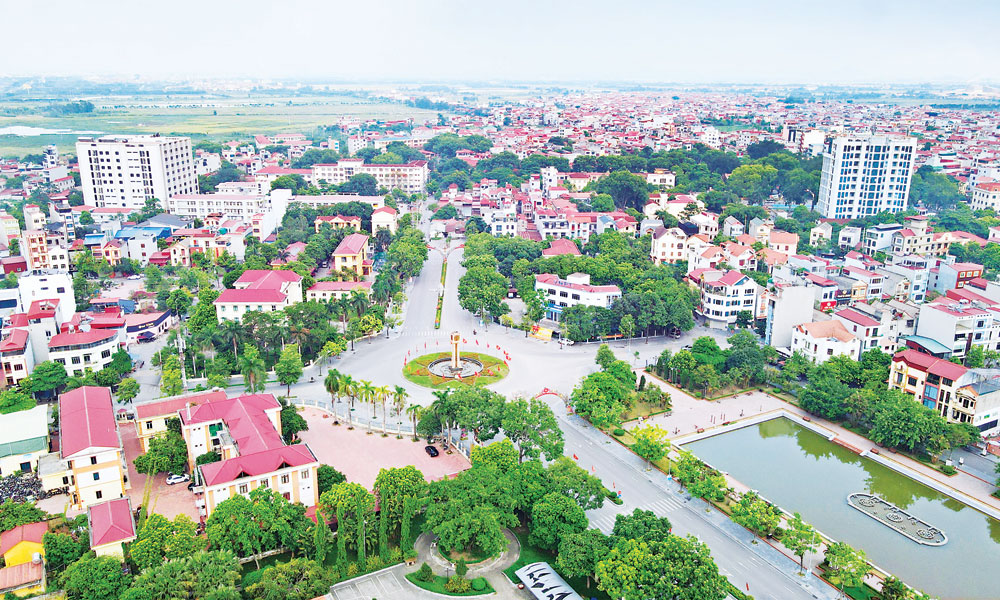
A view of the urban area in Yen Phong ward. |
In Nam Duong commune, for example, the Party Committee identified infrastructure development as a priority that must come first to lay the foundation for growth and expand development space, following the resolutions of the commune and city Party congresses.
In 2026, the commune allocated about 83.6 billion VND (3.22 million USD) for 22 projects, focusing on transport connectivity, residential areas, education and infrastructure serving production.
In Tien Luc commune, the Party Committee’s Standing Board issued a resolution shortly after the congress to make the commune meet basic criteria for ward status during 2025–2030 and become a ward after 2030.
The locality aims to develop into an industrial and service urban area, with a target of completing at least 90% of its urban road, lighting, water supply and drainage systems by 2030, while establishing three commercial and service centres.
In Yen Phong ward, the goal of becoming a modern urban area is also being pursued by balancing resources and accelerating infrastructure projects in industry, urban development and services.
Localities are also tapping resources from residents rather than relying solely on investment capital. Bo Ha ward has adopted two key resolutions covering infrastructure development and the paving, expansion and upgrading of roads.
The ward has registered plans to pave and expand 90 kilometres of roads under Resolution No. 15 of the city People’s Council.
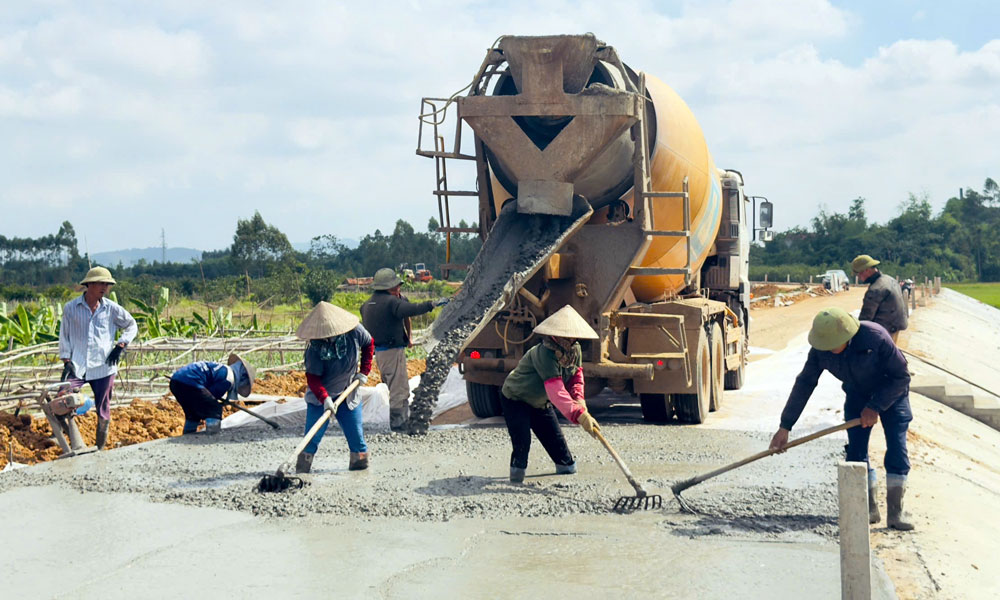
Notably, following a campaign launched in late August, more than 600 households registered to donate more than 21,000 square metres of land to expand and pave 13 kilometres of roads.
The move demonstrates the strength of public consensus when investment plans are directly linked to residents’ interests.
Building on each locality’s distinctive strengths
 |
|
Thanks to land donated by residents, the dike in Lien Tan Xuan residential area, Bo Ha ward has been upgraded and paved. |
If infrastructure provides the foundation, making effective use of local potential and advantages is what differentiates each locality’s development path.
In implementing their Party congresses’ resolutions, communes and wards are increasingly focusing resources on sectors that they have clear advantages rather than pursuing broad-based development.
Nam Duong commune is using its strength in high-quality fruit-growing areas to shift from agricultural production toward developing an agricultural economy.
The focus is moving from small-scale production to commercial farming, the use of high technology, brand building and stronger links between production and distribution.
Over the longer term, it plans to develop processing, build distinctive local products and link agriculture with experiential tourism. Am Vai Pagoda has been identified as a highlight in developing cultural and spiritual tourism linked with local natural landscape.
As a key industrial area, Nenh ward moved early to adopt and implement specialised resolutions on land clearance and urban economic development.
The aim is to remove bottlenecks and make better use of the locality’s industrial, urban and service advantages, with a vision of becoming a major industrial-urban centre of the city.
After a year of implementing the Party congress resolutions, the Party organisations of communes and wards have gradually strengthened the links between their goals and available resources, local advantages and development strategies, and Party policies and public consensus.
This provides an important foundation for localities to continue translating the resolutions of their Party congresses for the 2025–2030 term into concrete results.







Reader's comments (0)