 Bắc Ninh


Bac Ninh maps out network of 12 key urban centers by 2030
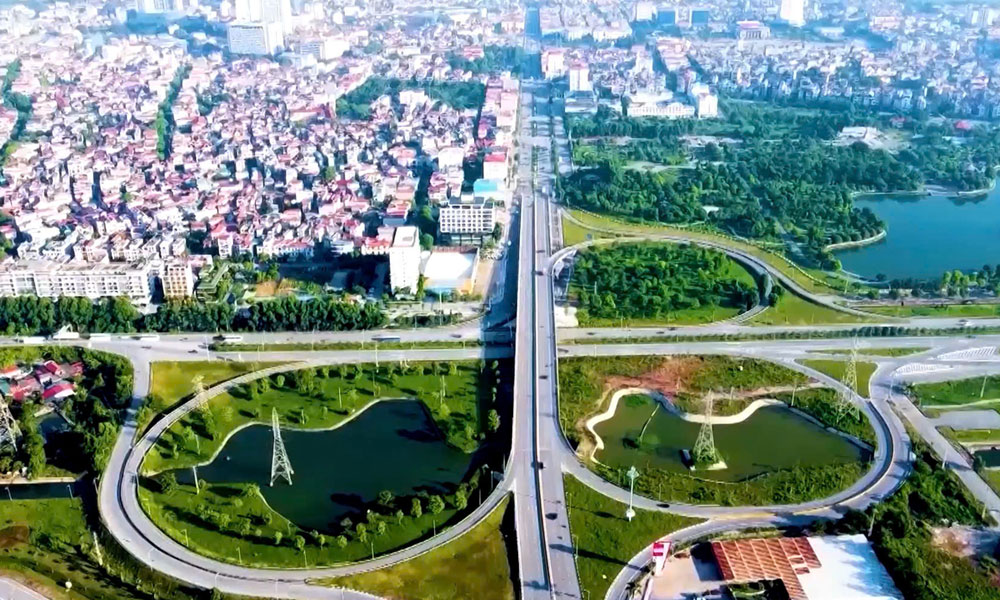
BAC NINH - Bac Ninh has approved an urban development program through 2030 that envisions a network of 12 key urban centers under a multi-polar growth model, supporting its goal of becoming a centrally governed city and a major economic hub in northern Vietnam.
Under the plan, the province will develop a tiered urban system closely linked with the Hanoi Capital Region, the Red River Delta and national economic corridors.
 |
|
The development of a network of key urban centers is expected to create new growth drivers, enhance competitiveness, attract investment, and support balanced, modern and sustainable urban development. |
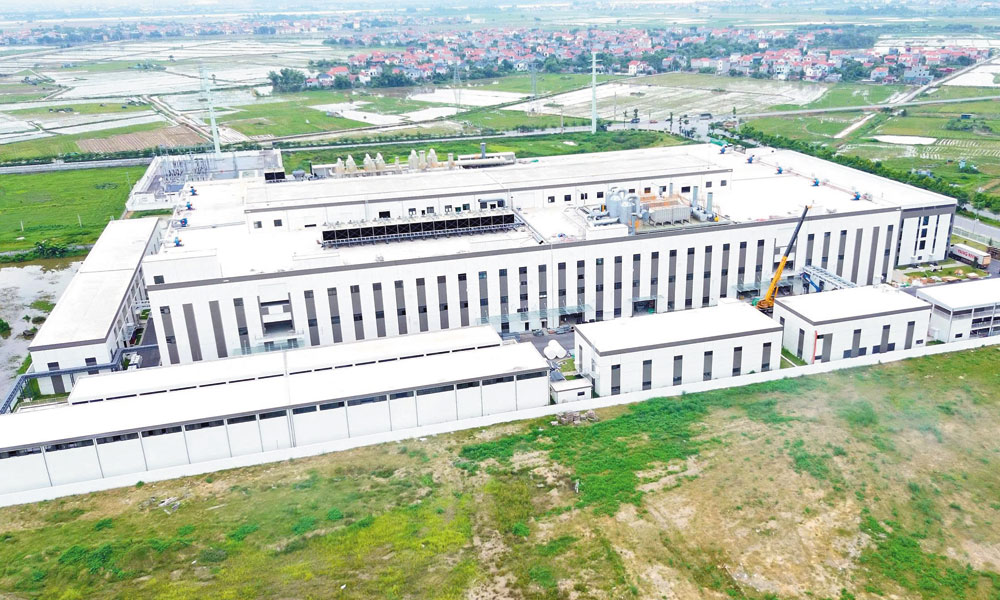
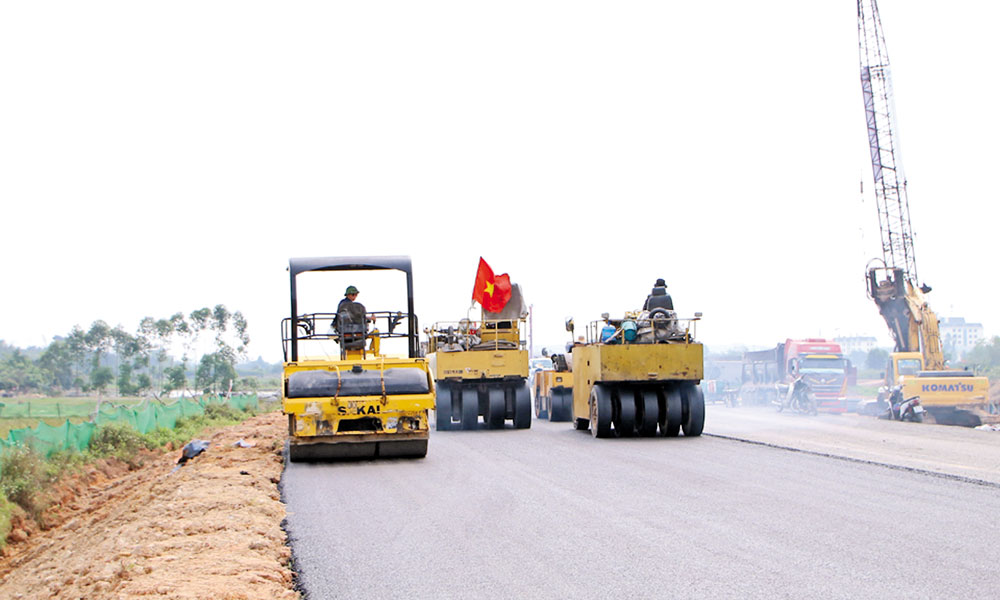
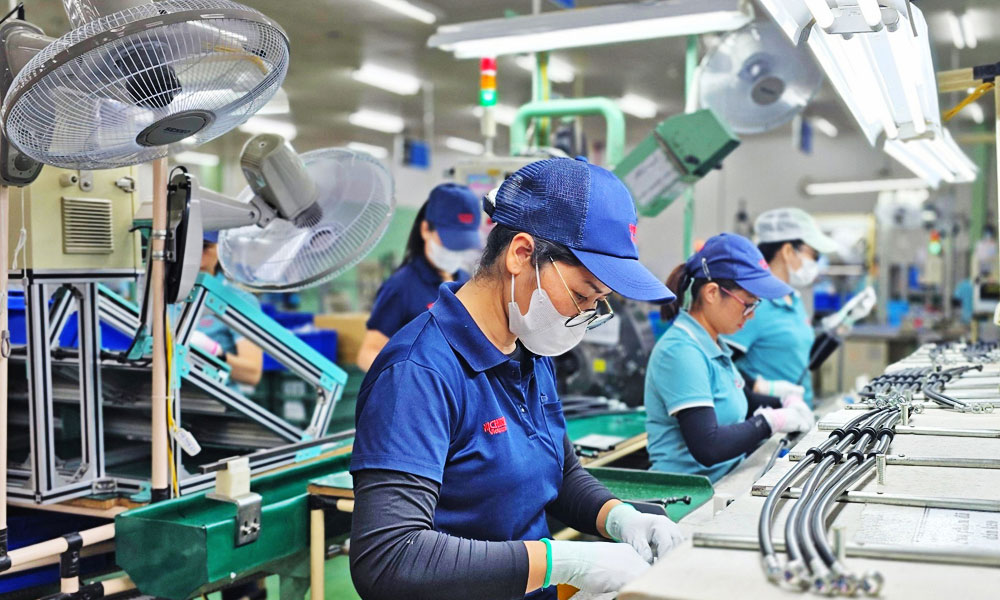
Key urban centers will drive growth in high-tech manufacturing, services, logistics and innovation, while transit-oriented development (TOD) will be prioritized along expressways, ring roads, high-speed rail lines, the Gia Binh International Airport, inland container depots and logistics hubs.
By 2030, Bac Ninh aims to meet all criteria for first-class urban status as part of its long-term ambition to become a municipality directly administered by the central government.
The province plans to establish an urban network centered on eight second-class cities and towns: Bac Giang, Kinh Bac, Tu Son, Tien Du, Yen Phong, Que Vo, Gia Thuan and Hiep Hoa.
It also plans to expand four additional urban areas – Tan Yen-Yen The, Lang Giang-Luc Nam, Luc Ngan and Son Dong – with the goal of upgrading them to second-class urban status, extending development toward the province's northern, eastern and ecological areas. Additional third-class urban areas will also be recognized where conditions allow.
Each urban center will serve a distinct role within the provincial network. Bac Giang will remain the provincial administrative, political, economic, cultural and educational hub, with a focus on compact, green and smart urban development.
Kinh Bac will serve as a comprehensive economic growth pole, combining innovation-driven development with TOD while preserving its historical heritage and Quan Ho folk culture. Tu Son will strengthen its role as a center for culture, education, commerce and services, while promoting green transformation in traditional craft villages.
Among emerging urban areas, Tien Du is designated as a cultural, historical and urban services center, while Yen Phong and Que Vo will continue to develop as hubs for high-tech industry, logistics and urban services.
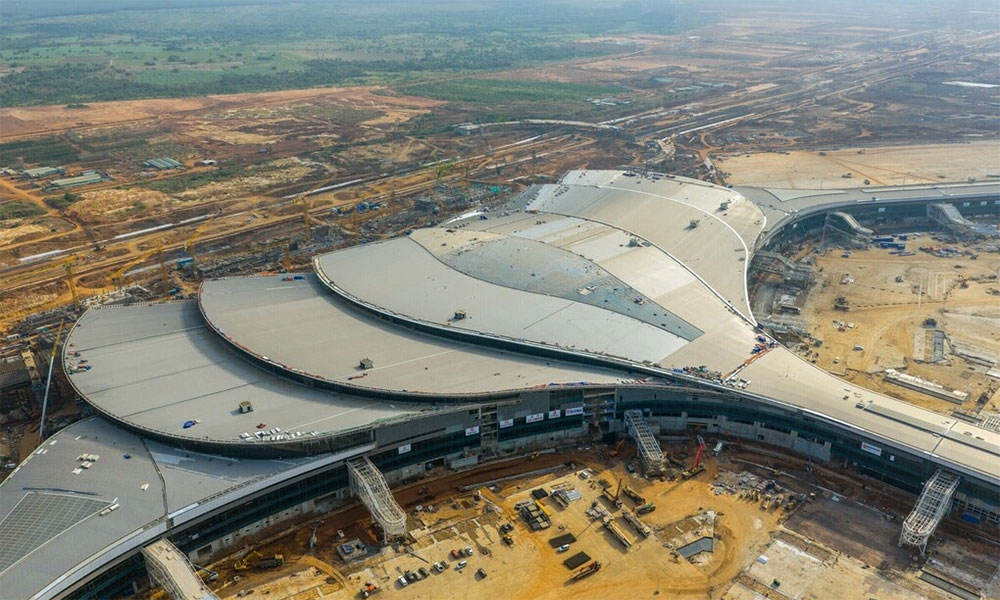
Gia Thuan is expected to become a new growth engine anchored by Gia Binh International Airport. The area is planned as a multifunctional airport city featuring aviation services, logistics, free trade and modern commercial activities, while preserving cultural heritage along the Duong River.
Hiep Hoa will serve as the province's western gateway, focusing on clean industry, urban services and high-tech agriculture.
Meanwhile, Tan Yen-Yen The, Lang Giang-Luc Nam, Luc Ngan and Son Dong will leverage their strengths in industry, logistics, high-tech agriculture, eco-tourism and nature conservation.
Alongside urban expansion, Bac Ninh plans to assess and recognize 11 wards as meeting second-class urban development standards in 2026 and establish 12 new wards from eligible communes.


Reader's comments (0)