 Bắc Ninh


Bac Ninh preserves cultural identity to attract tourists
BAC NINH - Traditional folk songs, local cuisine, handicrafts and age-old customs can become memorable attractions for visitors when shared through storytelling and performances by local residents. In Bac Ninh, distinctive community traditions are increasingly being incorporated into tourism products, helping preserve cultural heritage and traditional occupations while creating additional livelihoods for local people.
Ven community-based tourism site in Xuan Luong commune has become a popular destination. Since the beginning of 2026, it has welcomed around 30,000 visitors, up about 5% from the same period last year. Weekends and holidays bring a steady stream of tourists to explore the village.
 |
|
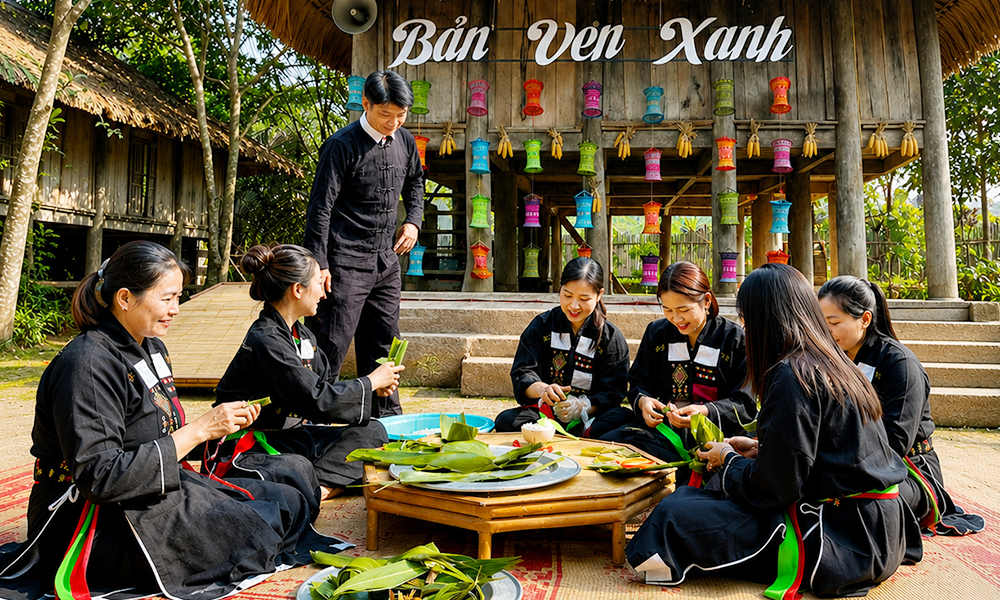
Cao Lan residents in Ven village, Xuan Luong commune, make traditional cakes. |
Bamboo forests, green tea hills, traditional stilt houses and natural surroundings contribute to its appeal. But visitors are also drawn to the daily life and culture of the Cao Lan ethnic community.
More than 90% of the village's 150 households are Cao Lan people, whose traditional clothing, folk songs and customs remain part of everyday life.
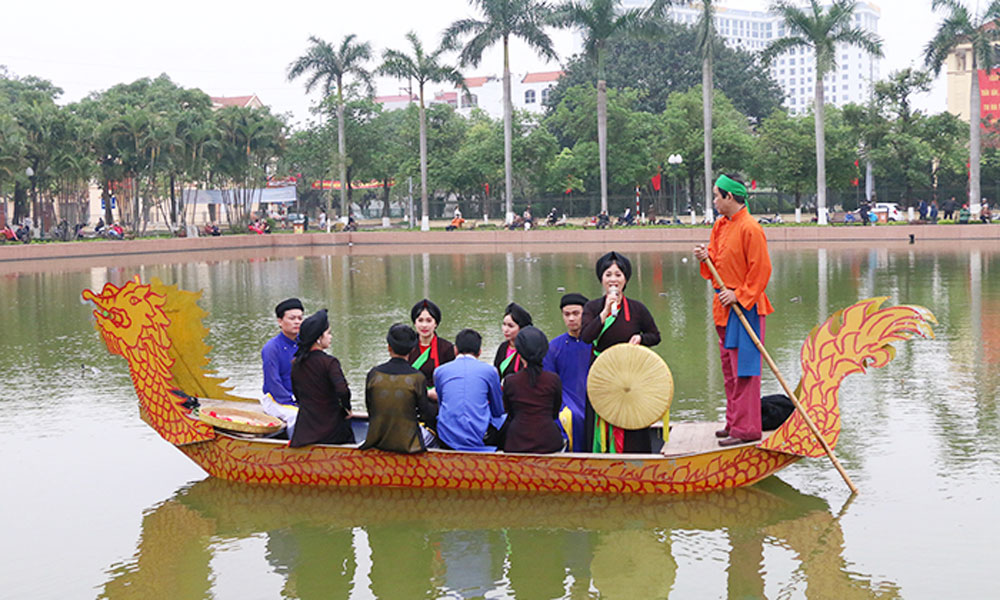
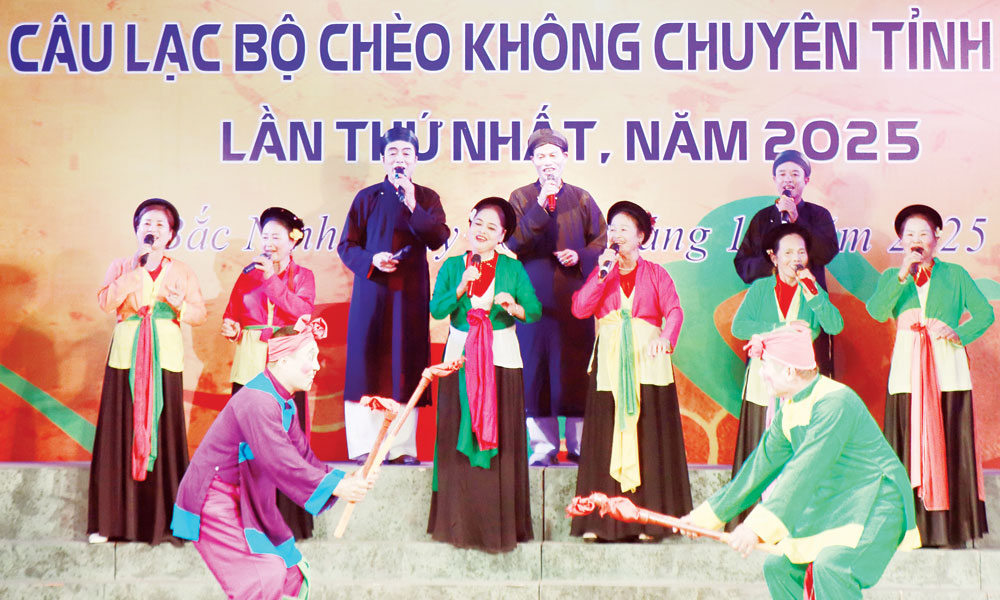
Visitors can camp in bamboo forests, enjoy tea, explore farms, wear traditional costumes, sample local dishes and listen to Sinh ca, a traditional Cao Lan folk singing style.
The Cao Lan Ethnic Singing and Dancing Club in Xuan Luong, established more than five years ago, has around 30 members of different ages.
Its performances introduce visitors to Sinh ca and the community's cultural heritage, bringing traditional music rooted in communal life to a wider audience.
Local cuisine is another attraction, featuring five-colour sticky rice, ant-egg sticky rice, pork stewed with forest leaves, bitter bamboo shoots, stream snails and roast pork prepared with mac mat leaves.
Bui Xuan Tuyen, Director of Ban Ven Xanh Community Tourism Development JSC, said local residents directly participate in performances, cultural introductions, cooking, traditional cake-making and guiding visitors in tea picking. Their involvement is a key part of the village's tourism offering.
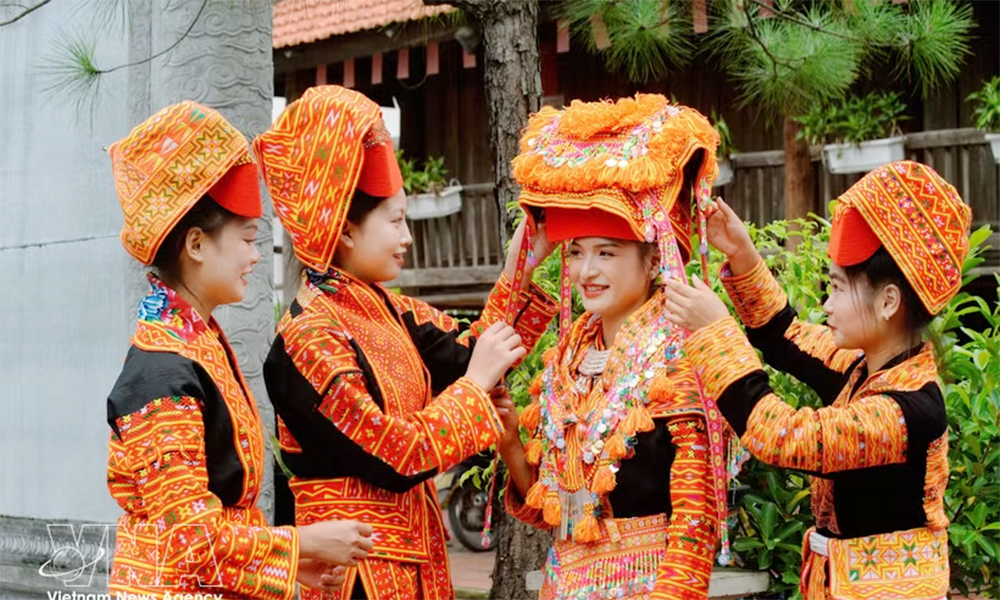
In Mau village, Tay Yen Tu commune, Dao ethnic culture is also being incorporated into tourism through traditional embroidery, costume-making, medicinal herbs and local cuisine.
The Mau Dao Community Tourism Cooperative has nine official members and nearly 100 affiliated members.
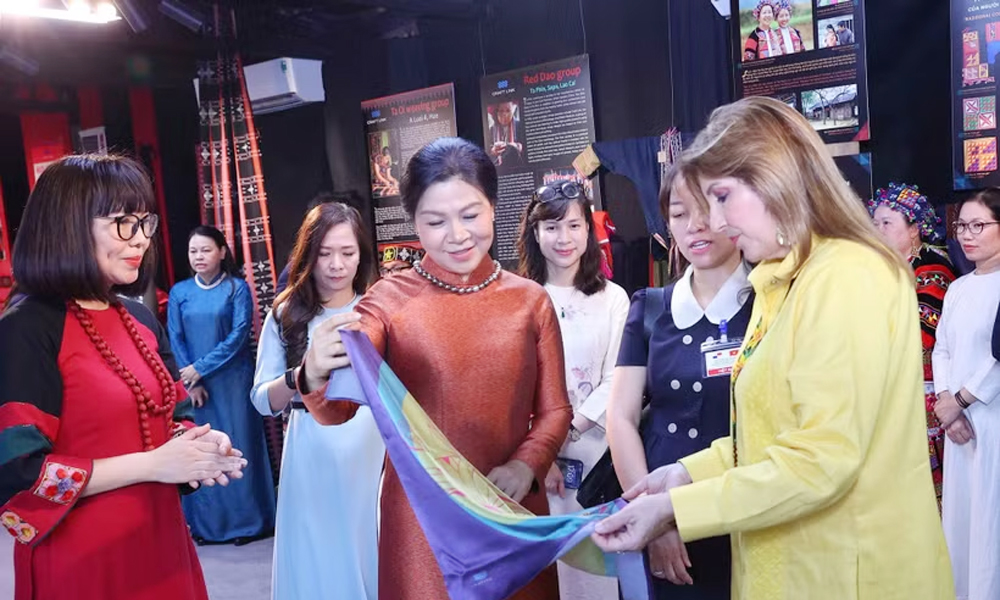
It offers visitors opportunities to try brocade embroidery, wear traditional clothing, sample local food, take medicinal-leaf baths, experience herbal steam treatments and learn about Dao cultural practices.
Across Bac Ninh, community-based and ecotourism models share a common feature: local residents play a direct role in tourism activities. Everyday traditions gain additional value when connected with visitors' interests.
Agriculture is also becoming part of the tourism experience. At the Bau Tien ecotourism site in Kien Lao commune, lakes, grasslands and boat landings are combined with orchards of oranges, pomelos and lychees, as well as other local produce.
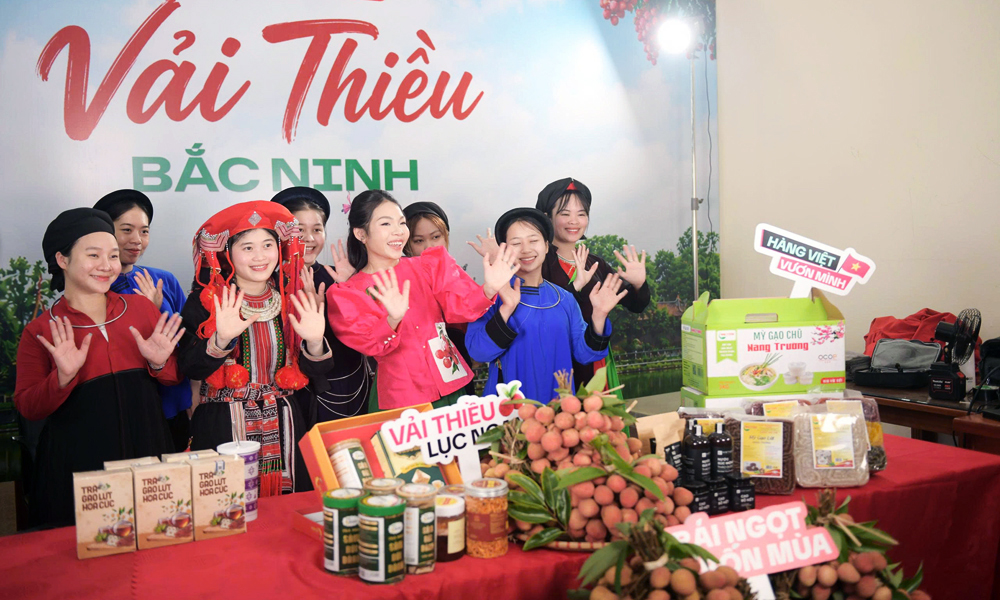
Visitors can tour hillside gardens, sample seasonal fruit and buy local specialties. During lychee season, they can pick, bundle and pack the fruit themselves, learn about processed lychee products and enjoy performances of then singing accompanied by the dan tinh, a traditional string instrument.
 |
|
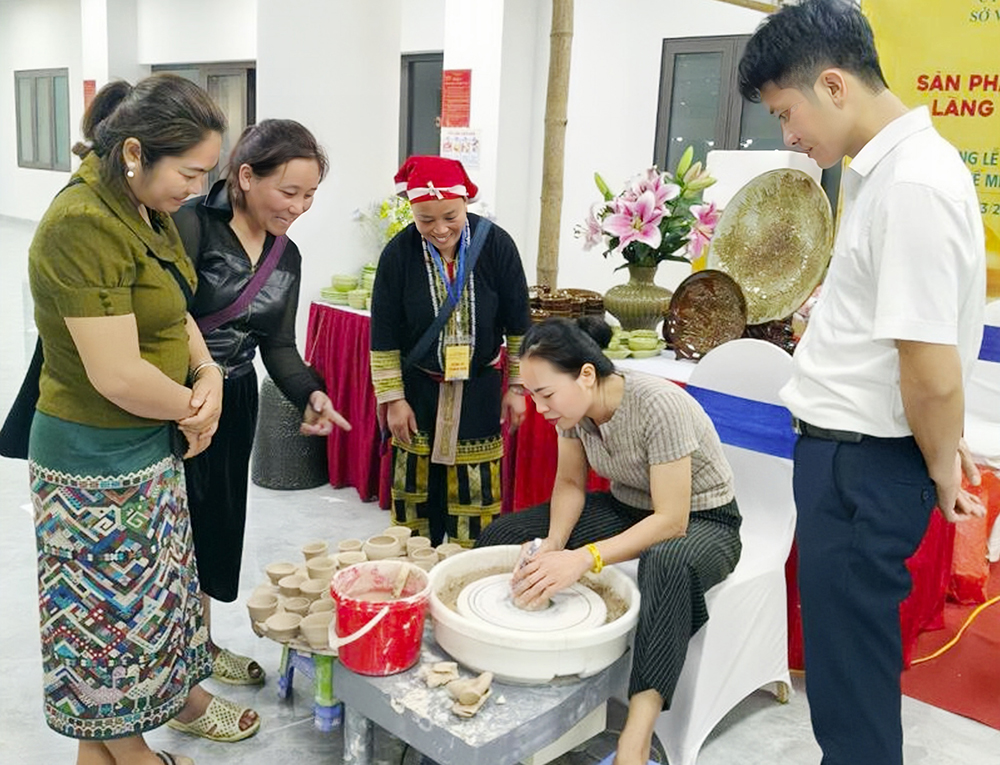
Artisans in Phu Lang pottery village guide visitors in shaping clay. |
At the Dong Ho Folk Painting Conservation Centre in Thuan Thanh ward, visitors can learn about the history of the craft, explore materials and techniques, watch artisans carve woodblocks and print their own paintings.
In Phu Lang pottery village, Phu Lang ward, they can discover traditional ceramic-making processes, try different production stages and explore locally made products.
These experiences give traditional crafts new opportunities to reach customers while offering tourists a deeper connection with the region's people and heritage.
The models demonstrate that community-based tourism can draw its appeal from folk music, distinctive cuisine, handmade crafts and rural landscapes.
By participating in tourism and benefiting economically, local residents gain an added incentive to preserve their cultural identity and pass their heritage on to future generations.









Reader's comments (0)