 Bắc Ninh


Bac Ninh’s collective economy faces new opportunities, great challenges
BAC NINH - Bac Ninh city boasts numerous traditional craft villages and thriving agricultural, forestry, fisheries and service sectors. With more than 2,000 cooperatives and hundreds of cooperative groups, the local collective economy is playing an increasingly prominent role in organising production, creating jobs, raising incomes and supporting new-style rural development.
Bac Ninh is now home to more than 2,000 cooperatives with approximately 108,000 members, of which nearly 1,700 are operating. It also has six cooperative unions with 35 member cooperatives and 525 cooperative groups.
 |
|
Ngo Tan Phuong, Vice Chairman of the Bac Ninh City People’s Committee and Head of the Steering Committee for Collective Economic Development, visits and holds a working session at Binh Minh Cooperative in Hiep Hoa Ward. |
In agriculture, the city has more than 1,400 cooperatives, up 27 from 2025, with nearly 81,000 members and 4,800 regular workers. The figures underscore the continued importance of cooperatives as a model for organising rural production.
Many cooperatives are also diversifying their operations. Around 500 agricultural cooperatives participate in production, processing and product distribution linkages, while 100 have adopted high-tech application, including greenhouse and net-house systems, automated irrigation and fertilisation, environmental monitoring and automation in livestock farming.
 |
|
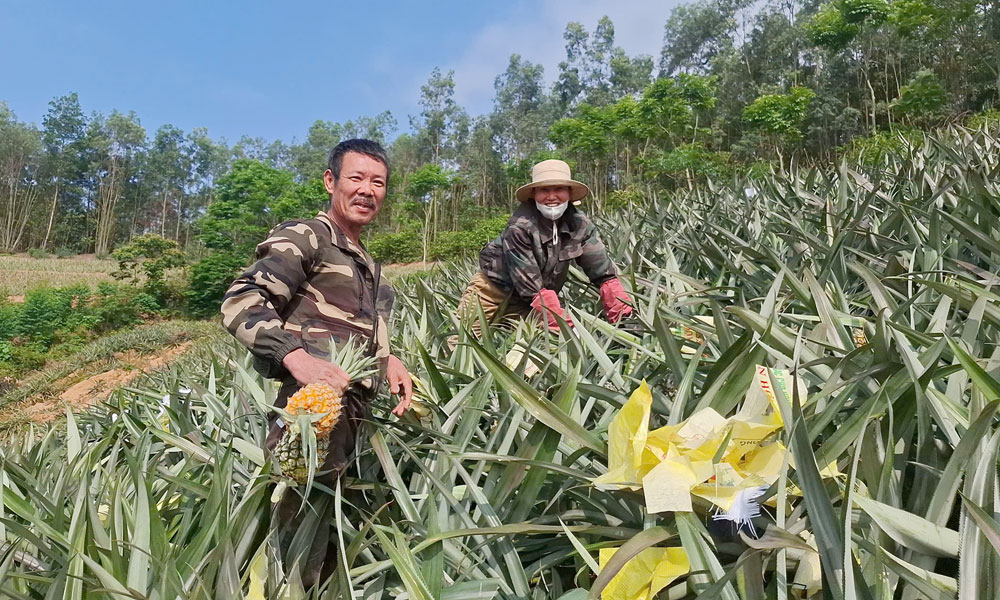
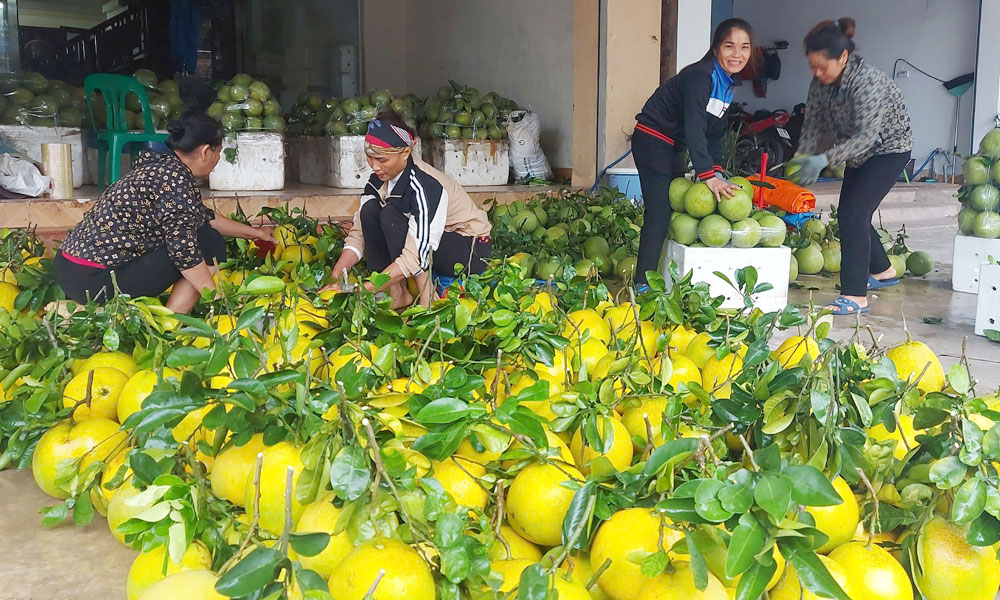
Pineapples are harvested at Huong Son Clean Pineapple Cooperative in Kep ward. |
Cooperatives are increasingly linked to the One Commune One Product (OCOP) and new-style rural development programmes. By the end of 2026, a total of 186 cooperatives had 373 products certified under the OCOP programme at three stars or above.
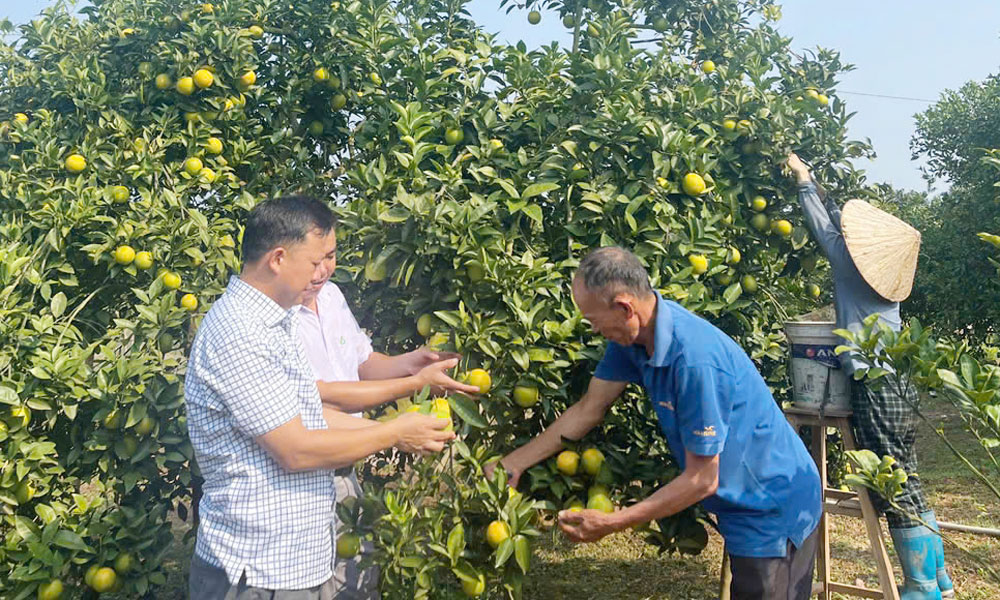
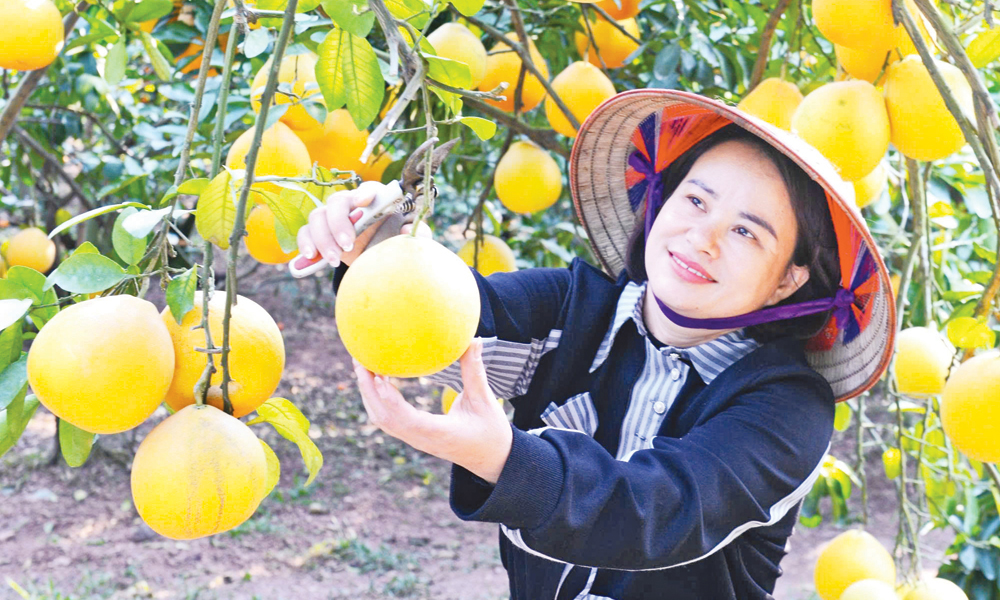
Many have developed products based on local strengths, including honey, clean vegetables, lychees, custard apples, guavas, pineapples, Yen The hill chickens and Danh mountain ginseng.
In non-agricultural sectors, Bac Ninh has 642 cooperatives with nearly 24,000 members. These include 298 cooperatives in industry, handicrafts and construction; 56 in transport and transport support services; 170 in trade, services and market management; and 118 in environmental services and electricity.
By diversifying services and adopting advanced technologies in production and business operations, these cooperatives are improving efficiency, safeguarding members' interests and contributing to state budget revenues.
The figures show that the collective economy is no longer confined to agriculture but has expanded into multiple areas of social life.
From agricultural production and processing to transport, environmental services, trade, tourism and other sectors, many cooperatives are moving early to develop business models that meet market demands.
Notably, whereas many cooperatives previously focused on supplying production inputs or providing basic services to members, more are now organising commercial production, controlling product quality, ensuring traceability, building brands and expanding market access.
 |
|
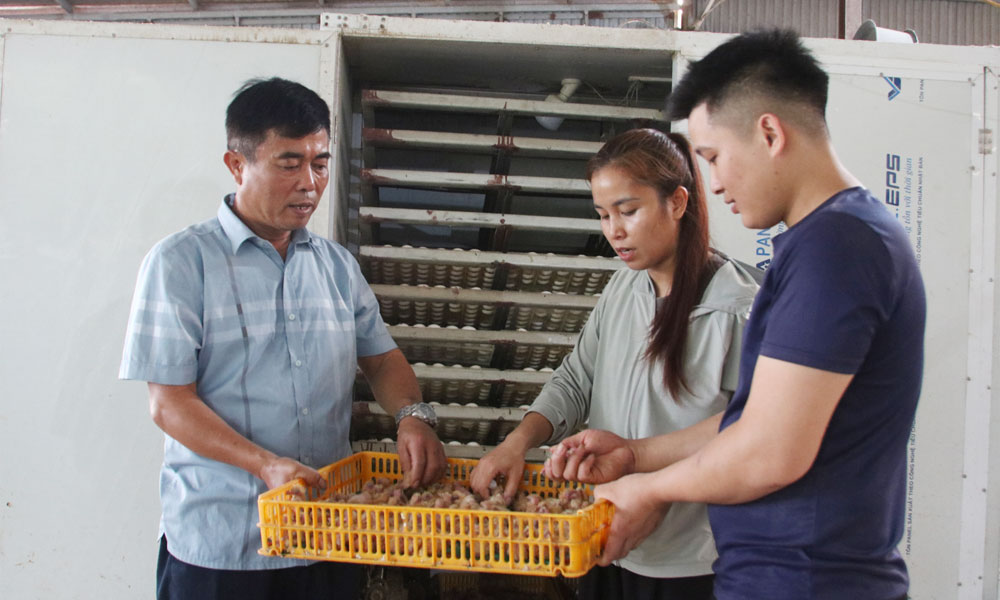
Vu Van Nghien, Director of Tan Dan Cooperative in Tan An ward, inspects newly hatched French pigeons using an automated egg-incubation system. |
Some have adopted more professional production models that align products with market demand. Examples include Son Dong Organic Honey Cooperative, Yen Dung Clean Vegetable Cooperative, Phuc Hoa Early-Ripening Lychee Cooperative, Binh Minh Organic Agriculture Cooperative and Viet Ket Medicinal Plants Cooperative.
According to local authorities, Bac Ninh has 100 cooperatives using high technology and 259 agricultural cooperatives linked with businesses through value chains.
Average annual revenue stands at 2.9 billion VND (112,168 USD) per cooperative, while each cooperative union generates an average of 14 billion VND a year.
Meanwhile, the emergence of Cooperative 4.0 models, high-tech agricultural startups and digital transformation support initiatives is opening up new development opportunities, helping cooperatives strengthen competitiveness and better adapt to market volatility.









Reader's comments (0)