 Bắc Ninh


Bac Ninh strengthens position on Vietnam's growth map
BAC NINH - Bac Ninh's establishment as a centrally run city marks more than a change in administrative status, reaffirming its strategic position on Vietnam's national growth map. The province is building its development model around foreign direct investment (FDI) and high technology, with logistics as a key link, special policies as a growth lever and green urban development as a long-term goal.
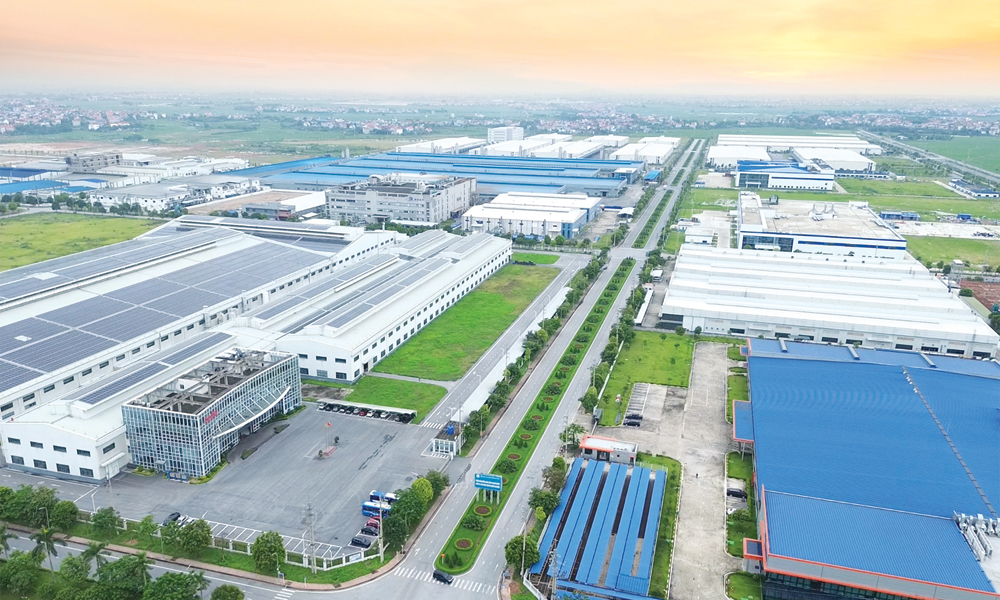
Unlike some cities that spend years seeking investors, Bac Ninh enters its new city model as one of Vietnam's major industrial production and export centres.
 |
|
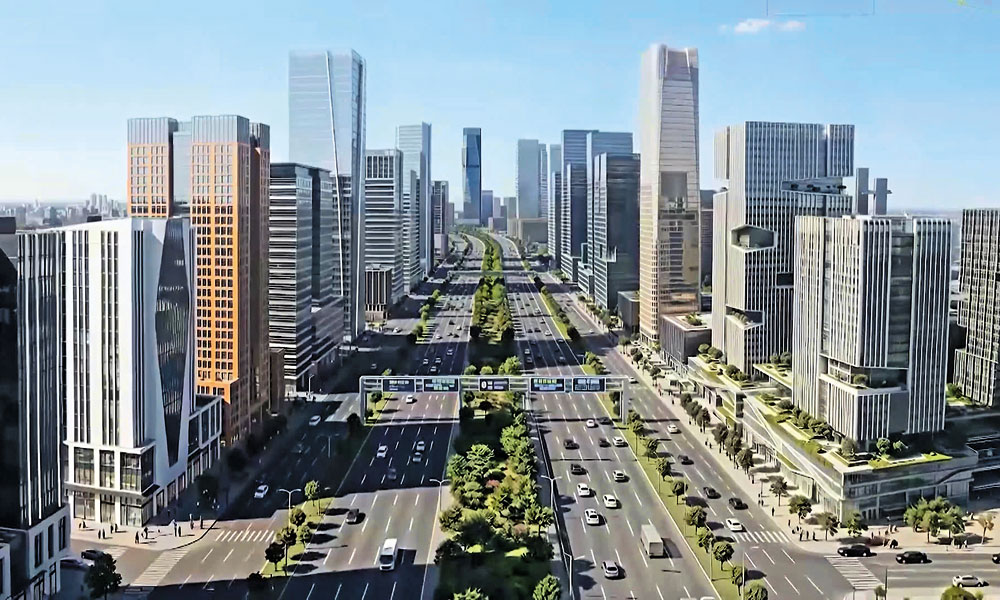
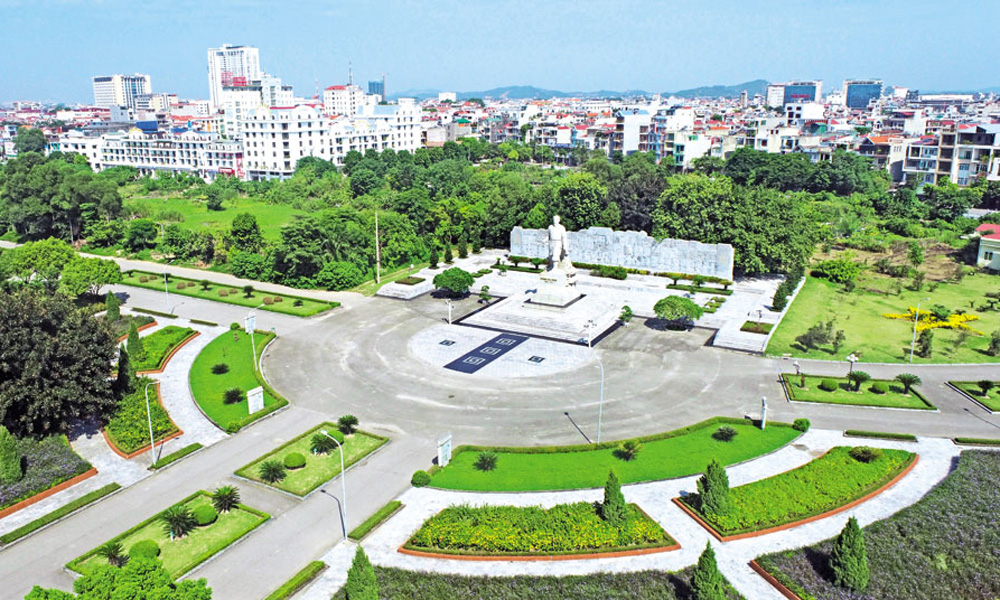
Perspective view of Bac Ninh urban area in 2050, with a vision to 2075. |
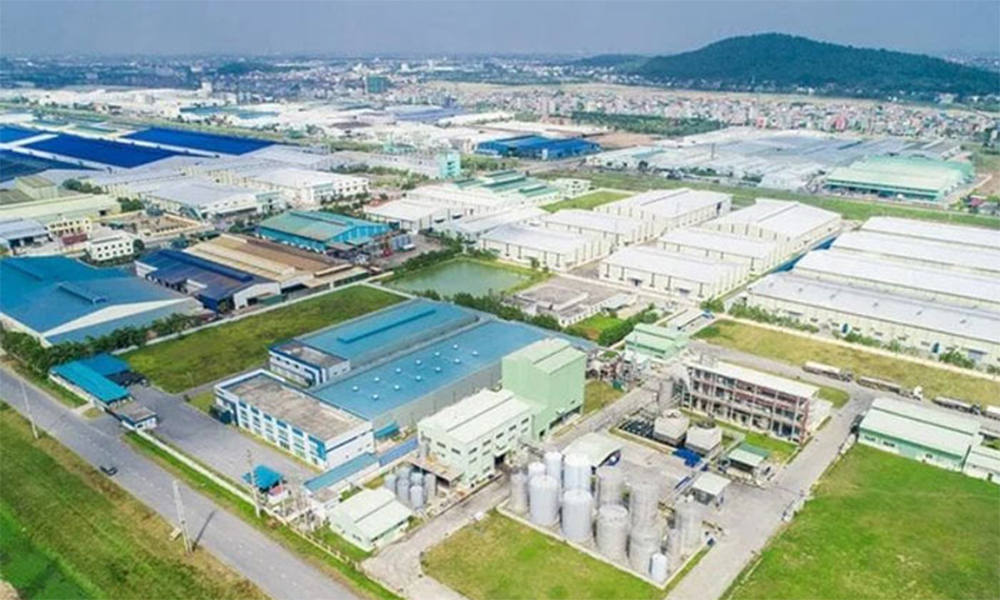
Its industrialisation strategy has helped accelerate economic growth, making the province a growth pole in northern Vietnam and the Capital Region, as well as an important link in the region's high-tech landscape.
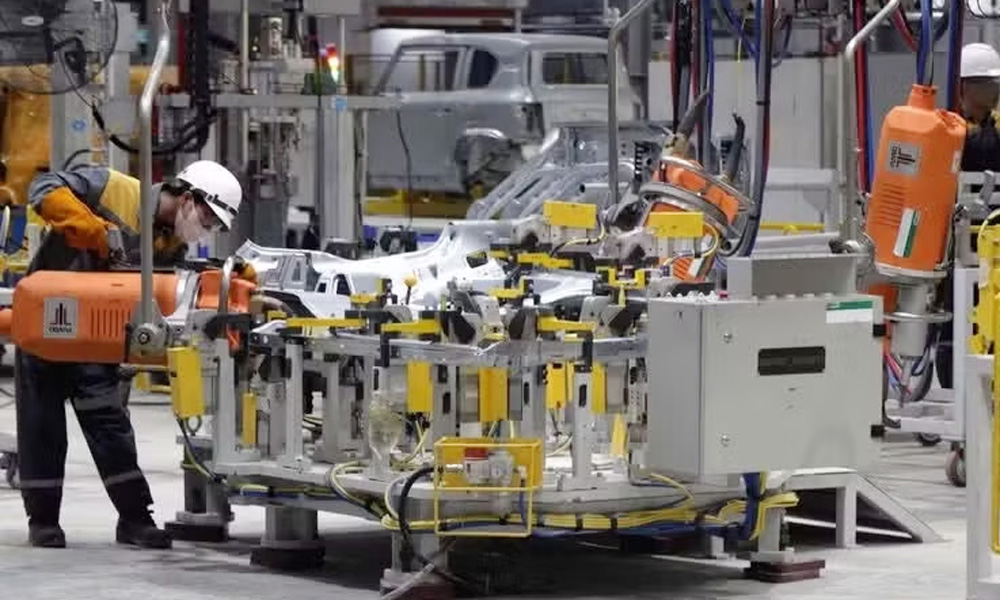
The continued presence and expansion of multinational groups including Samsung, Amkor, Canon, Foxconn, Goertek, Luxshare ICT, Hanwha, Sungwoo and Victory Giant have helped position Bac Ninh within global supply chains.
Cumulative investment in the province has reached about 98.9 billion USD, including nearly 52 billion USD in FDI from more than 3,670 active projects.
The investment base has supported local supply chains and economic growth. The province's economy expanded 10.56% in the first half of 2026, with a target of 12.5% for the full year. The digital economy accounted for 46.3% of GRDP, the highest share in Vietnam.
Total import and export turnover reached 152.5 billion USD in the first eight months of 2026. Exports led the country at more than 75.48 billion USD, up 31.84% from a year earlier, while state budget revenue reached nearly 65 trillion VND (2.5 billion USD).
Public investment disbursement stood at 83.35% of the annual plan assigned by the Prime Minister. The province is developing an integrated urban transport infrastructure system as a foundation for a breakthrough and its transformation into a city.
Bac Ninh is also shifting from large-scale manufacturing towards higher-value investment, prioritising projects with high knowledge content, clean technology and greater added value.
According to economic experts, the shift will help Bac Ninh maximize technology spillovers from the FDI sector into the domestic economy and tap the potential of FDI beyond manufacturing.
An investment promotion campaign built around the consistent message “Bac Ninh City - High-tech gateway of the Capital Region” will be key to shortening decision-making cycles for major technology groups.
 |
|
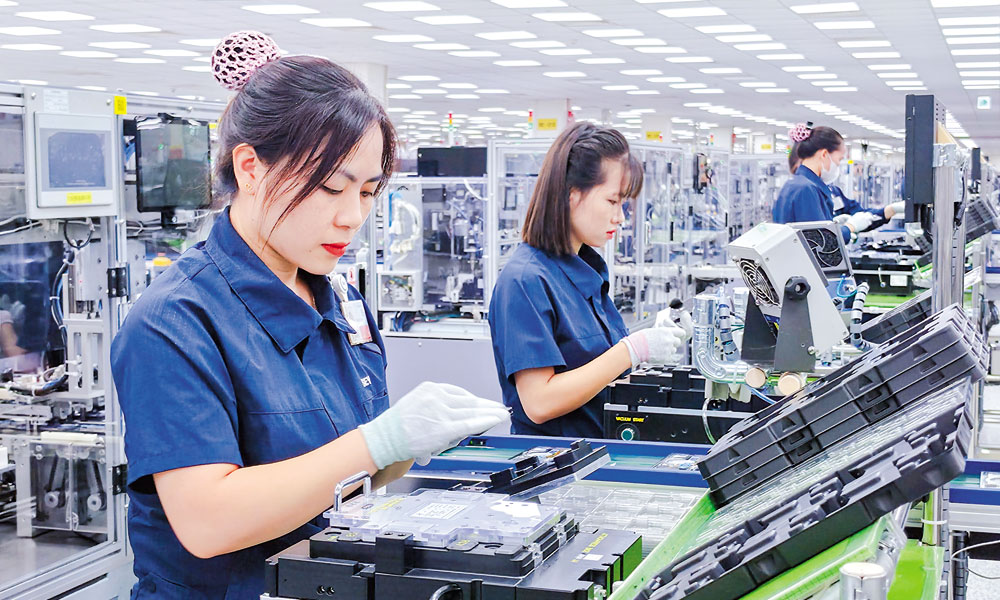
The smart phone production line at Samsung Electronics Vietnam Company Limited in Yen Phong Industrial Park I in Bac Ninh province. |
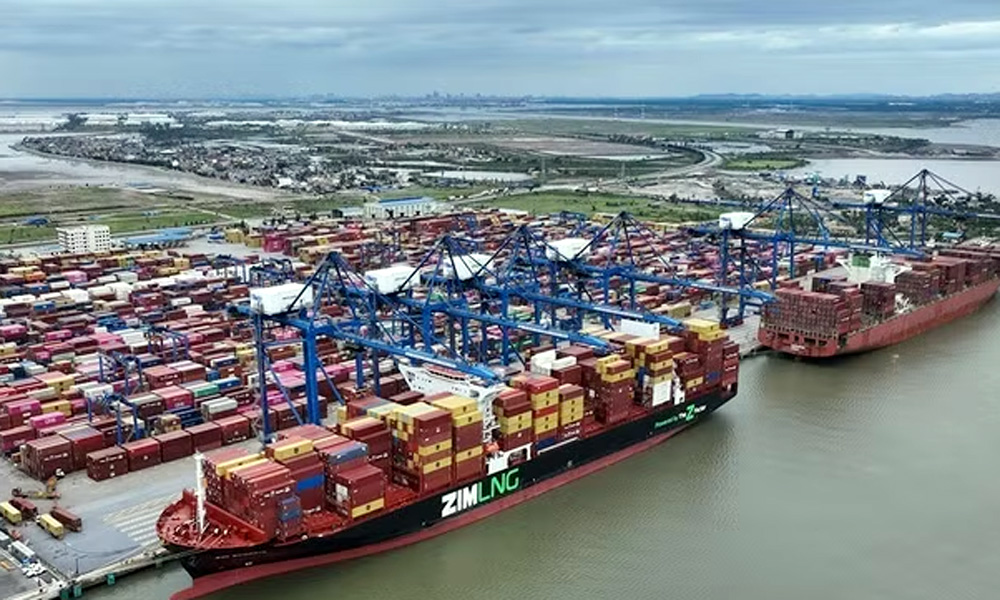
The province's competitive advantages centre on location, infrastructure and cultural identity. Located along the Hanoi-Hai Phong-Quang Ninh economic corridor, Bac Ninh has favourable conditions for logistics.
Gia Binh International Airport, highways, ring roads and high-speed rail are expected to strengthen regional connectivity, while UNESCO-recognised Quan ho folk singing and a network of heritage sites support the development of cultural industries.
Urban planning expert Doan Trong Tuan said these advantages could support both near-term economic development and the formation of an urban area with a population of more than 10 million by 2075.
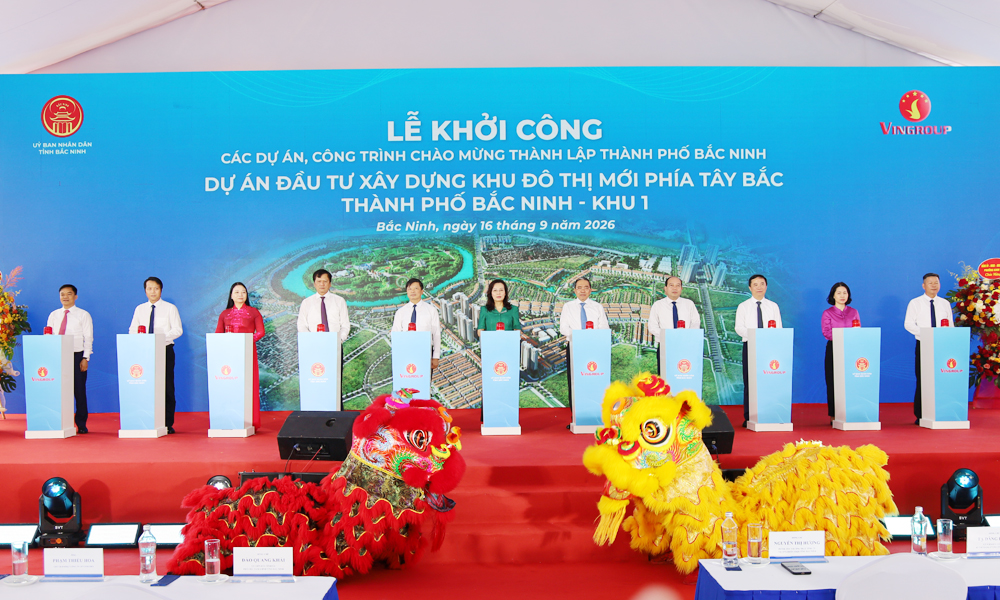
The transition to a centrally governed city opens a new phase for Bac Ninh, with the province seeking to consolidate its role as a northern growth pole and contribute to national economic growth.





Reader's comments (0)