 Bắc Ninh


Vietnam targets 48 billion USD in textile-garment exports
Experts said the 48-billion-USD target should also be viewed as an opportunity for Vietnam's garment and textile industry to improve productivity and increase value added for more sustainable competitiveness.
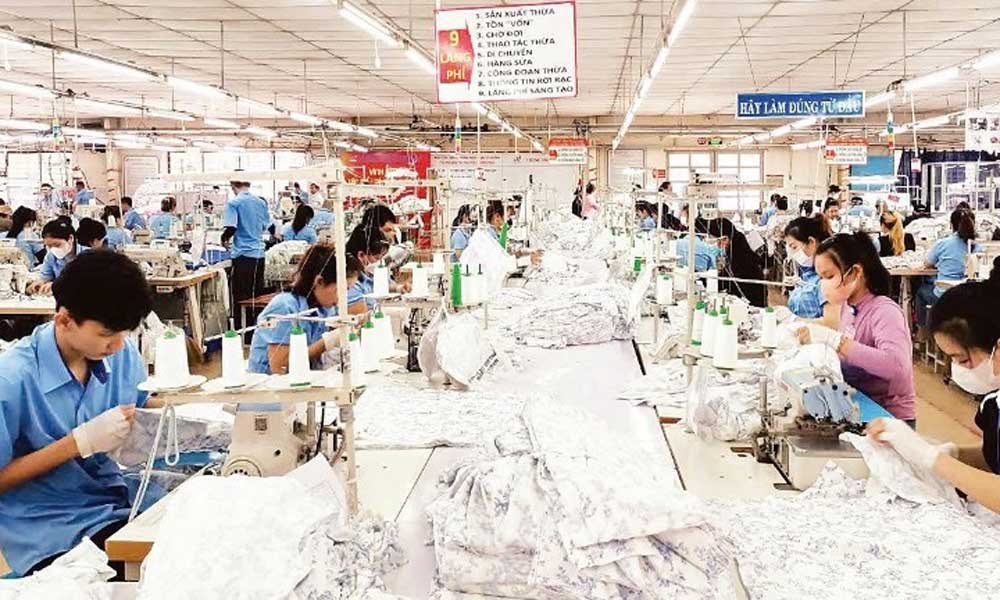
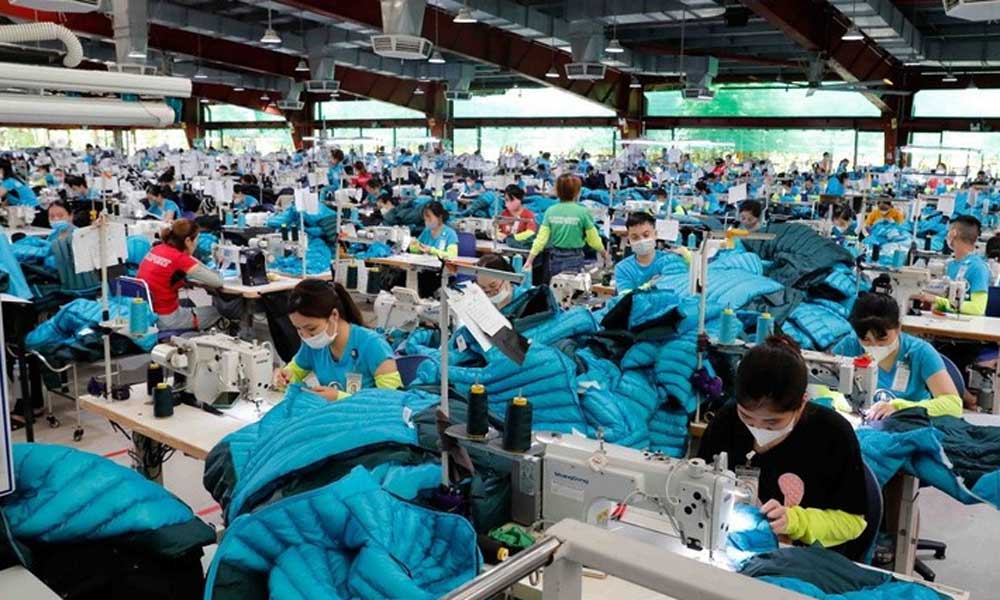
Vietnam’s textile and garment industry is facing both opportunities and challenges amid complex and unpredictable developments in the global market, prompting businesses to improve growth quality, optimise production costs and enhance adaptability in pursuit of an export turnover of about 48 billion USD in 2026.
 |
|
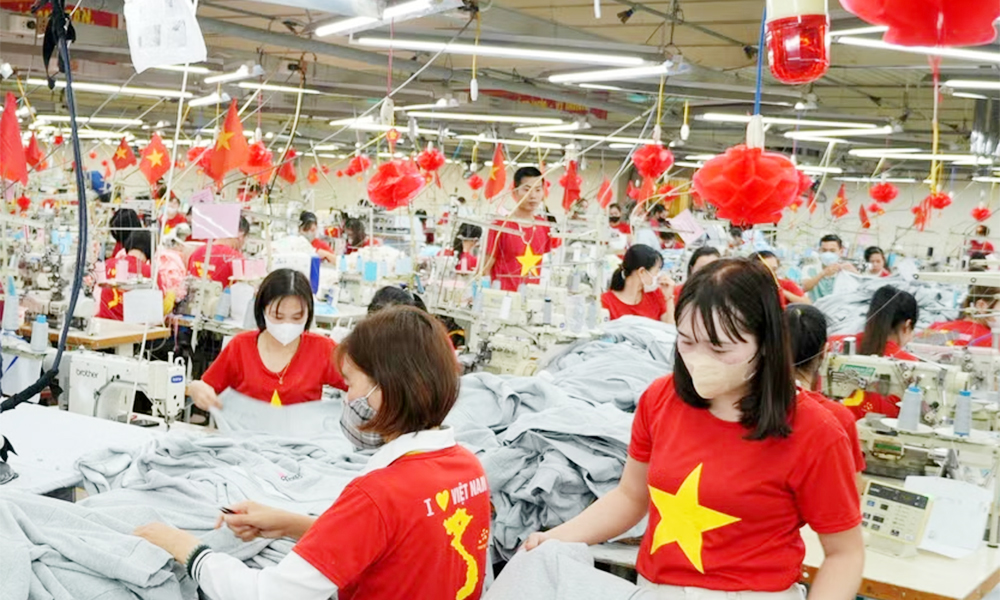
Workers check quality of products before packaging. (Photo: VNA) |
The target is considered an important milestone that requires concerted efforts from management agencies and the business community. Companies are taking measures to retain existing orders, seek new partners and diversify export markets.
Truong Van Cam, Vice Chairman of the Vietnam Textile and Apparel Association (VITAS), said the industry is being significantly affected by changes in trade policies and tariff barriers in major consumer markets.
The US, Vietnam’s largest textile and garment export market, currently imposes a 12.5% tariff on Vietnamese textile and garment products, putting Vietnamese exporters at a disadvantage compared with some rivals subject to a 10% rate.
Cam noted that the challenge goes beyond the 2.5 percentage-point tariff difference, as higher production and logistics costs could affect selling prices, order retention and export market share.
Businesses are also facing rising prices of raw materials, supplies and production equipment, along with higher transportation and logistics costs.
Delays in the delivery of fabrics and other input materials have further disrupted production schedules and affected delivery deadlines.
Orders for the final months of the year have become increasingly differentiated. While some companies have secured orders through September or October, and some knitwear producers have sufficient orders to maintain production through the end of the year, many garment manufacturers have yet to finalise fourth-quarter orders as expected.
Against this backdrop, businesses are shifting from pursuing output volume to prioritising higher-value orders with suitable commercial terms and greater production efficiency.
Meanwhile, increasingly stringent technical and sustainability requirements in demanding markets such as the EU and the US, including those related to labour standards, traceability, ESG practices, green production, circular economy and carbon emissions reduction, are becoming important conditions for maintaining and securing orders.
VITAS statistics show that textile and garment exports reached nearly 31.7 billion USD in the first eight months of 2026, up 2.9% year-on-year.
To cope with market pressures, the industry is stepping up trade promotion, participating in major international trade fairs, accelerating digital transformation, improving product quality, strengthening control over input materials and increasing value added.
Tran Van Quy, General Director of Trung Quy Textile and Garment Co. in Ho Chi Minh City, said the company has secured orders through the end of the year, adding that effective cost control combined with product quality will enable businesses to remain adaptable.
Experts said the 48-billion-USD target should also be viewed as an opportunity for the industry to improve productivity and increase value added for more sustainable competitiveness.






Reader's comments (0)