 Bắc Ninh


Charging infrastructure key to Vietnam's electric mobility transition
To date, the Ministry of Industry and Trade, in coordination with the Ministry of Science and Technology, has issued 18 standards and regulations related to charging stations, charging equipment and batteries.
The rapid growth of the electric vehicle (EV) market is driving an urgent need for a modern, integrated charging infrastructure capable of keeping pace with the rising adoption of green transportation, prompting both policymakers and businesses to accelerate efforts to strengthen regulations, expand public charging networks, and advance a sustainable mobility ecosystem.
 |
|
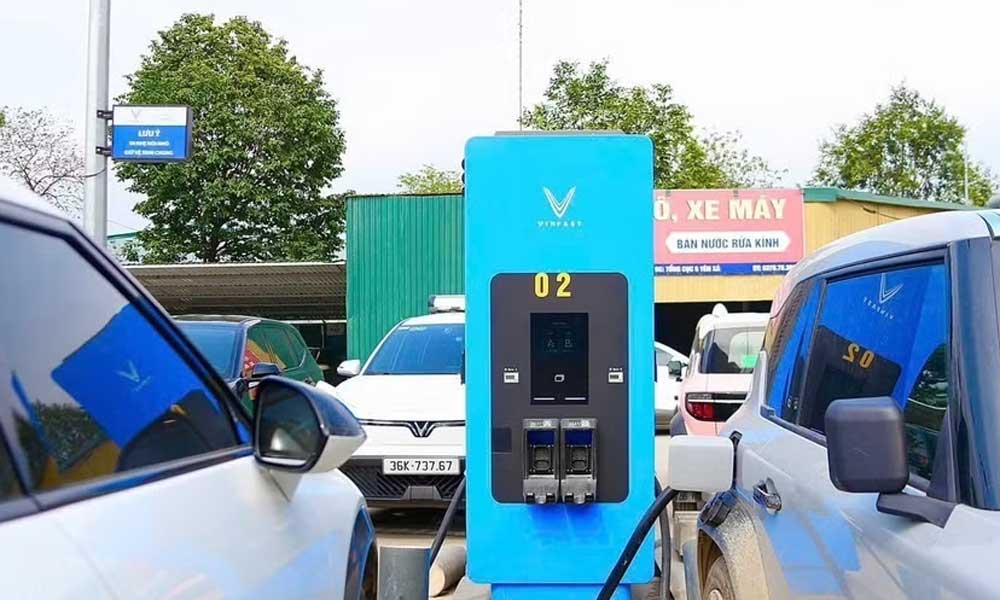
Electric cars are charged at a kiosk of VinFast. |
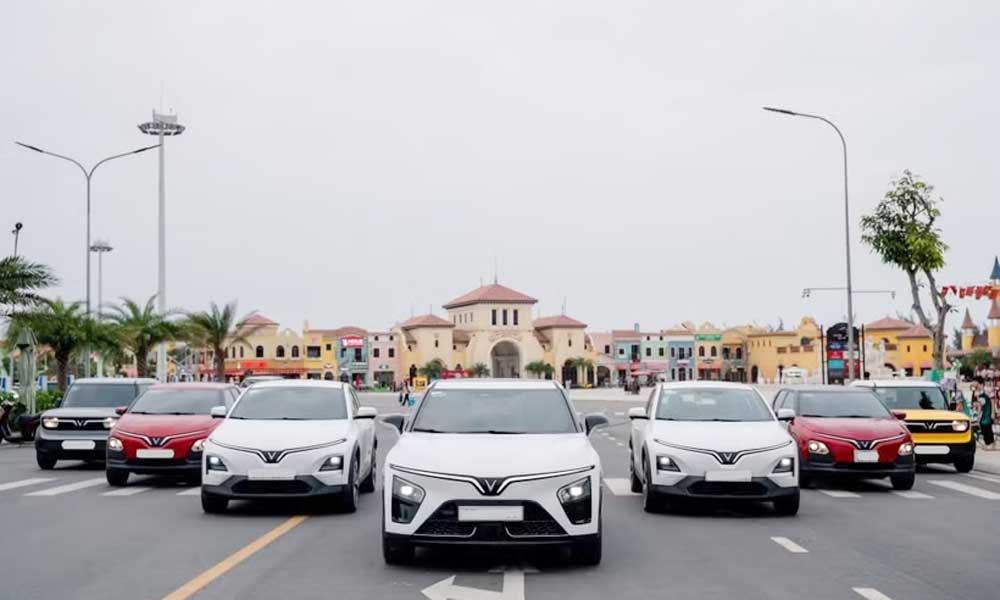
According to data released by VinFast, the company delivered 78,458 electric cars in the first four months of 2026, up 75.56% year-on-year, maintaining its position as Vietnam's best-selling automobile brand for the 19th consecutive month.
Industry experts said charging infrastructure is becoming increasingly important as EV adoption gains momentum nationwide.
Pham Van Quan, Deputy Director of the Industry Agency under the Ministry of Industry and Trade, said EVs are helping shape a new industrial sector, making the development of synchronised infrastructure, technical standards and regulatory frameworks essential for sustainable growth.
To date, the Ministry of Industry and Trade, in coordination with the Ministry of Science and Technology, has issued 18 standards and regulations related to charging stations, charging equipment and batteries.
The Government is expected to further complete the legal framework for the sector this year.
Despite progress, challenges remain, particularly in investment procedures, power supply, construction requirements and urban planning.
Land availability for charging stations is emerging as a major issue in large cities as EV ownership continues to rise.
Hanoi is among the localities leading the green transport transition.
According to Nguyen Quang Huy, deputy head of the Transport Management Division under the municipal Department of Construction, around 60% of the city's more than 14,300 licensed taxis have already switched to electric vehicles.
The capital aims to convert its entire taxi fleet to electric or environmentally friendly vehicles by 2030 and is reviewing approximately 110 potential sites for public charging stations. Authorities are also studying common criteria for charging facilities and considering incentives to encourage private-sector investment.
Meanwhile, VinFast and its partners have developed a nationwide network of 150,000 charging ports for electric cars and motorcycles.
The company has also deployed 99 super-fast charging stations capable of serving up to 100 vehicles simultaneously, reducing the charging time to about 15 minutews, and invested in 150,000 battery-swapping cabinets across the country.
For electric motorcycles, public battery-swapping networks are considered a key solution to enhance convenience and improve the overall user experience.
An expert named The Dat noted that Vietnam's electric motorcycle market has grown into the world's third largest, behind only China and India.
He forecast that electric motorcycle sales could reach 1.2–1.3 million units this year, representing a 150% increase from last year. However, as the market expands, charging infrastructure and parking availability remain key concerns for many consumers.
“Many apartment buildings still prohibit electric motorcycles from being parked in basements or restrict battery charging, making residents hesitant to switch to electric vehicles. Therefore, additional incentives are needed, such as exemptions from registration and ownership fees, preferential parking arrangements, and the expansion of battery-swapping stations and public charging networks to make usage more convenient for consumers,” Dat said.
According to experts, consumers’ concerns highlight that the growth of electric vehicles depends not only on pricing and incentive policies but also on the capacity of urban infrastructure to support widespread adoption.
Looking ahead, the pace of EV market expansion will largely hinge on the development of charging infrastructure, the consistency of support policies, and the readiness of the national energy system.
A comprehensive, safe, and convenient public charging network will be essential to boosting consumer confidence and accelerating Vietnam’s transition to green transportation in the years ahead, they stressed.












Reader's comments (0)