 Bắc Ninh


Deputy PM calls for more effective land use to drive national development
Priority land allocations in the coming years will be directed toward modern infrastructure development, industrial parks, economic zones, logistics hubs, strategic transport projects, major urban areas and key energy projects.
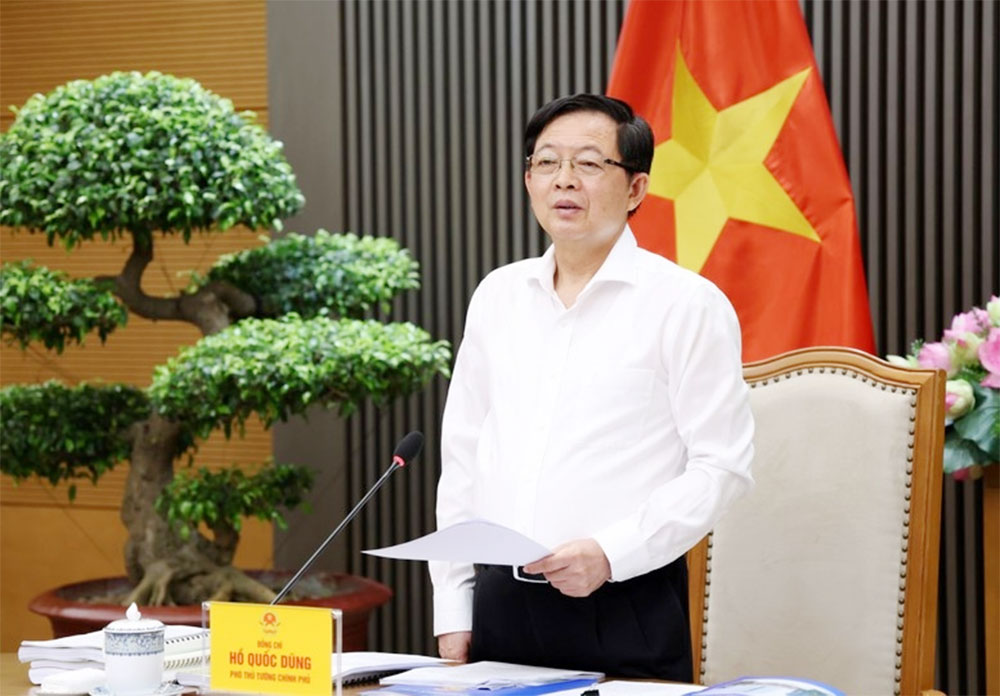
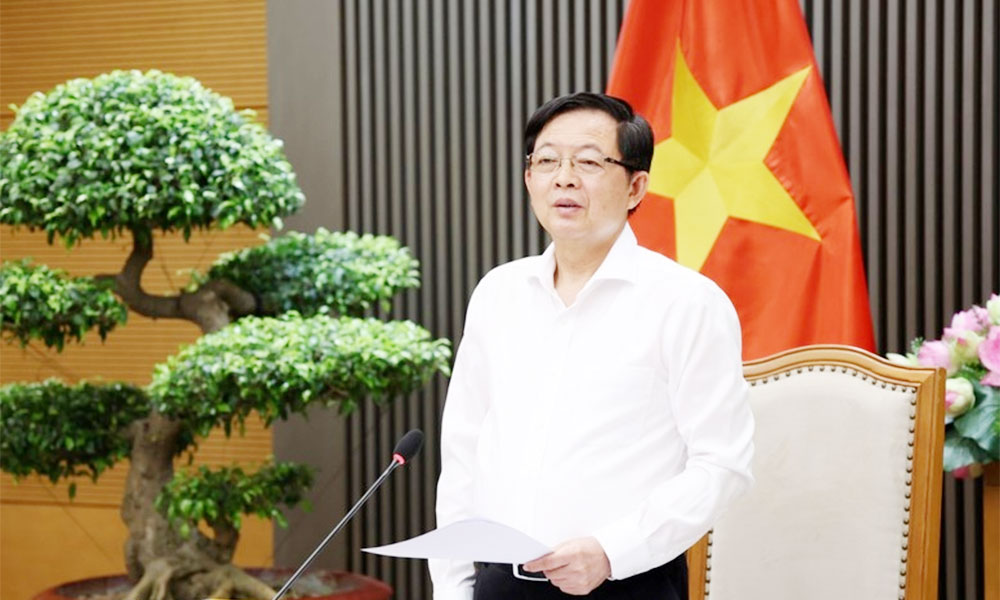
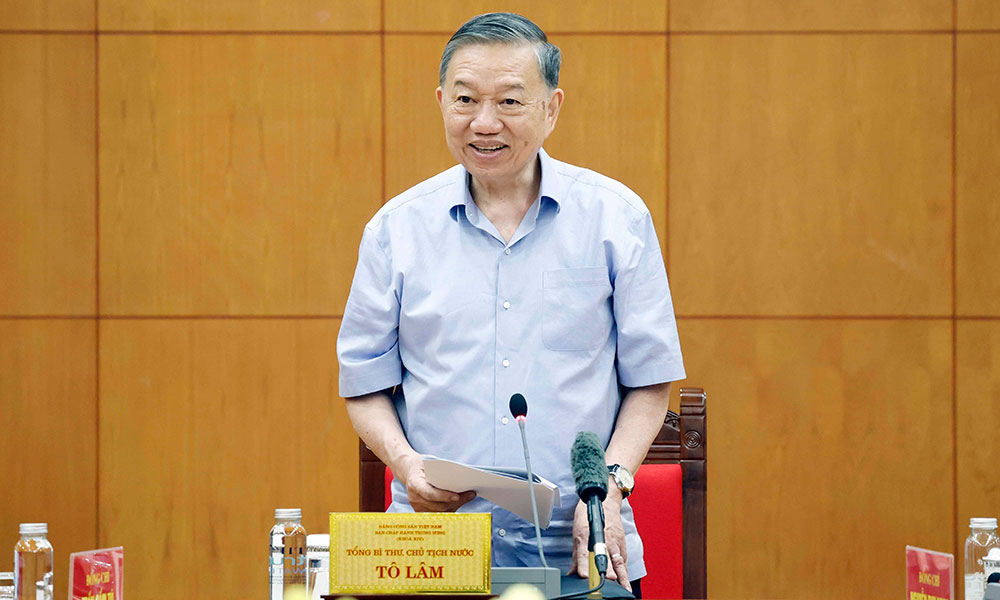
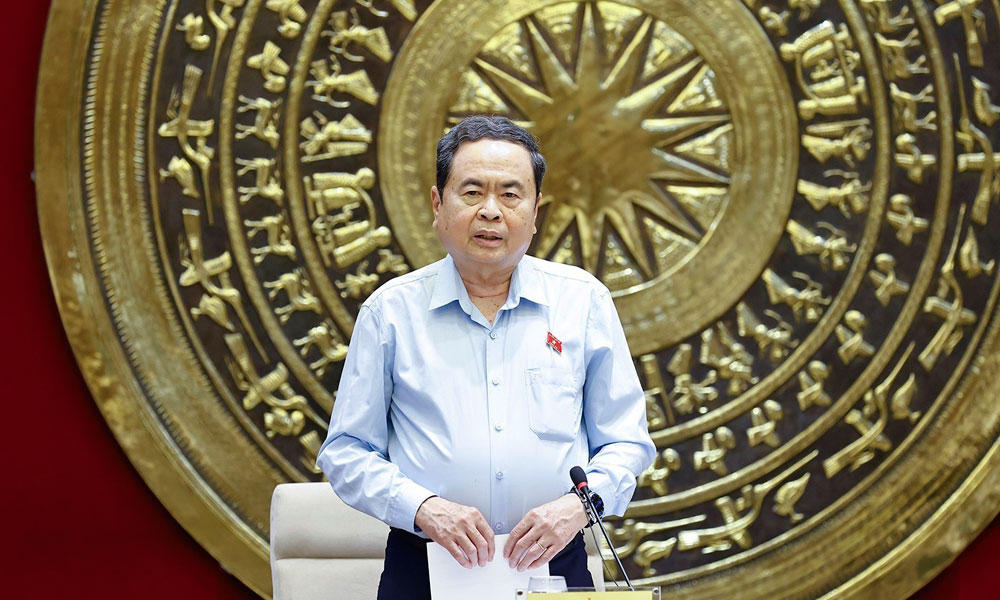
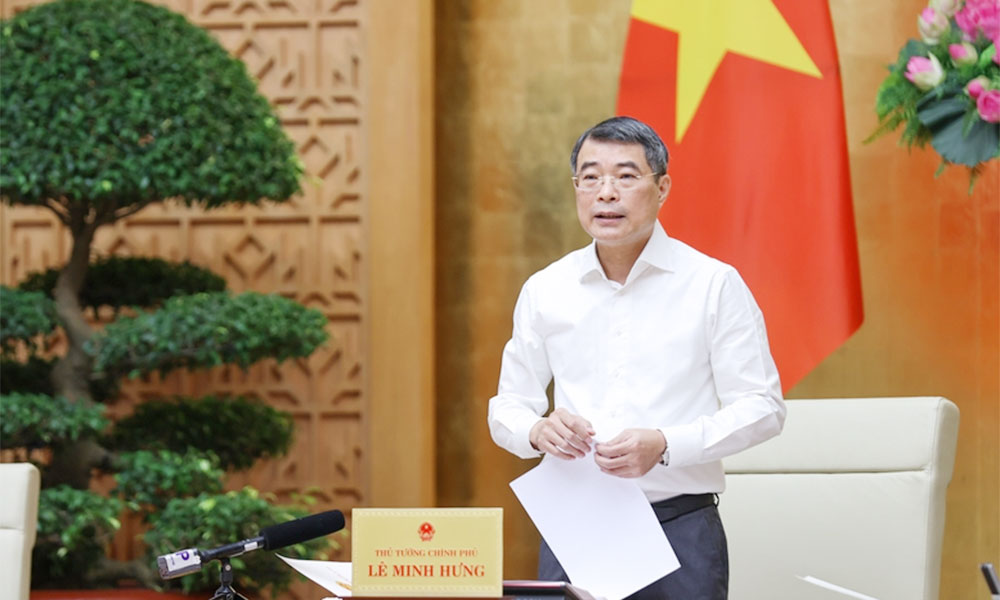
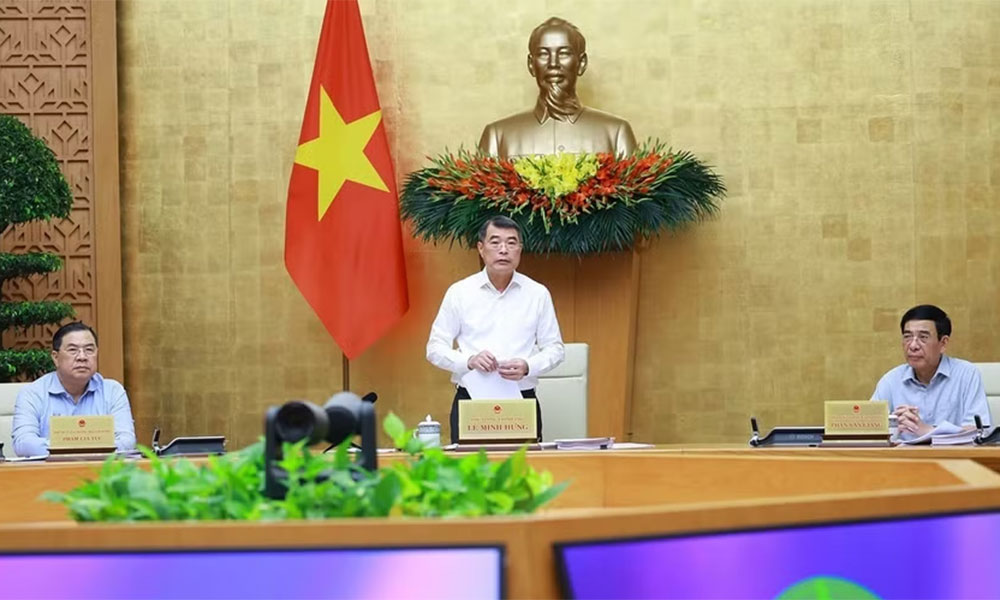
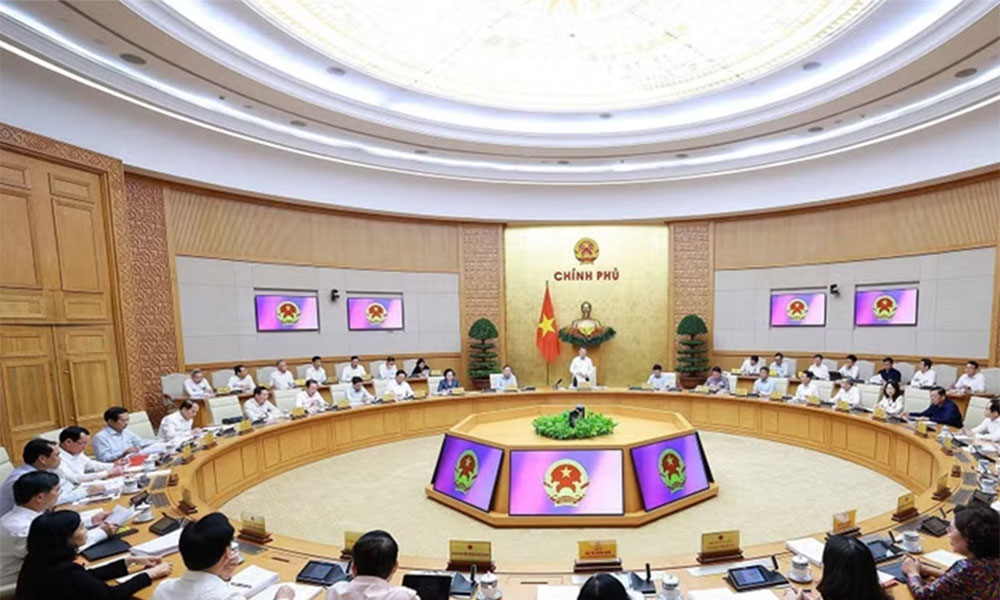
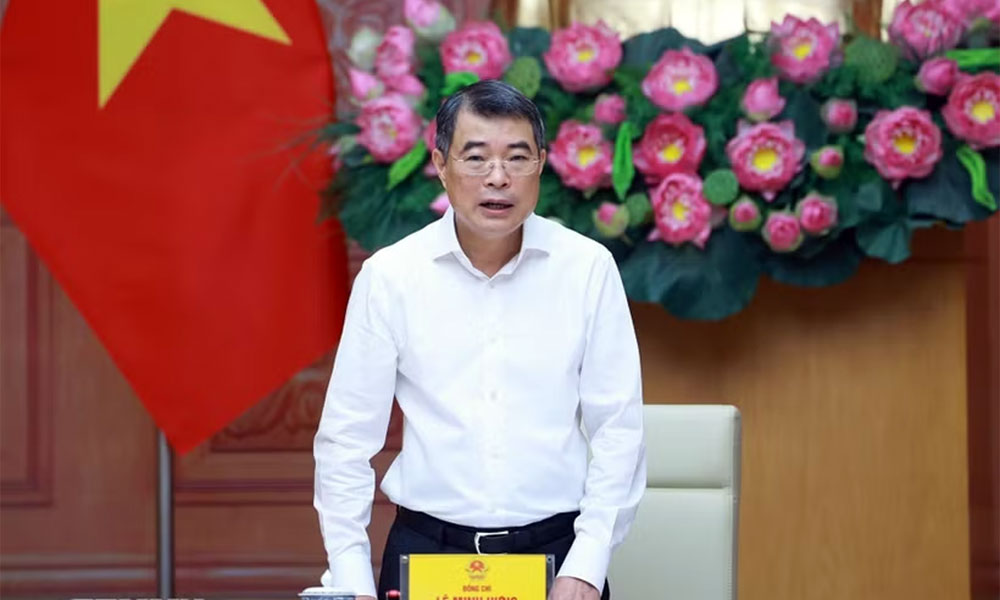
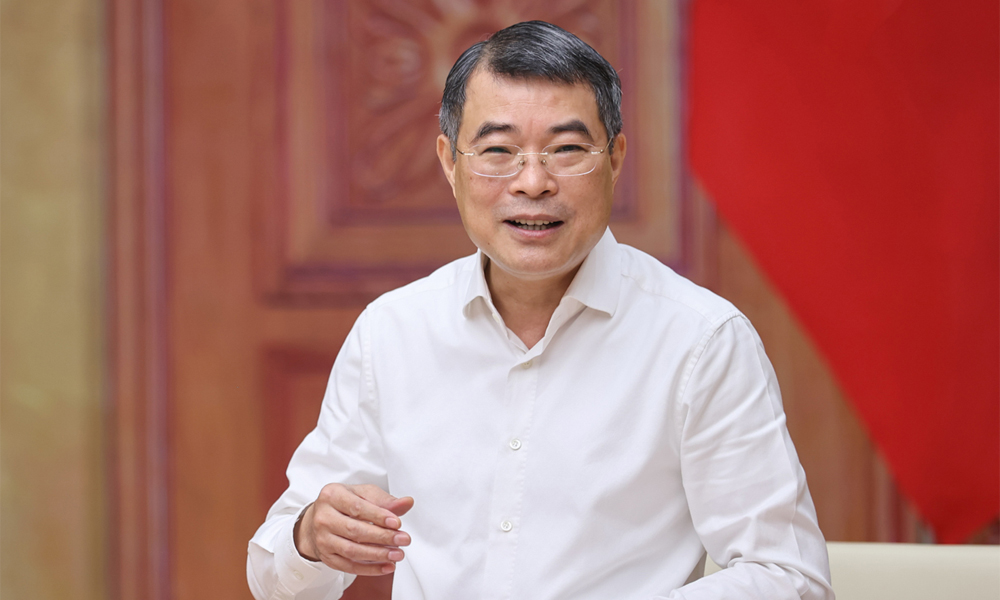
Deputy Prime Minister Ho Quoc Dung chaired a meeting in Hanoi on June 22 to appraise revisions to the National Land Use Planning for 2021–2030 with a vision to 2050, stressing the need to put land resources into practical and efficient use to support sustainable development.
 |
|
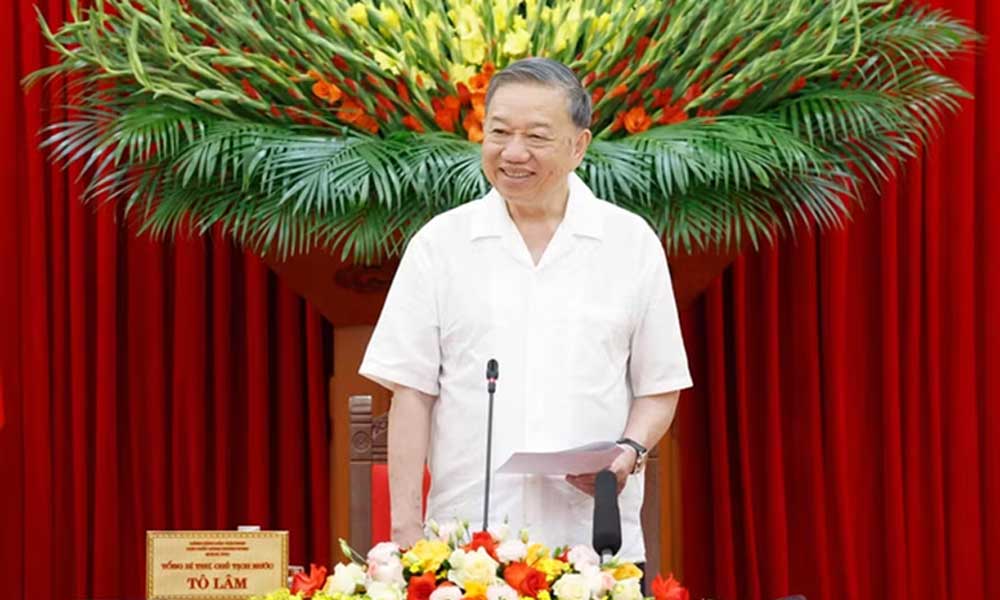
Deputy Prime Minister Ho Quoc Dung speaks at the meeting to appraise revisions to the National Land Use Planning for 2021–2030 with a vision to 2050. |
Presenting the draft revisions, the National Land Survey and Planning Centre under the Ministry of Agriculture and Environment said that National Assembly Resolution No. 39/2021/QH15 on the planning and the five-year land use plan for 2021–2025 has provided an important framework for land management and allocation.
However, after nearly five years of implementation, evolving development requirements have made adjustments necessary to align with new national priorities.
Land remains a strategic national resource and a key production asset. The revision seeks to ensure consistency across planning levels, from central to local authorities, while promoting efficient land allocation.
It aims to balance economic development with environmental protection, climate-change adaptation and social welfare; enhance transparency; and prevent wastefulness and corruption.
Priority land allocations in the coming years will be directed toward modern infrastructure development, industrial parks, economic zones, logistics hubs, strategic transport projects, major urban areas and key energy projects.
At the same time, the plan will maintain an appropriate area of rice-growing land to safeguard national food security, protect and expand forests with forest coverage maintained at above 42%, and strengthen biodiversity conservation.
Concluding the meeting, Deputy PM Dung stressed that land-use planning should serve not merely as a tool for allocating land quotas but as a driver of economic growth, environmental protection and national security.
Highlighting key principles and strategic directions for the revision, he underscored the need to ensure the plan's consistency and integration with national, regional and provincial planning schemes.
He urged priority allocation of land resources to key infrastructure, energy, industrial and urban development projects capable of generating new growth momentum.
At the same time, he urged authorities to address long-standing inefficiencies, including delayed projects, abandoned urban developments and so-called “suspended planning” situations that leave land resources unused for extended periods.
Dung also emphasised the need for greater flexibility in allocating land-use quotas among localities, allowing adjustments based on actual demand and implementation effectiveness.
He called for stronger monitoring and post-inspection mechanisms, including annual assessments of land-use targets by ministries and localities, with under-utilised quotas to be reassigned to more effective projects and jurisdictions.
He tasked the Ministry of Agriculture and Environment with coordinating closely with relevant ministries and agencies to review data and project lists, finalise the revised planning dossier, and submit it to the Government for presentation to the National Assembly at its upcoming session.


.jpg)


-h--tr--nhau-th-c-hi-n-nhi-m-v-.jpg)







Reader's comments (0)