 Bắc Ninh


DNA testing capacity expanded to identify over 207,000 martyrs’ remains
By September 2026, Steering Committee 515 had collected samples from the remains of 207,656 martyrs, achieving 98.15% of the goal. Nearly 120,000 samples have been received and preserved. Additionally, authorities gathered 265,761 DNA samples from martyrs’ relatives, with about 100,000 analysed and around 80,000 results entered into the database.
Efforts are being stepped up to expand DNA testing capacity and apply next-generation sequencing technology to improve the identification of more than 207,000 fallen soldiers' remains whose DNA samples have been collected.
 |
|
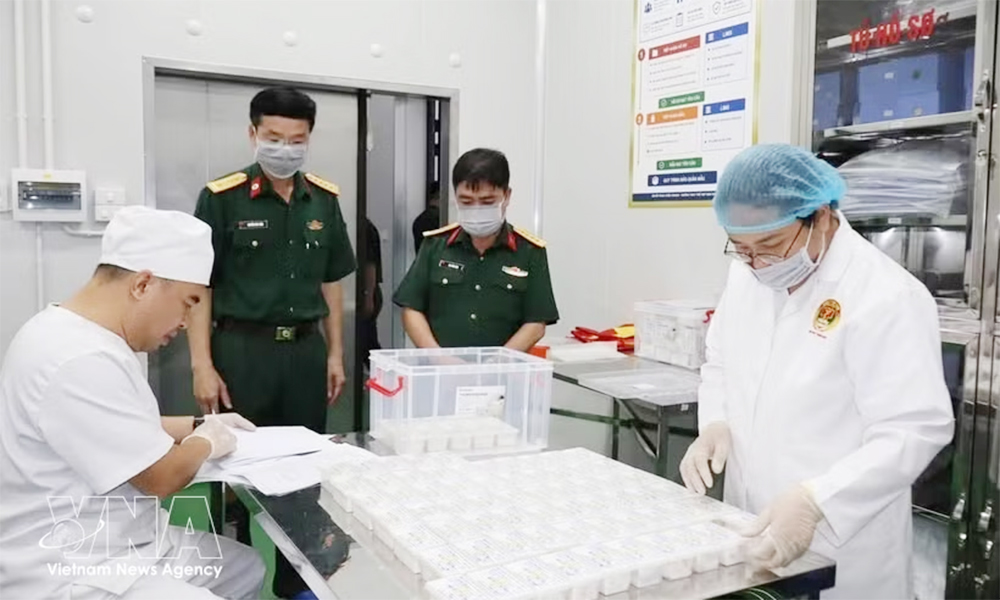
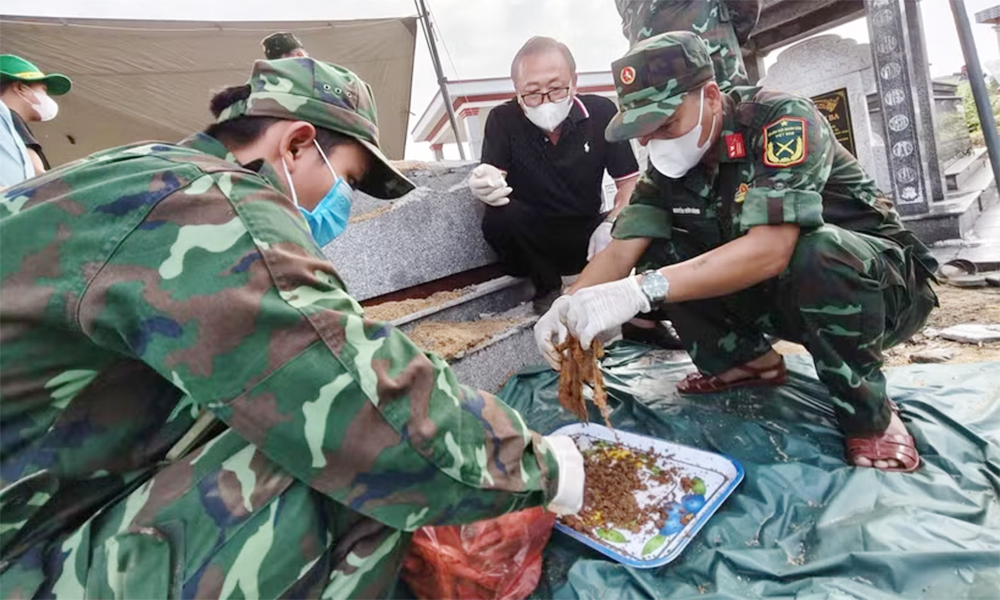
Martyr remains samples from the northern province of Cao Bang are handed over to the Military Institute of Forensic Medicine for DNA analysis. (Photo: VNA) |
The identification of martyr remains is being carried out through both physical evidence and DNA testing, with greater use of next-generation sequencing (NGS) technology to increase chances for identifying remains that have undergone extensive decomposition.
The Prime Minister's Decision No. 150/QD-TTg, dated January 14, 2013, provides the foundation for DNA testing to identify the remains of martyrs.
Under the National Steering Committee for the Search for, Collection and Identification of Martyrs’ Remains (Steering Committee 515), units involved in the 500-day campaign have been tasked with testing 18,000 samples of remains, including more than 17,000 samples collected before Government Resolution No. 26/2026/NQ-CP took effect.
The 2026 target is 9,000 samples collected before July 1, 2025.
Four units are responsible for DNA testing, including the Military Institute of Forensic Medicine under the Ministry of National Defence, the Institute of Criminal Sciences under the Ministry of Public Security, the National Institute of Forensic Medicine under the Ministry of Public Health, and the Institute of Biology under the Vietnam Academy of Science and Technology.
The Military Institute of Forensic Medicine currently uses the Sanger method for mitochondrial DNA testing, with a capacity of about 800 samples a year.
From 2021 to 2025, it received nearly 15,000 samples, tested nearly 4,000, and identified 558 martyrs through DNA matching.
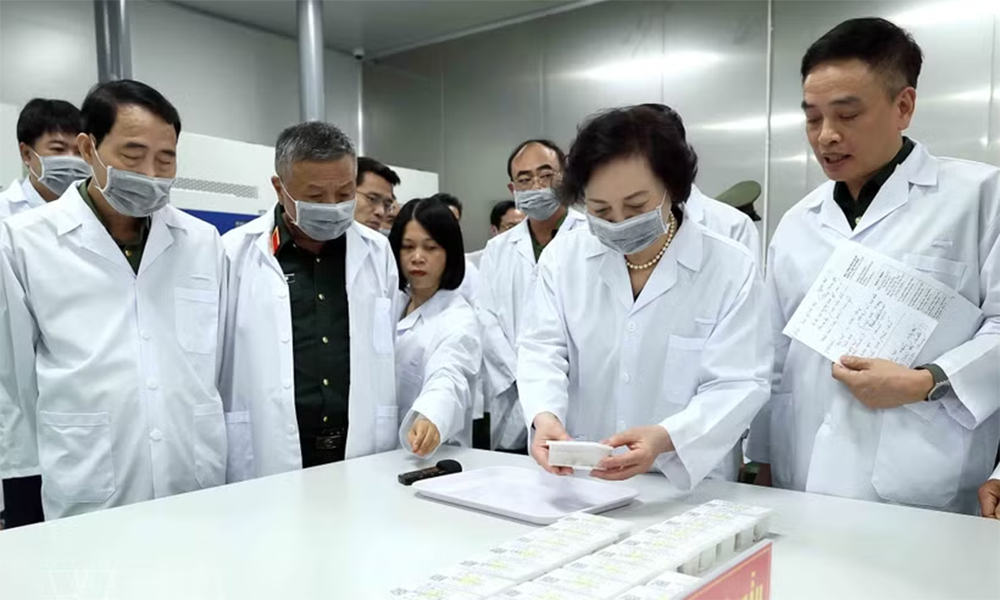
The institute is also coordinating with the Vietnam Academy of Science and Technology (VAST) to apply next-generation sequencing and single nucleotide polymorphism (NGS-SNP) technology, with Vingroup’s Thien Tam Foundation supporting technology transfer and equipment.
The National Institute of Forensic Medicine is also using the traditional Sanger sequencing method while successfully piloting NGS and researching single-nucleotide polymorphism (SNP) technology, but faces shortages in specialised equipment and personnel.
Meanwhile, the Institute of Biology is coordinating in the transfer of NGS-SNP technology with five testing units.
The first batch of equipment is expected to be handed over in October 2026 and the second in March 2027, along with chemicals for testing 3,000 samples of remains and 3,000 relatives’ samples.
The initial trials showed promising results. In 2025, the NGS-SNP technology was used on 58 samples from Tra Linh Martyrs Cemetery in Cao Bang province, with 54 producing SNP data fit for matching.
Matches were successfully made with 14 families, leading to the identification of five martyrs. In 2026, the pilot extended to Giong Rieng Martyrs Cemetery in An Giang province, where 965 graves were excavated and 535 samples gathered.
By September 2026, Steering Committee 515 had collected samples from the remains of 207,656 martyrs, achieving 98.15% of the goal. Nearly 120,000 samples have been received and preserved.
Additionally, authorities gathered 265,761 DNA samples from martyrs’ relatives, with about 100,000 analysed and around 80,000 results entered into the database.
However, testing capacity remains limited due to shortages in personnel, equipment, and chemicals, while funding was only allocated from August 2026. Storage infrastructure is also under pressure.
The Ministry of National Defence has upgraded Warehouse 708 to store about 110,000 samples and begun building a facility capable of storing about 300,000 samples, targeted for completion before April 30, 2027.
At a recent conference between the Government and localities, Deputy Prime Minister Pham Thi Thanh Tra, head of Steering Committee 515, asked localities to complete remains sampling in 2026, while urging the Ministry of Public Security and localities to collect additional biological samples from martyrs’ relatives to support the application of next-generation DNA technology.



















Reader's comments (0)